Can a fighter jet pilot be trained for real hypersonic flying through augmented reality?

Training for hypersonic flight with augmented reality helps fighter jet pilots learn faster, practise safely and cut costs. However, only real flying can give true experience. Know more, read further to see how technology is changing pilot training.
What is Hypersonic Flight?
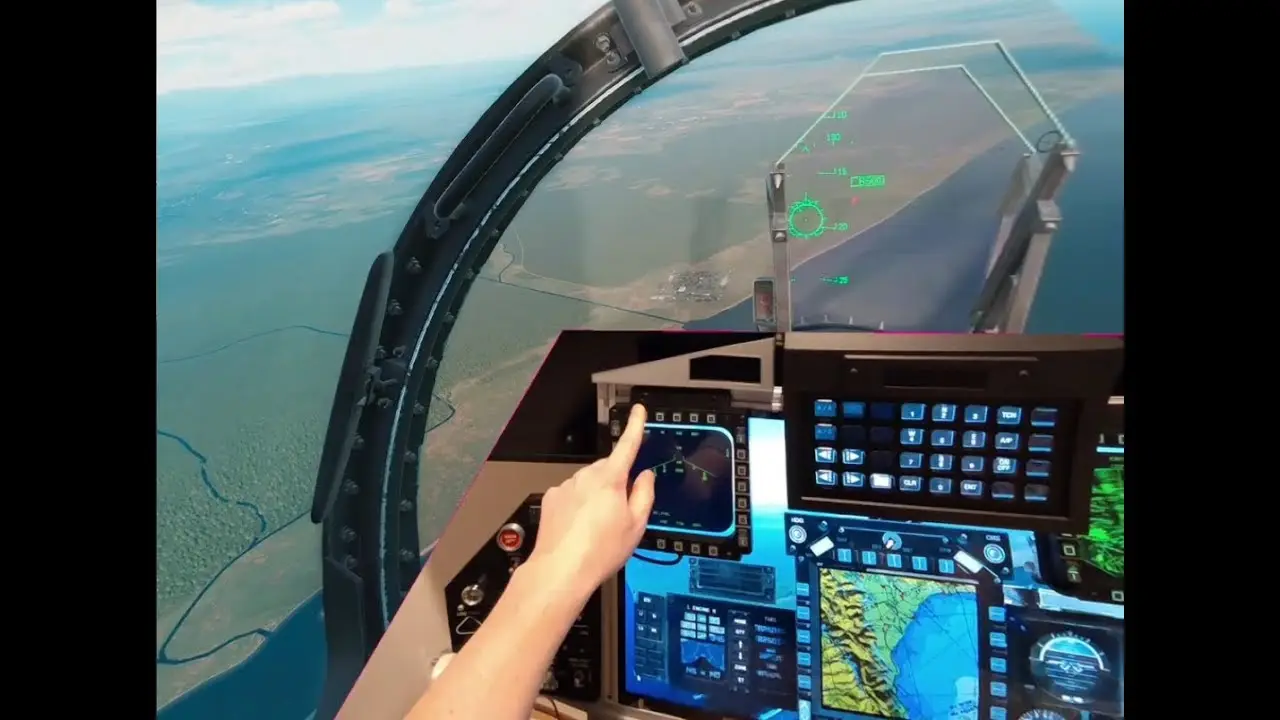
Hypersonic flight means flying at speeds above Mach 5, which is five times faster than the speed of sound, or over 6,000 kilometres per hour. Modern fighter jets can reach supersonic speeds, but hypersonic training simulates even higher speeds, pushing pilots and technology to their limits.
How do Fighter Pilots Train Today?
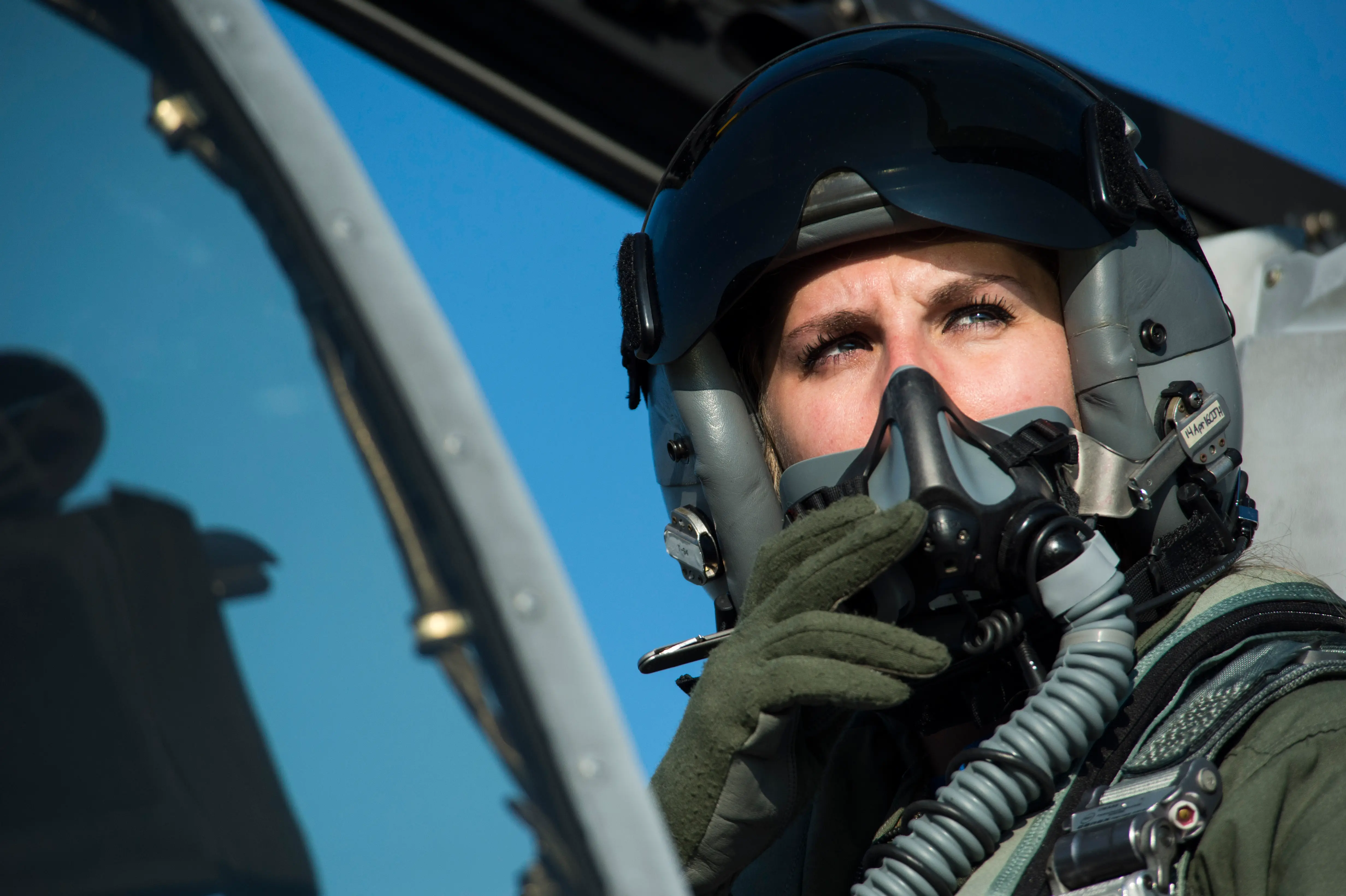
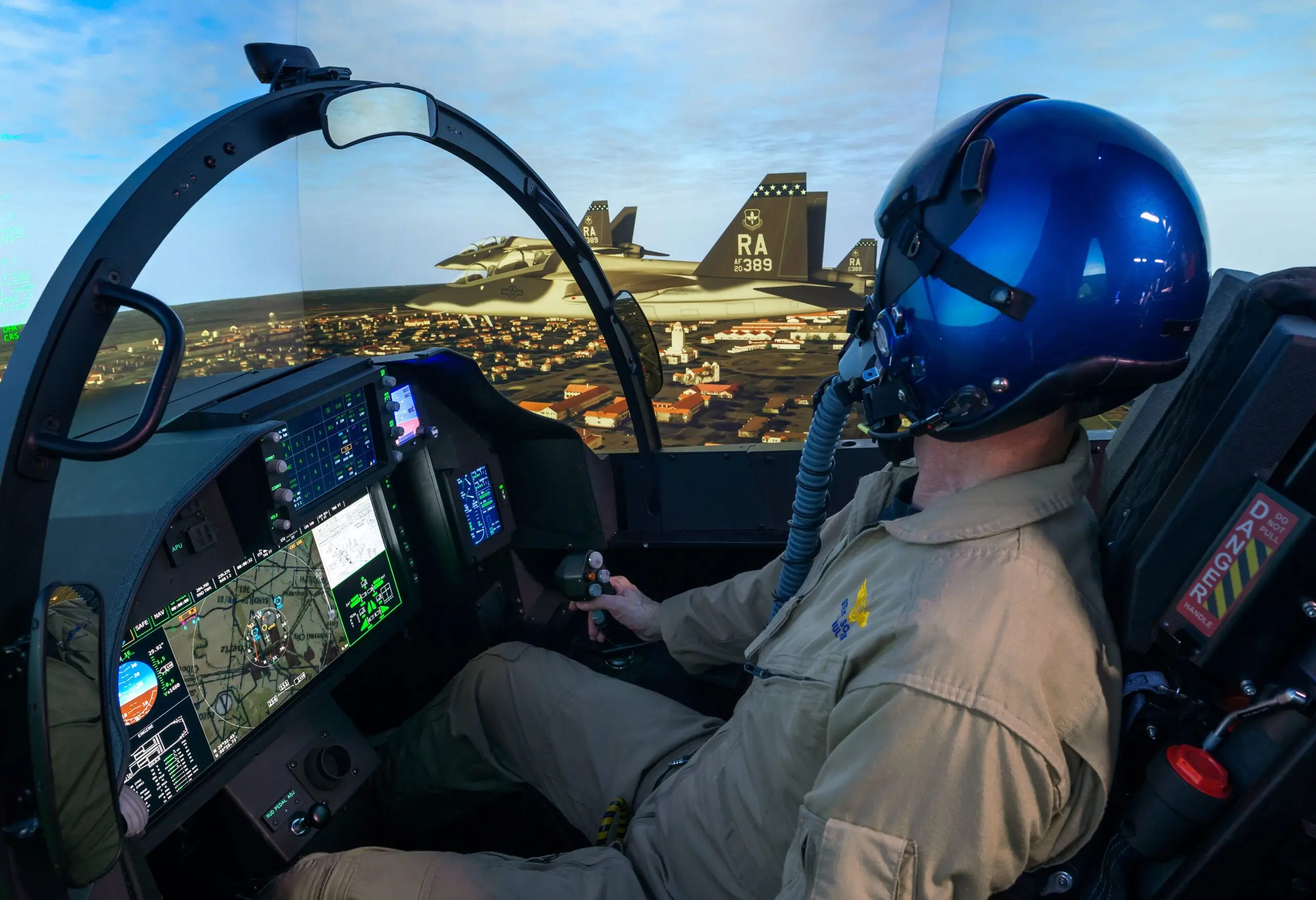
Fighter pilots usually train using real aircraft and flight simulators. Simulators can recreate sound, movement and cockpit controls, but do not give pilots the full feeling of hypersonic speed. Training in real jets is costly and comes with risks.
What is Augmented Reality Training?
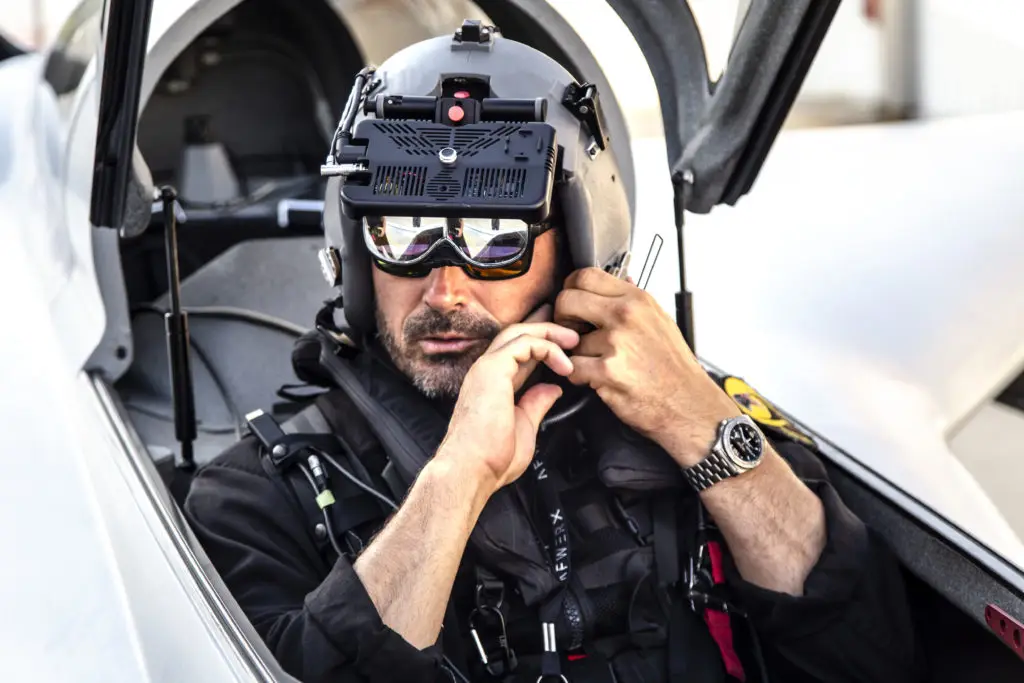
Augmented reality uses digital headsets to add computer-made images over real views. In pilot training, AR can show virtual aircraft, terrain, and threats, letting pilots practise missions in a safe, controlled setting. According to some studies, AR can improve focus and learning speed up to four times compared to normal training methods.
Can AR Simulate Real Hypersonic Conditions?
AR headsets can simulate the basic challenges of hypersonic flying, such as fast-paced decision making, cockpit workload, and response times. Experts say AR systems have been tested for things like formation flying at speeds up to 10,000 feet. Pilots use visuals and simple reference lights to keep safe distances in these tests.
Does Augmented Reality Replace Real Flight?
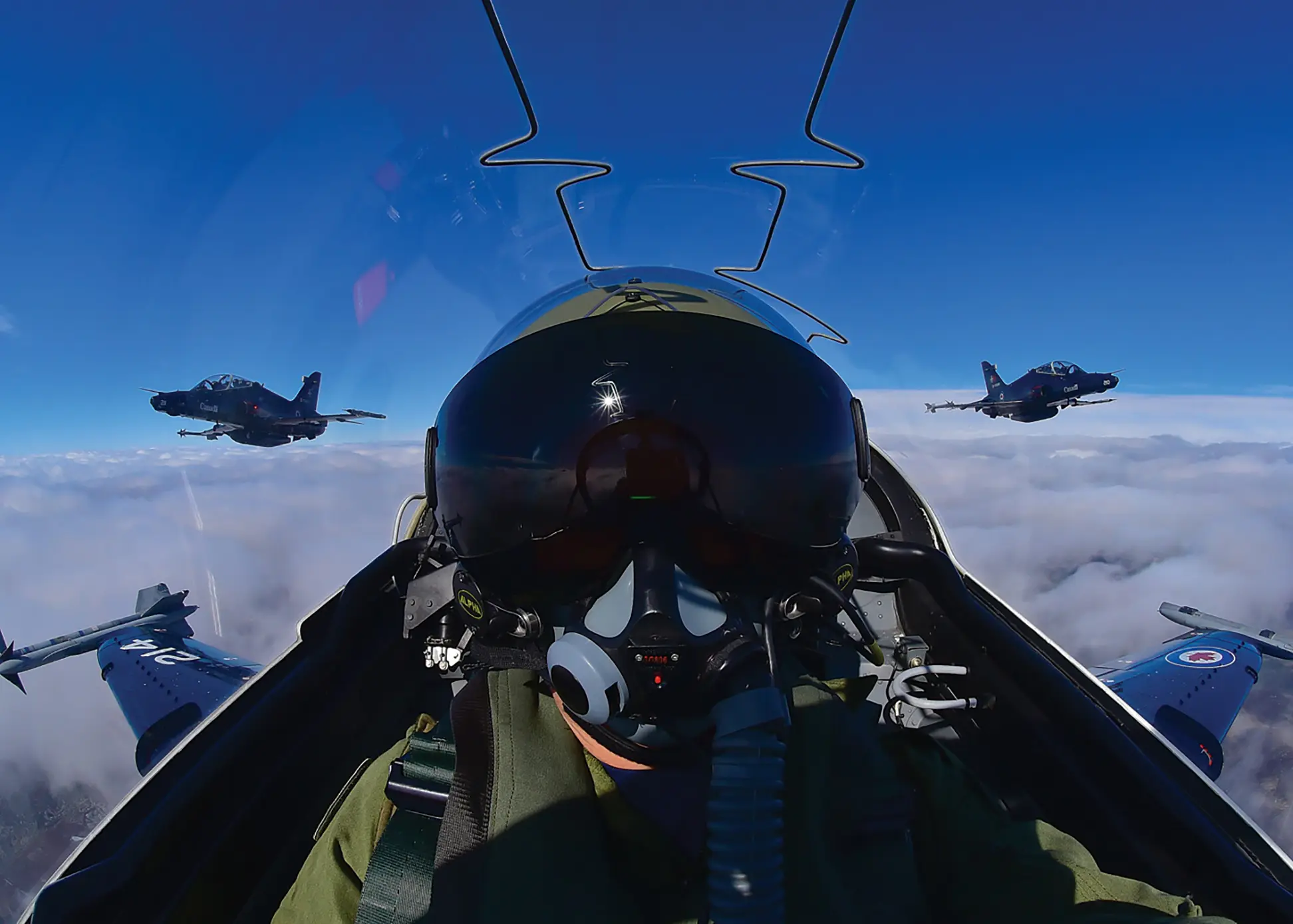
Augmented reality is a helpful early-stage tool, but it cannot yet replace real flight training for hypersonic speeds. Reports suggest that AR is best for basic skills, routine procedures and practising new manoeuvres. Actual high-speed flying still demands hands-on experience with a real aircraft.
How Does AR Training Work?
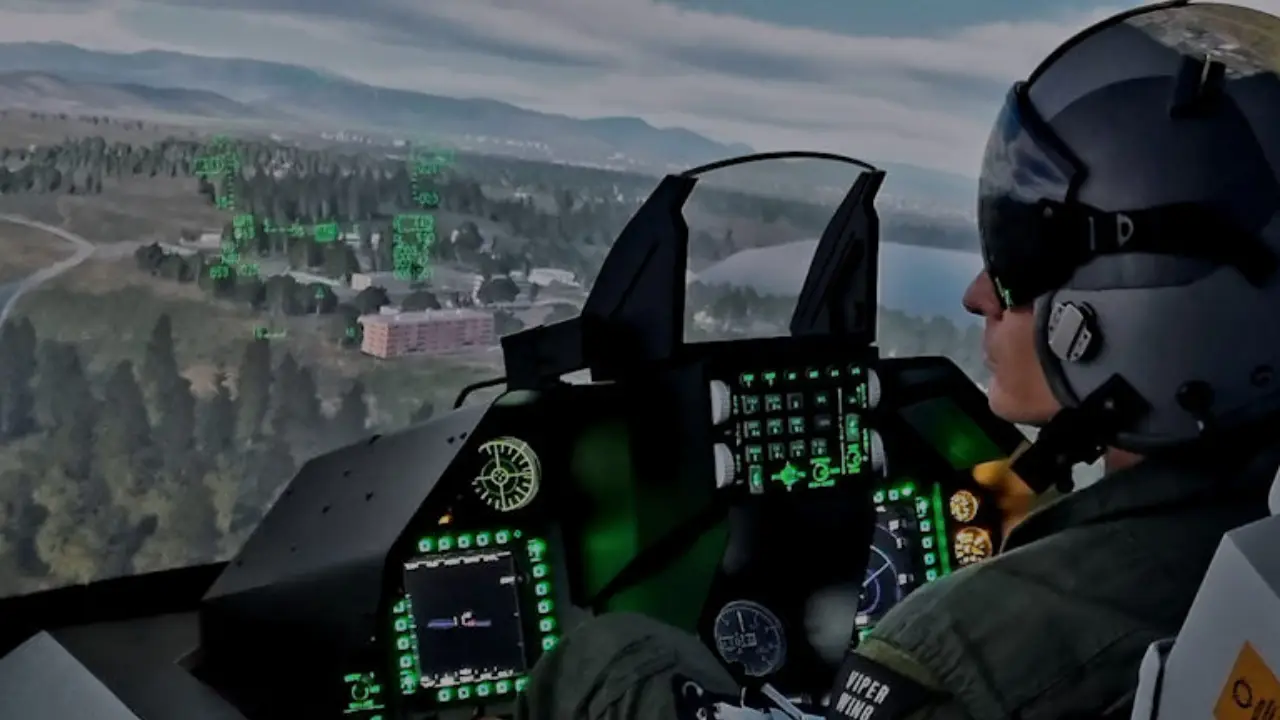
Pilots use AR headsets such as HoloLens or Quest.
They practise with virtual cockpits and projected leader aircraft.
Training tasks last from 15 to 30 minutes, starting with autopilot and followed by manual controls.
Pilots receive feedback on distance, speed and accuracy through colours and training instructions.
Sessions often happen at specialised flight training centres or advanced simulation pods.
What Are the Key Advantages and Limitations?
Advantages
Reduced training cost compared to real flights
Safer environment for trying new moves
Fast learning and feedback
Limitations
Does not fully recreate the feeling of hypersonic speeds
High-speed and emergency reactions are not fully realistic
Real flight is still needed for full qualification
)
)
)
)
)