'Building cities on the Moon': Chinese scientists develop machine to turn lunar dust into bricks

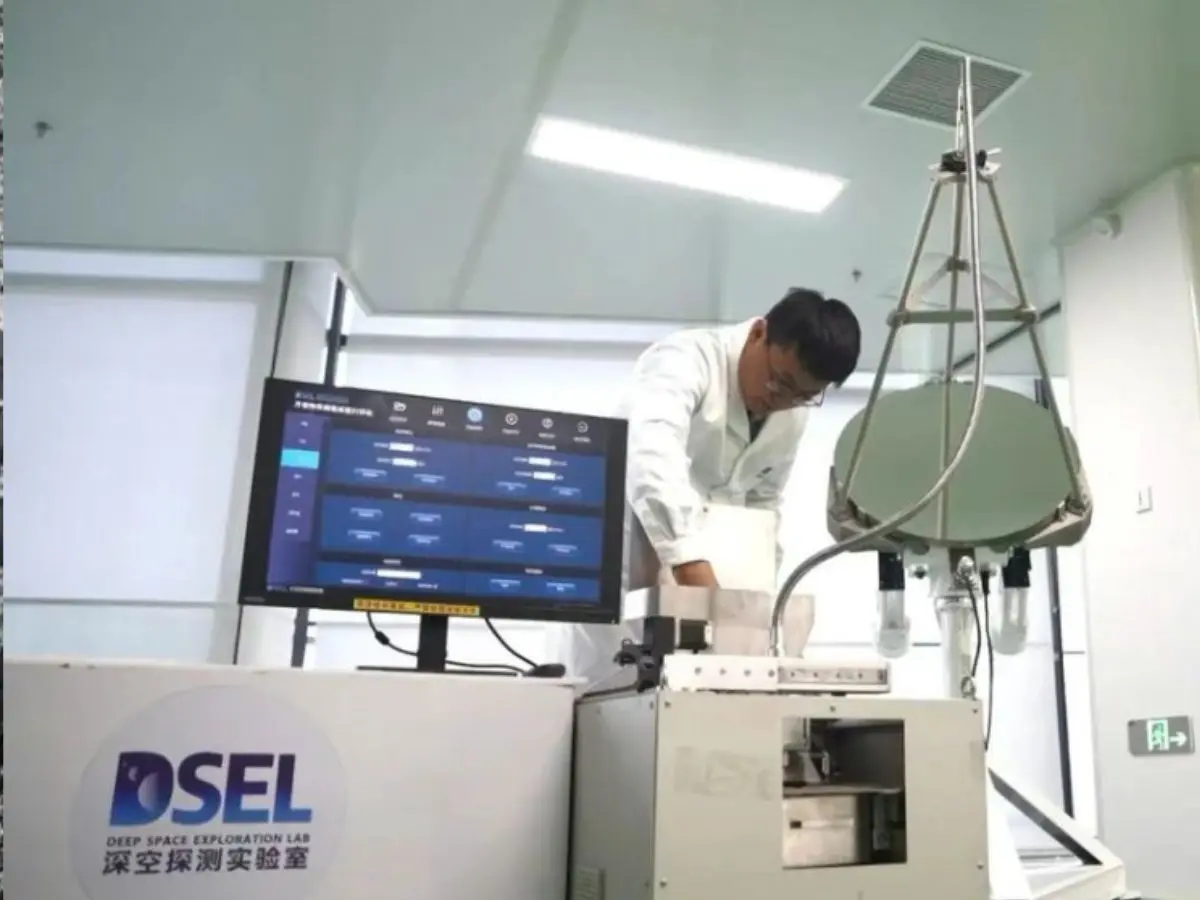
The device operates like a 3D printer but replaces conventional heat sources with concentrated solar energy.
A new approach to lunar construction
China’s Deep Space Exploration Laboratory (DSEL) in Hefei, Anhui Province, has developed a solar-powered device capable of transforming lunar regolith, the Moon’s loose surface material, into durable construction bricks. The system, described in the journal Acta Astronautica, uses concentrated sunlight to melt Moon dust without requiring any materials to be transported from Earth. The breakthrough could drastically reduce the cost and complexity of building permanent lunar bases, addressing one of the most significant logistical challenges in space exploration.
Harnessing the Sun to build on the Moon
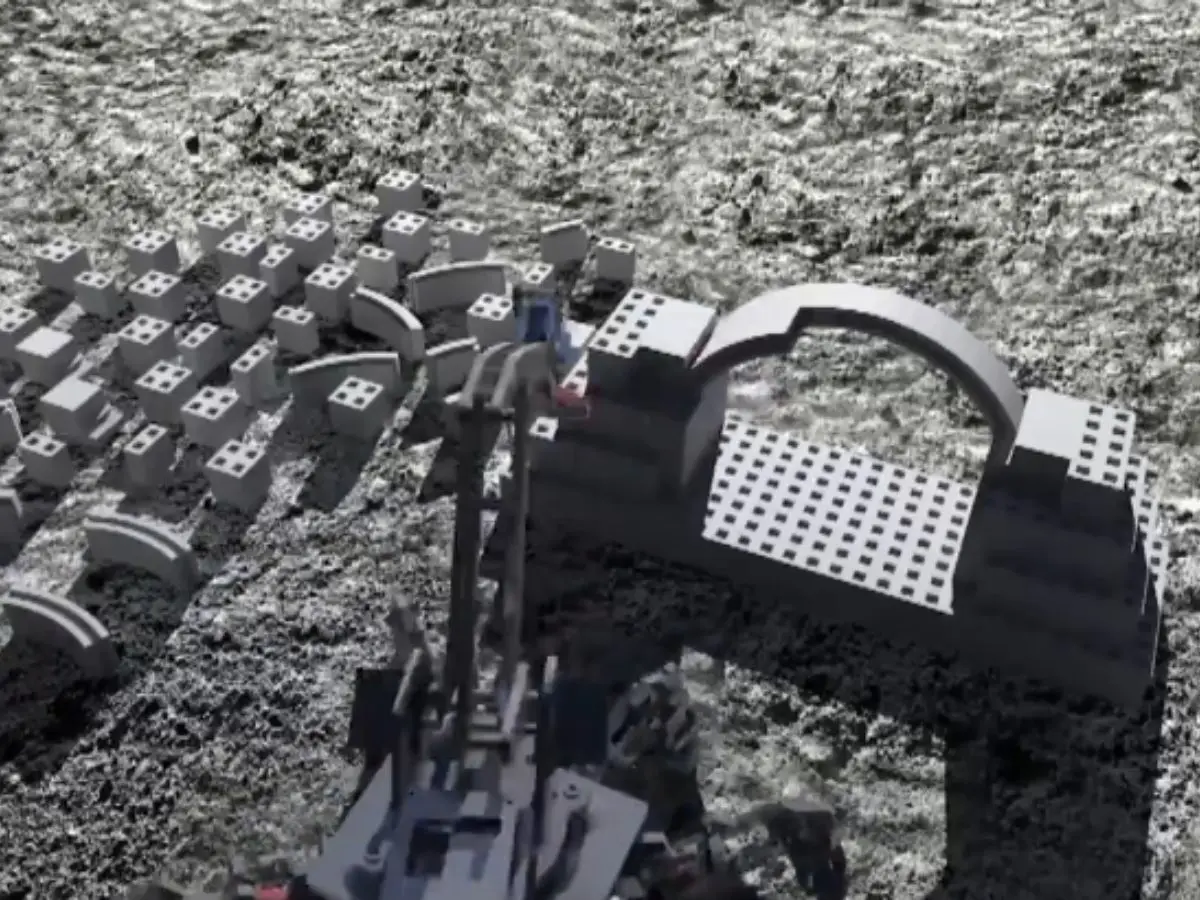
The device operates like a 3D printer but replaces conventional heat sources with concentrated solar energy. A parabolic reflector gathers sunlight and channels it through fibre optic bundles, intensifying the light to more than 3,000 times the strength of sunlight at Earth’s surface. At the focal point, temperatures exceed 1,300°C, hot enough to melt regolith into solid, dense shapes. Tests with basalt-based simulated Moon soil have produced flat surfaces, curved structures, and complex geometries suitable for lunar construction.

Overcoming development challenges
The two-year development process involved tackling the difficulties of melting variable compositions of lunar soil and efficiently transmitting solar energy. Engineers created multiple simulated regolith types for testing, ensuring the process could adapt to the Moon’s natural soil variations. The device uses no additives, relying entirely on in-situ resources, which eliminates the need for heavy and costly transport of building materials from Earth.
Testing in space
To verify the technology’s resilience, simulated lunar bricks were delivered to China’s Tiangong space station aboard the Tianzhou 8 cargo spacecraft in November 2024. Over the next three years, astronauts will expose these samples to the harsh conditions of space, assessing their thermal durability, structural strength, and radiation shielding. The results will inform the design of future lunar structures and guide the scaling up of the system for full surface deployment.
Applications for lunar bases
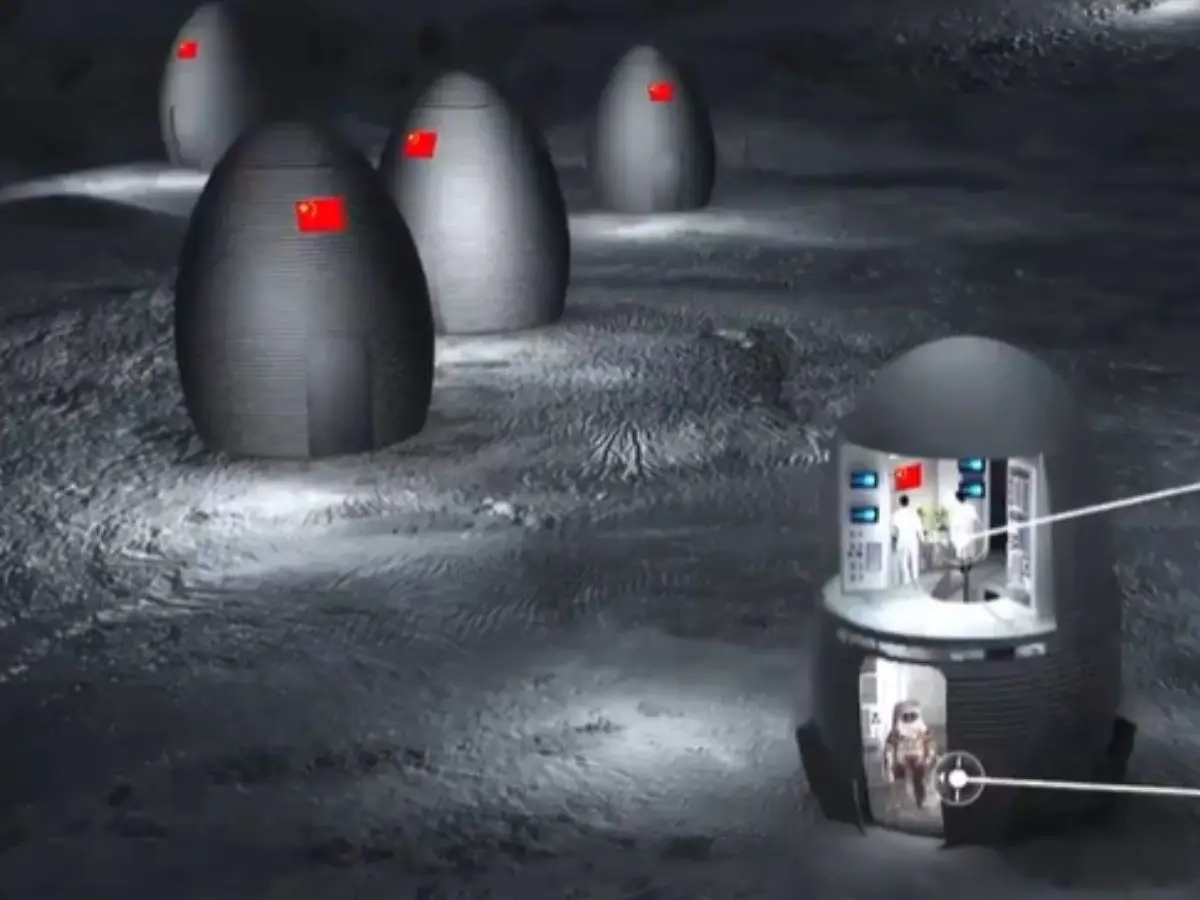
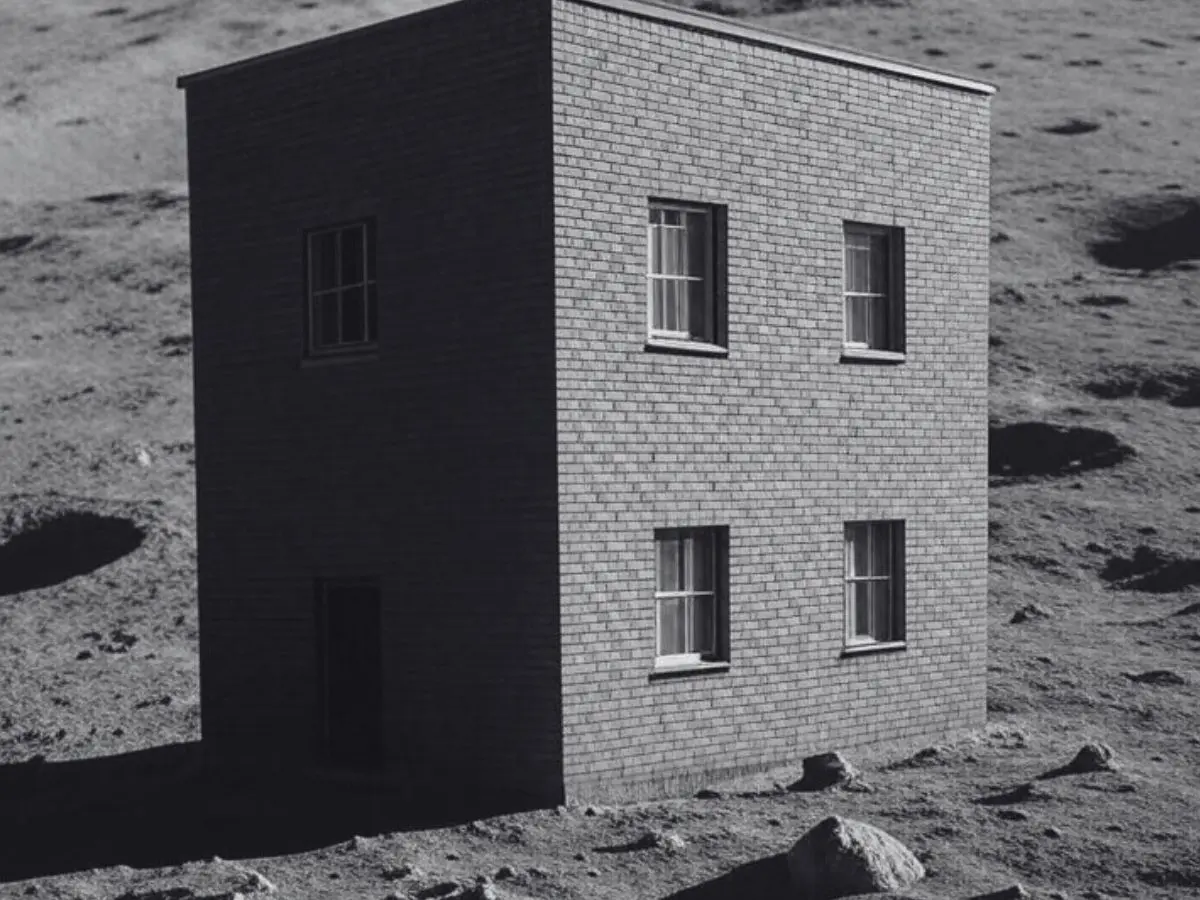
Senior engineer Yang Honglun notes that while lunar bricks cannot maintain internal pressure in the Moon’s vacuum, they can serve as protective shells around pressurised habitat modules. These outer layers would shield living areas from harmful radiation, micrometeorite impacts, and temperature extremes. Beyond habitats, the bricks could be used for roads, equipment platforms, and other essential infrastructure for a functioning lunar settlement.
Towards automated lunar cities
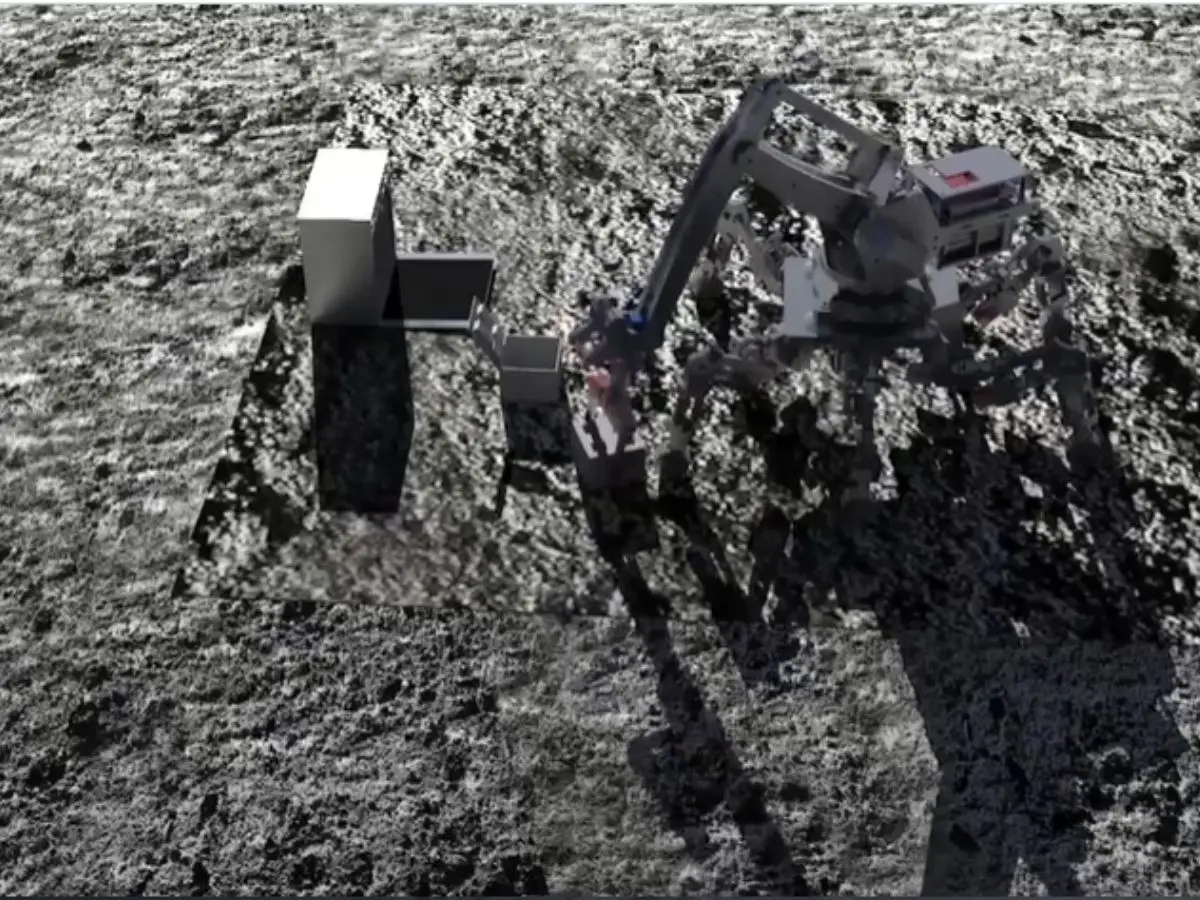
The DSEL team envisions a fully automated construction system in which robots mass-produce and assemble bricks into modular structures directly on the Moon’s surface. This would allow the creation of entire lunar facilities without constant resupply missions from Earth. The approach aligns with global ambitions to establish long-term human presence on the Moon, with the United States pursuing parallel efforts through NASA’s Artemis programme.

A strategic step in the space race
The ability to manufacture building materials on-site could provide a decisive operational advantage in the race to build the first permanent lunar base. While the technology remains under evaluation, its potential to enable self-sufficient construction marks an important milestone in space engineering.
)
)
)
)
)