Breathtaking scenes after rare snowfall in Israel, Jordan and other Mediterranean regions; misery for refugees


Rare snow in Israel
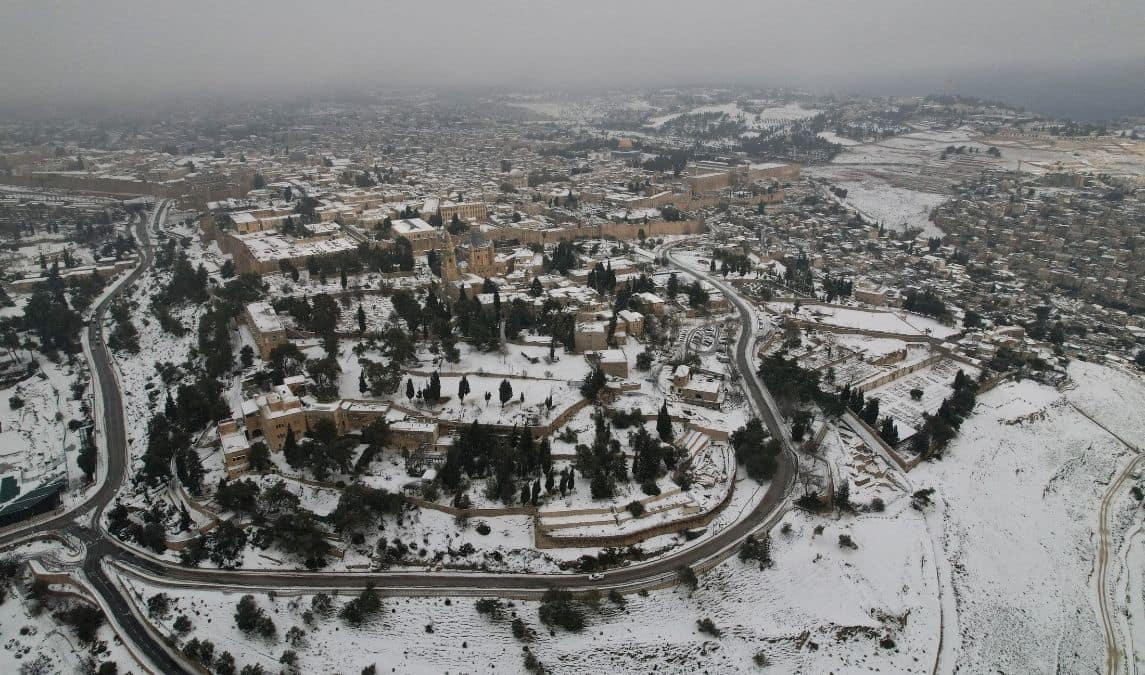
Jerusalem, some of northern Israel and hilly areas in the occupied West Bank were covered in a blanket of snow after a rare and heavy snowfall overnight into Thursday.
The snowfall has shut down roads and schools, causing travel chaos.
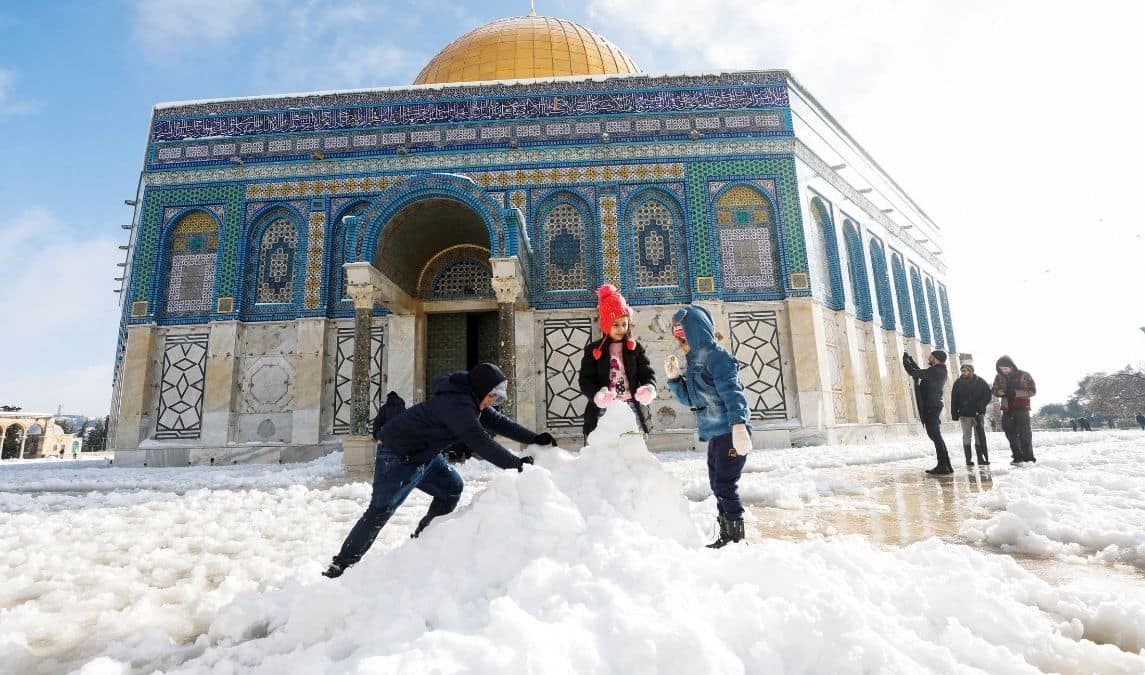
'Dome of the Rock'
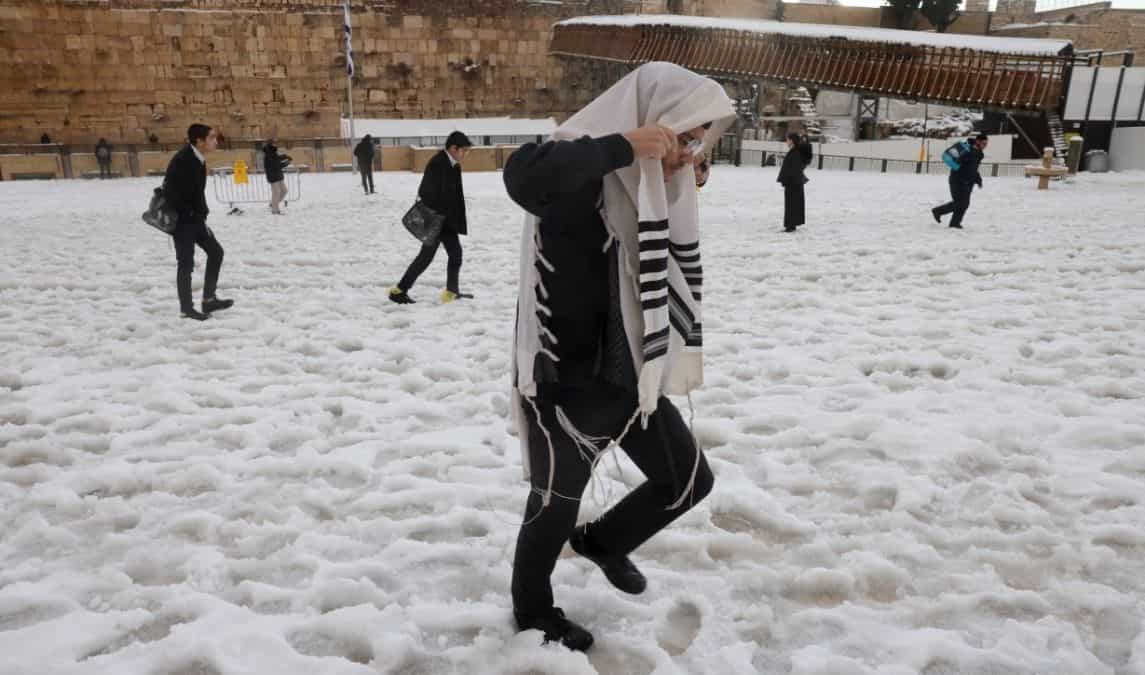
Worshippers had to trudge through inches of snow to reach the holy sites in Jerusalem's walled Old City, including the snow-capped Dome of the Rock and the Western Wall.
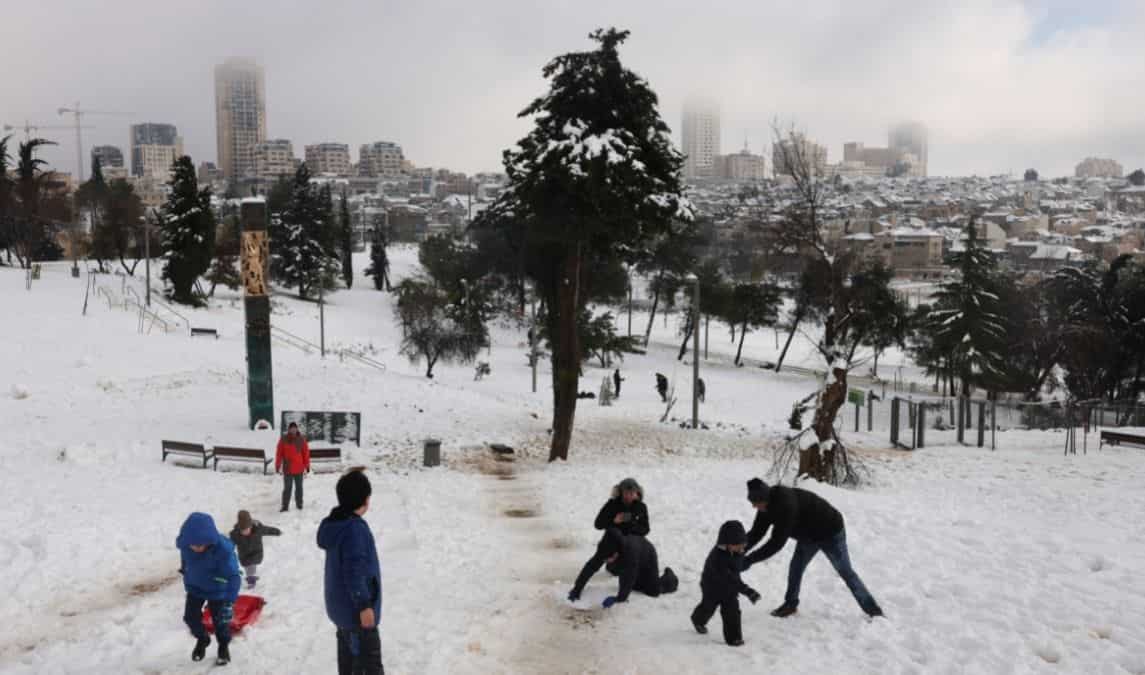
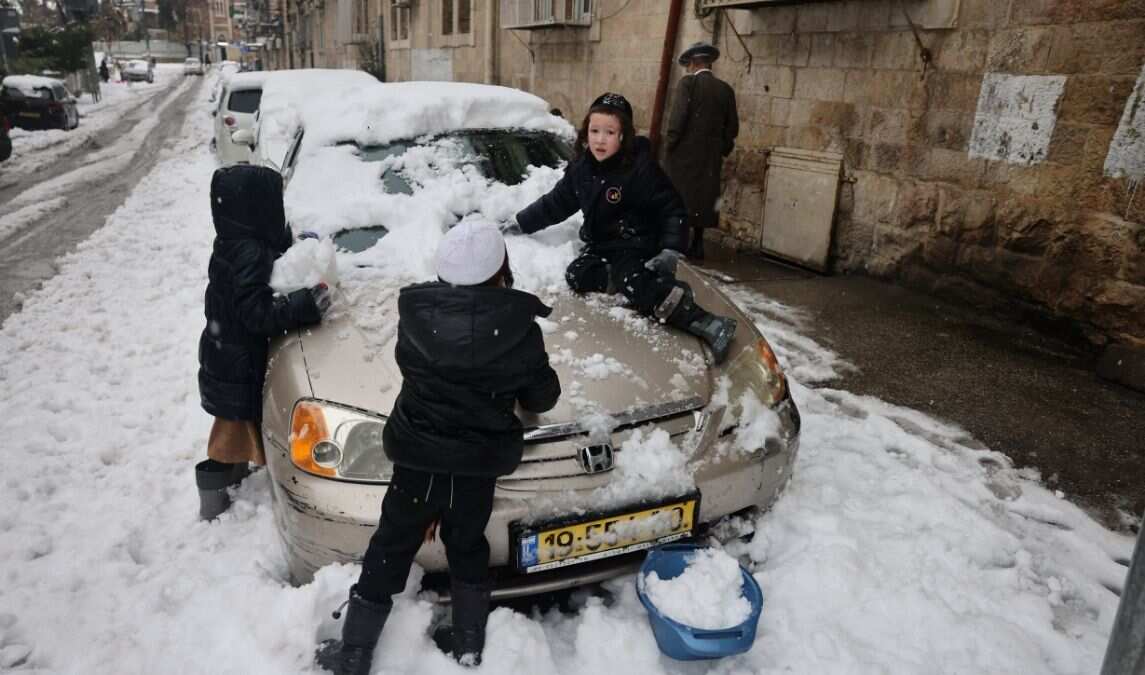
Heavy snow is rare in the city, so children went out into the streets to watch the flakes falling and hurl snowballs at each other.

Travel chaos
Israel's meteorological service reported that between 15 and 25 centimetres (six and 10 inches) of snow had fallen overnight. It took until midday for snowploughs to reopen the main highways leading into Jerusalem from the north, south and west.

Schools closed
Schools in Jerusalem and northern Israel were closed, leaving children free to play in the snow, which was not expected to last as temperatures rose and rain fell.
Power outage
The Israel Electric Company said power consumption reached an all-time high overnight as Israels switched on the heating.
Misery for refugees
In recent days, the cold snap has caused disruptions in the Mediterranean region as some parts have seen saw heavy snowfall in areas better known for their summer heat.

Situation in Jordan
In neighbouring Jordan, heavy snowfall closed roads in the capital Amman and made driving conditions treacherous across much of the country.
Jordan's Meteorological Department forecast more snowfall on higher ground with temperatures expected to fall below freezing again on Thursday night.
Problems after snowfall
In Syria, days of heavy snowfall blanketed displaced persons' camps in the northwest where families huddled together under canvas in temperatures well below zero Celsius.
UN humanitarian agency on situation
The UN humanitarian agency OCHA said this week that at least 227 displacement sites across the northwest have been hit by severe winter weather since January 18.
It said, "545 tents have been reported destroyed and 9,125 tents damaged by snowfall, floods and winds, along with belongings of displaced people."
)
)
)
)
)