Boeing’s MQ-25 Stingray: 6 key features of the US Navy’s first operational carrier-based drone

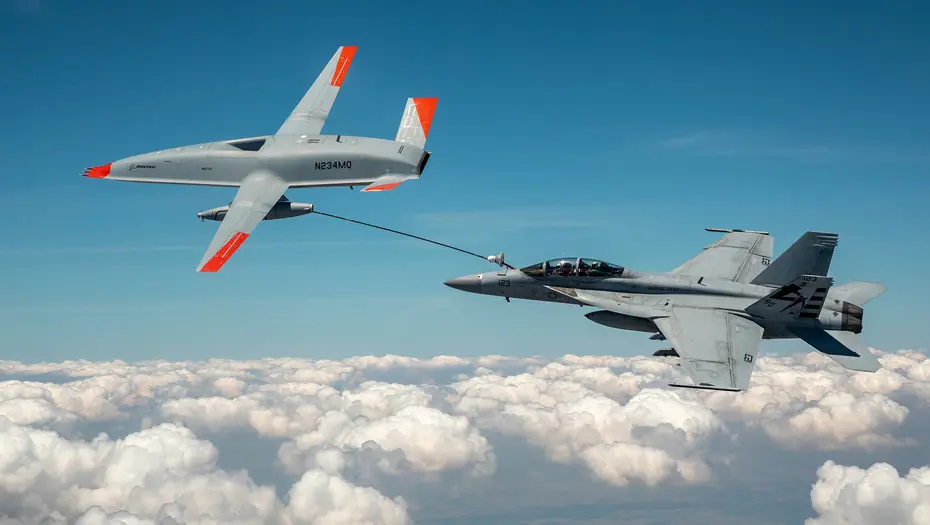
MQ‑25’s primary mission is to refuel manned aircraft at sea, enhancing the reach and effectiveness of carrier air wings by relieving fighters of tanker duties.
A New Role for Carrier Aviation
The MQ‑25 Stingray represents a significant change in naval aviation. Built by Boeing and powered by a Rolls‑Royce engine, it is set to become the United States Navy’s first operational carrier‑based unmanned aerial vehicle. Unlike past drones designed for surveillance or strike roles, the MQ‑25’s primary mission is to refuel manned aircraft at sea, enhancing the reach and effectiveness of carrier air wings by relieving fighters of tanker duties. The initial flight test of the first MQ-25A Stingray aircraft carrier-based tanker aircraft has been postponed to early 2026.

1. Unmanned Aerial Refuelling Capability
At the core of the MQ‑25 programme is its ability to deliver up to 15,000 lb of fuel to fleet aircraft at distances of around 500 nautical miles from an aircraft carrier. By refuelling F/A‑18 Super Hornets, EA‑18G Growlers and F‑35Cs, the Stingray will extend their patrol and strike range without requiring additional manned tankers.
2. First of Its Kind in Service
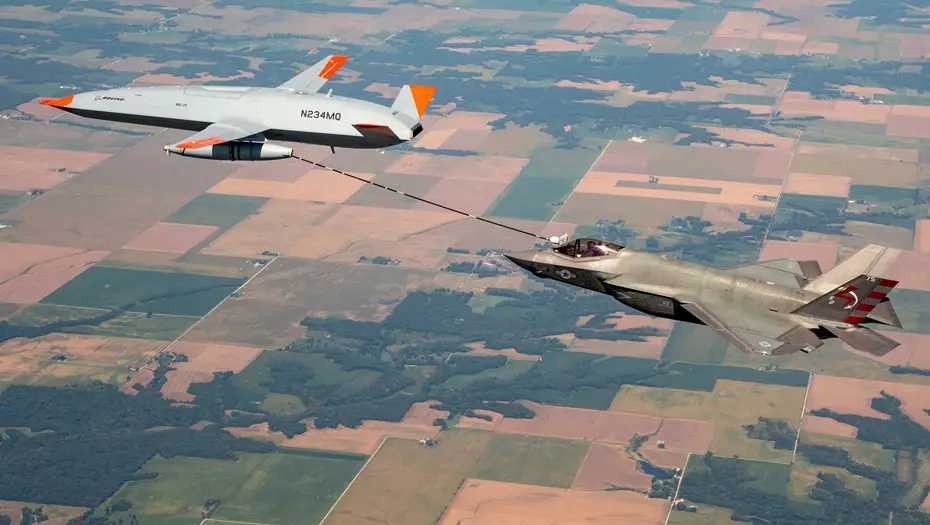
The MQ‑25 is the first unmanned aircraft in history designed to operate from aircraft carriers while conducting aerial refuelling missions. Its test asset, T1, has already completed refuelling flights with multiple carrier aircraft, demonstrating the core functions of the system in advance of fleet introduction.
3. Specifications
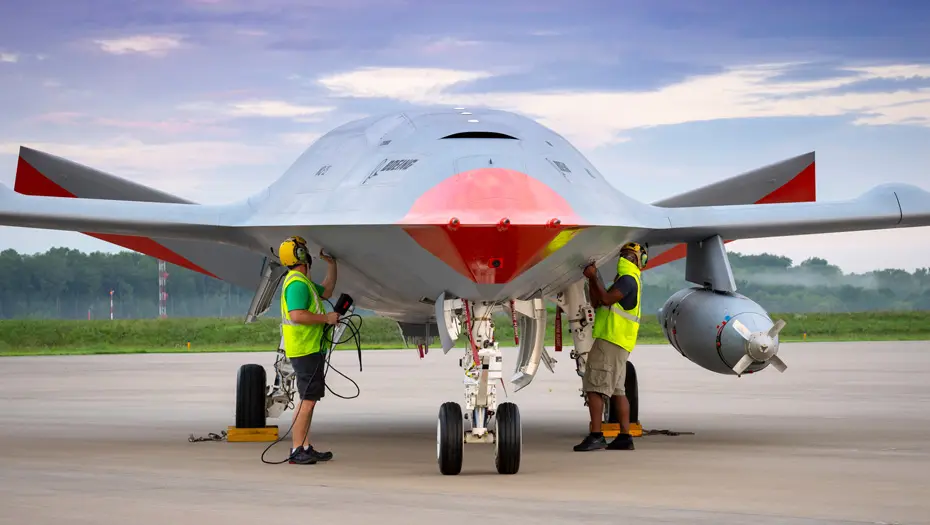
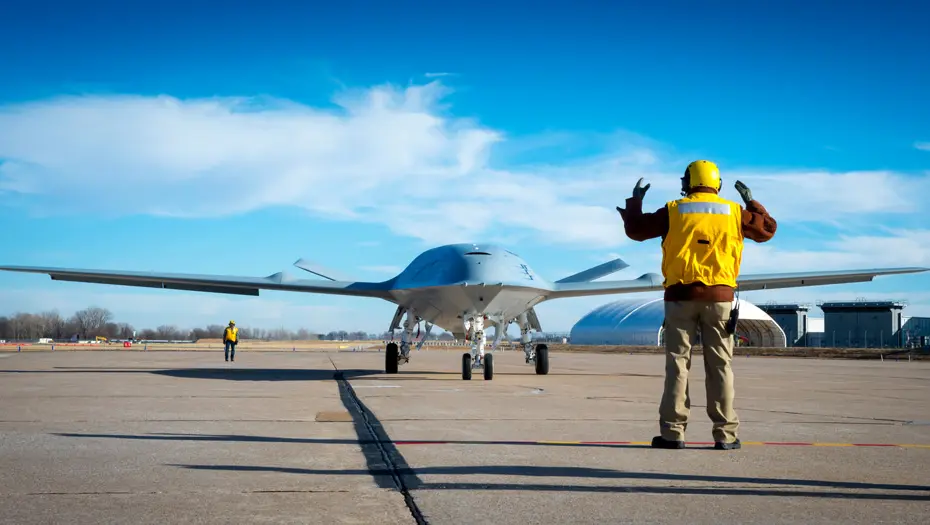
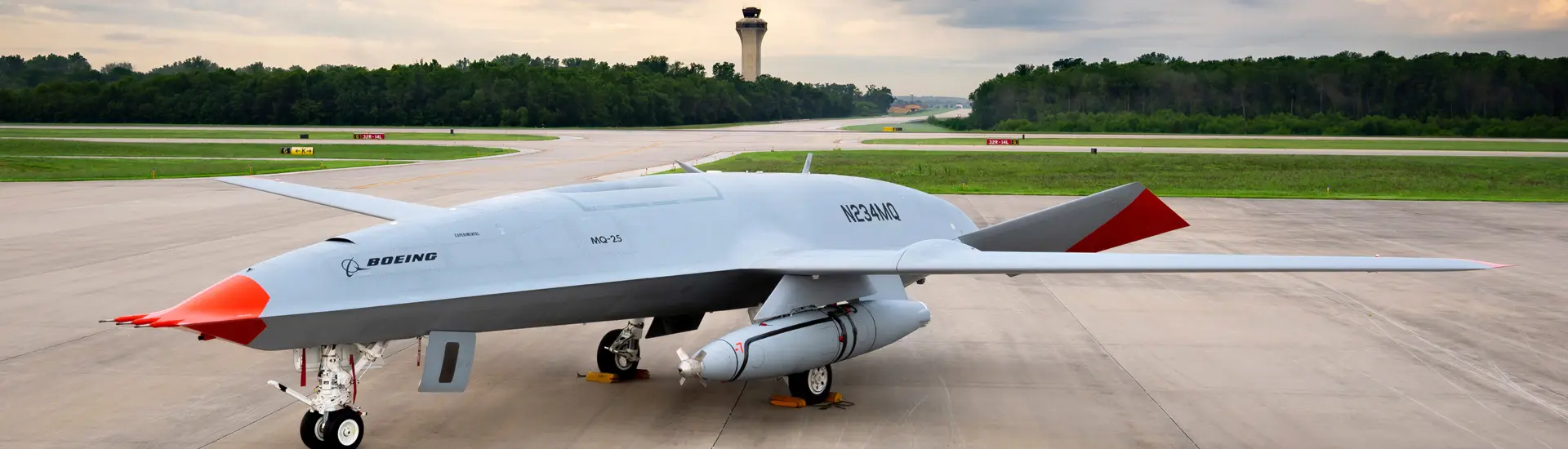
The Stingray has been developed with autonomy in mind. It has a wingspan of 75 feet and a length of 51 feet. As an unmanned aircraft, MQ-25 is capable of taking off, flying and landing without direct human intervention.
4. Secondary Missions and Flexibility
Although focused on refuelling, the MQ‑25 platform is designed to be adaptable for future roles such as intelligence, surveillance and reconnaissance. Its design anticipates evolving mission requirements, allowing new technologies to be incorporated as they mature.
5. Rolls‑Royce Engine Integration
The MQ‑25 is powered from a single Rolls‑Royce AE 3007N turbofan engine. This high‑bypass engine delivers around 10,000 lb of thrust and balances efficiency with the endurance needed for extended carrier operations, a critical factor for a platform expected to support long‑range missions. According to Rolls Royce's official website, "The AE 3007 powers eight commercial/military platforms. This two-shaft turbofan engine provides proven power and performance to meet the demands of the next generation military platforms."
6. Carrier Deck Compatibility
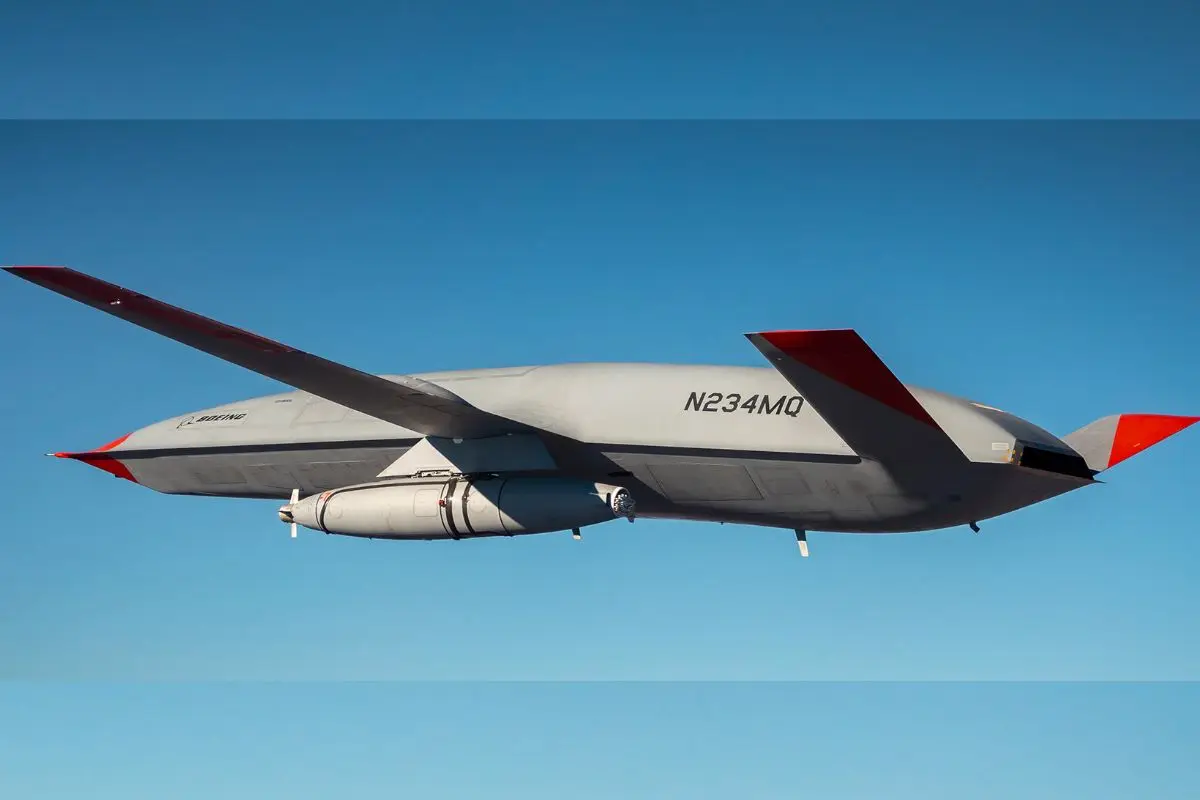
The Stingray will integrate with existing carrier launch and recovery systems, using conventional catapult and arrestor gear without major modifications to current shipboard infrastructure. This compatibility simplifies its introduction into carrier air wings and supports rapid adoption across the fleet.
)
)
)
)
)