Blue Moon is rare, but actually more common than you think - Traditional vs modern meanings

Blue Moon is a rare occurrence, which is why we have the phrase “Once in a Blue Moon.” But did you know that there are two types of Blue Moon, and the one we commonly know today is not how the term was traditionally used?
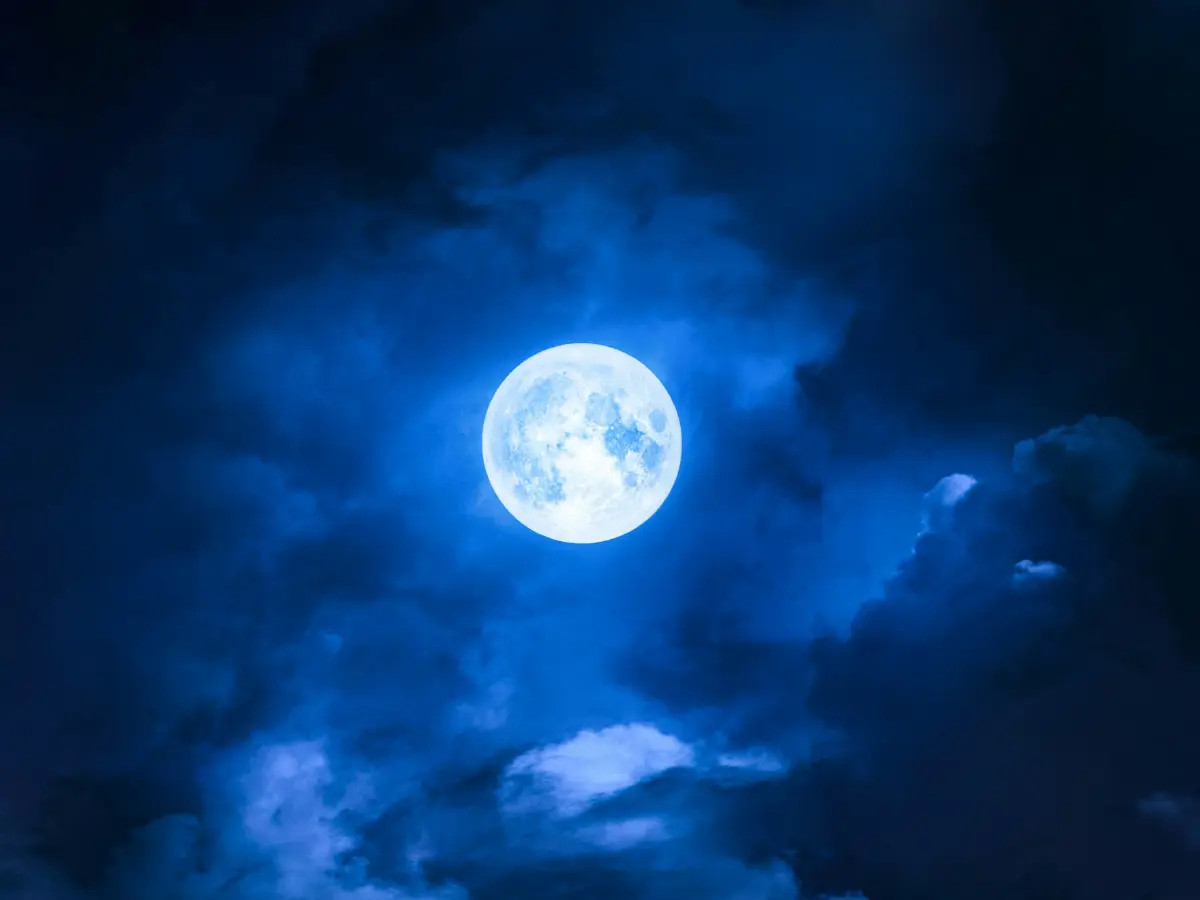
May Blue Moon
The second Full Moon of May will be a Blue Moon, believed to be named so because of its rarity. However, the name was not coined for this particular Full Moon, but instead for the third moon in a season that will also have a fourth one, also very rare. The phrase "Once in a Blue Moon" is based on the celestial event to describe something that would not happen easily and commonly.
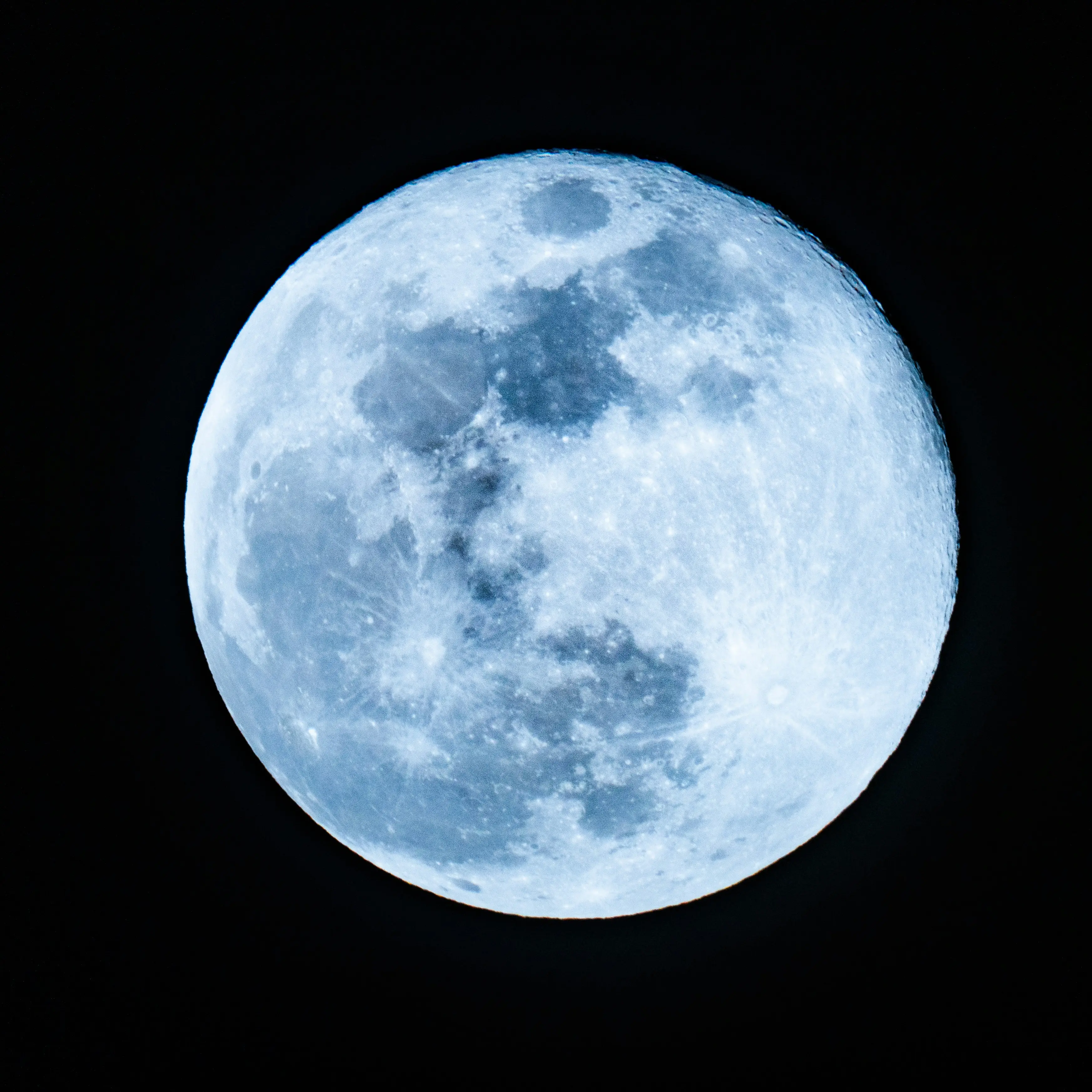
The original Blue Moon
While we believe that Blue Moon means a rare moon, it is not limited to just one type of Full Moon. In fact, it never started as a term used in the conventional sense we know of today. A writer of a major astronomy magazine made a mistake in a 1956 article, giving the world this commonly known Blue Moon. So, which is the original Blue Moon?
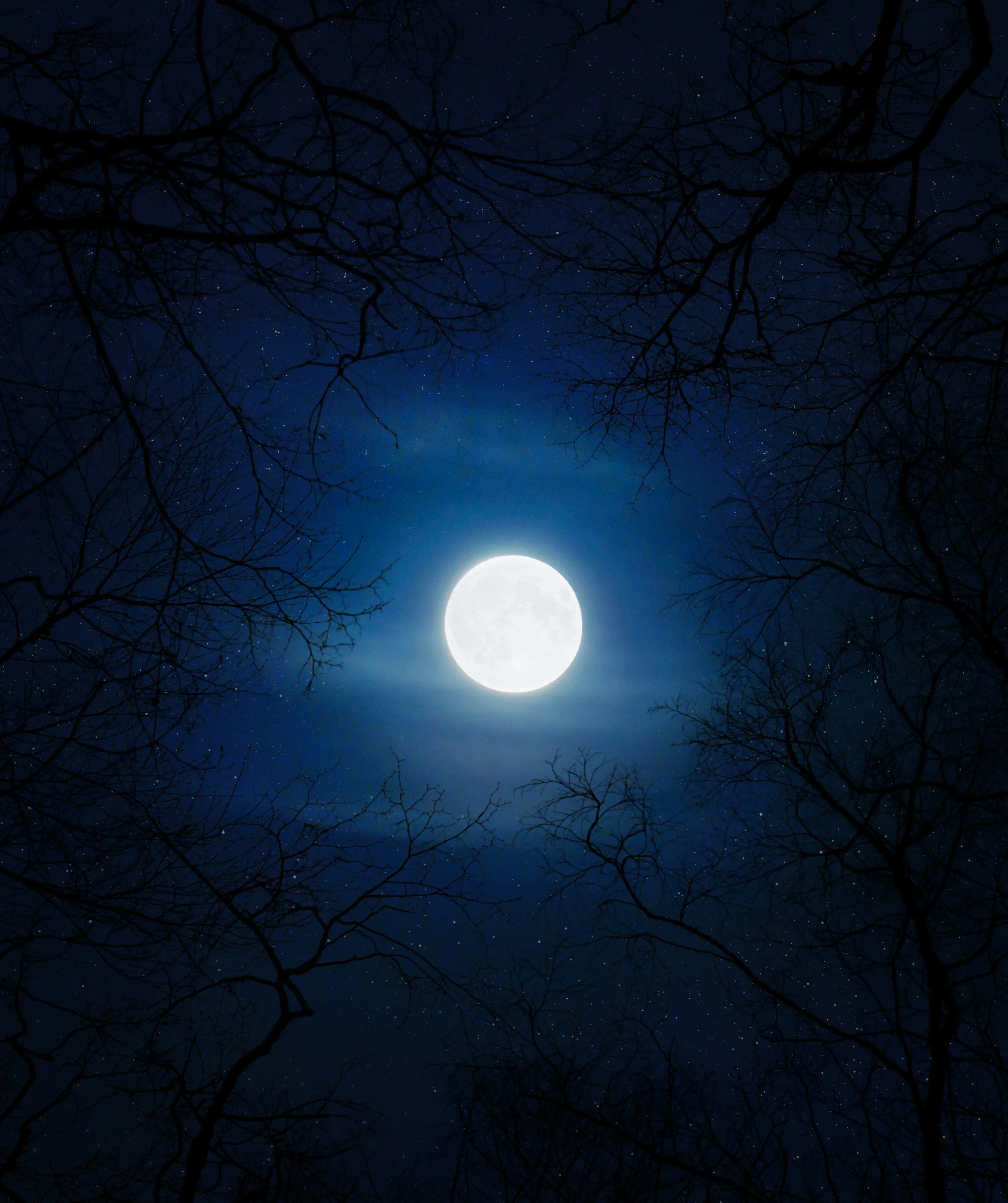
What is Blue Moon? Calendar-month Blue Moon, the one we commonly know
This is the Blue Moon that we will have on May 30-31, 2026. The first Full Moon of May happened on May 1, which was a Flower Full "Micromoon". When the same month has a second Full Moon, it is known as a Blue Moon. This month is seeing a rare "double" lunar display.
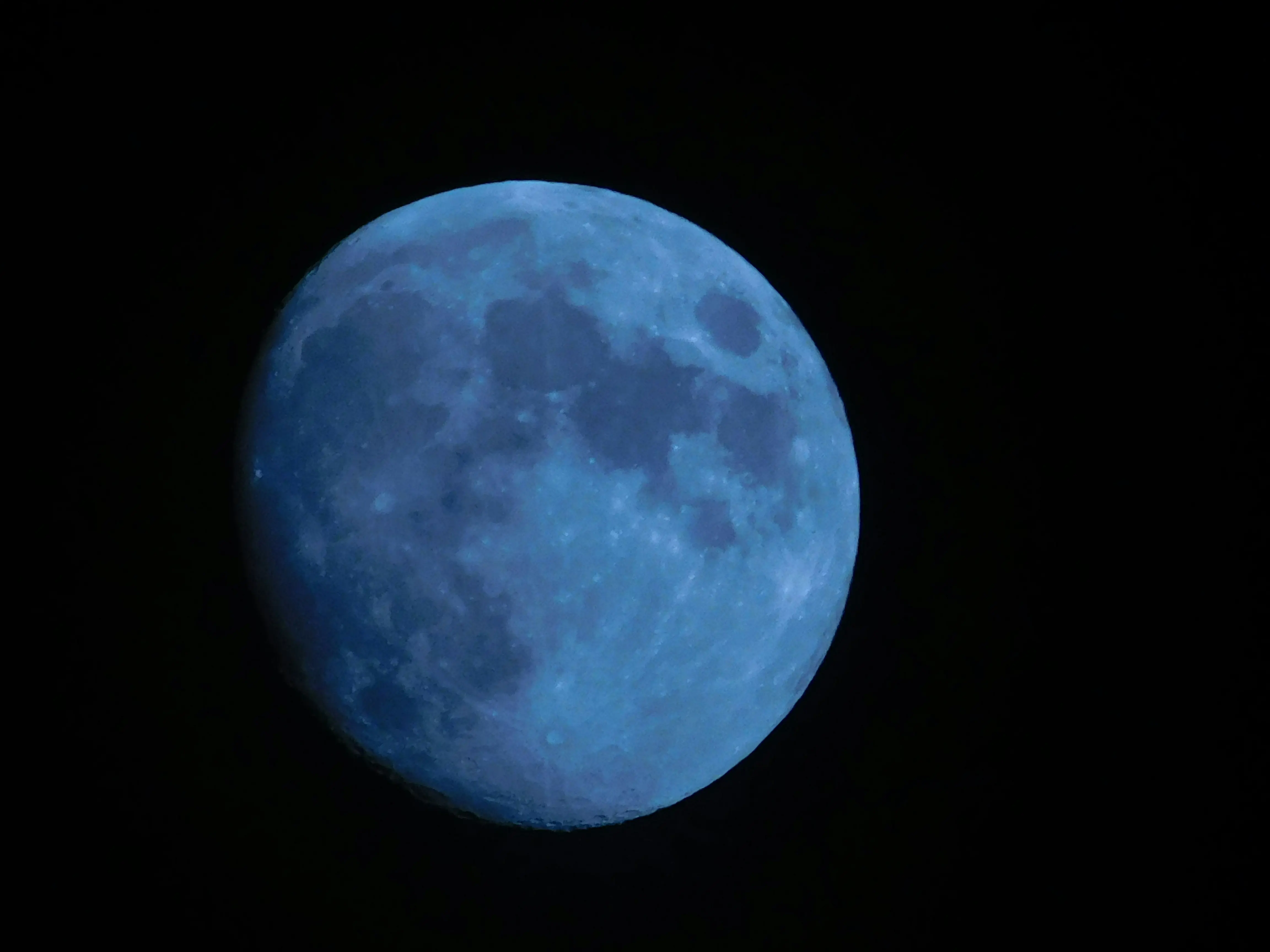
Seasonal Blue Moon
This is the Full Moon for which farmers and astronomers traditionally used the term. Each season comprises three months, and each month has a Full Moon. But sometimes you can have four Full Moons in one season. When this happens, we get a Blue Moon. However, instead of the fourth Full Moon, the third one is called a Blue Moon.
Reason for Blue Moon
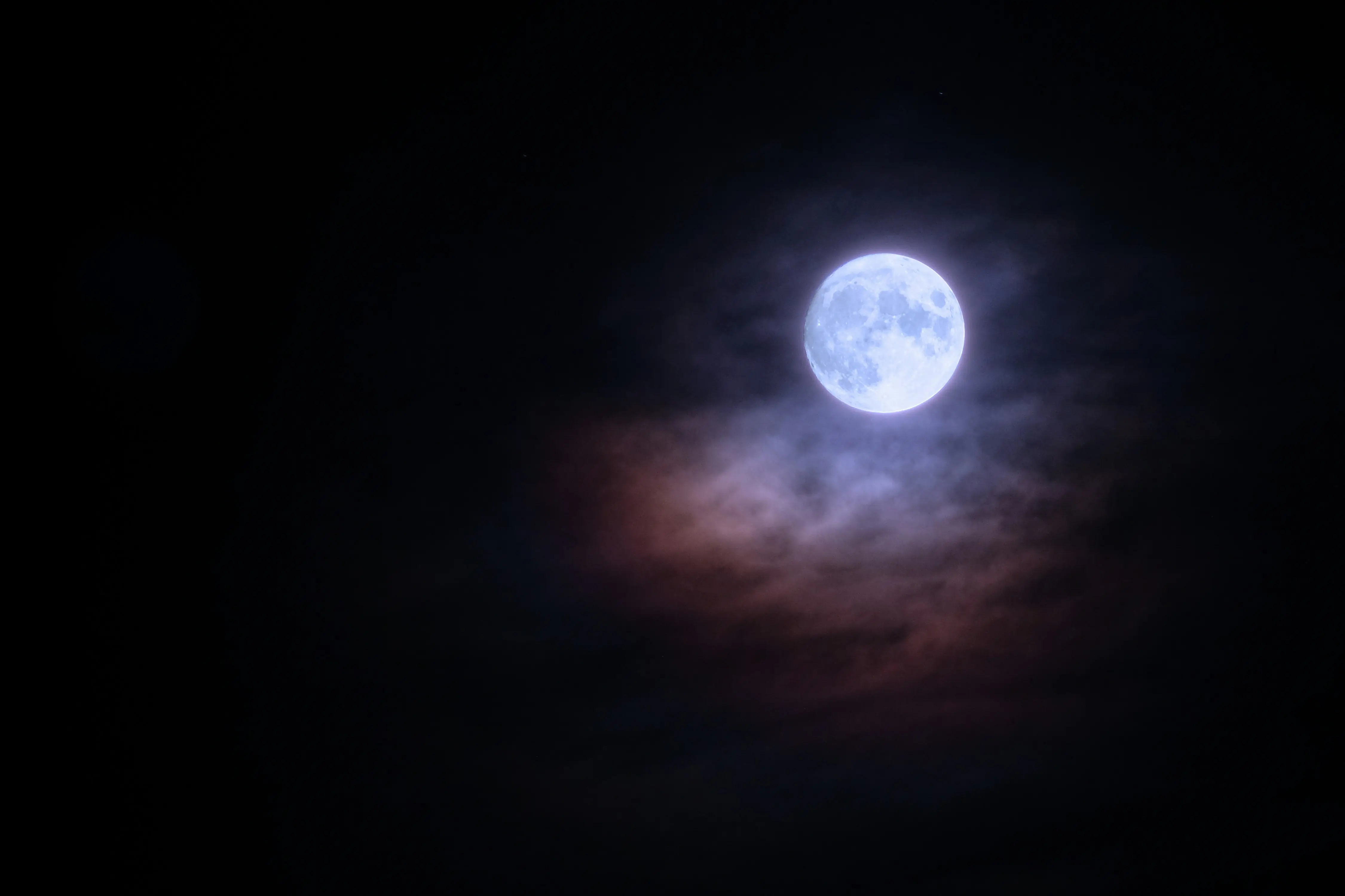
The reason for a Blue Moon, or 13 Full Moons in 12 months, comes down to a simple mismatch between the lunar cycle and our solar calendar. A typical solar year has about 365.24 days, while a "lunar year" (12 full lunar cycles) is only about 354 days long. This 11-day difference between the solar and lunar years adds up, and every 2.7 years, a 13th full moon occurs.
Next Calendar-month Blue Moon
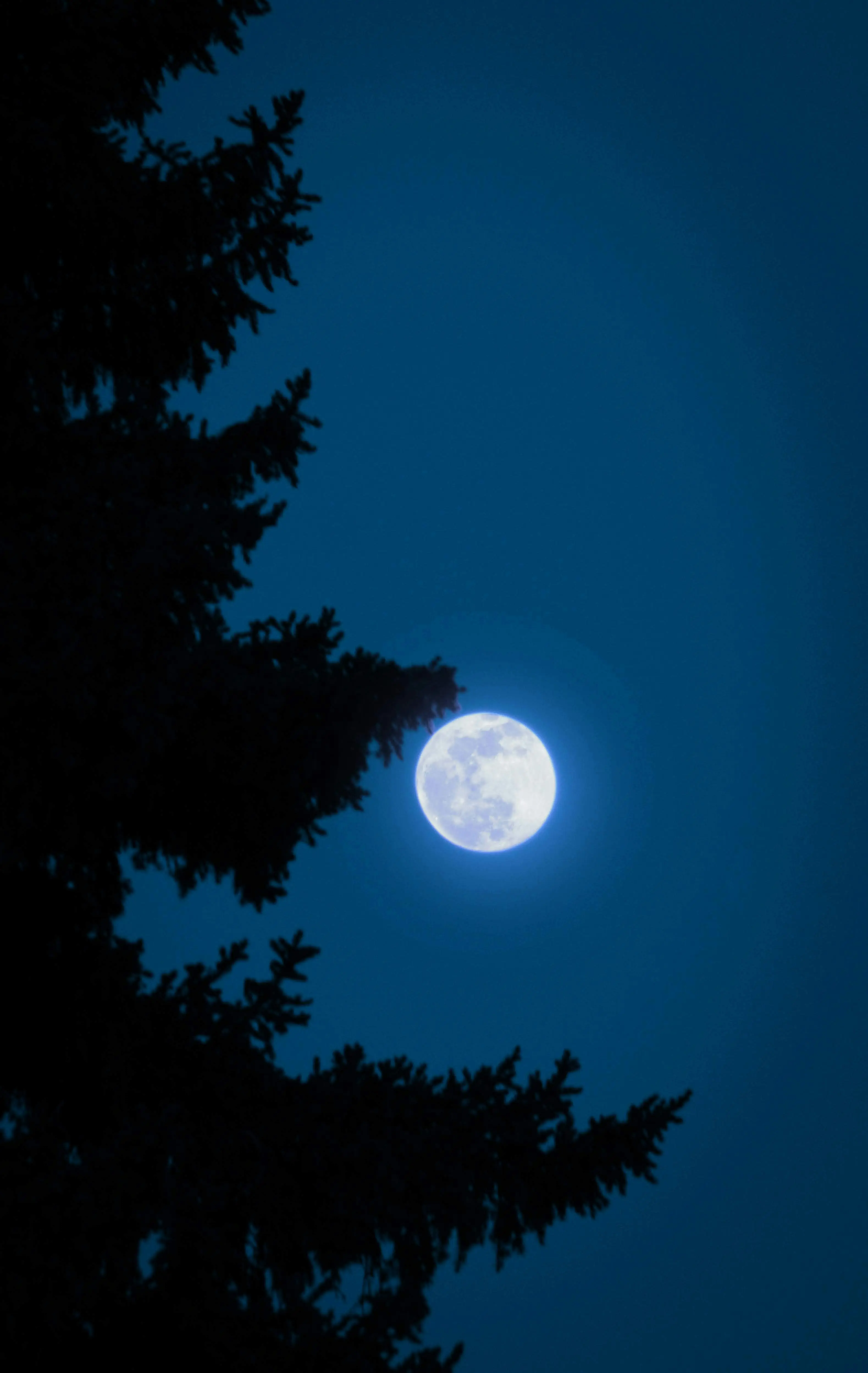
The next Calendar-month Blue Moon is happening on May 30, 2026. Astronomers can calculate the days and tell the exact dates of upcoming Blue Moons. This type of Blue Moon happens seven times every 19 years. These are the dates for the Blue Moon in the current cycle -
March 31, 2018
October 31, 2020
August 31, 2023
May 31, 2026
December 31, 2028
September 30, 2031
July 31, 2034
January 31, 2037
Next Seasonal Blue Moon
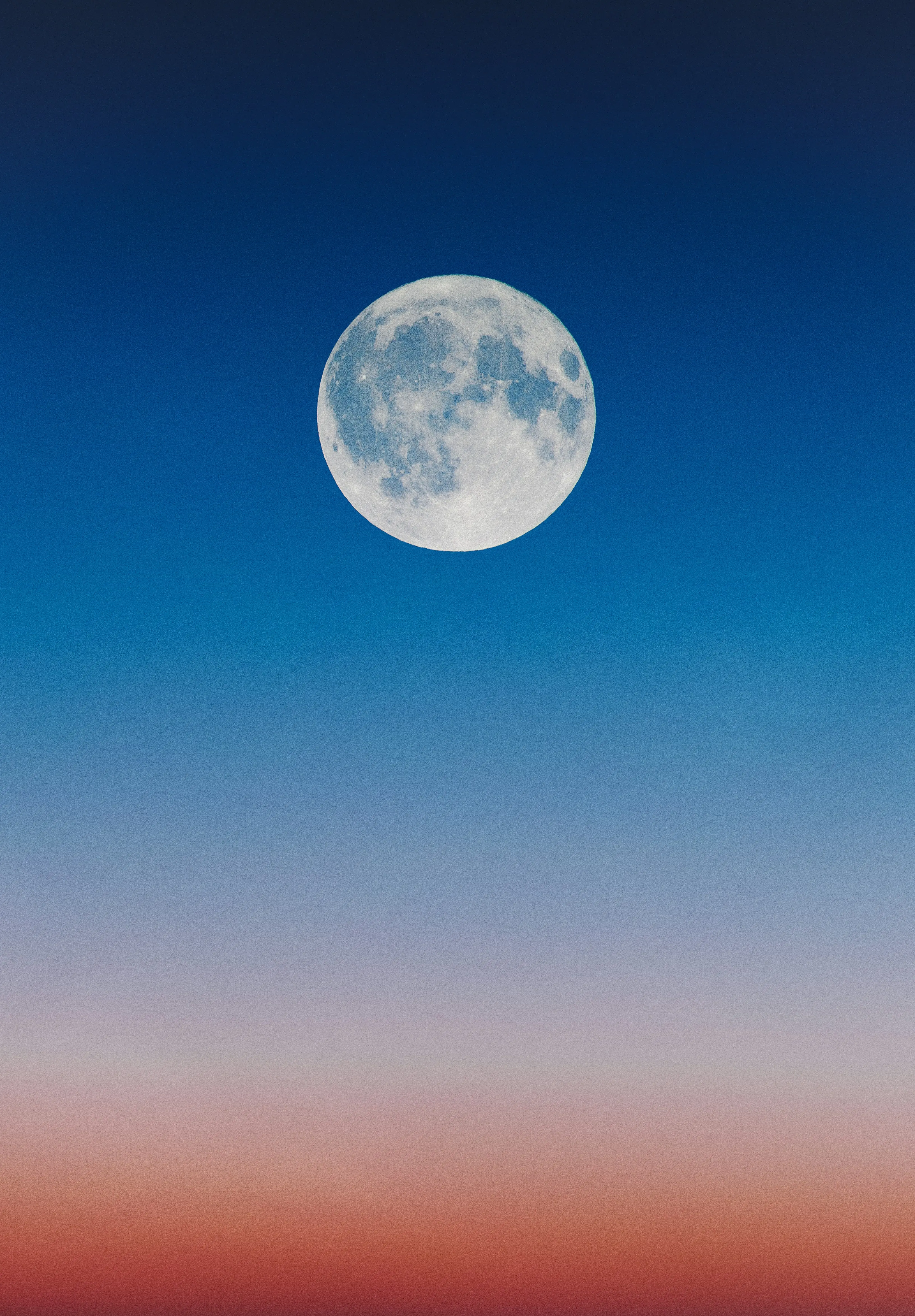
Seasonal Blue Moons occur because there are 235 full moons but only 76 seasons. They also occur roughly seven times every 19 years, and the period is known as the Metonic cycle. Here is a list of upcoming Seasonal Blue Moons -
May 20, 2027
August 24, 2029
August 21, 2032
May 22, 2035
May 18, 2038
August 22, 2040
August 20, 2043
Why is the third Full Moon called Blue Moon instead of the fourth one?
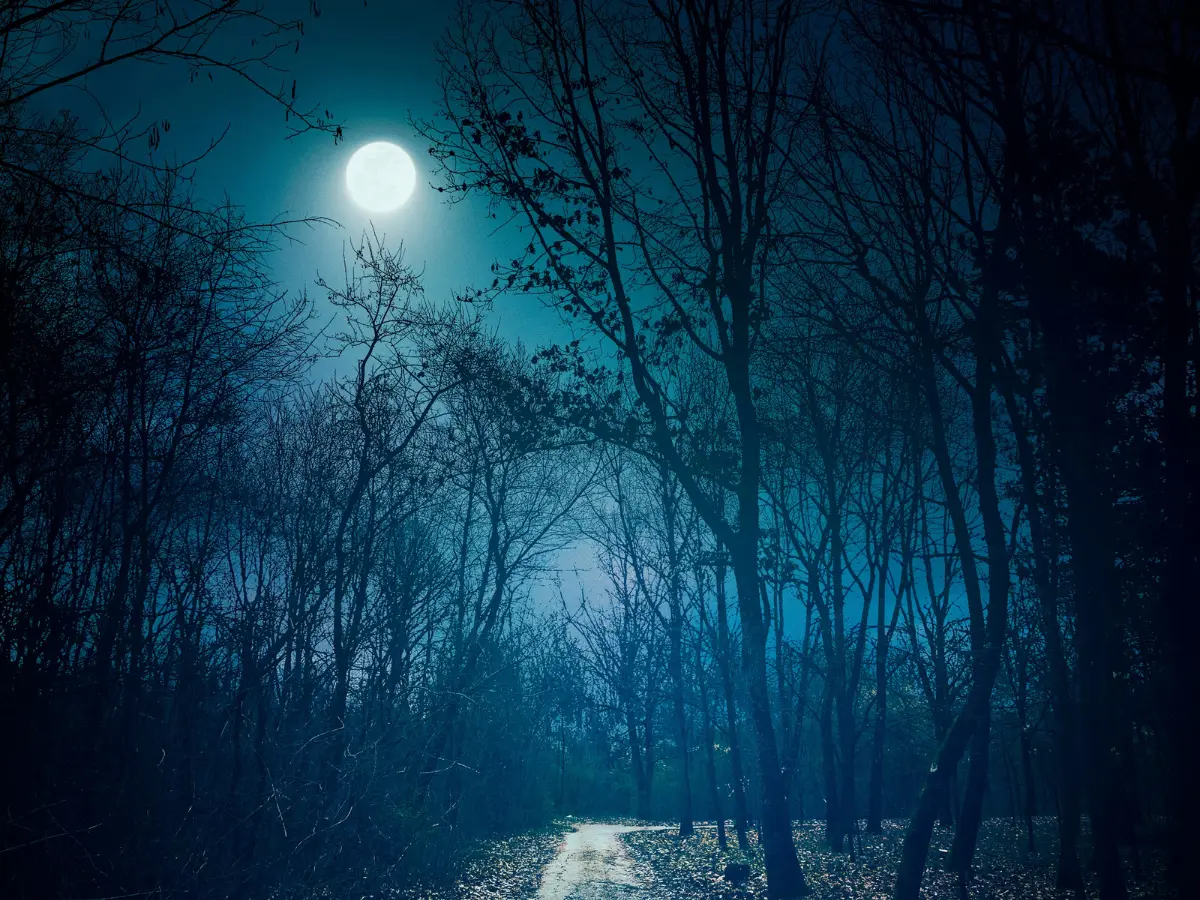
Moons that signal the start or end of a season have specific names, such as the Harvest Moon. If the fourth Moon were called the Blue Moon, the named moons would be pushed into the wrong season. Having the third Full Moon be known as the Blue Moon ensures that the last one of the season retains its proper name.
)
)
)
)
)