‘Beyond visible light’: Why do scientists use infrared telescopes to search for signs of alien life?

Scientists use infrared telescopes like the US$10 billion James Webb to hunt for alien life. Infrared light easily penetrates thick cosmic dust and reveals clear chemical signatures of biological gases like methane and carbon dioxide hiding in distant exoplanet atmospheres.

Seeing Through the Dust
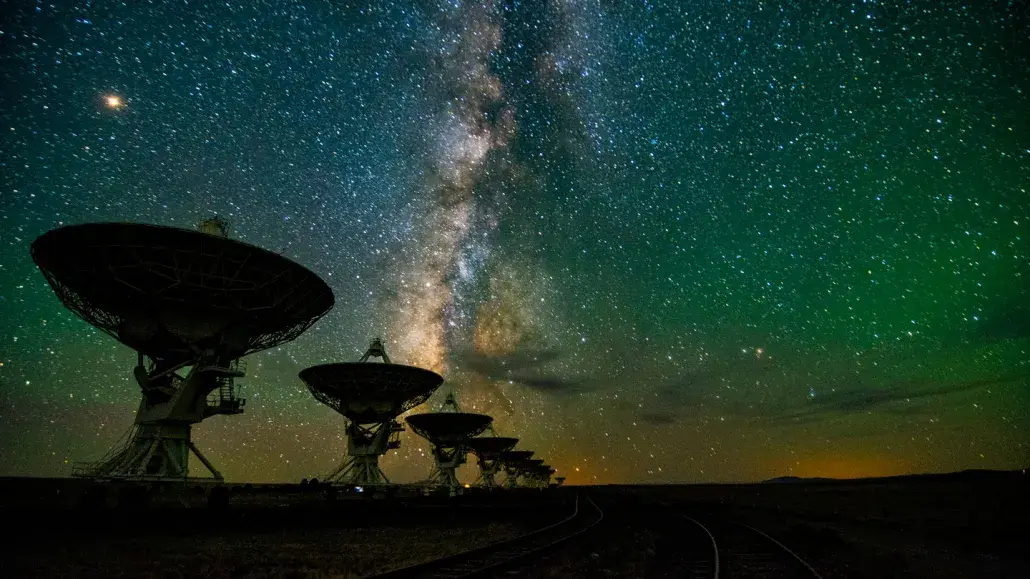
Visible light gets easily blocked by the thick clouds of cosmic dust scattered across our galaxy. Infrared telescopes can peer directly through this dense debris to spot distant planets hidden in the dark.
The Redshift Effect
As the universe rapidly expands, light travelling from distant star systems stretches out over time. By the time it finally reaches Earth, this visible light has naturally shifted into the infrared spectrum.
Spotting Chemical Fingerprints
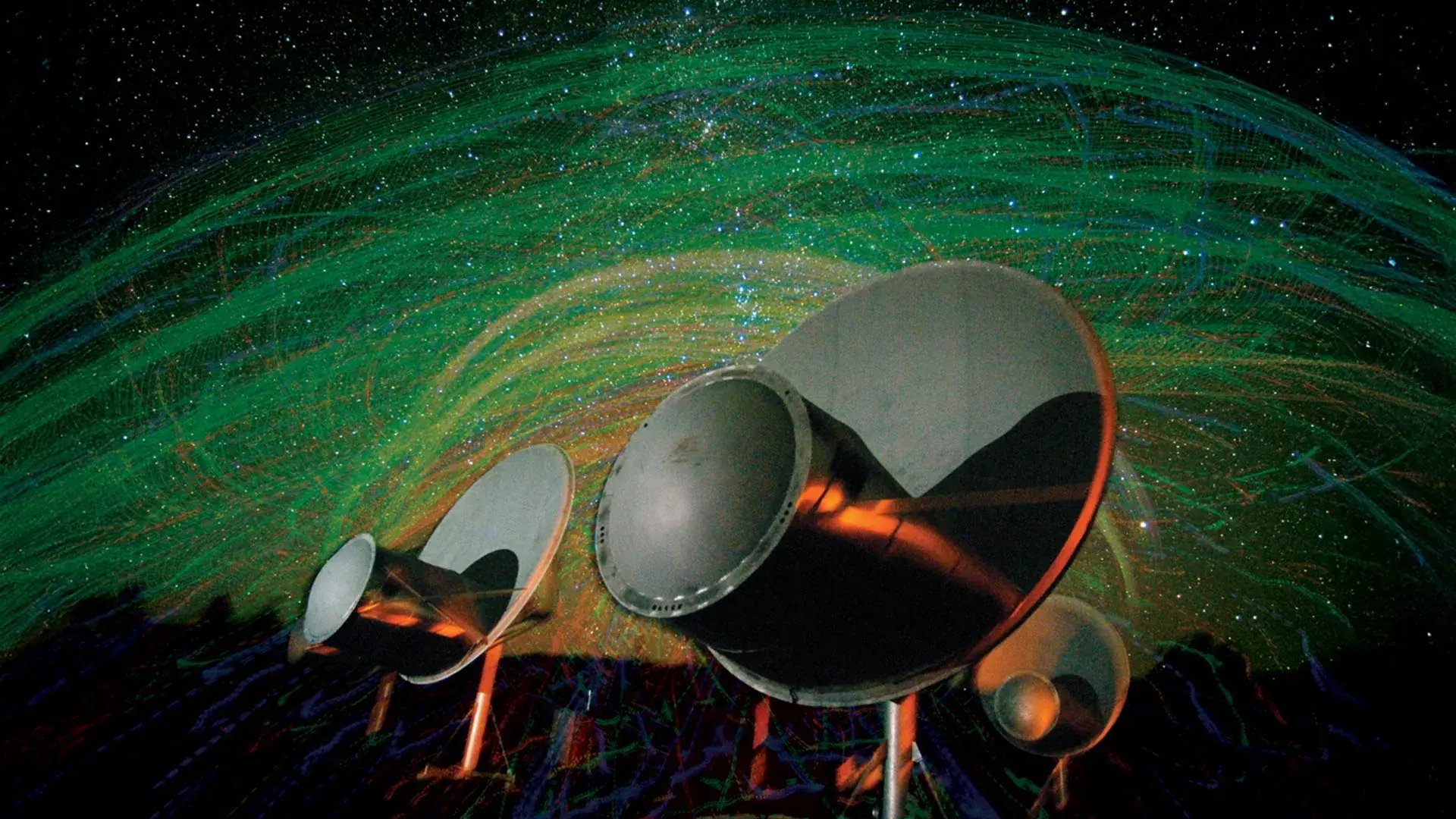
When starlight filters through an exoplanet's atmosphere, different gases absorb specific light frequencies. Scientists use infrared instruments to analyse these missing gaps and identify the exact chemical makeup of the alien world.

Hunting for Biosignatures
Living organisms actively produce specific atmospheric gases like methane, oxygen, and carbon dioxide. These critical biological markers leave their strongest and clearest molecular signatures strictly within infrared light.

Observing Cooler Stars
Red dwarf stars are the absolute most common type of star found within the Milky Way galaxy. Because they burn much cooler than our Sun, they emit almost all of their energy as infrared radiation.

Detecting Waste Heat
Advanced alien civilisations might build massive orbital structures to harvest vast amounts of stellar energy. Telescopes can scan the deep cosmos for the faint infrared glow of industrial waste heat radiating from these theoretical megastructures.

The Webb Observatory
NASA launched the US$10 billion James Webb Space Telescope specifically to dominate this vital infrared spectrum. This massive orbital observatory is currently scanning distant exoplanets to find the first definitive proof of biological activity.