Can S-400 detect and intercept satellites in space?

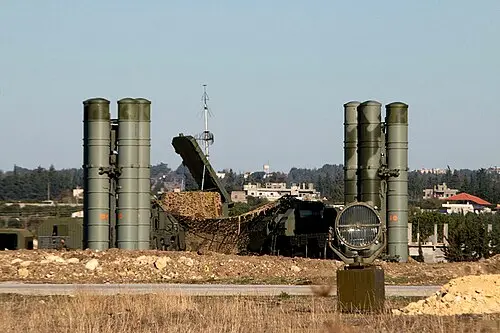
The system is explicitly engineered to detect and engage high-speed, high-altitude threats such as short- and medium-range ballistic missiles during their terminal phases.
Introduction: what the question really means
The S-400 Triumf is often described as a long-reach, multi-role air-defence system. That reputation prompts a natural question: can the same sensors that spot aircraft and cruise missiles also detect and track objects in space, satellites, debris or re-entry vehicles beyond 30 km altitude? The short answer is: the S-400 has meaningful high-altitude detection and ballistic-tracking capability, but it is not a dedicated space-surveillance system. Knowing where its strengths and limits lie matters for planners who must integrate air, missile and space domains.
How S-400 sensors are organised
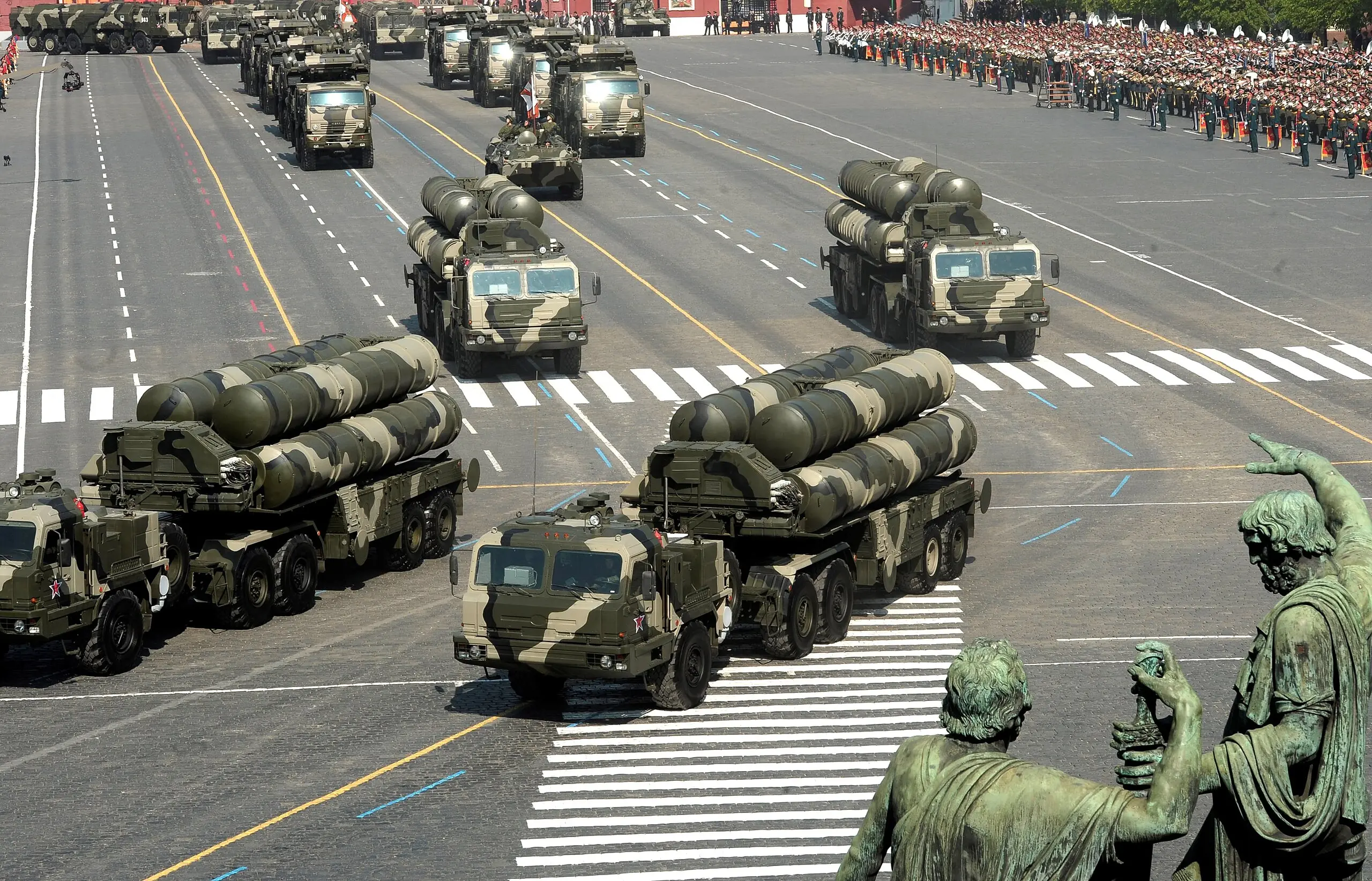
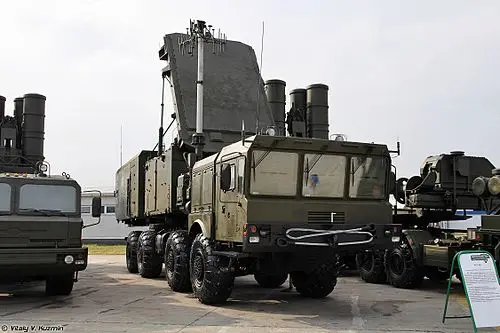
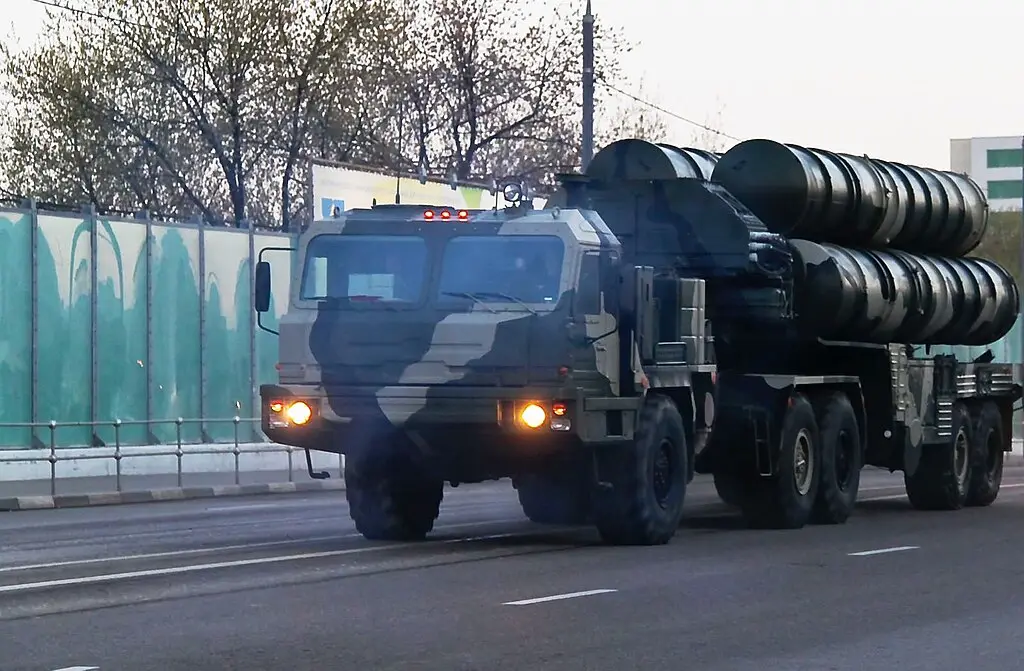
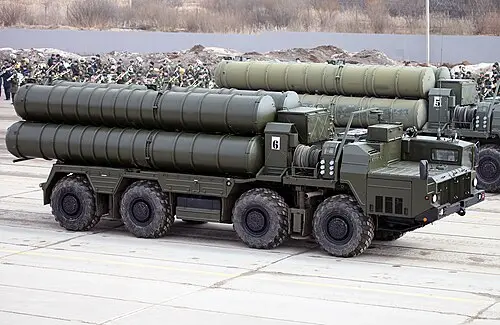
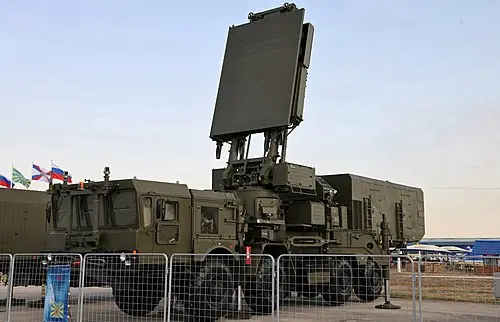
An S-400 regiment is a networked collection of radars and command elements. Panoramic surveillance radars sweep wide sectors to detect contacts; multifunction fire-control radars provide tracking and targeting; and specialised high-altitude detectors are tasked with long-range detection and ballistic-target acquisition. Together they create layered coverage intended to spot, classify and hand off targets to interceptors.
High-altitude tracking and ballistic missile detection
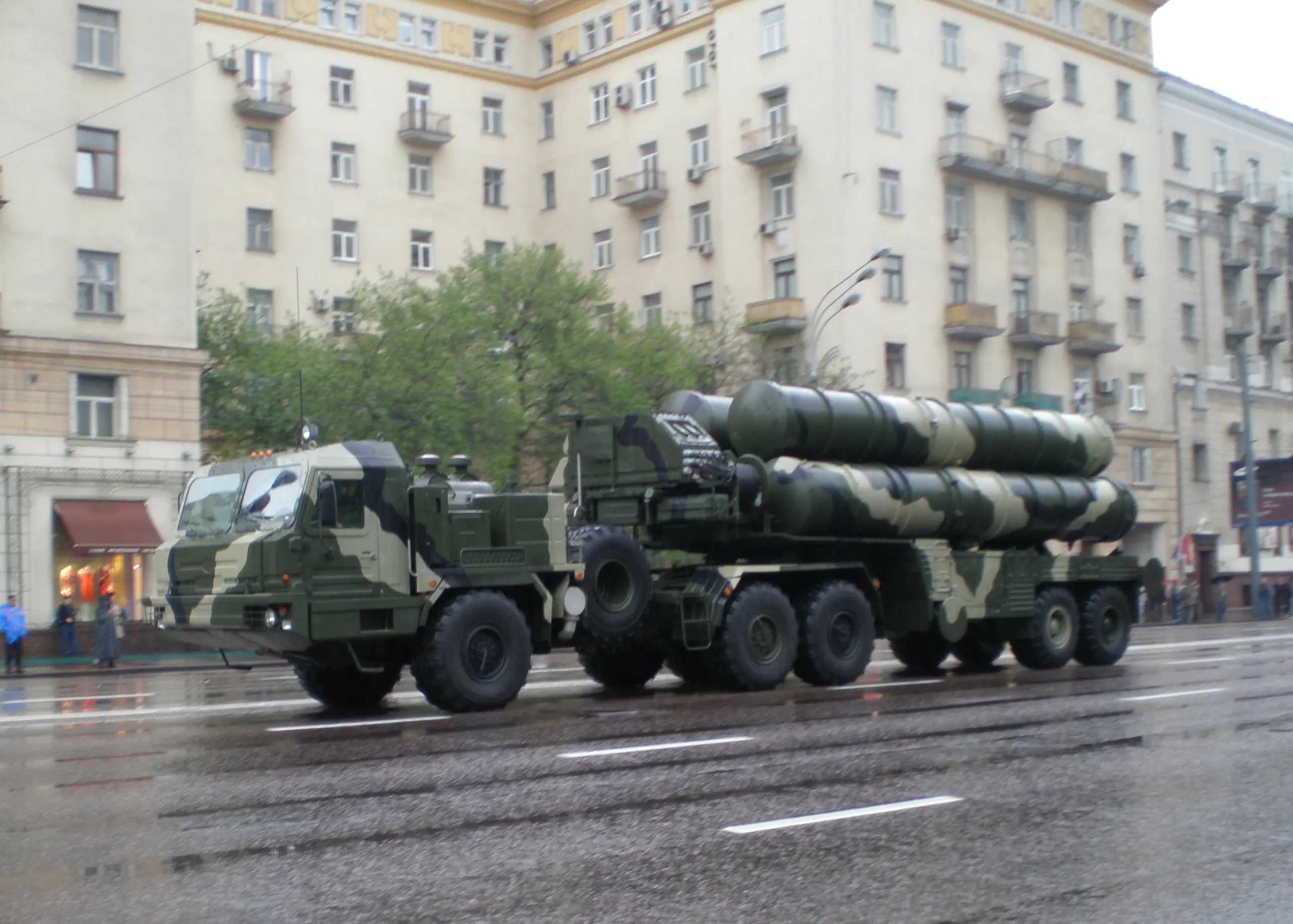
The system is explicitly engineered to detect and engage high-speed, high-altitude threats such as short- and medium-range ballistic missiles during their terminal phases. While S-400 radars are capable of detecting certain high-altitude objects, publicly available information does not confirm consistent detection above roughly 30 kilometres except under specific ballistic engagement conditions. This capability depends on radar power, elevation coverage and software tailored for high-velocity tracks.
Differences between space surveillance and air-defence tracking
Space surveillance is a distinct mission set. Tracking satellites or debris in orbit requires persistent, centimetre-accurate tracking over long durations and specialised processing to maintain orbital solutions. By contrast, S-400 radars are optimised for detection, short-term tracking and engagement of targets that will enter an engagement window within minutes. The system can detect an object during atmospheric re-entry or high-altitude flight, but it is not designed to catalogue and maintain orbital tracks over days and weeks.
Practical limits against satellites and debris
Operationally, the S-400 will struggle to detect small, high-altitude space objects until they re-enter the atmosphere or present a sufficiently large radar cross-section. Low-earth-orbit satellites and micro-debris have small signatures and require specialised space-domain sensors, dedicated phased-array space radars, telescopes and optical tracking, to be tracked reliably at range.
How S-400 contributes to a wider space-aware posture
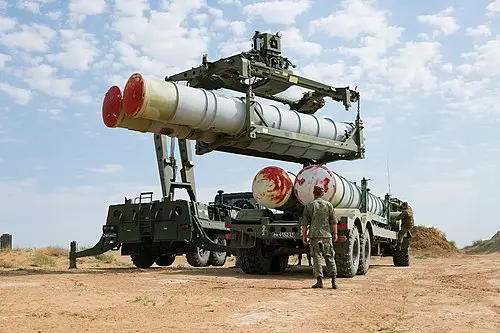
That said, S-400 can form a useful node within a wider space-aware architecture. Its ballistic-track data can be fed into national command centres and fused with satellite surveillance, early-warning radars and electro-optical sensors. In a layered defence, S-400 provides short-range, high-fidelity detection during the final phase of a high-altitude threat’s descent, valuable for interception and attribution.
What would be needed for true space tracking
For persistent space situational awareness, militaries deploy dedicated assets: ground-based space surveillance radars, space-domain telescopes and signal-intelligence platforms. These are complemented by data from friendly satellites. Converting an S-400 into a sustained space-tracker would require major sensor, software and doctrine changes and still fall short of purpose-built space surveillance networks.
Conclusion: a strong high-altitude sensor, not a space surveillance system
The S-400 brings robust high-altitude detection and terminal ballistic tracking to any air-defence architecture. It can detect and help respond to threats that enter or skirt the upper atmosphere, but it is not a substitute for dedicated space-domain sensors. Effective defence against threats that originate or operate in orbit therefore depends on integrating S-400 data with specialised space surveillance assets and national command-and-control networks.
)
)
)
)
)