Beyond 10,000 metres! These military submarines defied the ocean’s limits

Over the decades, a handful of military submarines have stood out for venturing deeper than most, often in classified missions or experimental tests that pushed the limits of engineering and human endurance.
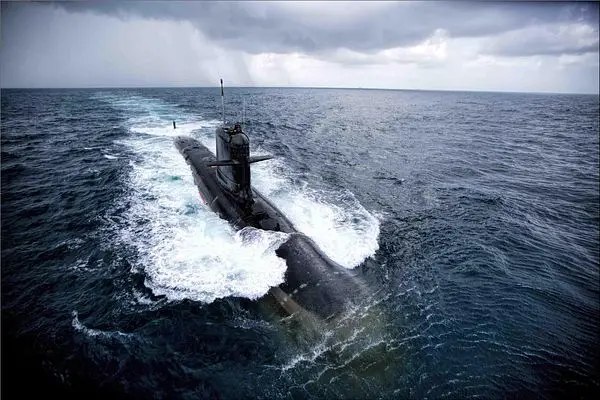
Record-breaking depths below the waves
Submarines have long fascinated military planners and naval historians alike, not only for their stealth and striking power, but for their ability to reach the crushing depths of the world’s oceans. Over the decades, a handful of military submarines have stood out for venturing deeper than most, often in classified missions or experimental tests that pushed the limits of engineering and human endurance.
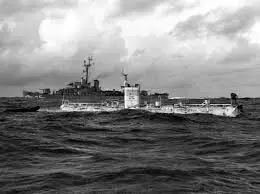
USS Trieste and the Mariana Trench descent
Perhaps the most iconic deep-dive achievement belongs to the bathyscaphe USS Trieste. In 1960, it carried US Navy Lieutenant Don Walsh and Swiss engineer Jacques Piccard to the Challenger Deep in the Mariana Trench, reaching approximately 10,911 metres (35,797 feet). Although Trieste was technically an experimental vessel rather than a combat submarine, its record remains a landmark in naval history, demonstrating that human crews could survive pressures more than 1,000 times greater than at sea level.
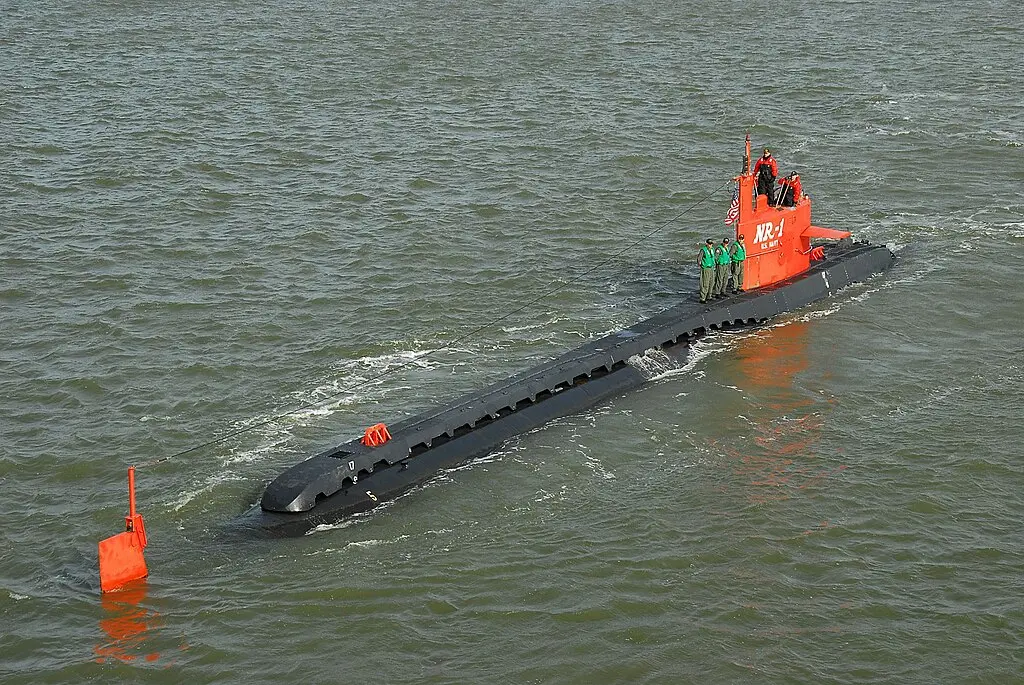
NR-1 and the depths of the Cold War
During the Cold War, the US Navy operated the nuclear-powered research submarine NR-1. Launched in 1969, it was designed to dive beyond 900 metres (around 3,000 feet). NR-1 was used to study the ocean floor, recover objects, and quietly monitor Soviet activity. Its exact maximum depth remains classified, but open-source estimates suggest it operated deeper than most conventional submarines of its time.
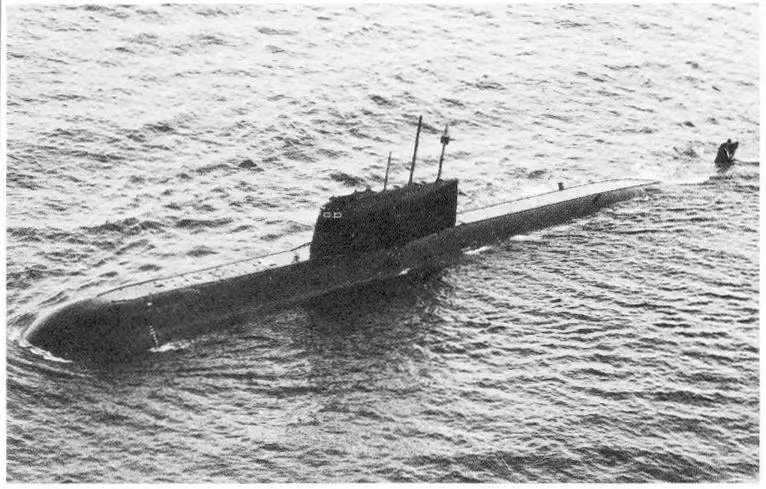
Soviet K-278 Komsomolets: a tragic record
The Soviet Union’s K-278 Komsomolets holds the record for the deepest dive by an operational combat submarine. In 1985, it reportedly reached around 1,020 metres (3,350 feet) during sea trials. Built with a titanium hull to withstand the enormous pressures, Komsomolets sadly sank in 1989 after a fire, taking 42 crew members with her.
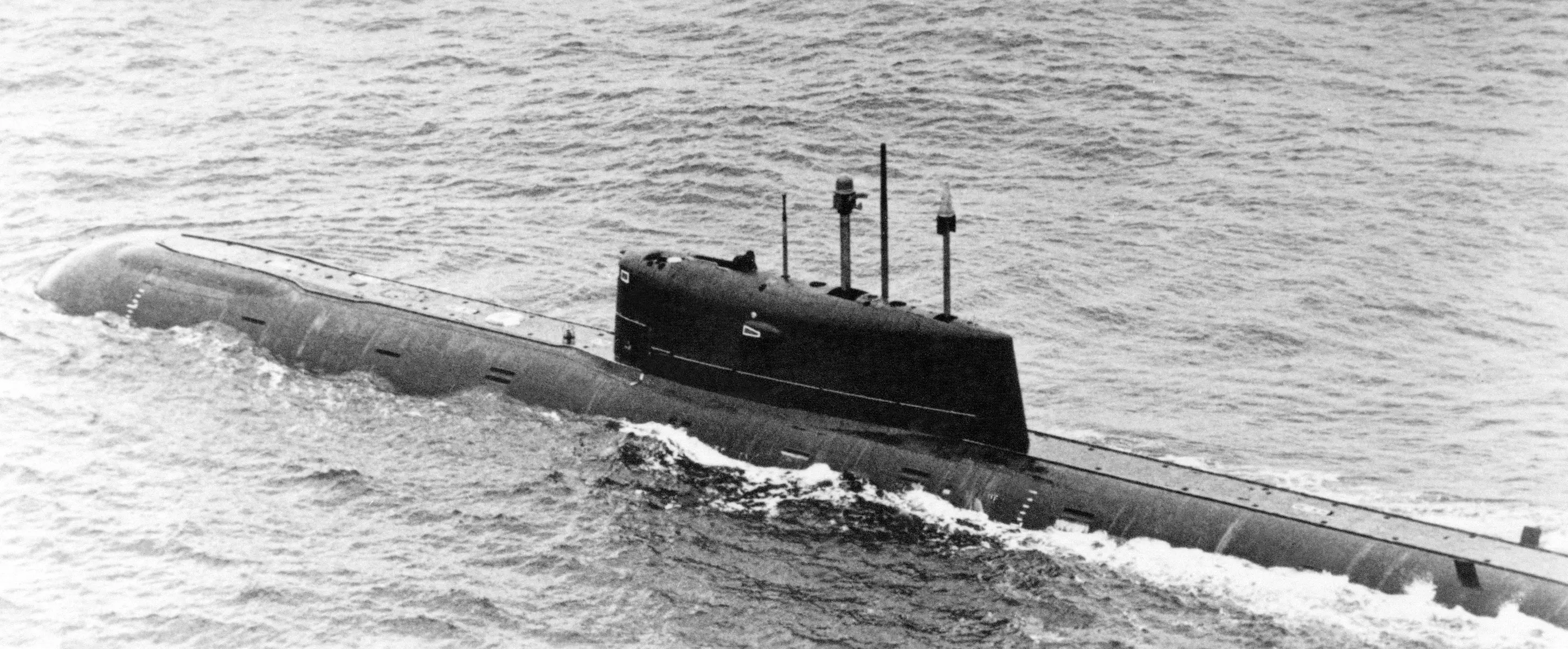
Deep-diving attack submarines
The Soviet Project 685 Plavnik (Mike-class) and certain experimental designs like the Project 1910 Uniform-class mini-subs also reached notable depths. Public estimates suggest dives beyond 800–1,000 metres. Western submarines, including the US Navy’s Seawolf-class attack subs, are known for significant diving depth, often quoted as over 600 metres (2,000 feet), though exact figures remain classified.
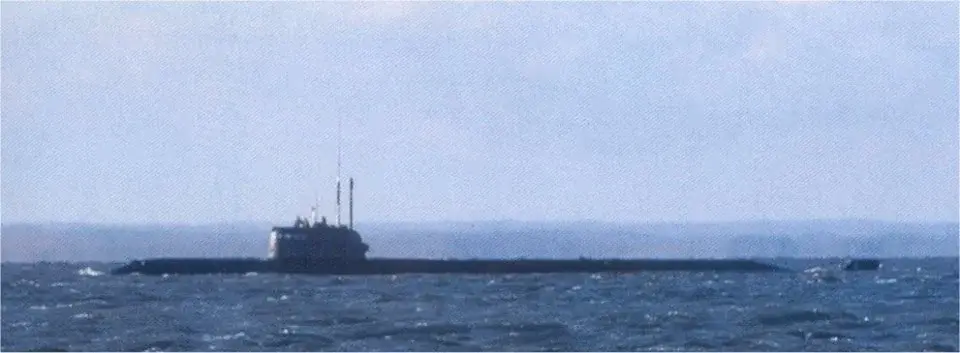
Special forces and rescue submersibles
Some of the deepest-diving military submersibles have been small rescue or special operations craft. The US Navy’s DSRV (Deep Submergence Rescue Vehicle) could reach depths around 610 metres (2,000 feet) to assist disabled submarines. Similarly, Russia’s AS-12 Losharik, an experimental nuclear-powered mini-sub, is rumoured to have a titanium hull enabling dives well below 1,000 metres, though official confirmation is scarce.
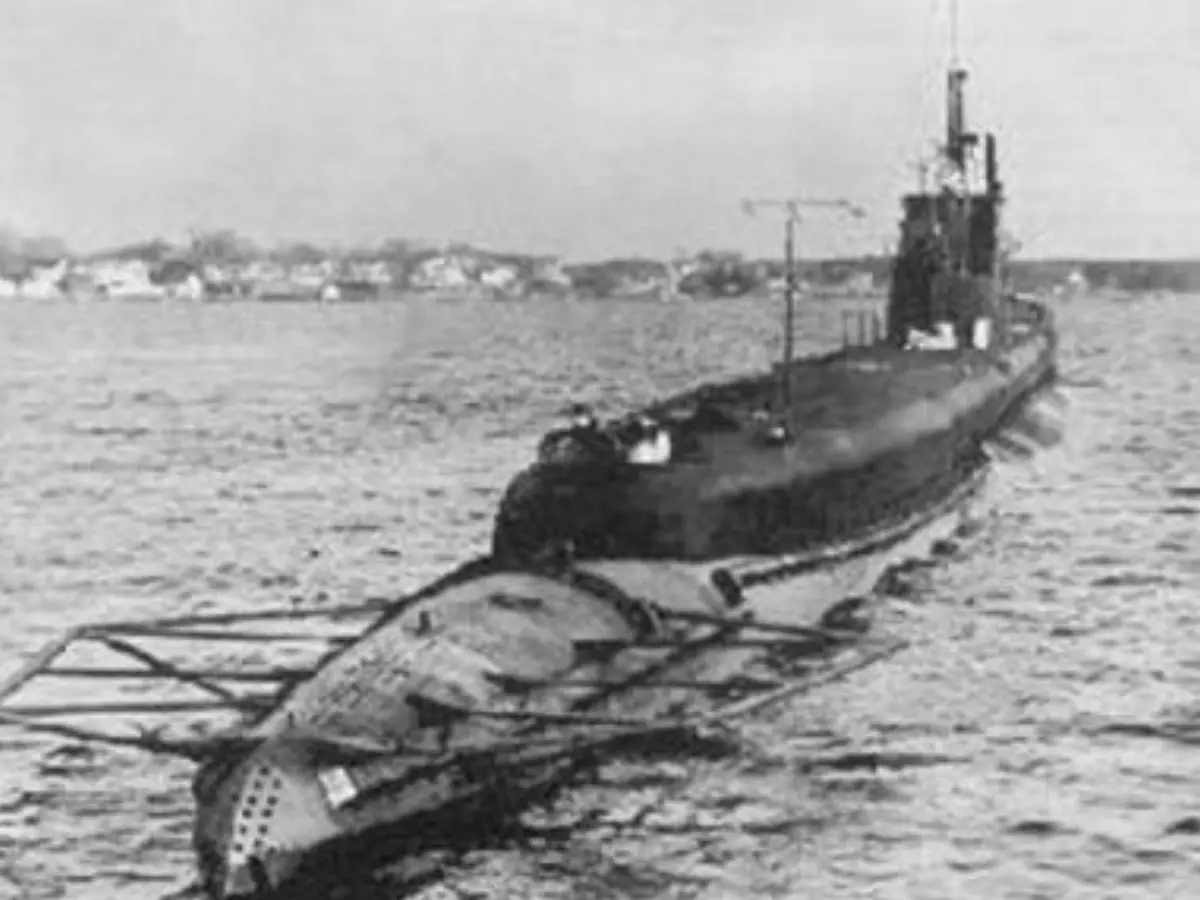
Beyond combat: why depth still matters
While today’s submarine warfare relies heavily on stealth, sensors and weapons rather than sheer depth, the ability to dive deeper can offer advantages: avoiding detection, surviving modern torpedoes, or operating on the sea floor for intelligence missions. Many of these record-holding submarines were as much technological testbeds as tools of military strategy.
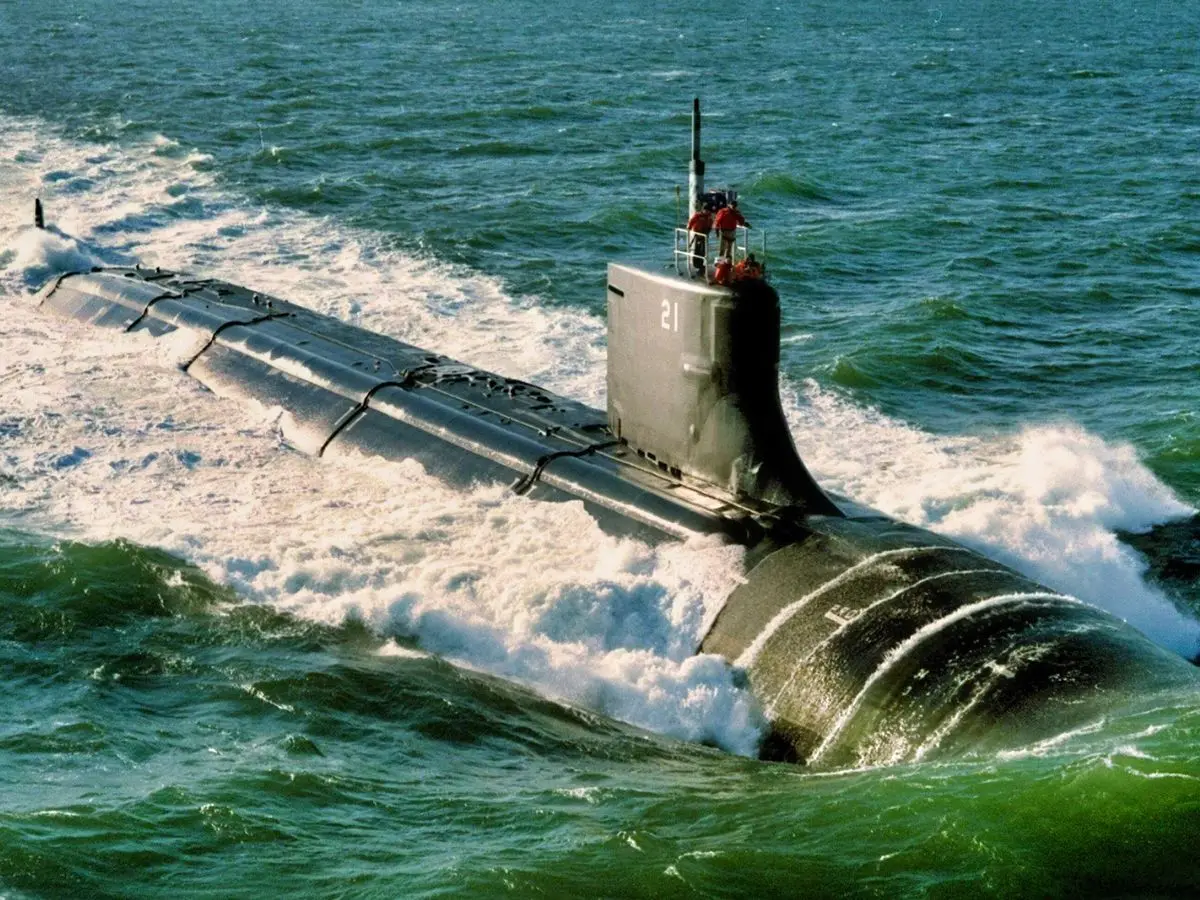
Quiet achievements below the surface
Most data on the true depths reached by military submarines remains classified, driven by the constant contest for undersea superiority. Yet the submarines that did make history, from Trieste’s record-setting dive to the tragic Komsomolets and the secretive NR-1, redecadflect es of innovation and risk, showing how far nations have gone to master the deep ocean.
)
)
)
)
)