Before GPS and drones, there was this: The B-52 bomber campaign that stunned the world

Before GPS, the 1972 Operation Linebacker II campaign used over 200 B-52 bombers to strike Hanoi. Dropping 15,000 tons of bombs, the fleet overcame lethal SAMs to force peace negotiations, despite losing 15 bombers.
The Christmas Bombings
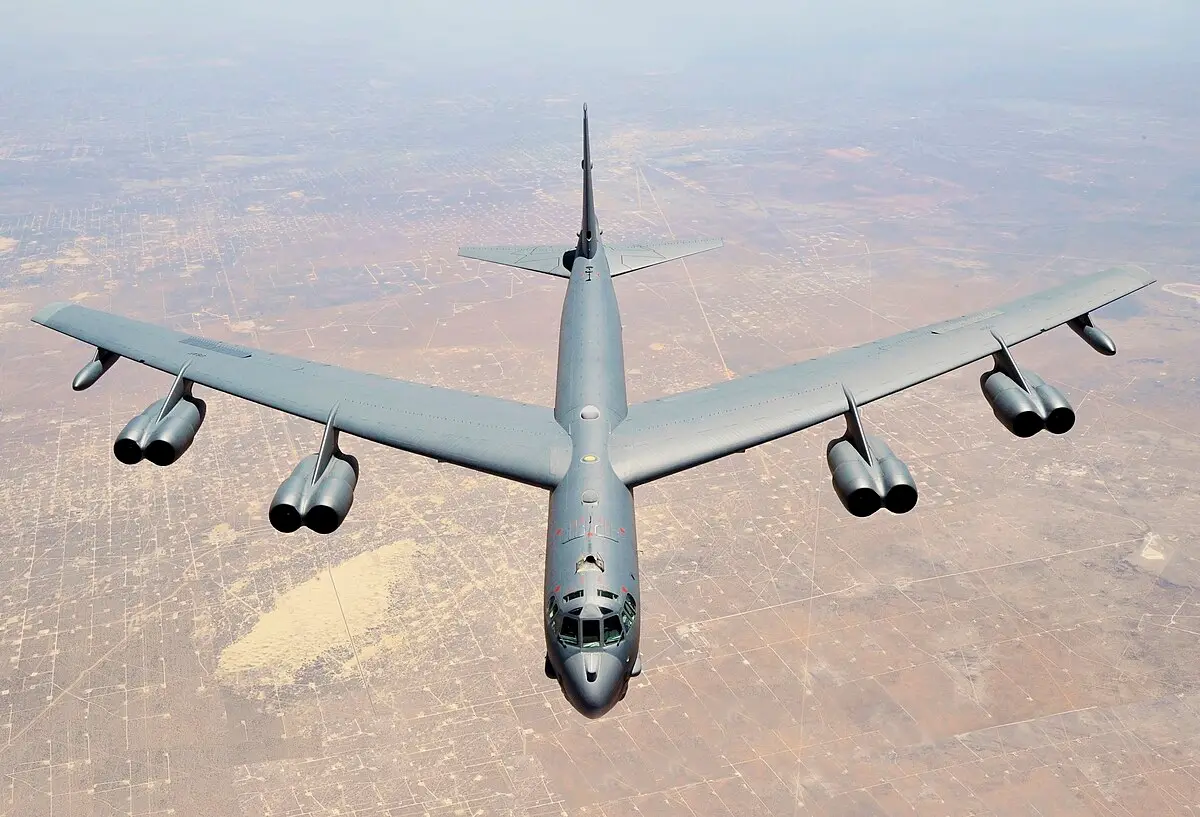
In December 1972, the US Air Force launched Operation Linebacker II, the largest heavy bomber campaign since World War II. Over 11 days, waves of Boeing B-52 Stratofortresses struck military and industrial targets in Hanoi and Haiphong.
A Massive Assembly
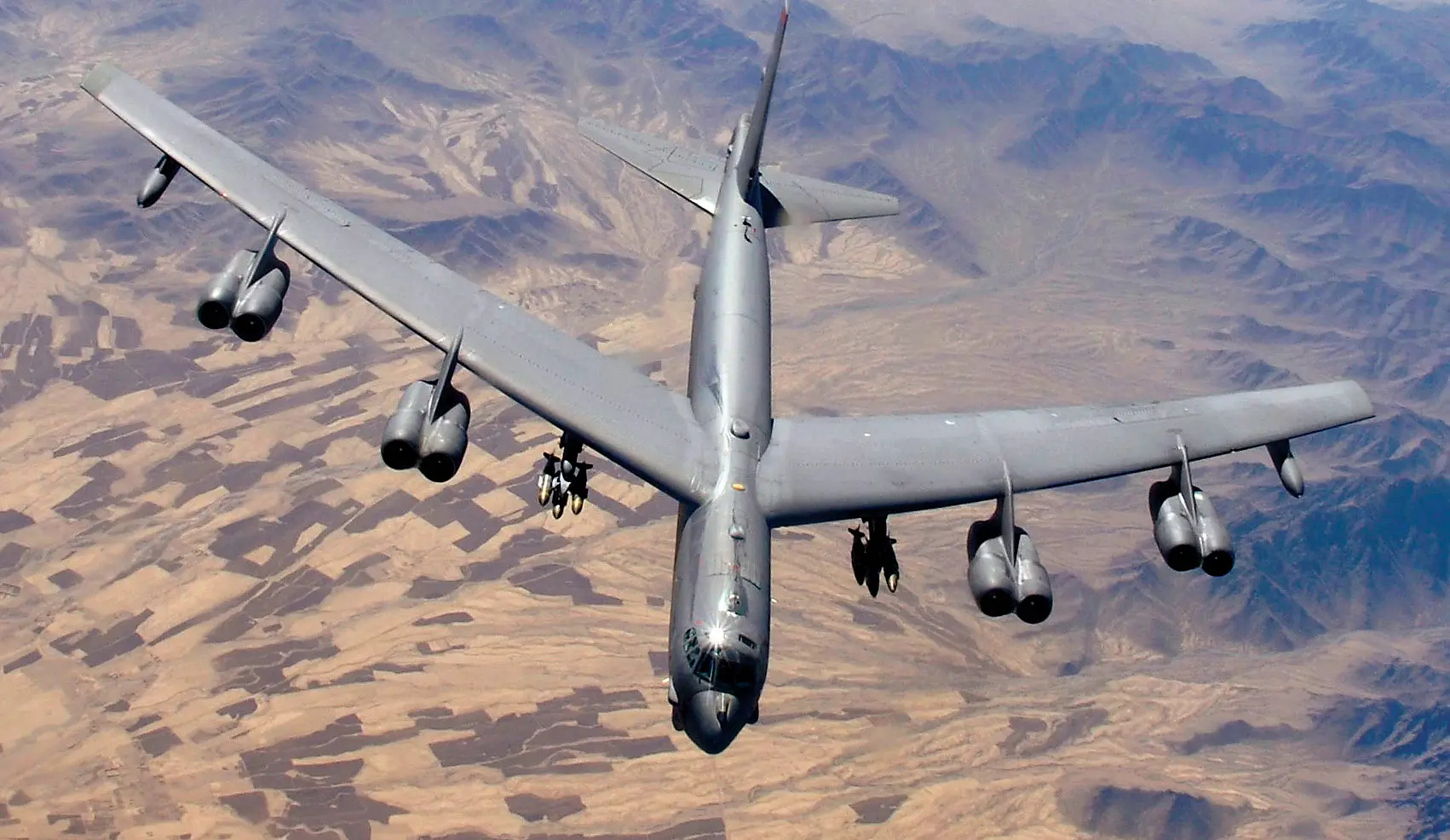
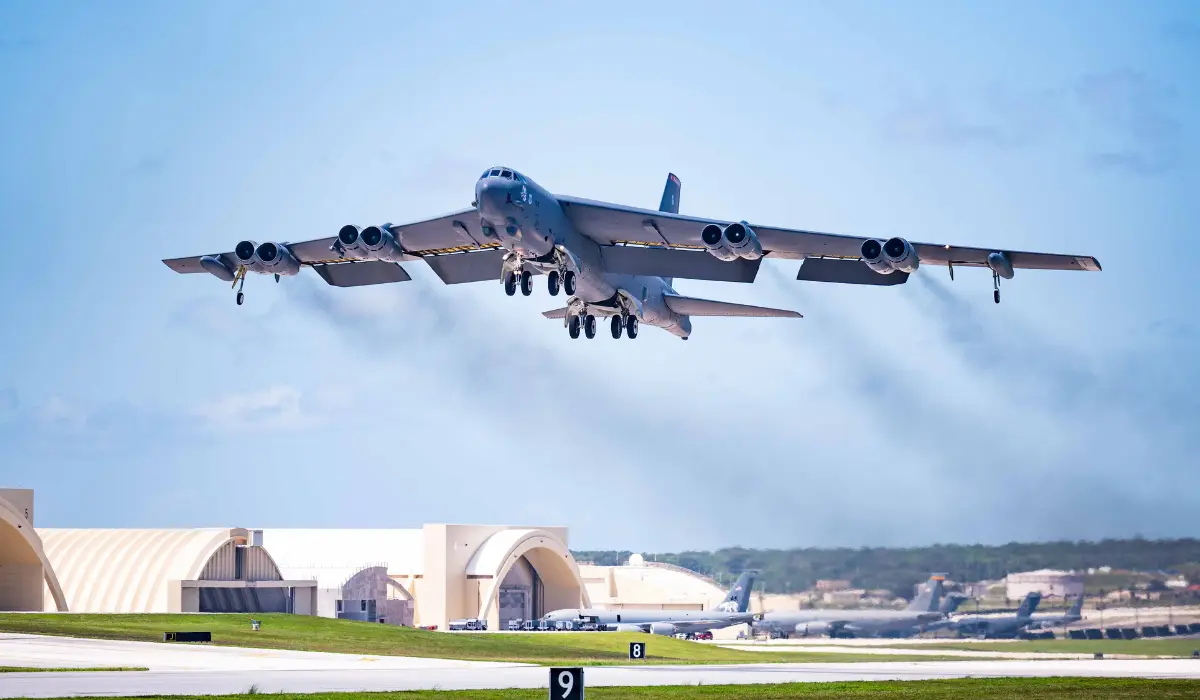
To force North Vietnam back to the peace table, the military assembled an enormous fleet of over 200 heavy bombers. These included 99 B-52Gs and 53 B-52Ds operating from Guam, alongside another 54 B-52Ds flying from Thailand.
Analogue Navigation
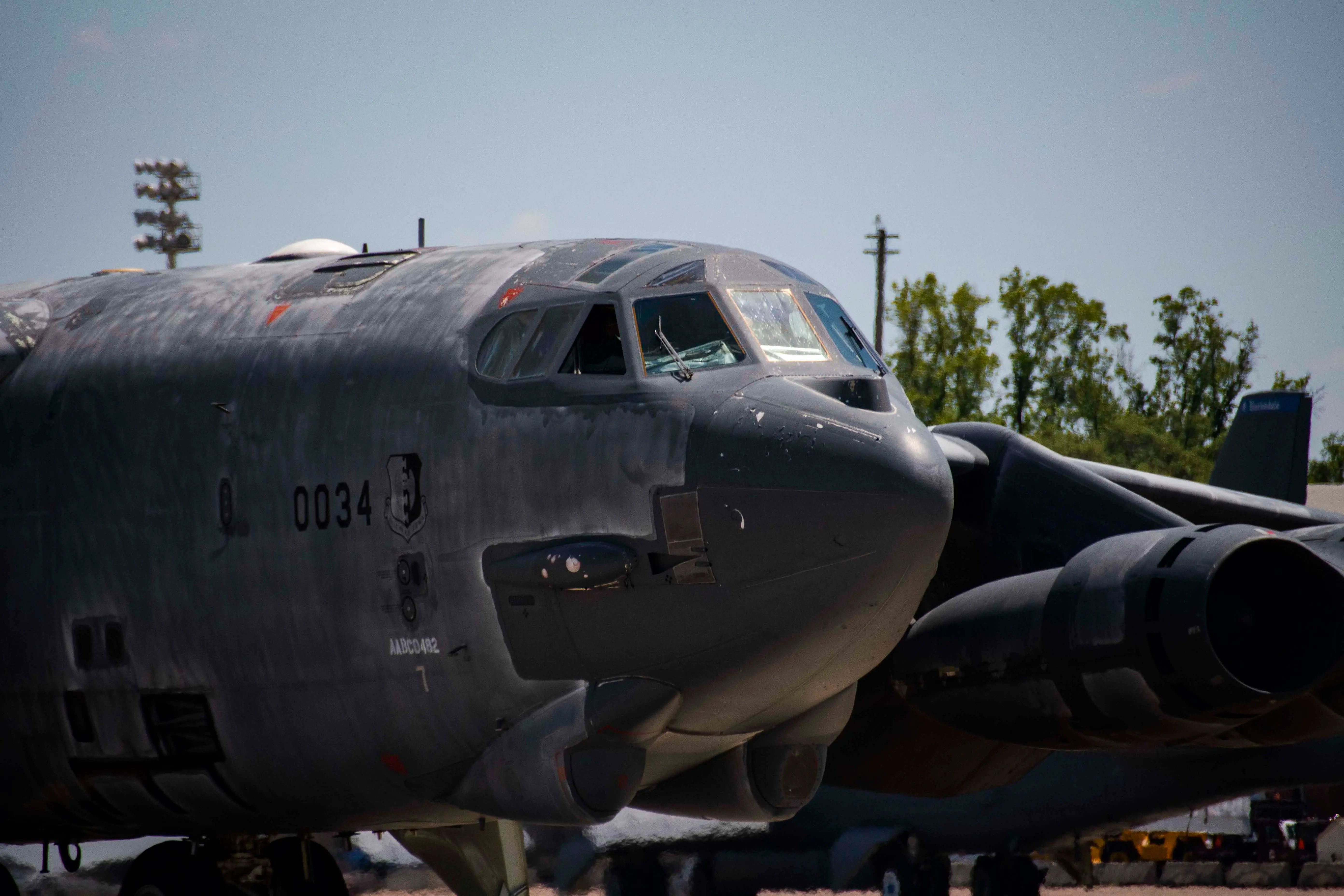
Decades before modern GPS or autonomous drones, these massive aircraft relied heavily on analogue radar and ground-controlled bombing. Flying at night, the B-52 crews navigated narrow corridors into heavily defended airspace using rudimentary electronics.
The SAM Threat
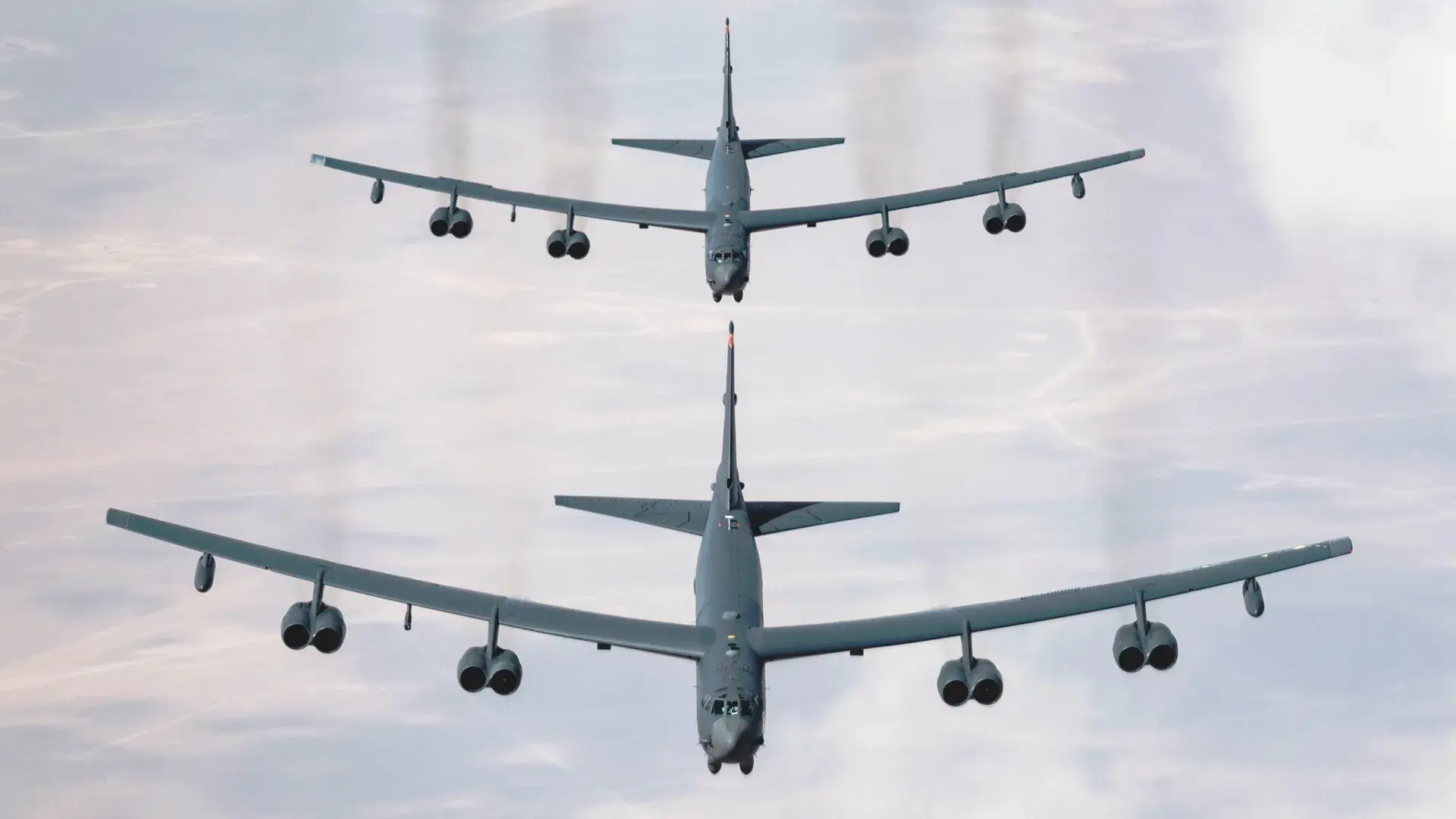
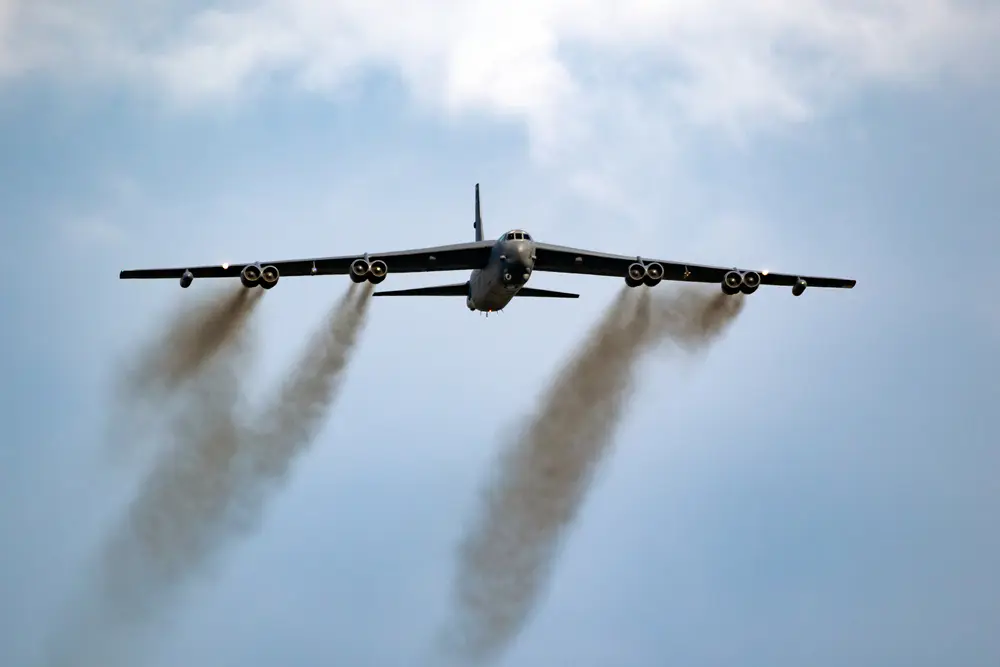
Initial tactics proved deeply flawed, as predictable flight paths and sharp turns negated the bombers' onboard electronic jammers. North Vietnamese forces launched hundreds of unguided SA-2 surface-to-air missiles, shooting down 11 B-52s before Christmas.
Changing Tactics
To regain the element of surprise, Air Force planners completely overhauled their approach by sending the bombers from multiple, unpredictable directions. This rapid tactical shift drastically reduced losses, with only four more B-52s destroyed during the remaining strikes.
A Devastating Payload
Despite the high price, the B-52 aircrews successfully dropped over 15,000 tons of ordnance on critical military targets during the campaign. The older B-52D variants were specifically modified under the ‘Big Belly’ programme to carry up to 108 conventional bombs.
Forcing a Resolution
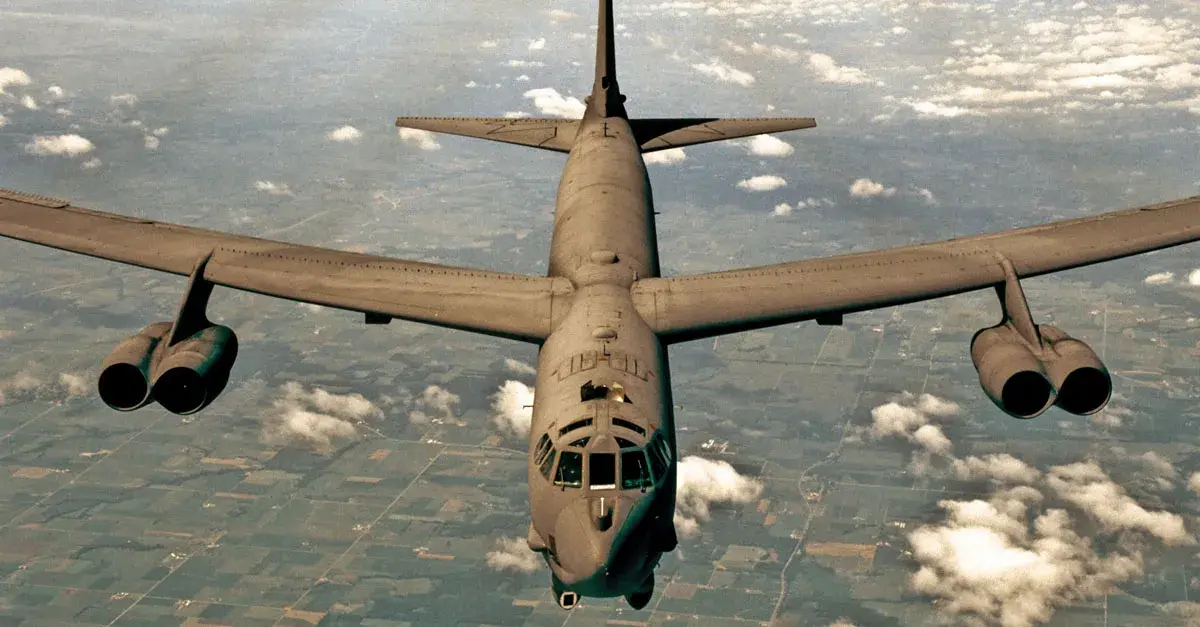
The staggering destruction achieved its strategic objective, effectively forcing the North Vietnamese to resume serious peace negotiations. However, the US acknowledged the loss of 15 B-52s, with 43 crew members killed in action and 49 taken prisoner.
)
)
)
)
)