B-1B Lancer vs B-2 Bomber: Comparing the evolution of stealth

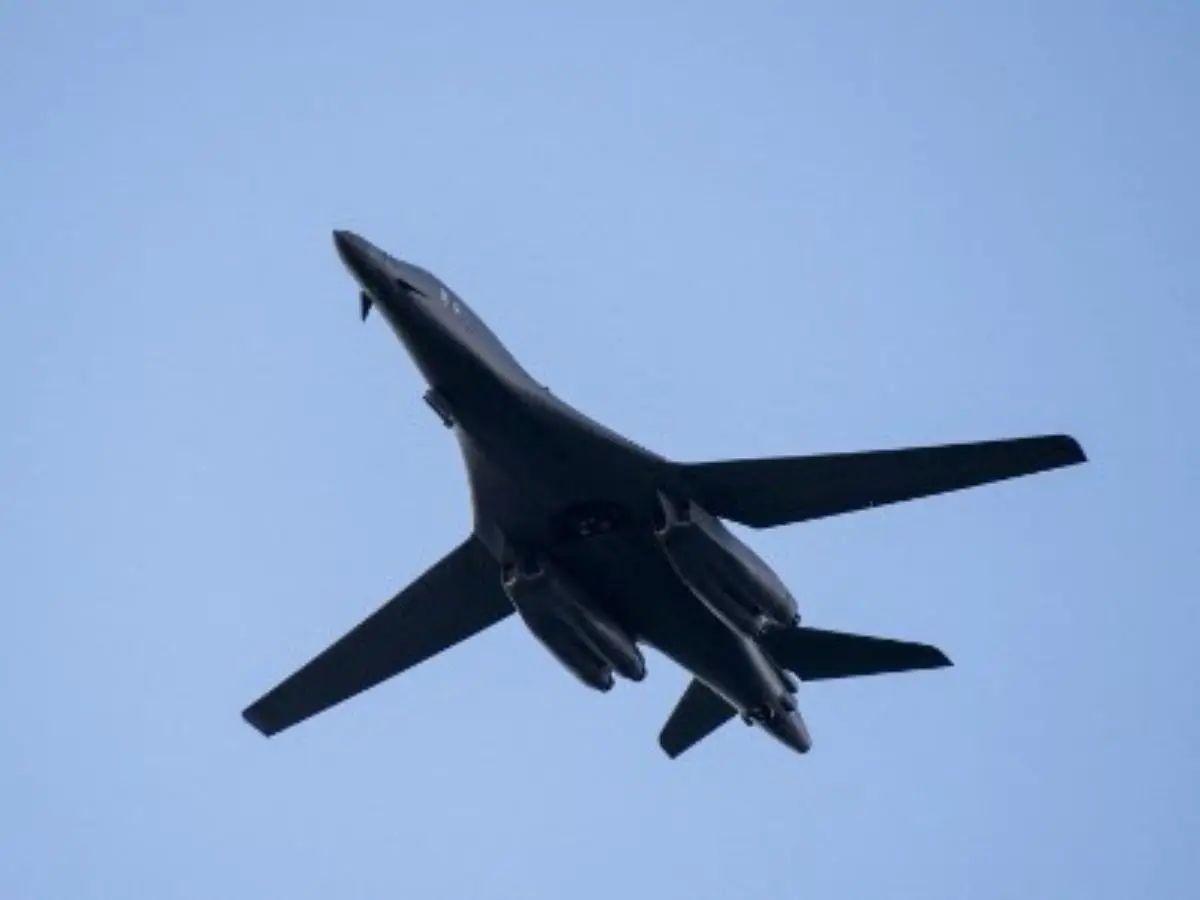
The B-1B Lancer and B-2 Spirit are both legendary symbols of American airpower. The B-1B Lancer focuses on speed and payload, while the B-2 Spirit masters stealth and invisibility. Both aircraft reflect different stages of America’s strategic bomber evolution.
Two Different Missions,
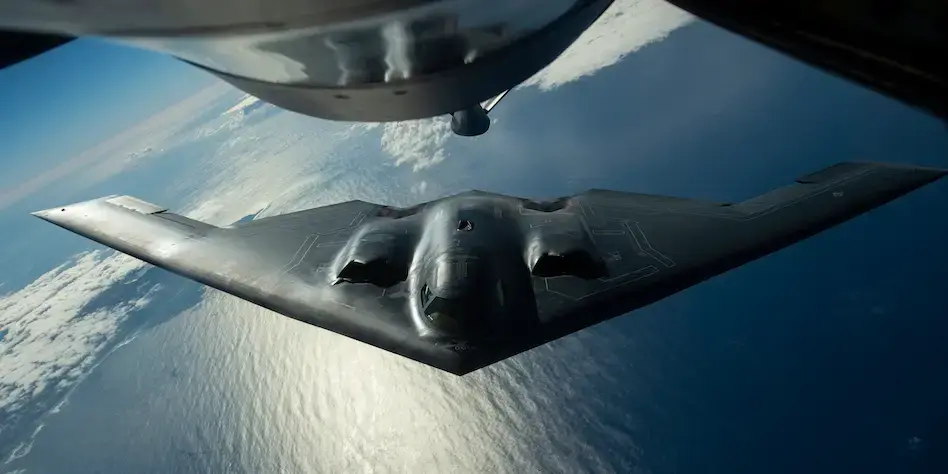
The B-1B Lancer, introduced in 1986, was designed for was designed during the Cold War for high-speed, low-level attacks through enemy radar. The B-2 Spirit, arriving later, shifted focus to stealth and precision strikes. Both share one mission, to deliver massive firepower anywhere in the world but they approach it differently: the Lancer with agility and speed, the Spirit with invisibility.
Speed and Performance
The B-1B is the only supersonic bomber in the U.S. Air Force fleet, capable of reaching Mach 1.25 (1,335 km/h). It uses variable-sweep wings to adjust lift and drag for high-speed flights at low altitudes, flying below enemy radar. Meanwhile, the B-2 is subsonic, with a top speed of Mach 0.95, trading speed for endurance and undetectability.
Stealth and Radar Signature - The B-2’s Key Advantage
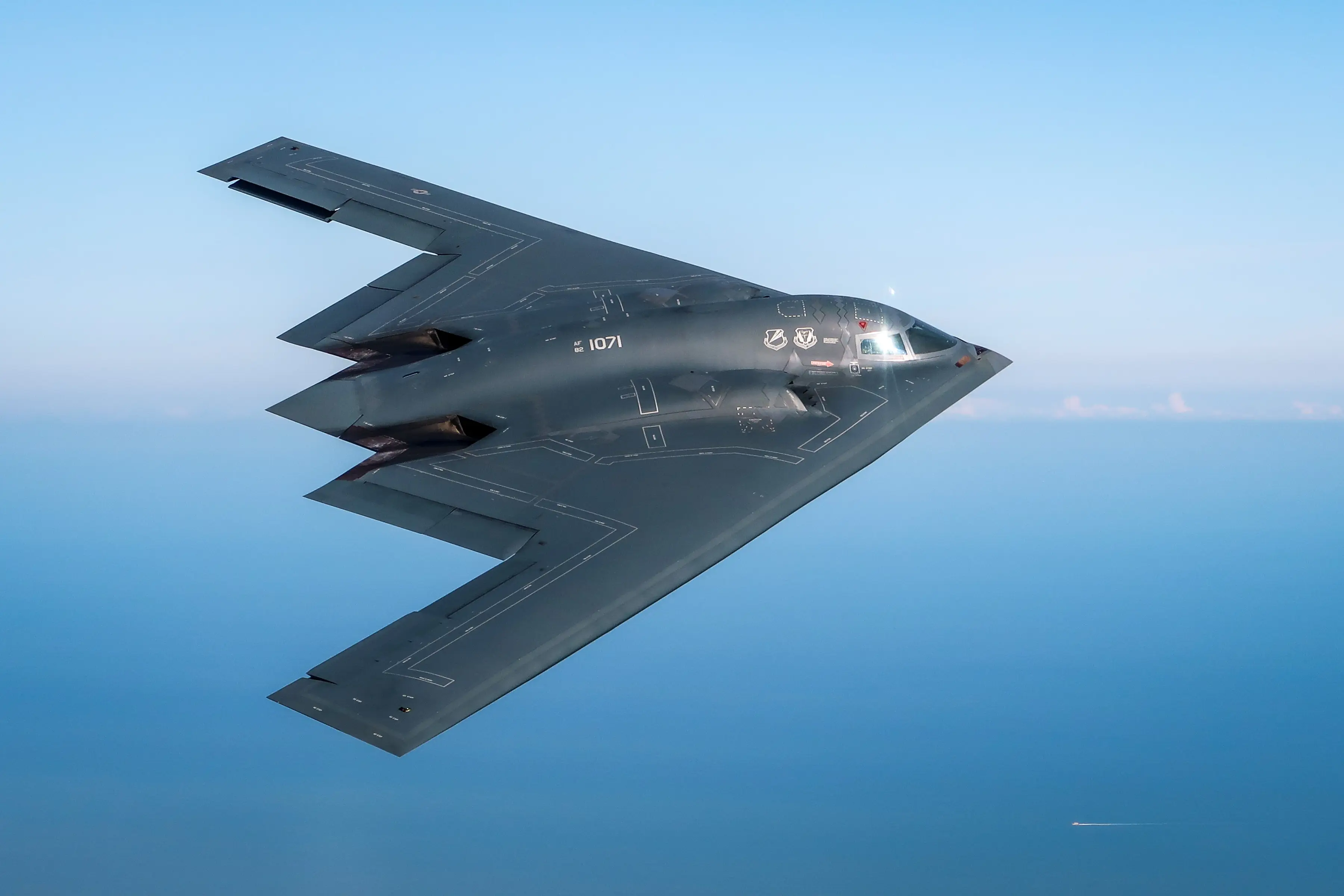
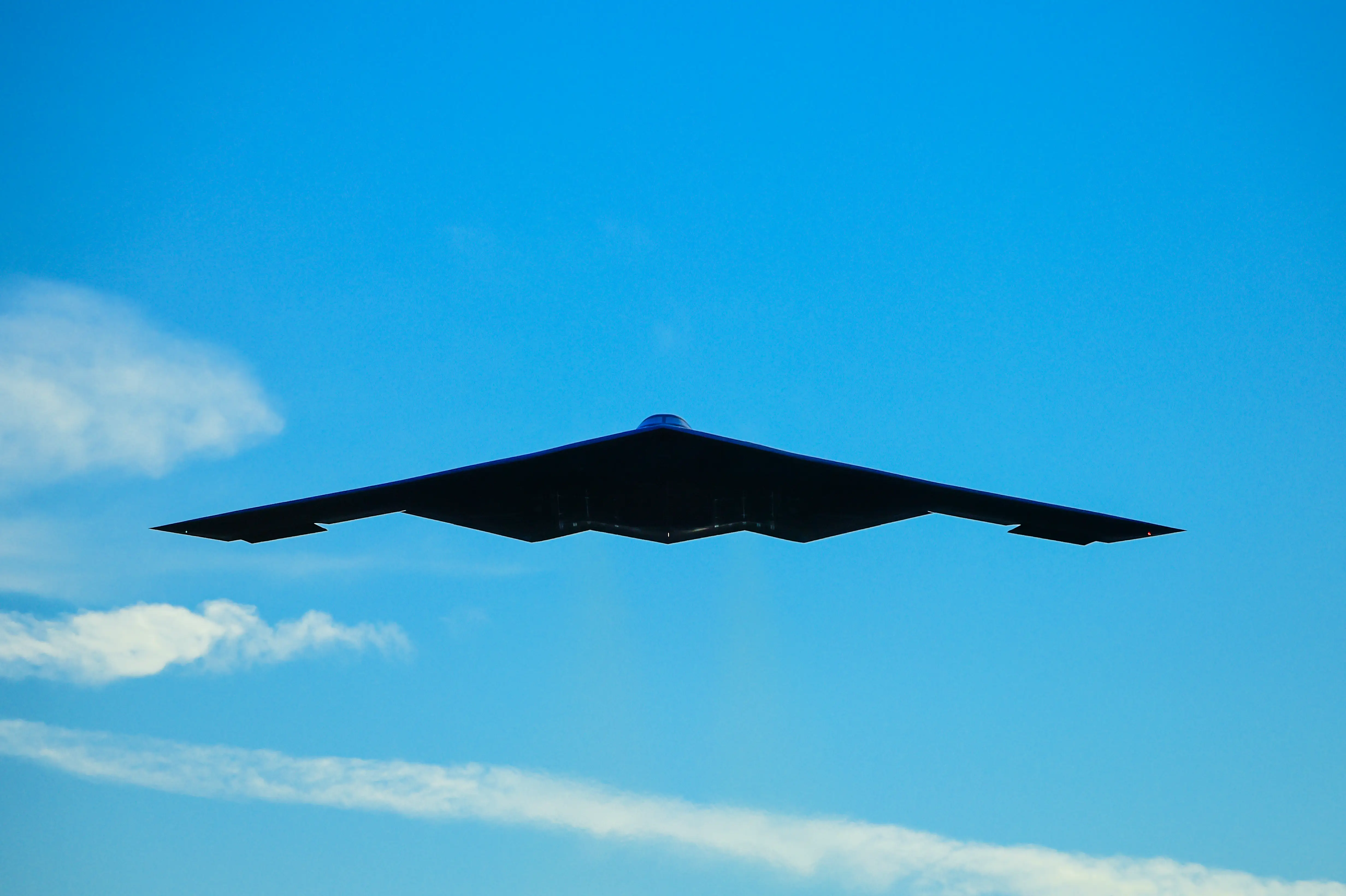
The B-1B incorporates radar reduction features like blended contours and radar-absorbent materials. However, its radar cross-section (RCS) is roughly 10 square metres, far smaller than older bombers but still detectable. In contrast, the B-2 Spirit’s RCS is estimated at just 0.0001 square metres the size of a small bird making it nearly invisible to radar even under heavy surveillance.
Payload and Range
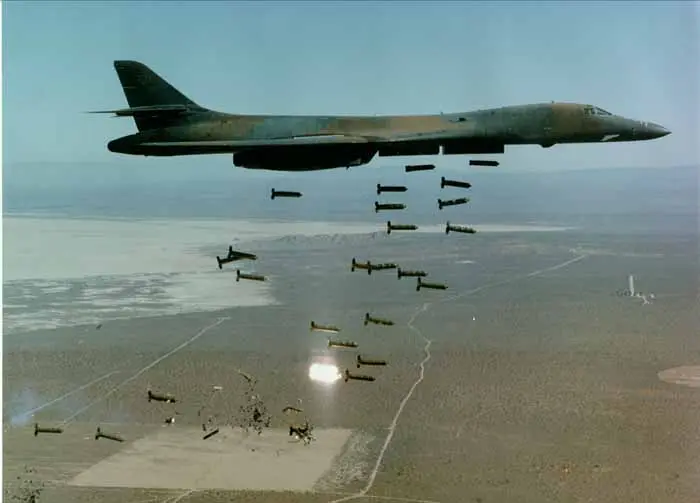
The B-1B can carry up to 75,000 lbs (34,000 kg) of ordnance - the largest payload of any U.S. bomber. It delivers both conventional and precision-guided weapons, including JASSM-ER and LRASM missiles. The B-2, with a payload of 40,000 lbs (18,000 kg), focuses on stealthy delivery of nuclear or conventional bombs. Despite carrying less, it can strike heavily defended targets without detection.
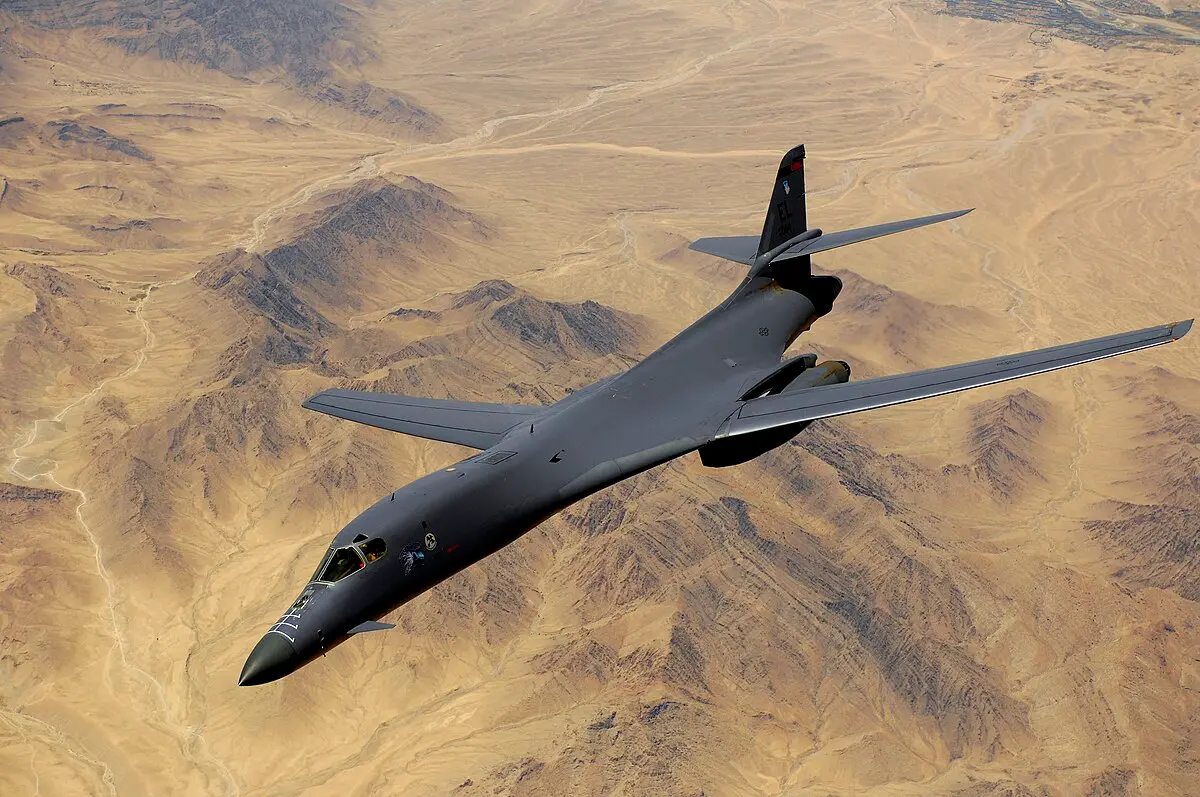
Design Evolution - From Swept Wings to Flying Wing
The B-1B Lancer’s variable-sweep wings allow high-speed, low-altitude terrain following. The B-2 Spirit, however, uses a flying wing design - a shape that produces natural lift and minimises radar reflections. The B-2’s airframe blends engines and fuselage into one smooth surface, reducing visible and heat signatures for maximum stealth efficiency.
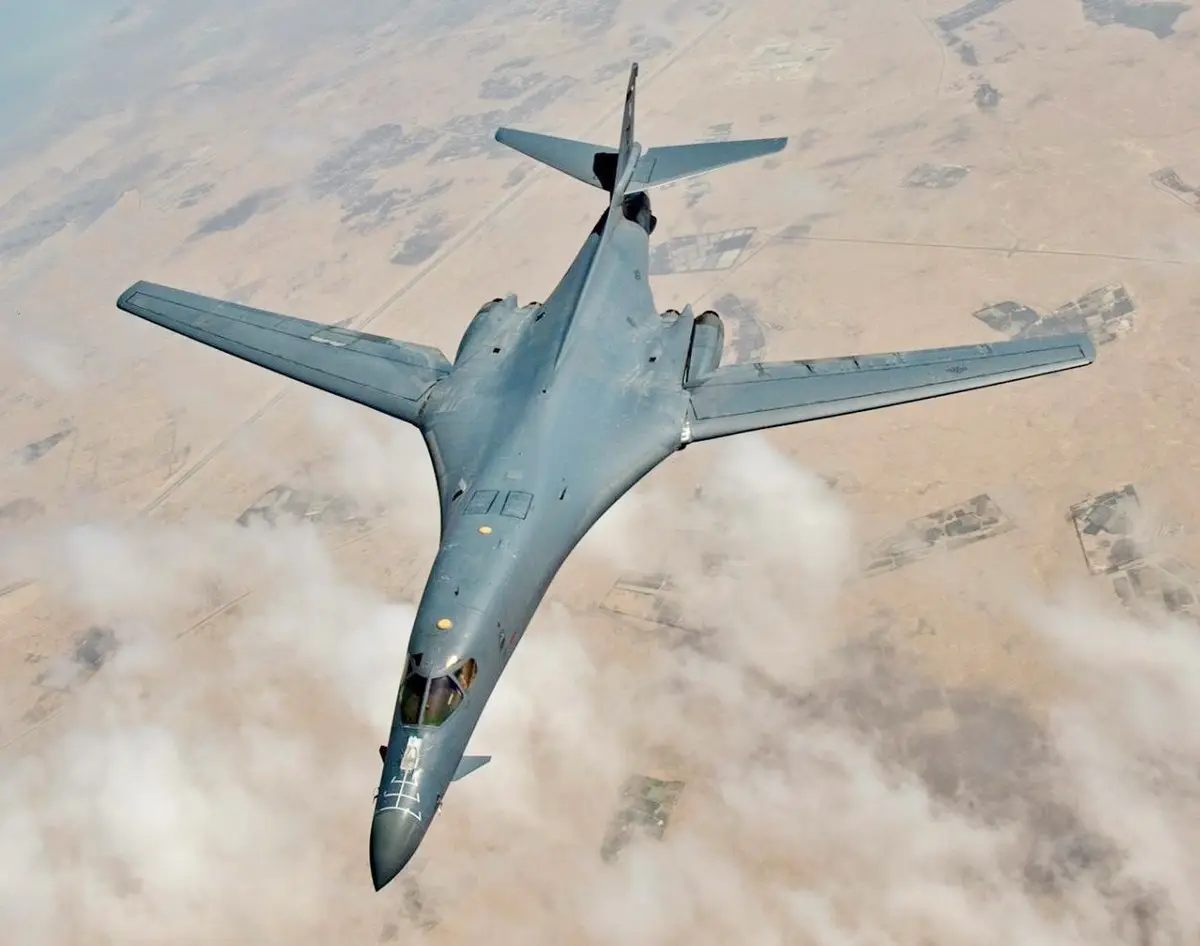
Range and Mission Endurance
The B-1B has an operational range of 9,400 km and can refuel mid-air for intercontinental reach. The B-2 goes even farther, with 9,600 km unrefuelled range and longer mission endurance. Unlike the Lancer, which needs regional bases, the B-2 can operate directly from the U.S. and strike global targets in a single round trip.
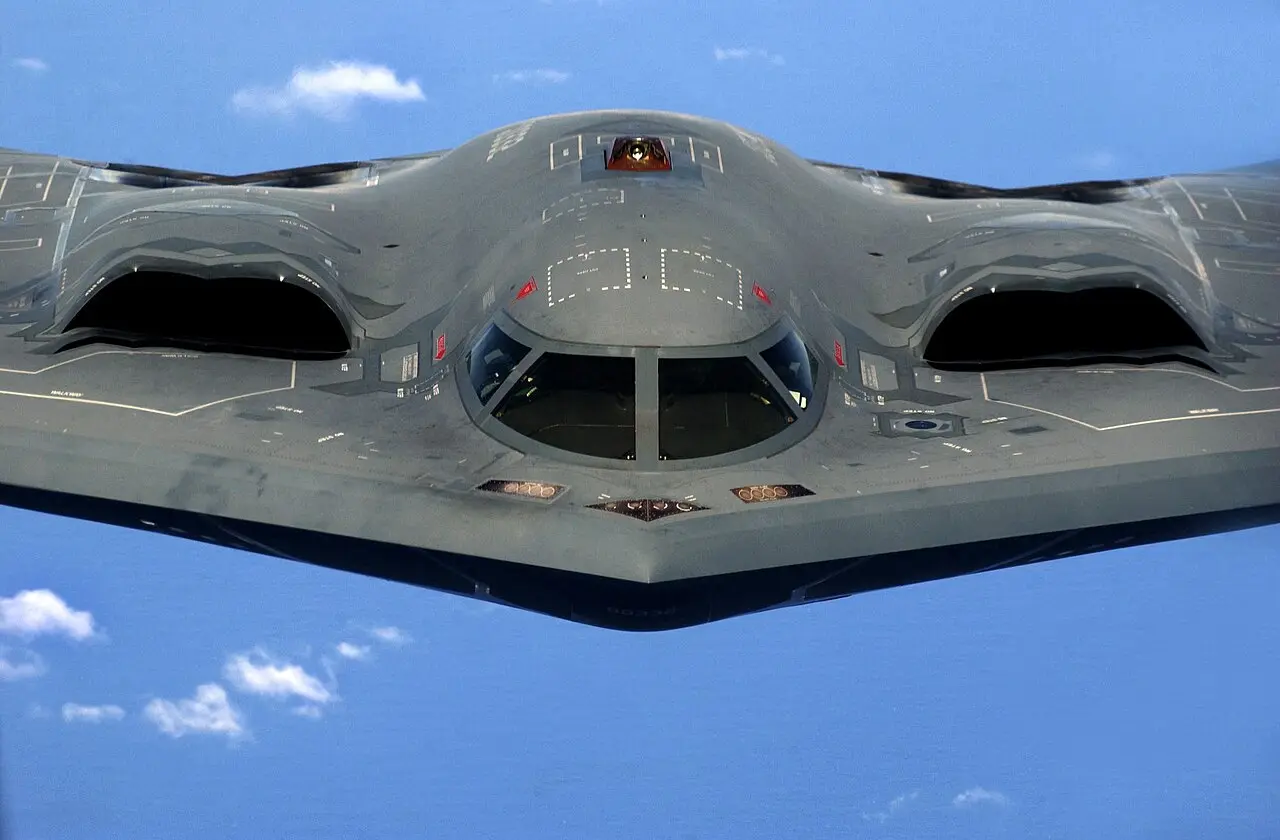
Technology and Maintenance
The B-1B relies on onboard electronic countermeasures and radar jamming systems for survival. The B-2 depends entirely on remaining unseen. Its stealth coating requires high maintenance, each aircraft is housed in specialised hangars and re-coated to maintain radar invisibility. The B-2’s maintenance costs are nearly double those of the B-1B, reflecting its advanced stealth materials.
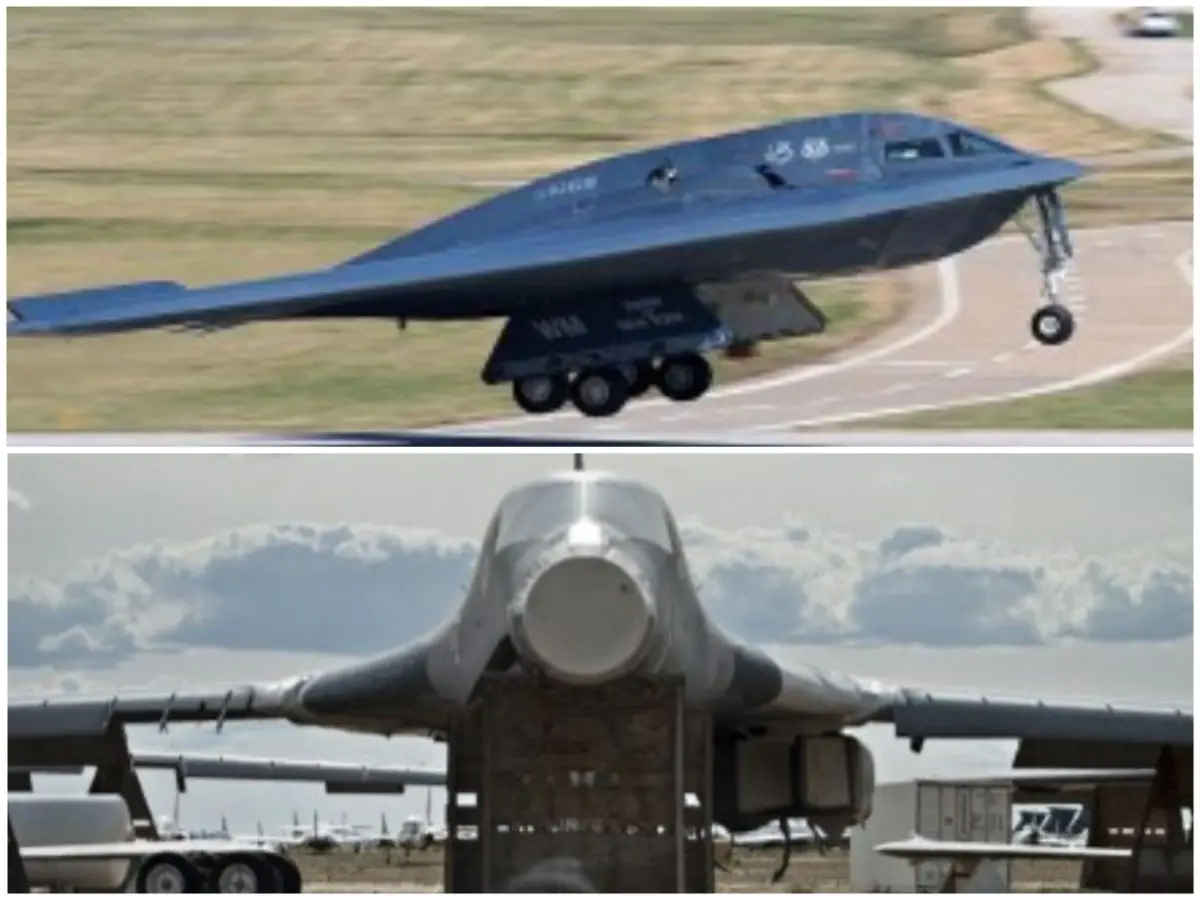
Cost and Fleet Size
The B-1B costs about $317 million per aircraft (modern value), with over 100 built. In contrast, the B-2 Spirit is among the most expensive aircraft ever, costing over $2 billion each (including development). Only 21 were produced, with most still in service today under tight security and maintained conditions.
The Future of Strategic Bombers
While both the B-1B and B-2 remain operational, both are set to be replaced gradually by the B-21 Raider, a stealth bomber combining the B-2’s low observability with the B-1’s speed and payload flexibility. The Raider’s arrival will mark the next phase in the evolution of global stealth warfare.
)
)
)
)
)