Astronomers are tracking 3I/ATLAS: What we know about the comet from another star

Comet 3I/ATLAS is a rare interstellar visitor from beyond our Solar System. Passing safely, it offers a chance to study ancient cosmic materials and the nature of other star systems.
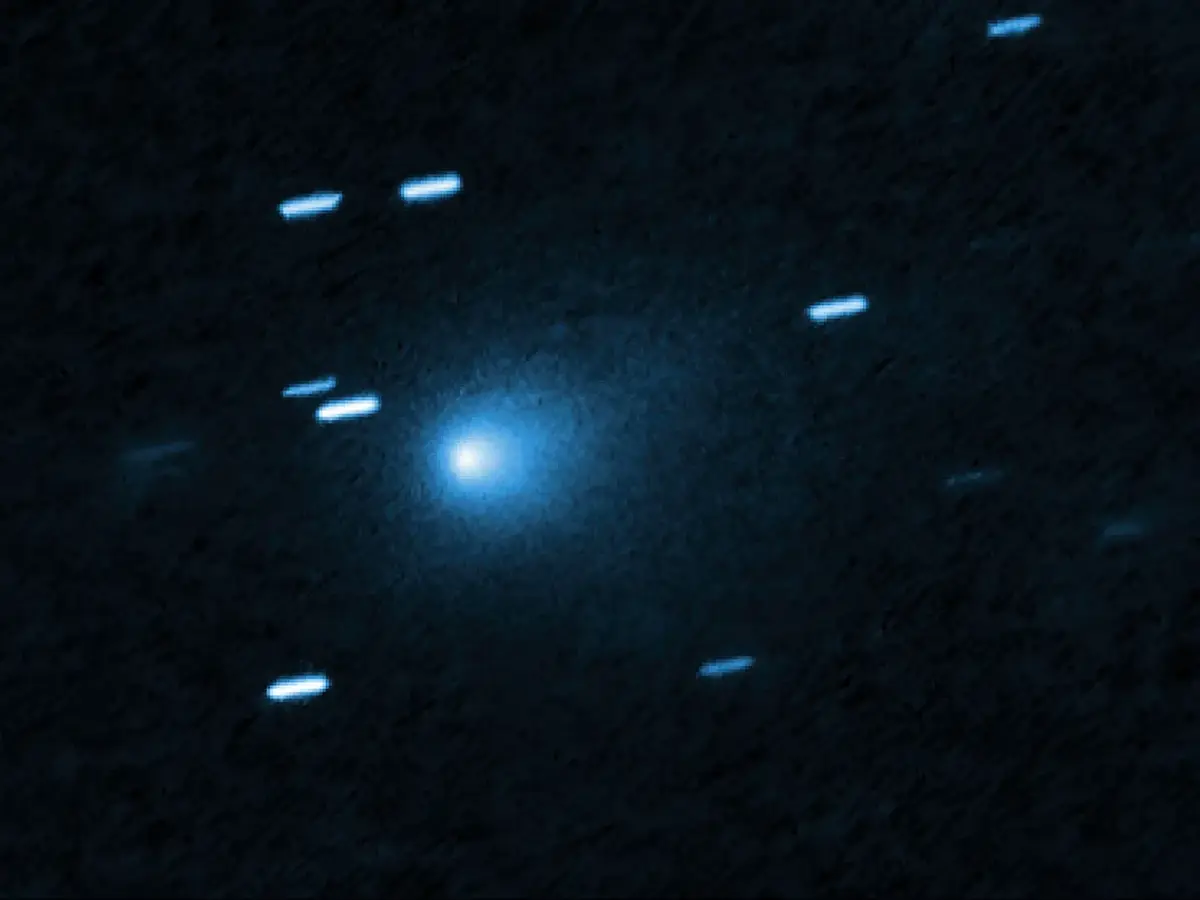
Comet 3I/ATLAS
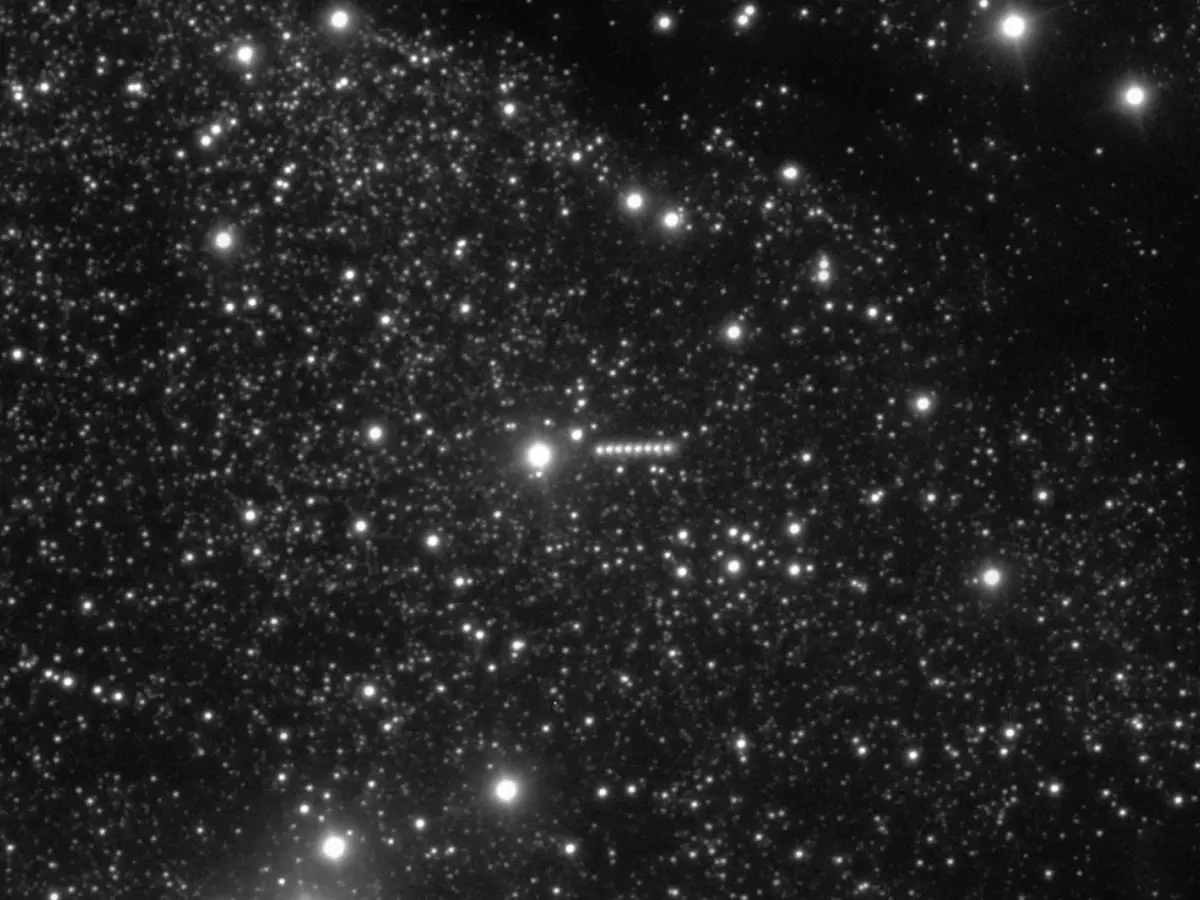
Comet 3I/ATLAS is a rare interstellar object, the third confirmed visitor from outside our Solar System. Discovered in July 2025 by the Asteroid Terrestrial-impact Last Alert System (ATLAS) telescope in Chile, it travels on a hyperbolic path, meaning it just passes through and will not return.
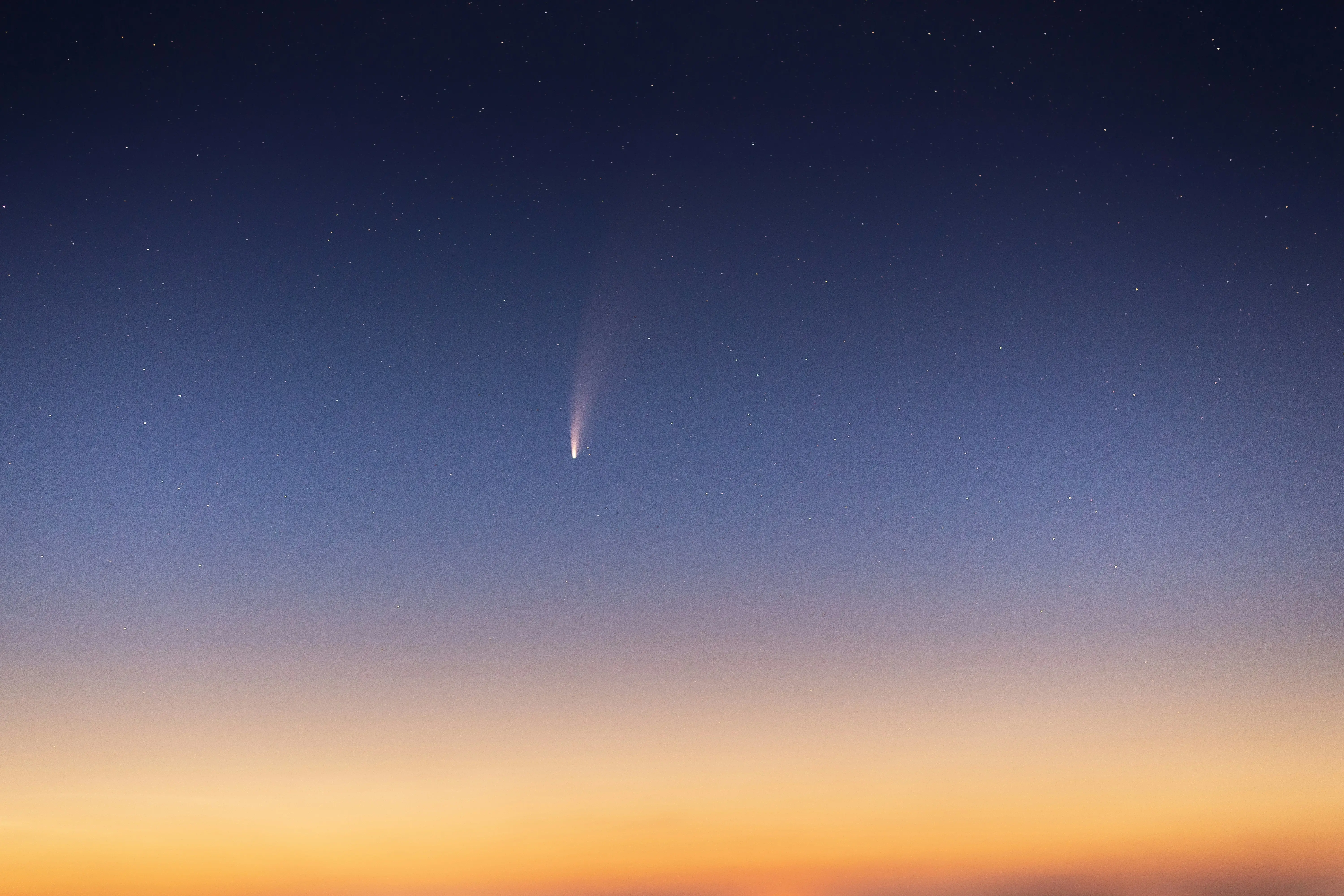
Journey Through Our Solar System
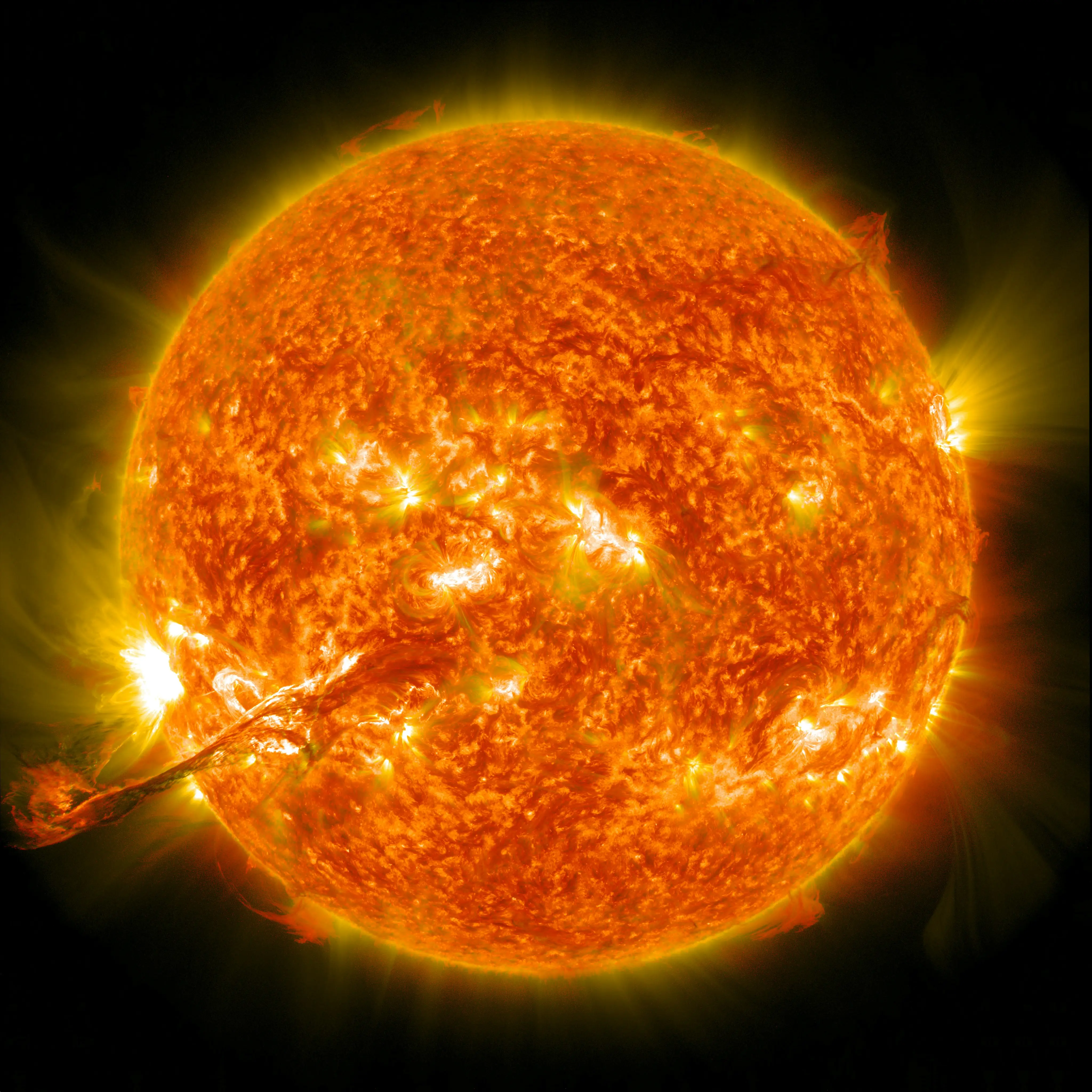
The comet made its closest approach to the Sun (perihelion) on 29 October 2025, at about 1.36 astronomical units (AU) or 203 million km from the Sun, between Earth’s and Mars’s orbits. It passed near Mars in early October but stays safely away from Earth by about 1.8 AU around 270 million km.
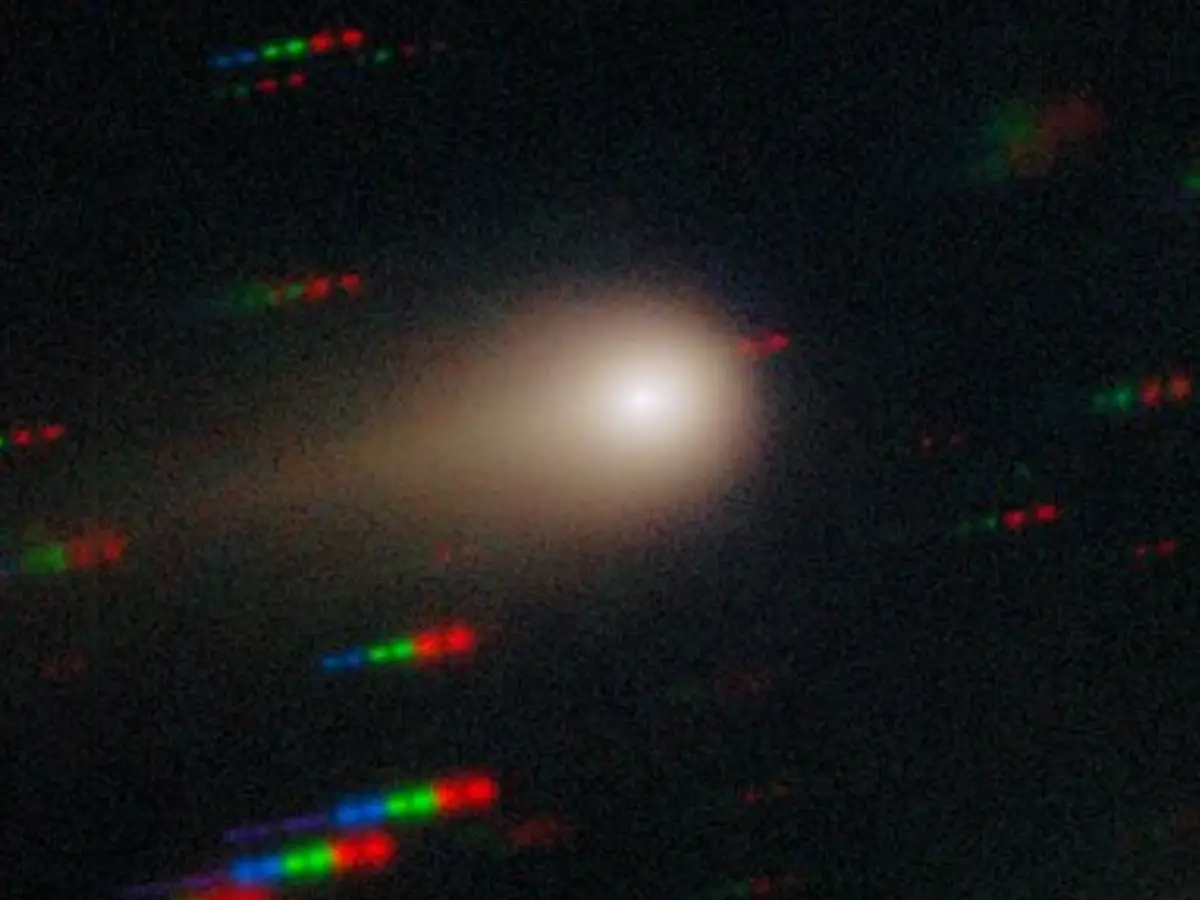
Speed and Trajectory
3I/ATLAS moves extremely fast, reaching speeds of 68 km/s (about 42 miles per second) at its perihelion. Its trajectory is retrograde and tilted compared to the planets’ orbits, making it unique and of great interest to astronomers.
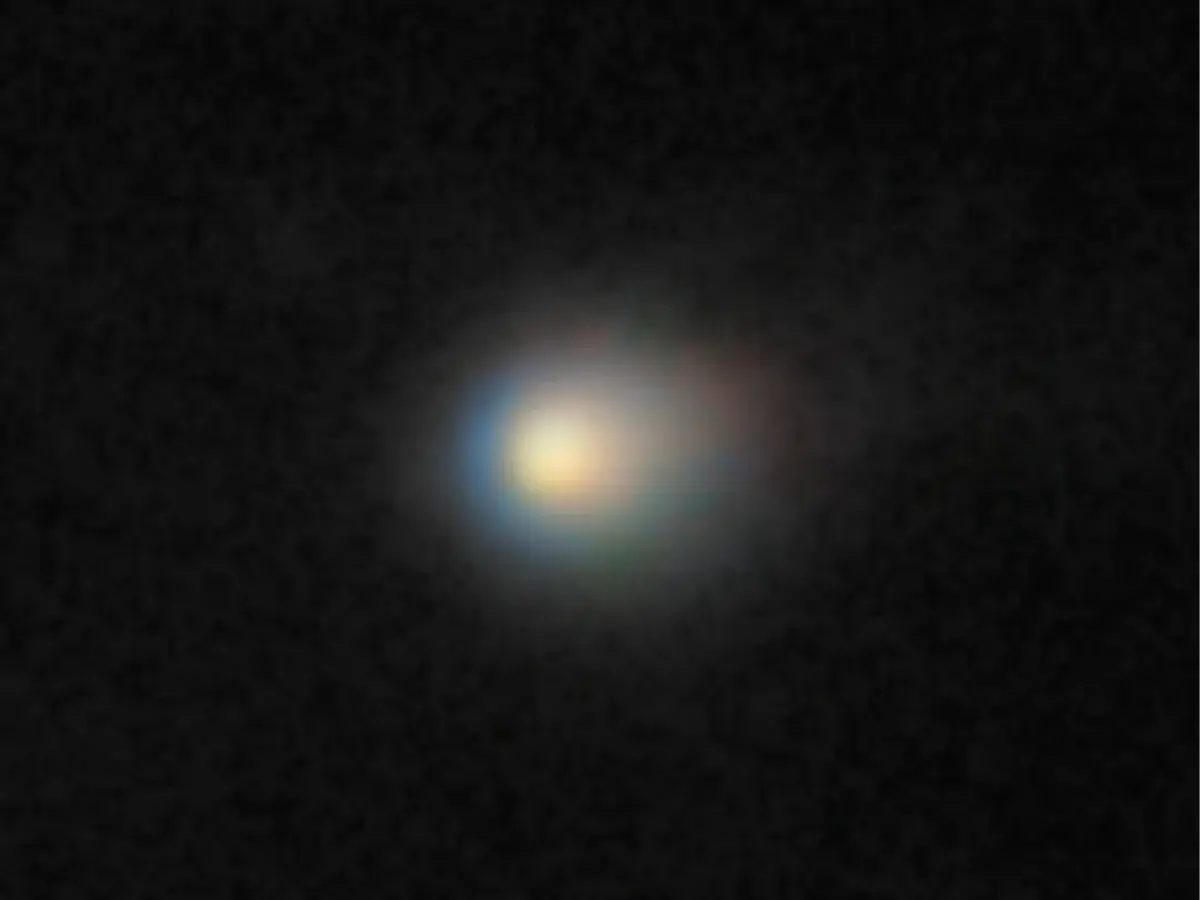
Composition and Size
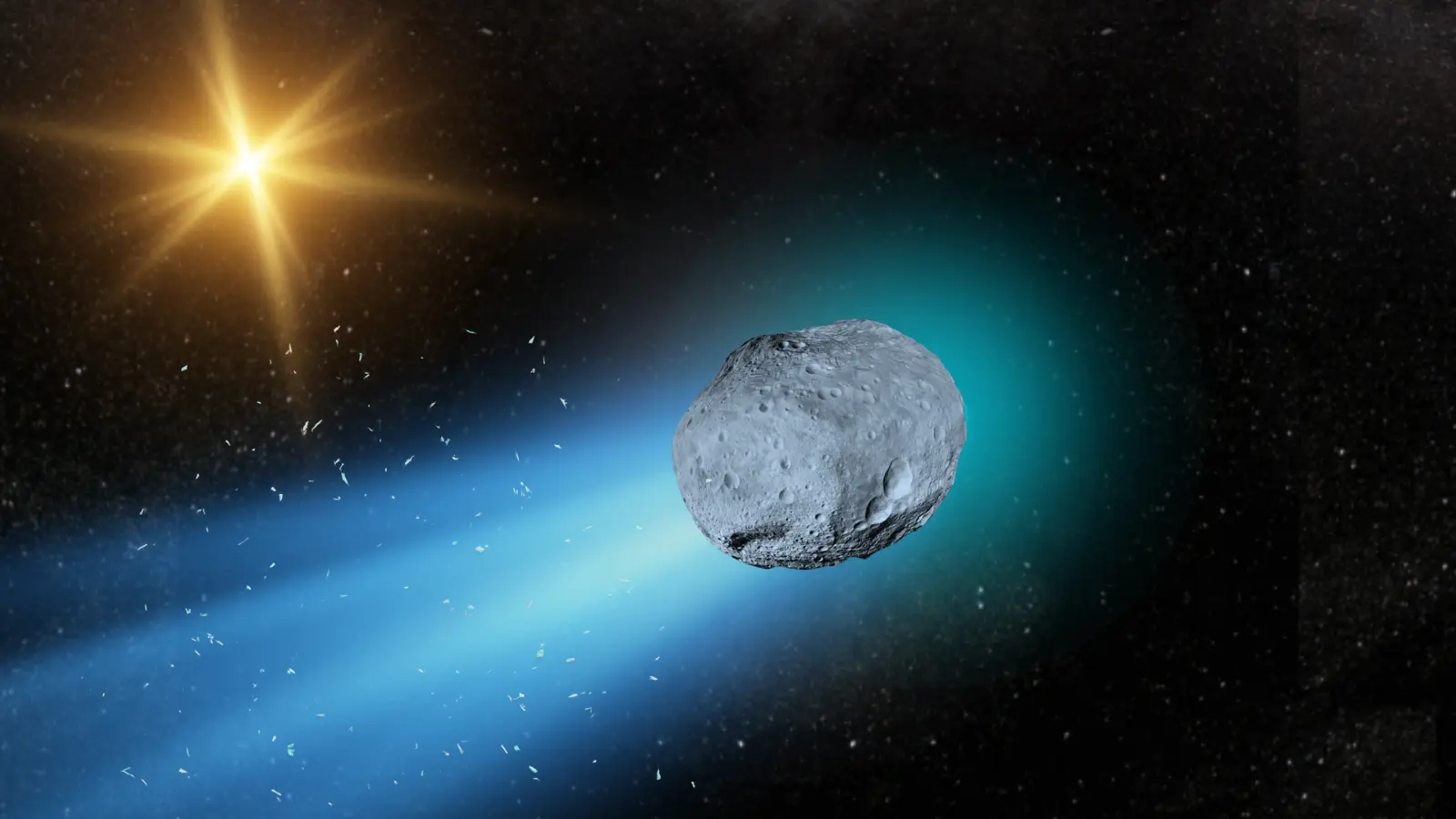
Observations from the Hubble and James Webb Space Telescopes indicate 3I/ATLAS has a solid icy nucleus less than 1 km wide. It releases gases including carbon dioxide, water vapour, and even traces of cyanide, similar to comets in our Solar System, acting like a frozen time capsule from another star.
Visibility and Observation
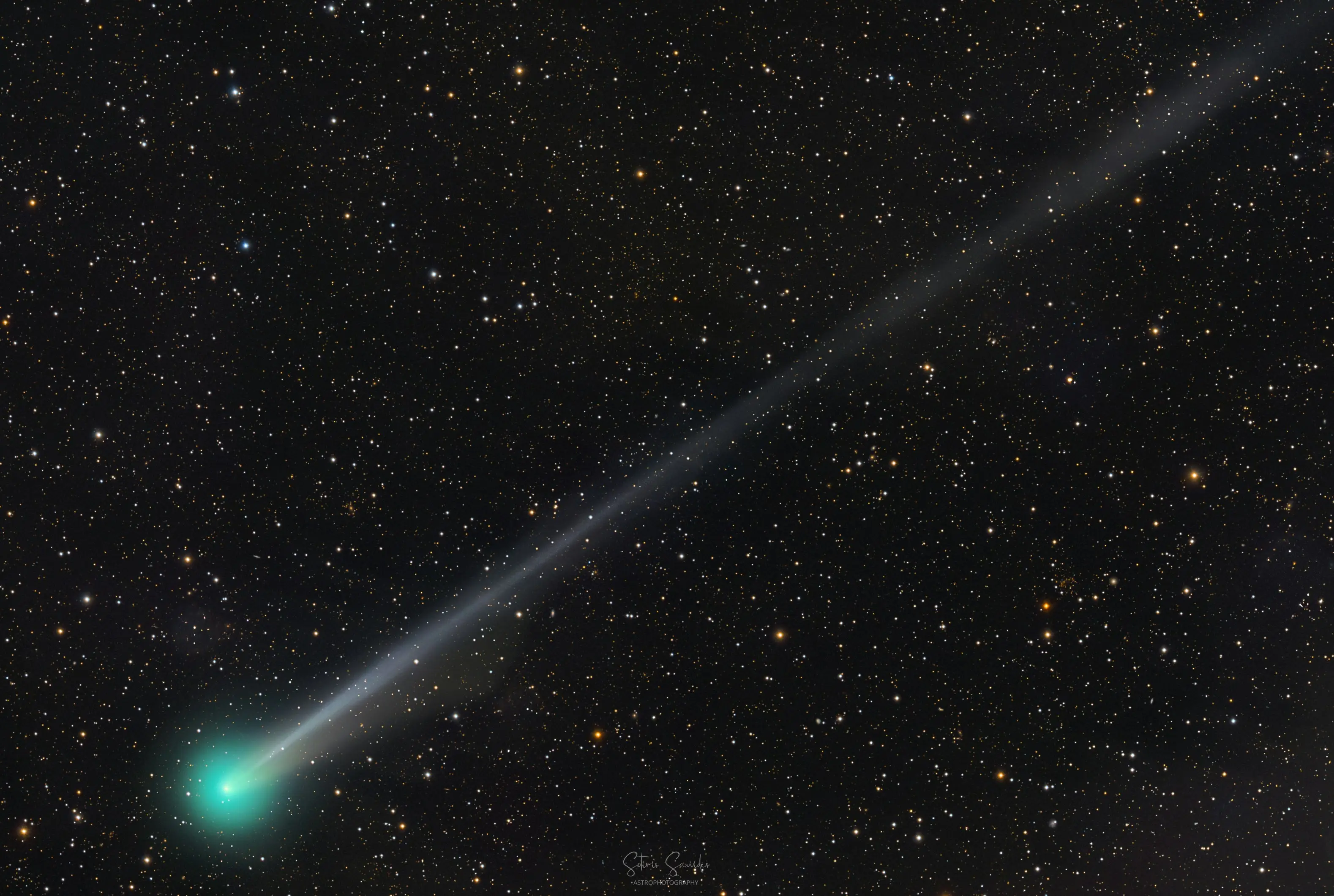
The comet is too faint to see with the naked eye or small binoculars. Its brightness falls between magnitude 12 and 14. To observe it, a telescope of at least 200 mm (8 inches) aperture is needed under dark skies. It was temporarily hidden near the Sun in late October due to solar conjunction but will become visible again in November 2025.
Its Tail and Activity
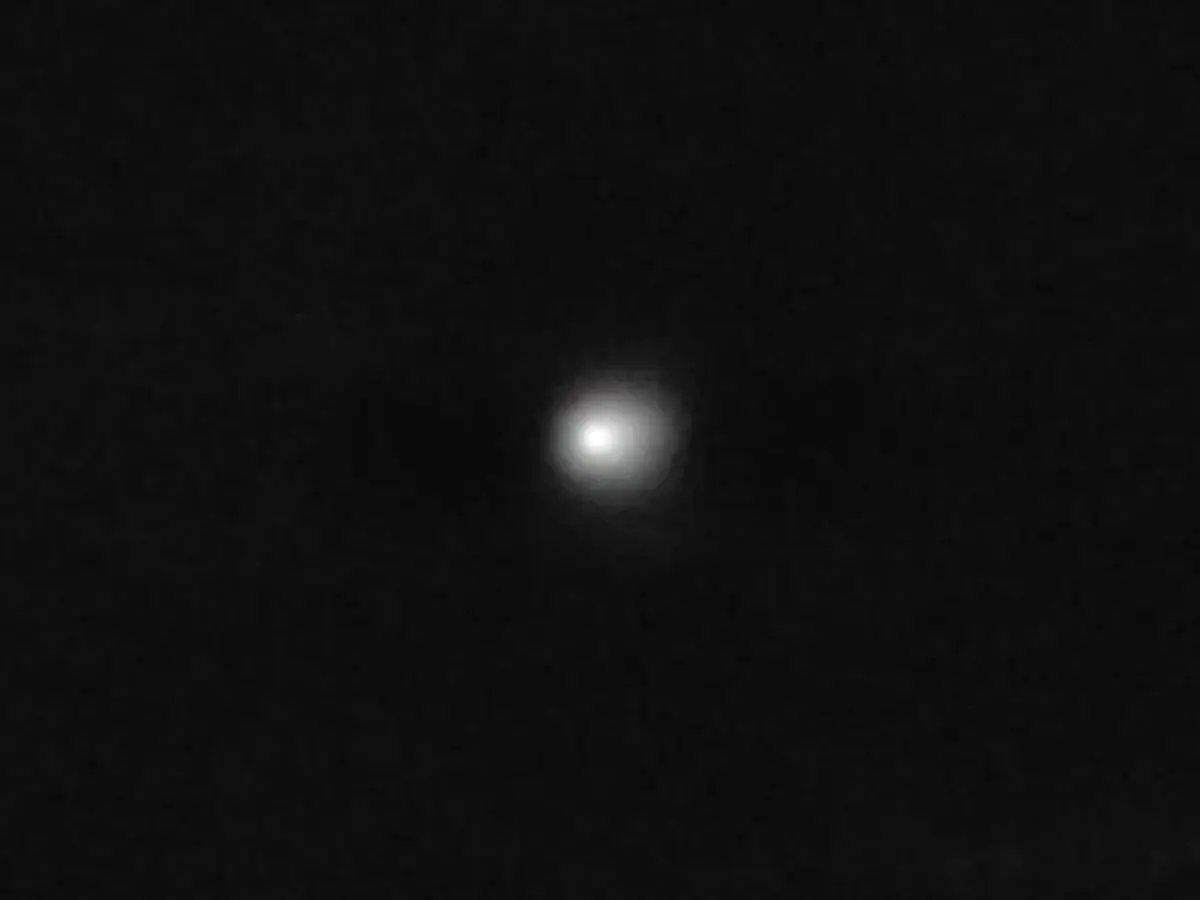
The comet’s tail, made of dust and gas pushed away by solar radiation, extended about 100,000 km (around 60,000 miles) by September 2025. Its brightness and tail size grew as it approached the Sun, showing typical cometary behaviour but providing valuable data about interstellar materials.
Scientific Importance
3I/ATLAS offers scientists a unique chance to study material formed around other stars, helping understand planetary system formation beyond our Solar System. The comet is considered a natural relic though some speculate exotic origins. It poses no threat to Earth.
Space Missions and Tracking
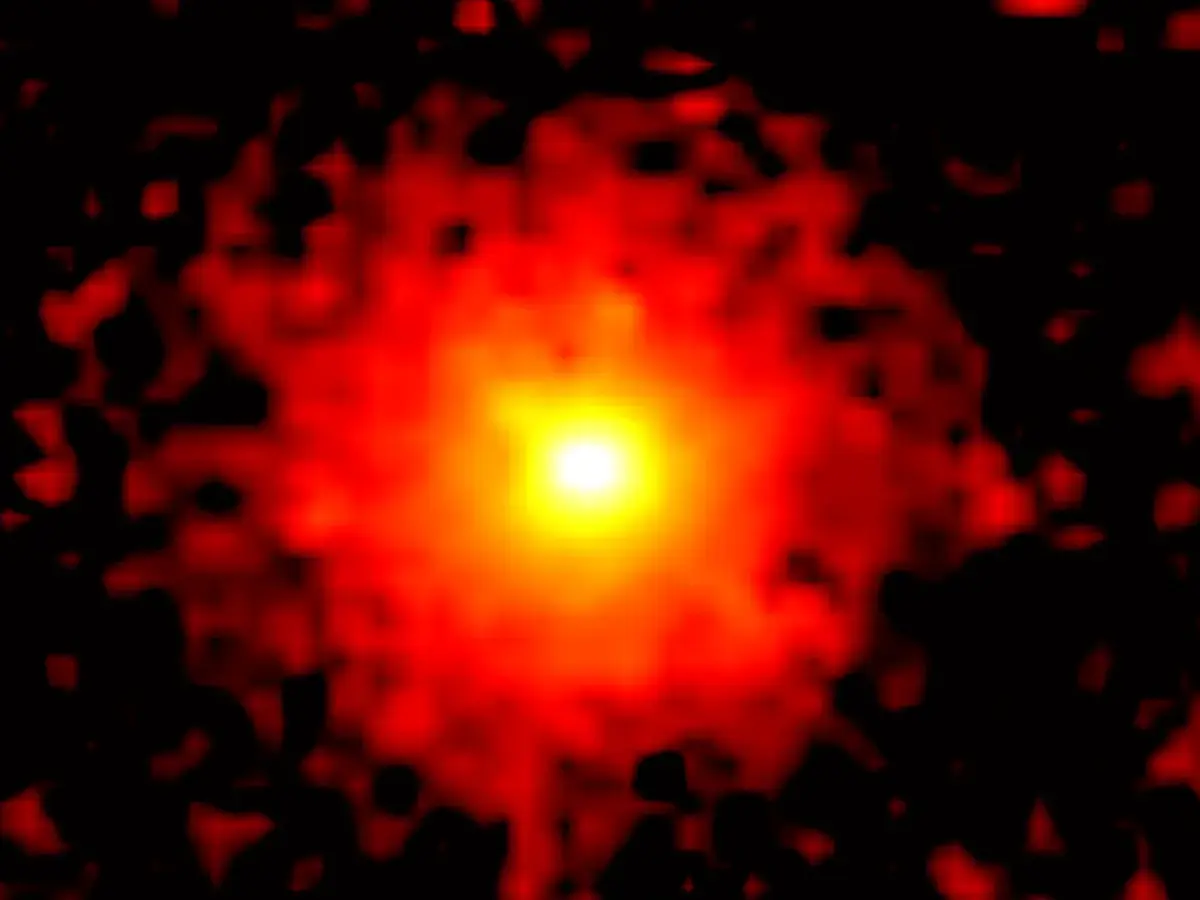
Spacecraft like ESA’s Juice mission to Jupiter may observe the comet briefly. Ground-based and space telescopes worldwide track it for changes in brightness, composition, and activity to unlock cosmic secrets.
Safety and Viewing Tips
For skywatchers wanting to observe 3I/ATLAS, use proper telescope gear and avoid looking at the Sun directly through any optical device. Best views come from dark, clear locations, preferably after sunset or before sunrise, when the comet is far enough from the Sun’s glare.
3I/ATLAS Mean for Us?
This comet reminds us we are part of a vast galaxy where objects travel between stars. Its visit may inspire future scientific missions and fuel curiosity about life and materials beyond Earth. 3I/ATLAS is a cosmic visitor delivering a message from distant worlds.
)
)
)
)
)