Eight animal species killed by floods in India's Kaziranga National Park

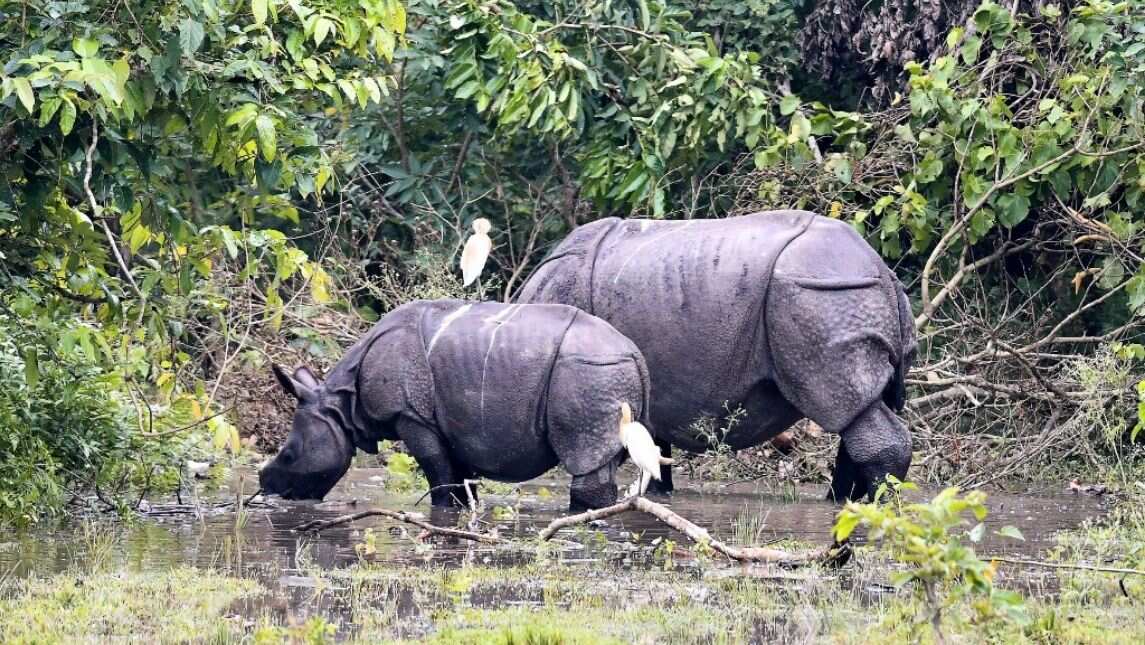
Rhinos
Indian one-horned rhinoceroses graze in Pobitora wildlife sanctuary in the flood affected Morigaon district in India's northeastern state of Assam on June 28, 2020.
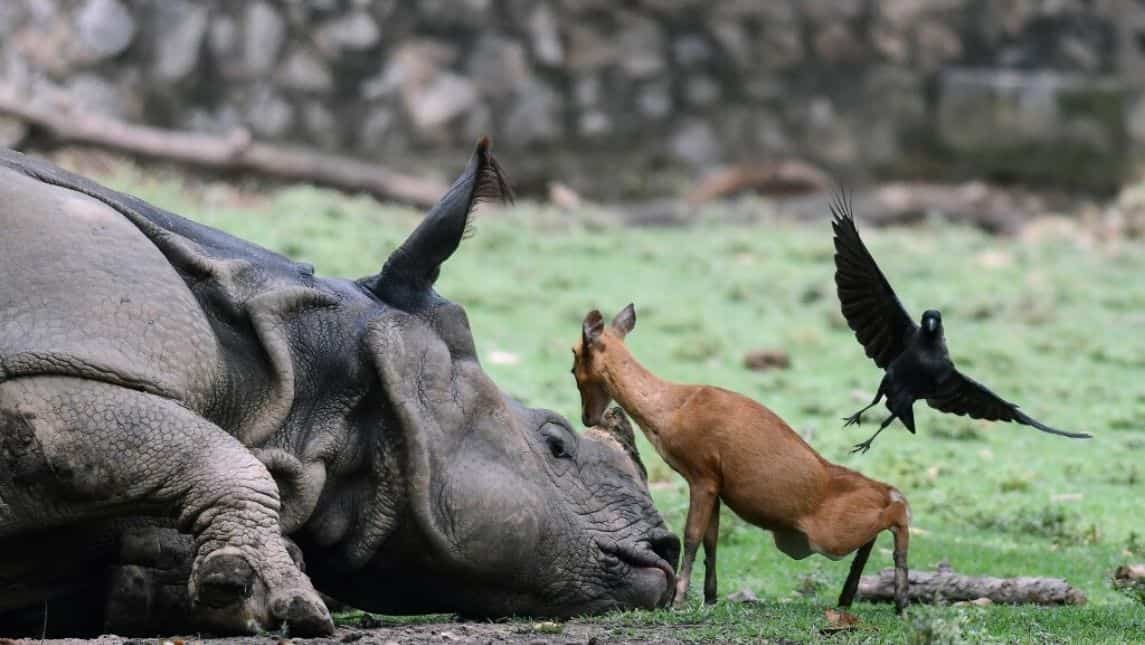
Hog deers
A young Indian hog deer calf stands next to a one-horn rhinoceros as a crow flies next to them at an enclosure at the Assam State Zoo in Guwahati on August 21, 2018. 12 animals including eight jackals at Assam State Zoo have died in recent days following a canine distemper outbreak, and authorities have implemented vaccination and isolation processes in an effort to limit the virus from spreading to other animals.
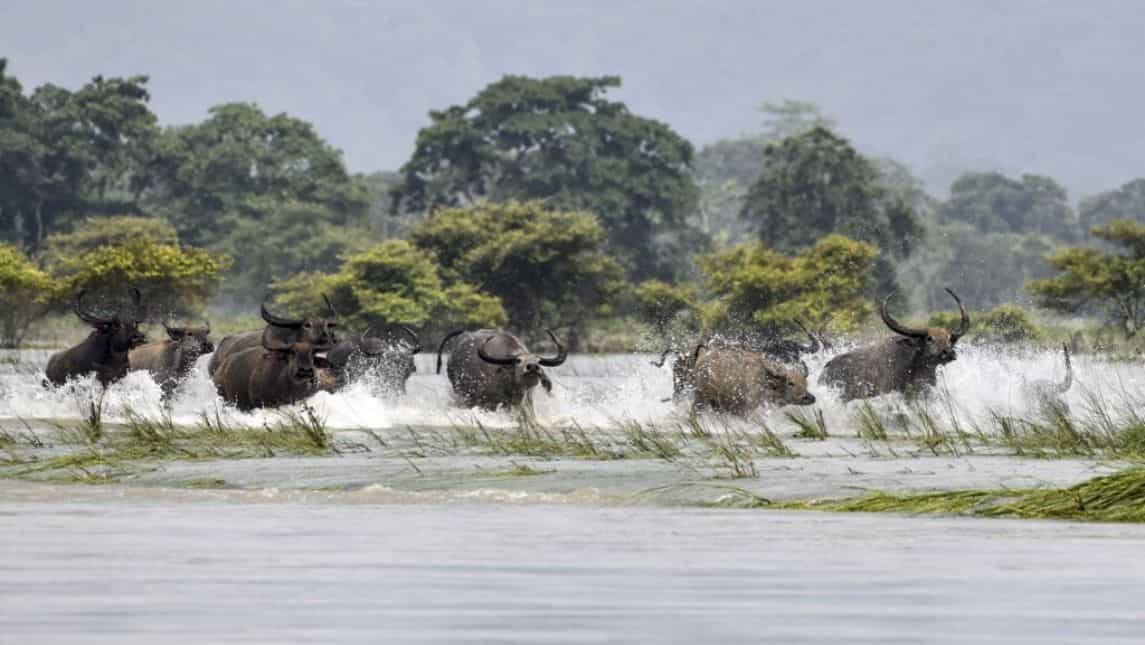
Wild buffalo
In this photo taken on July 17, 2019, a herd of wild buffalos wade through floodwaters at the flood affected area of Kaziranga National Park in the India's northeast state of Assam.
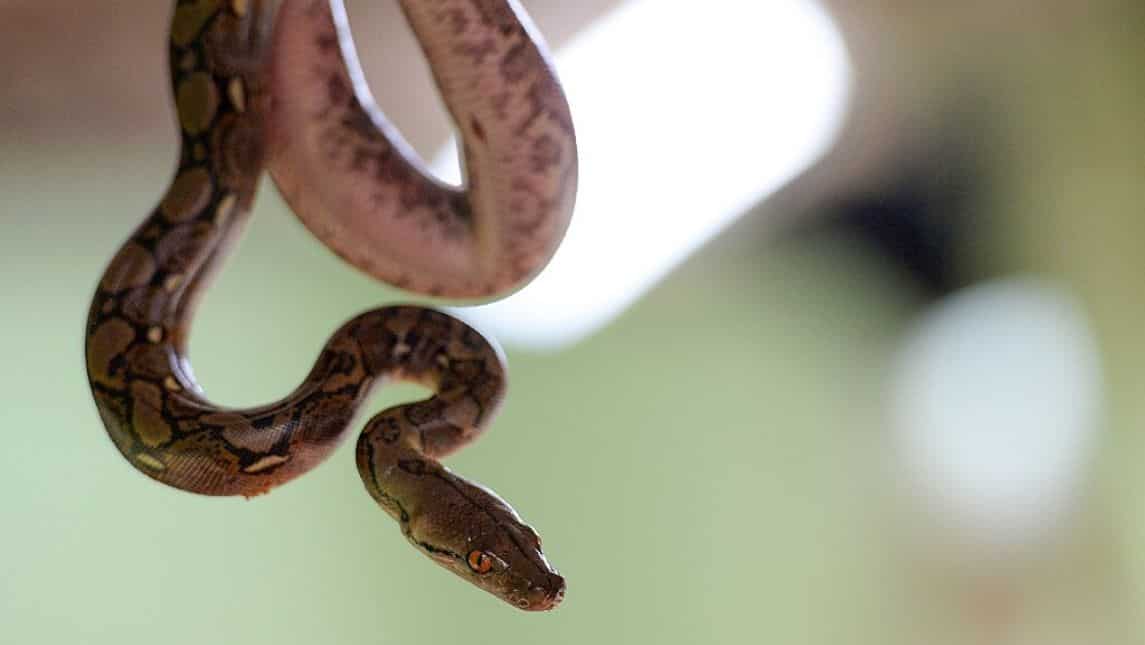
Python
A worker displays a newly hatched reticulated python at Guindy Snake park in Chennai on July 14, 2018.
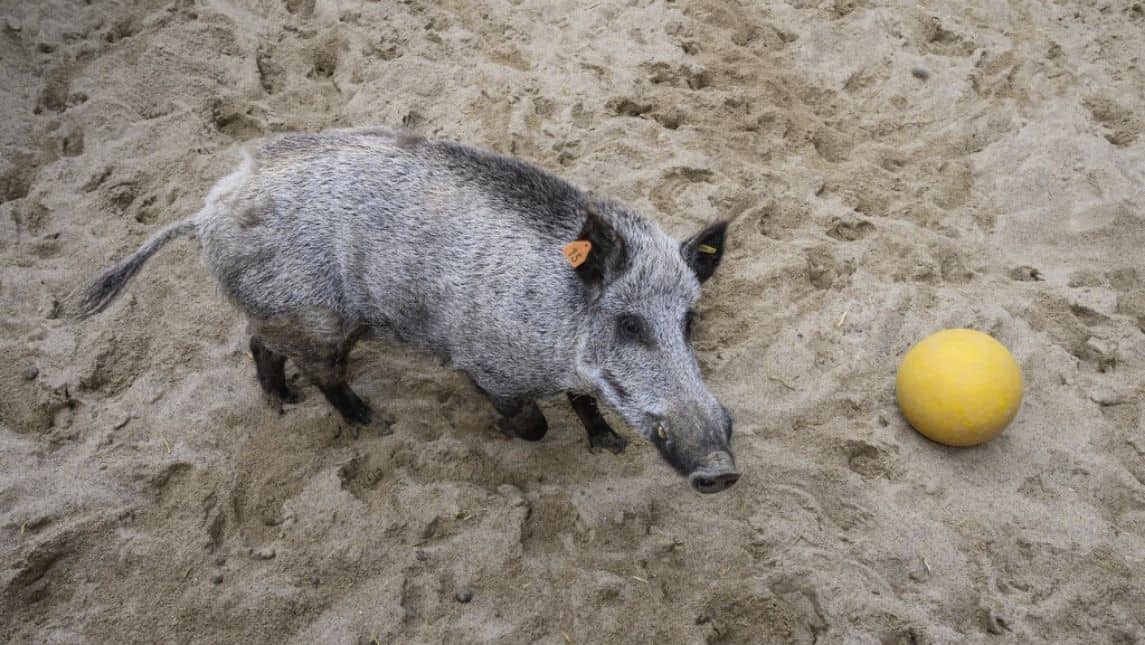
Wild boar
A wild boar held for research purposes is seen in its enclosure at the Friedrich Loeffler Institute (FLI), the Federal Research Institute for Animal Health, on the island of Riems, Greifswald, northern Germany, on August 7, 2019
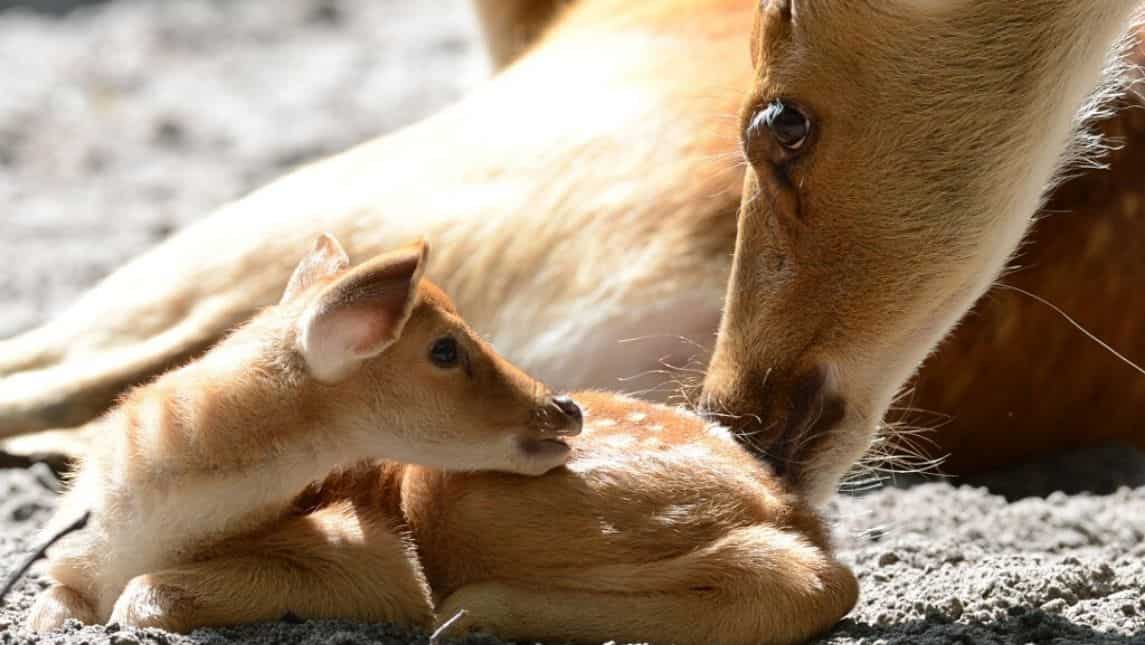
Deer affected by COVID-19
The US government recently confirmed the world's first cases of COVID-19 in deer, expanding the list of animals known to have tested positive for the disease.
The US Department of Agriculture reported infections of SARS-CoV-2, the virus that causes COVID-19, in wild white-tailed deer in the state of Ohio, according to a statement. There were no reports of deer showing symptoms of infection, the USDA said.
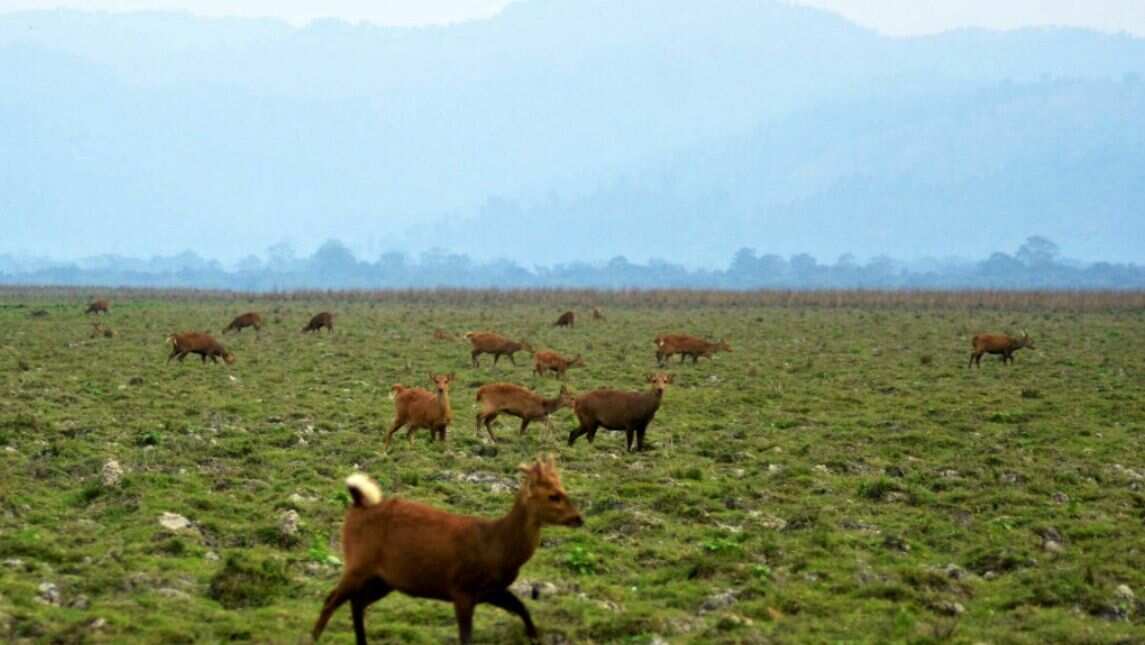
Sambar
Sambar deer graze at Kaziranga National Park, situated some 250km northeast of Guwahati, on December 21, 2014. The sambar deer (rusa unicolor) is native to the Indian subcontinent and across southern China and Southeast Asia, where it is listed as a vulnerable species.
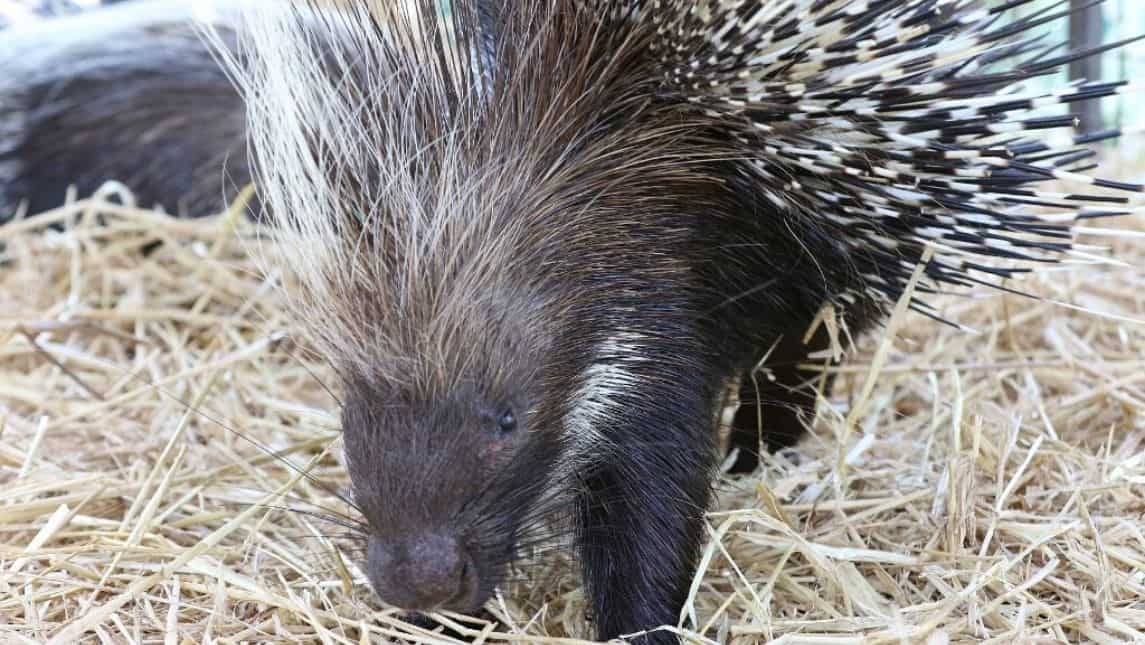
Porcupine
Porcupines sit inside its enclosure at the New Hope Centre, an animal refuge near Amman, on August 25, 2016.
)
)
)
)
)