Artemis II: When will astronauts reach the Moon, how long will they stay, and other key questions answered

Key questions about Artemis II after the launch answered. Everything you need to know about Artemis II Orion, including how many days it will take to reach the Moon and what the astronauts will do.
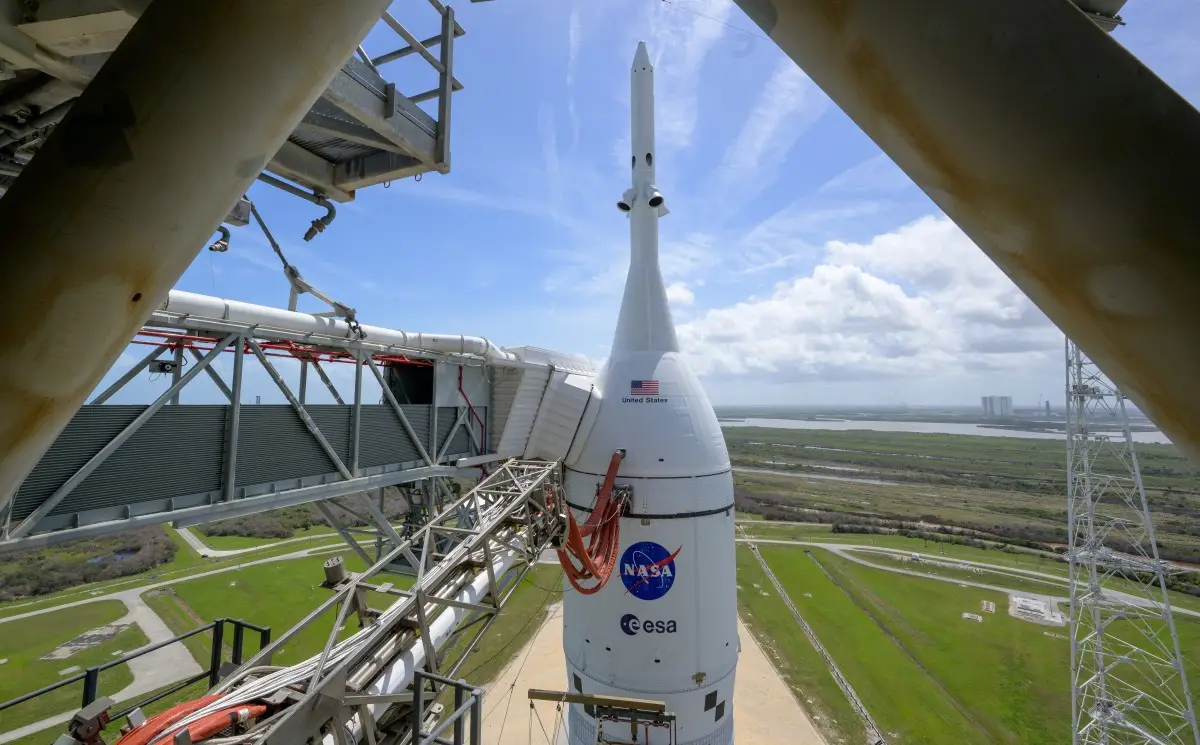
Artemis II Orion goes to the Moon
Orion's trajectory will carry the crew around the Moon, and later harness lunar gravity to slingshot them back to Earth. They are travelling 400,000 kilometres, a record for a manned mission. The mission started on April 1 and will last 10 days. The astronauts will perform several tests and make observations at the Moon, and the data will prove crucial for future moon missions.
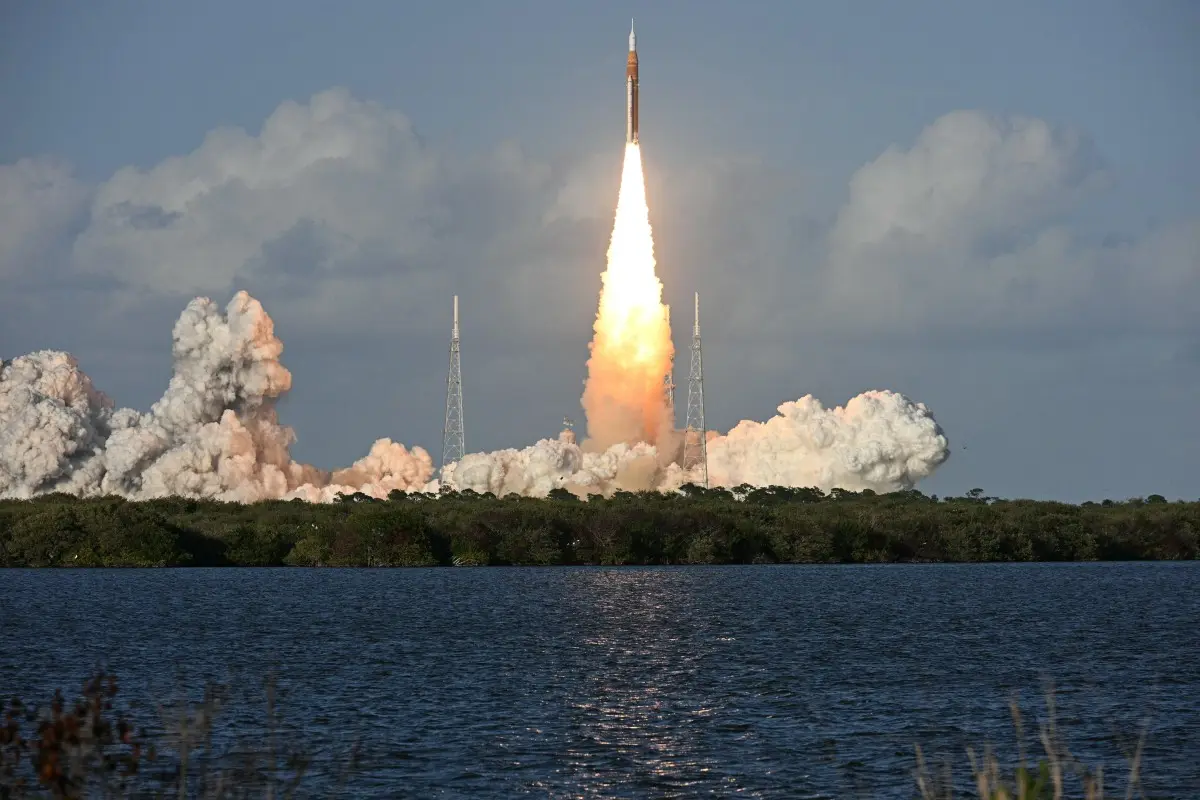
Artemis II checks and exercises after the launch
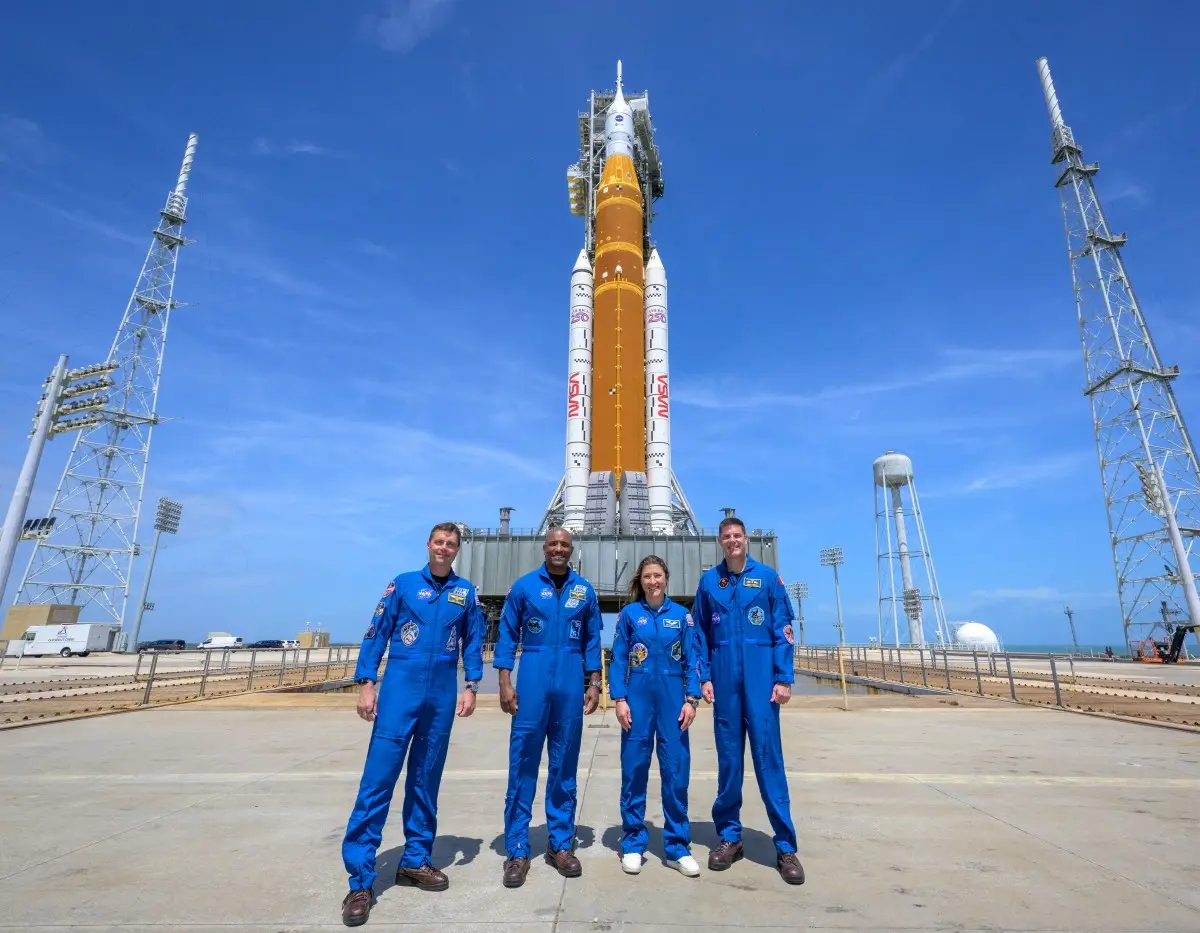
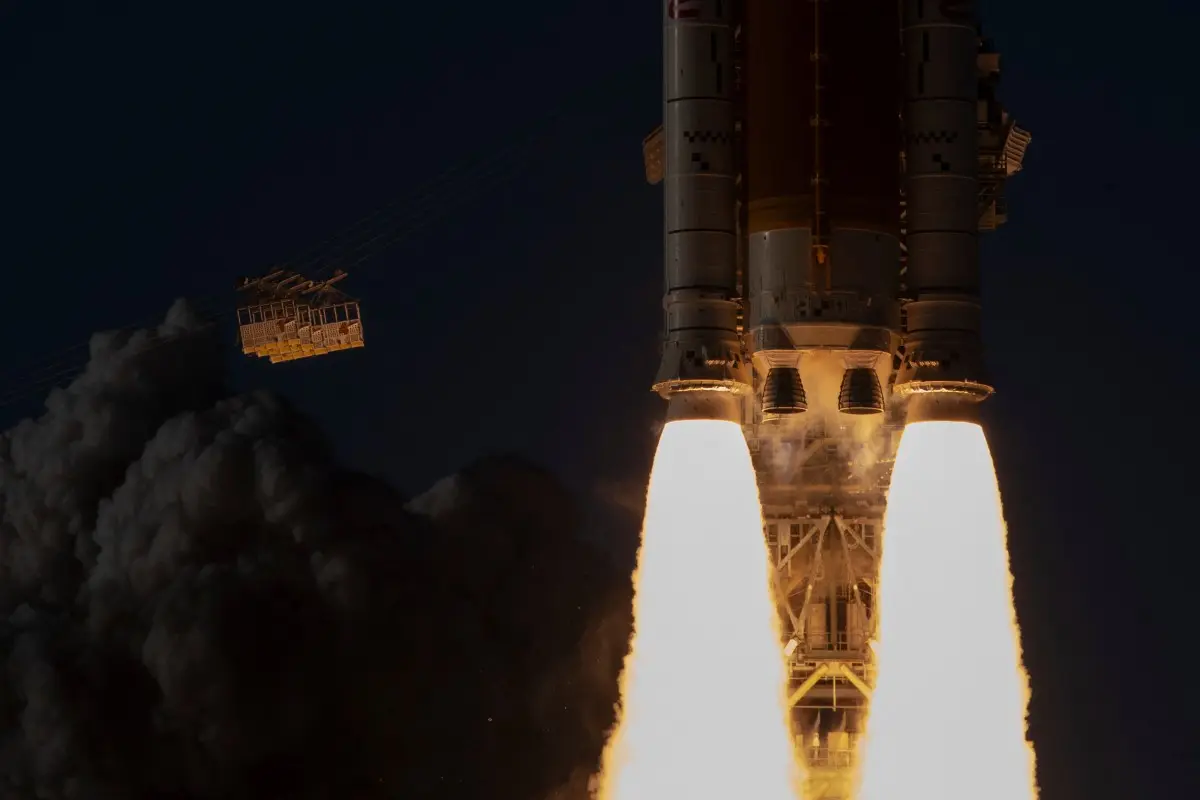
The SLS rocket launched with Orion on the evening of April 1. Four astronauts are on a historic journey to deep space for the first time in 54 years. However, the spacecraft will not go to the Moon until everything is deemed fine while it stays in a high Earth orbit. The crew will remain in this region for over a day, check life-support systems and perform manual manoeuvring exercises.
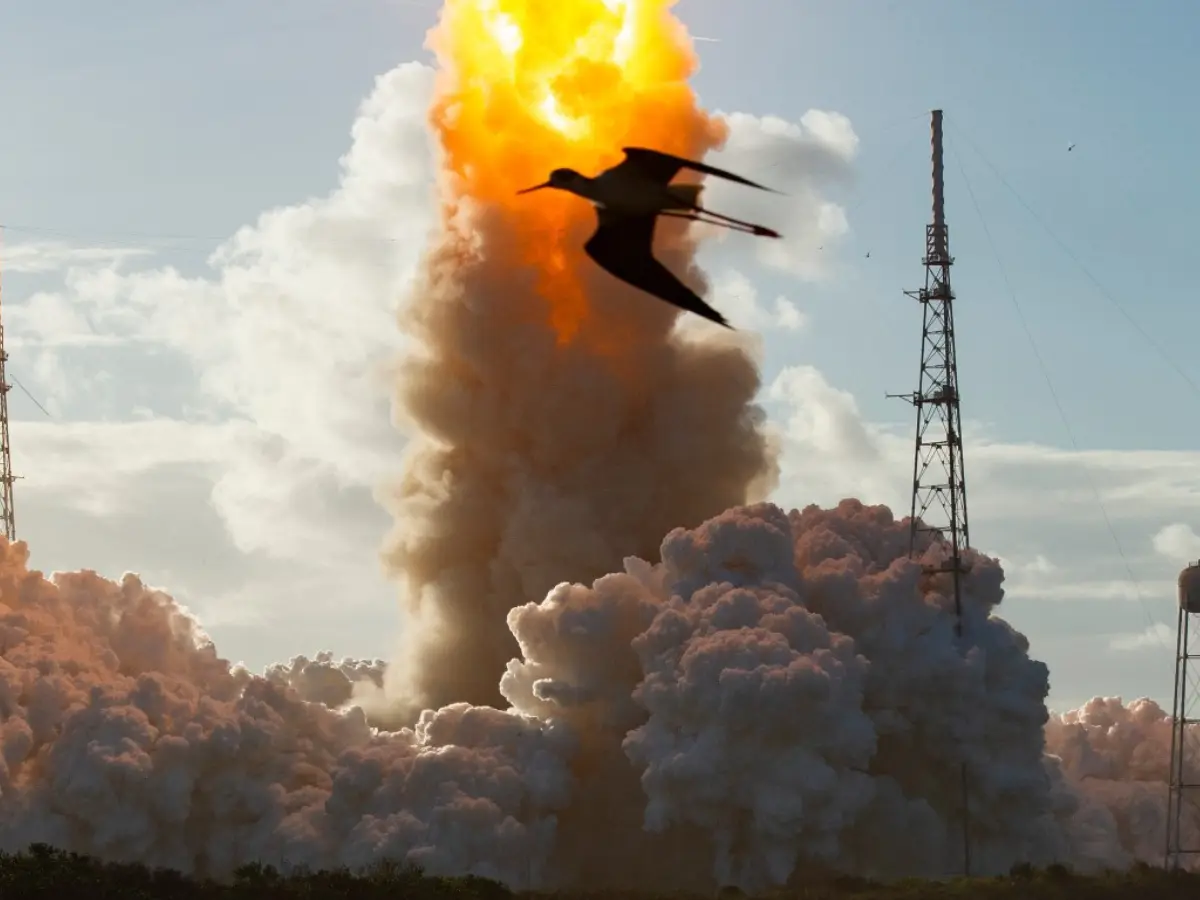
When will Artemis II leave for the Moon?
Orion will make a move towards the Moon on April 2. The Interim Cryogenic Propulsion Stage (ICPS) will perform the Trans-Lunar Injection (TLI) burn, which will push Orion out of Earth's orbit and send it flying to the Moon.
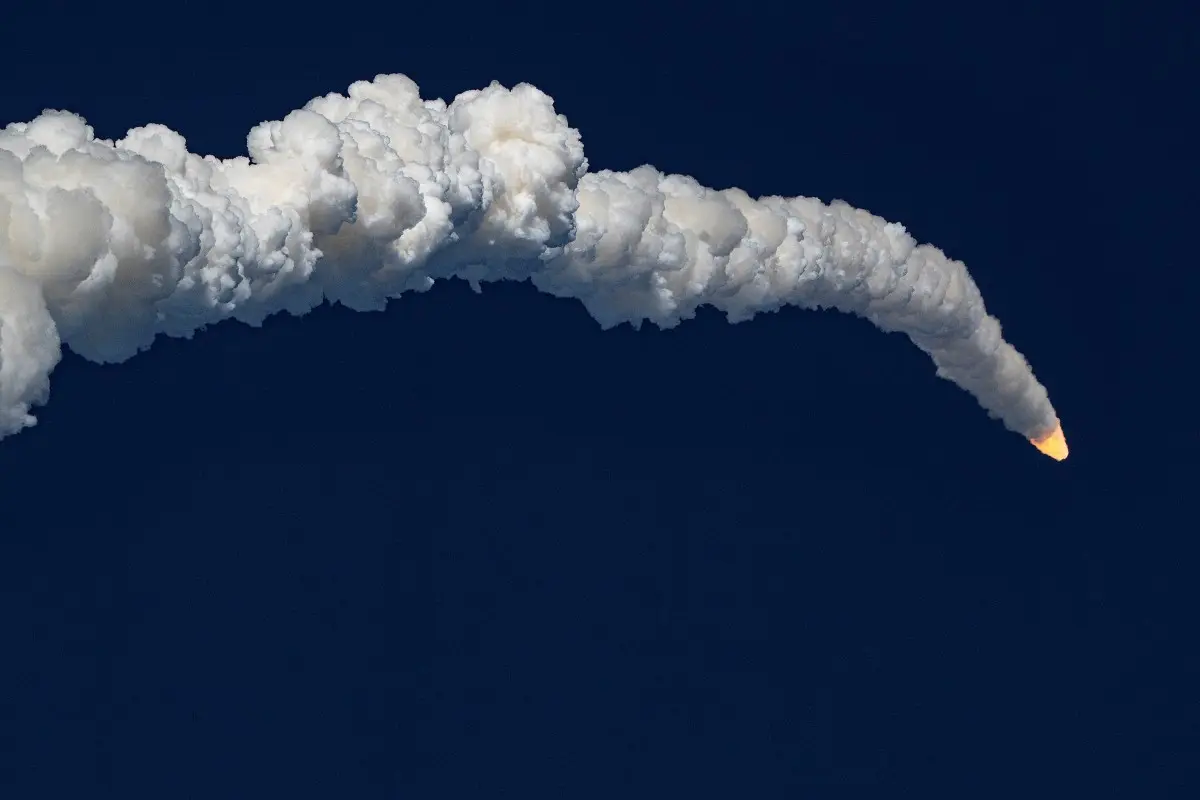
When will Artemis II Orion reach the Moon?
It will take Orion around four days to reach the Moon. The spacecraft is scheduled to reach the intended lunar area on April 6. During the trip, astronauts will practice the tasks they'll perform during the lunar flyby.
Will Artemis II spacecraft Orion enter Moon's orbit?
The Artemis II mission is not intended to enter the Moon's orbit. The spacecraft will stay thousands of kilometres above the surface. The astronauts will get stunning views of the Moon, which will appear the size of a basketball when held at an arm's distance.

For how long will astronauts remain at the Moon?
They will have only about three hours during Orion's closest pass above the lunar surface to complete their survey. NASA has handed them a long list of observations that they are expecting to make.
How and When will Artemis II Orion return?
The trajectory will take Orion on a path where it will perform a crucial lunar flyby. It will go around the far side of the Moon. The spacecraft will travel 7,500 kilometres beyond the surface of the Moon on the far side. From here, it will slingshot back to Earth. This ensures that even if the main engines fail, the spacecraft will return safely. After another four days, the spacecraft will make a high-speed reentry and splashdown in the Pacific Ocean on April 10.
)
)
)
)
)