Artemis II returns: What time is the splashdown and how to watch live in India

Artemis II return and splashdown time in India: The crew is set to return on April 10. They will make a fireball entry through the Earth's atmosphere as the temperatures on the outside reach over 2,700 degrees Celsius. The Artemis II return can also be livestreamed on Netflix.
Artemis II astronauts return to Earth
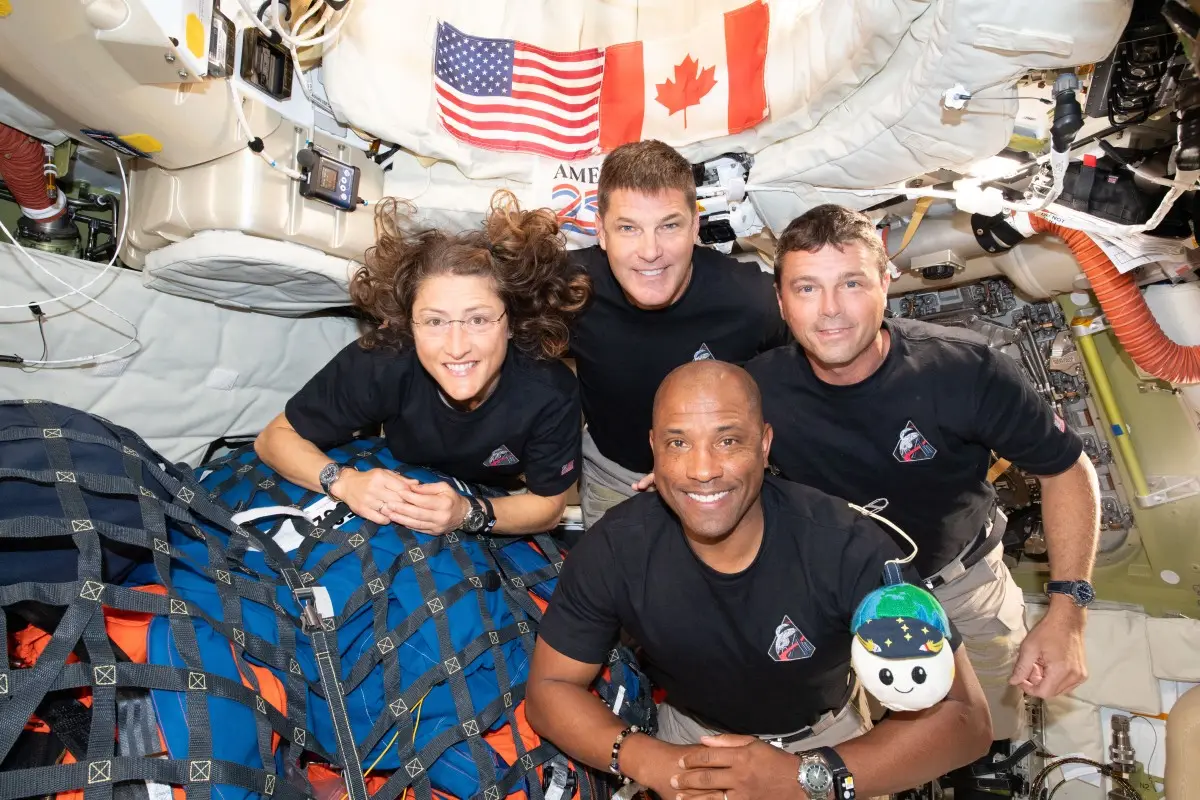
Artemis II astronauts are returning to Earth on April 10. The splashdown will be streamed live by NASA and another astrophysicist. Orion, carrying NASA astronaut Reid Wiseman, Victor Glover, Christina Koch and Canadian astronaut Jeremy Hansen, is set to return off the coast of San Diego, California. Here is everything you need to know.
What time is the Artemis II splashdown?
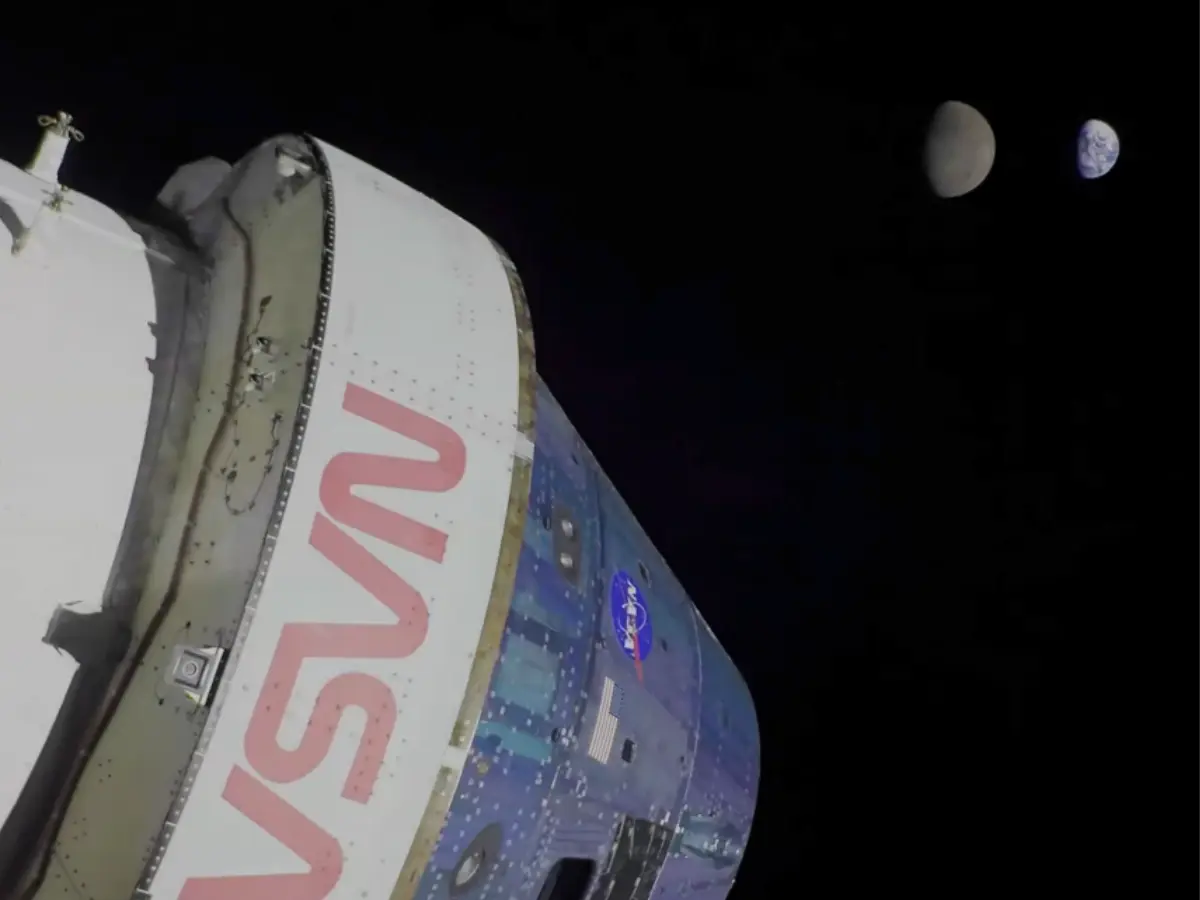
The splashdown is scheduled to happen at 8.07 pm ET (5:07 am IST April 11) on April 10. NASA teams on the ground are completing final preparations.
Where to watch Artemis II return live? NASA and Netflix
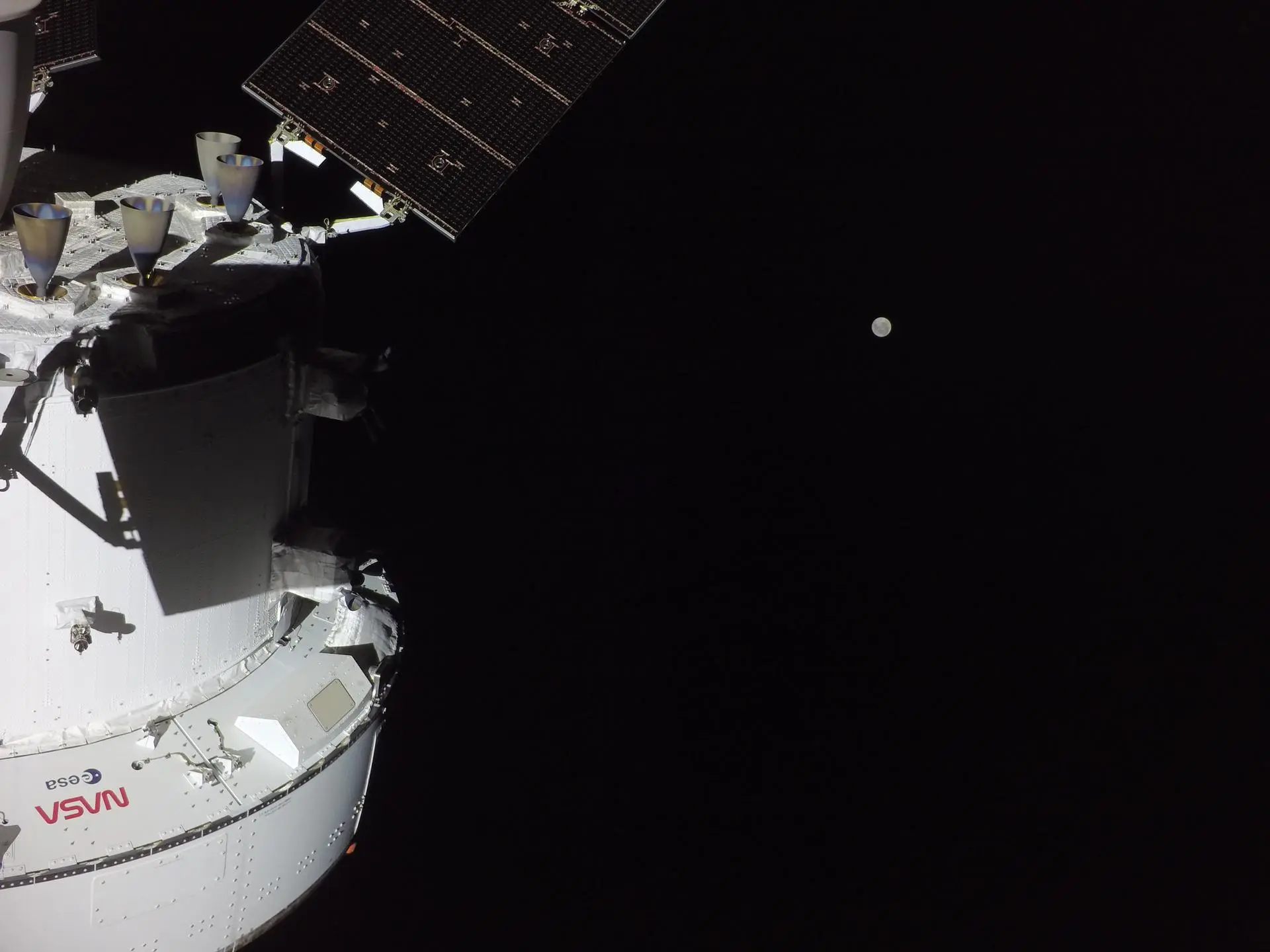
NASA has been livestreaming the entire mission on its website and NASA+. Another place to watch it is the Virtual Telescope Project (VTP) livestream. It is hosted by astrophysicist Gianluca Masi and will begin at 10:45 pm ET on April 9.

Watch Artemis II splashdown live on Netflix
For the first time, a spacecraft splashdown is also being streamed live on Netflix. This is part of a partnership with NASA+. In India, the livestream on Netflix begins at 4 am April 11.

How are astronauts preparing for Artemis II return and splashdown?
On their last full day in space, the astronauts will review the re-entry and splashdown procedures and conduct a return trajectory correction burn. Koch and Hansen will stow and secure all the equipment. They will remove the cargo and locker netting and install and adjust crew seats. The crew will also review the latest weather briefing, recovery force status, and entry timeline.
Orion will fall at 40,000kmh as temperatures rise to 2,700 degrees Celsius
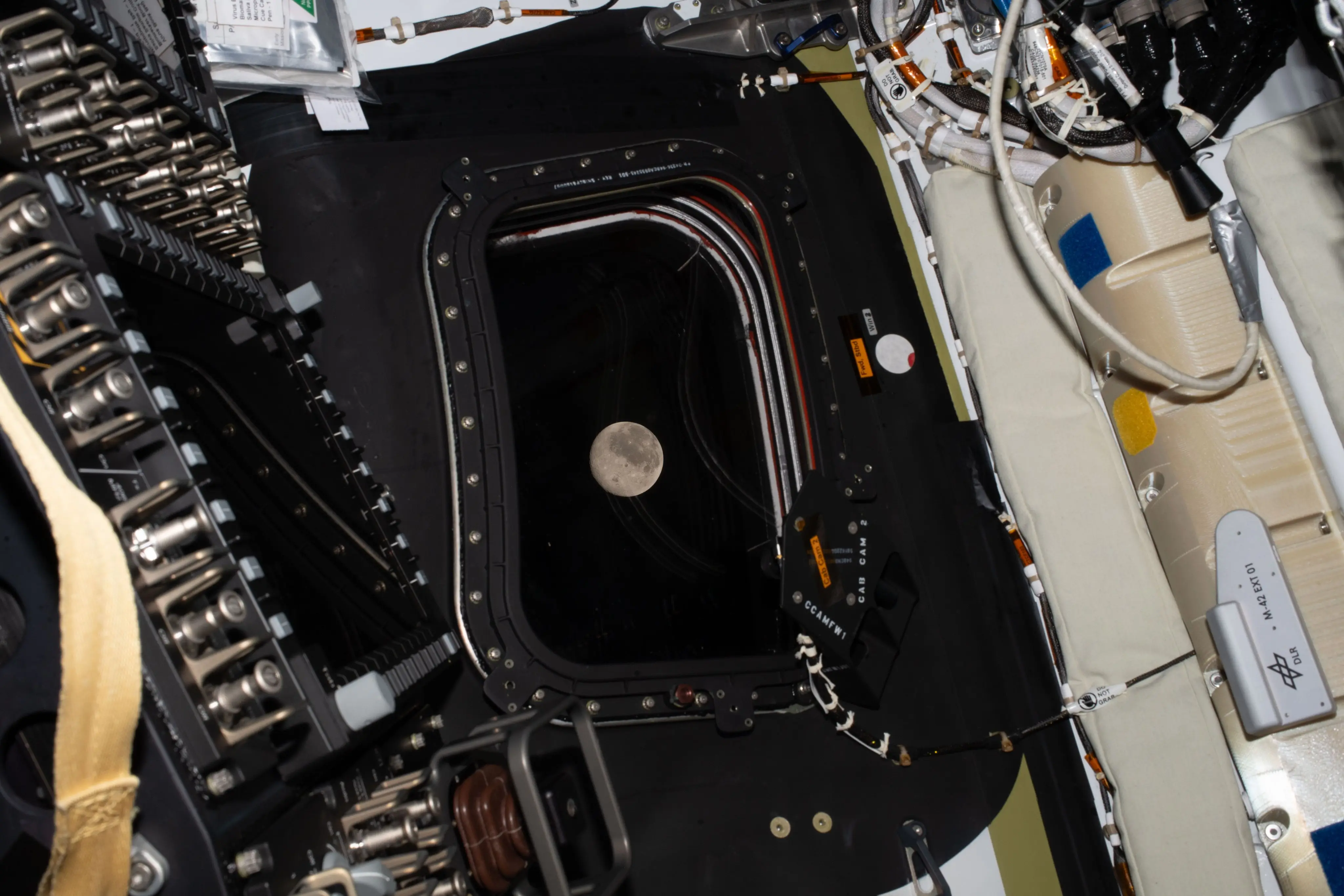
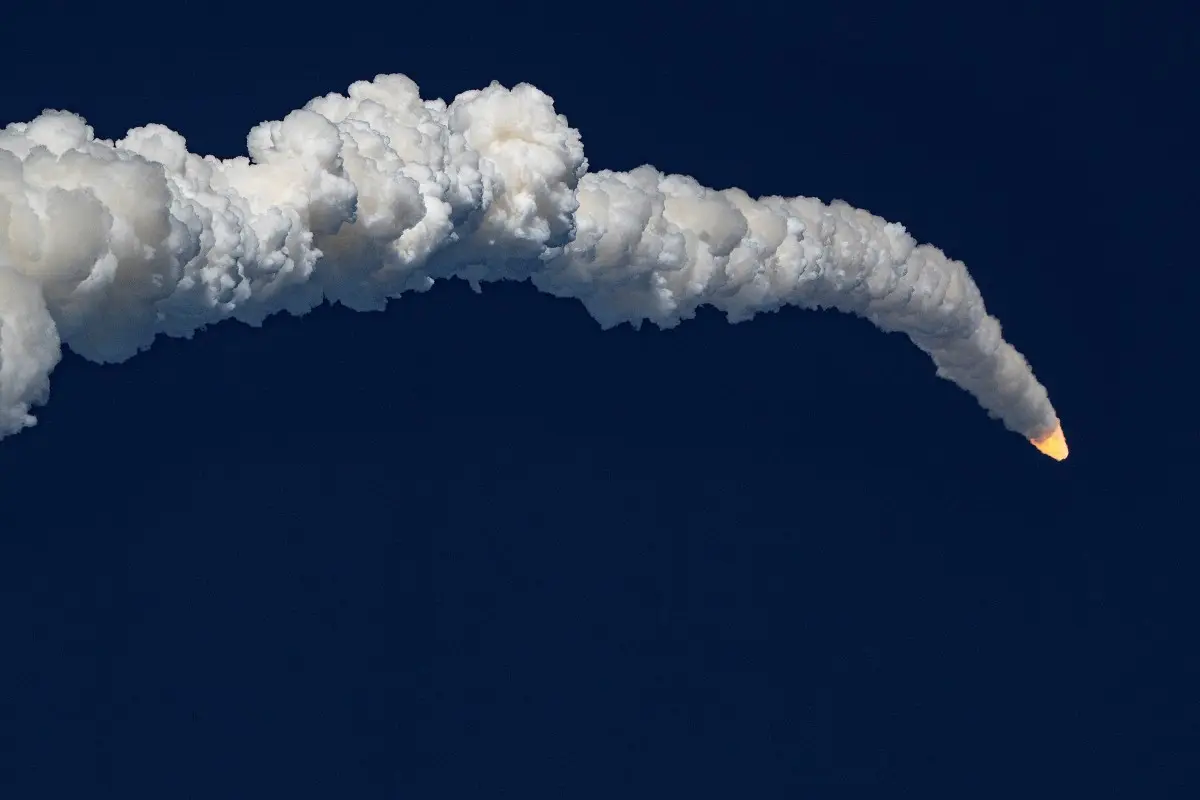
The Artemis II service module will separate from the capsule when the spacecraft is 122 kilometres above Earth. The initial fall will be at whopping speeds of 40,000 km per hour. The air in front of the spacecraft will get compressed, triggering temperatures outside the capsule to rise by nearly 2,700 degrees Celsius.
Artemis II return details
A layer of plasma, superheated gas, will form on the outside and temporarily block all radio signals from reaching the spacecraft. Later, two drogue parachutes will deploy to slow down the spacecraft by as much as 480 km per hour. Then a set of pilot parachutes and three massive main parachutes will deploy, and the splashdown will occur in the Pacific Ocean.
Orion' heat shield and the fireball return
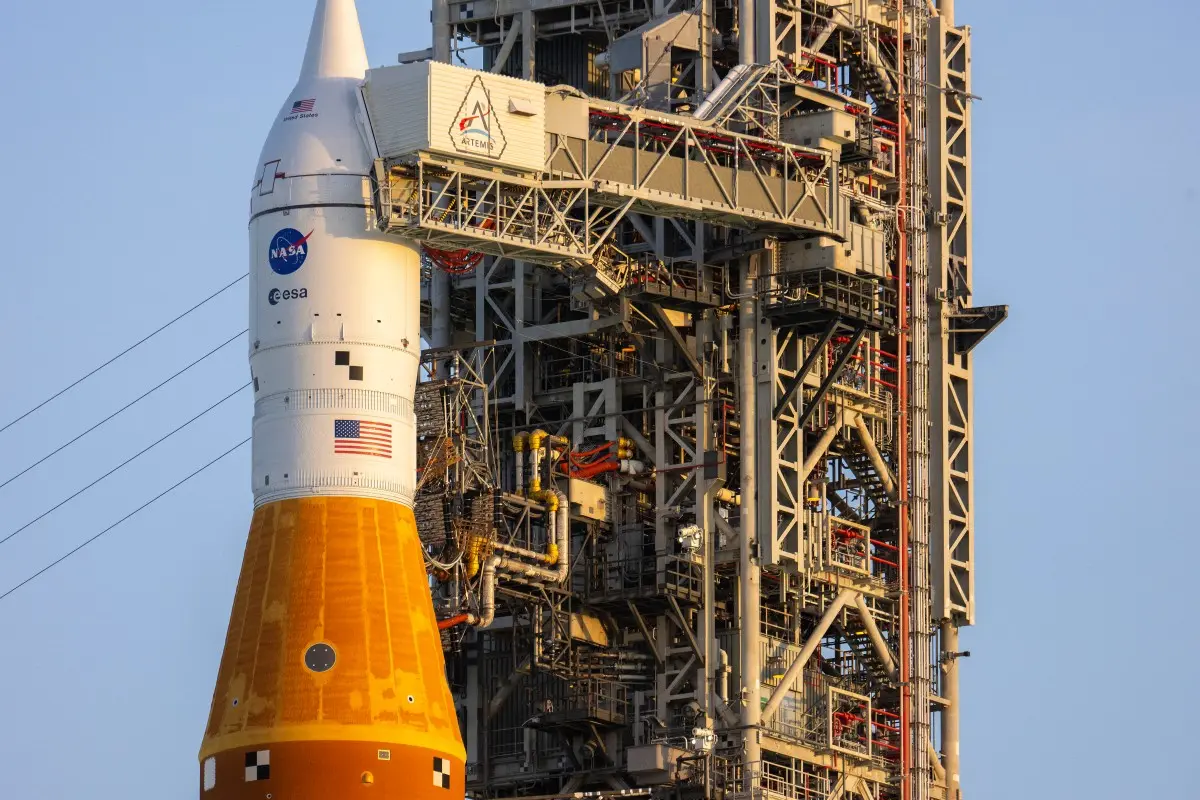
The return has been dubbed as one of the most dangerous parts of the Artemis II mission, as the astronauts will be tumbling in a fireball. The safety of the crew depends on the heat shield that "has to work", NASA administrator Jared Isaacman said. Temperatures outside Orion will touch 2,700 degrees Celsius, and Orion’s 16½-foot-wide heat shield has to endure this extreme heat.
)
)
)
)
)