Artemis II 40-minute silence: When astronauts will be left floating in space with no contact

The Artemis II crew will be out of touch with mission control back on Earth for 40 minutes when Orion flies behind the far side of the Moon. It will be an isolating experience during which time the astronauts will be fully focused on observing the Moon.
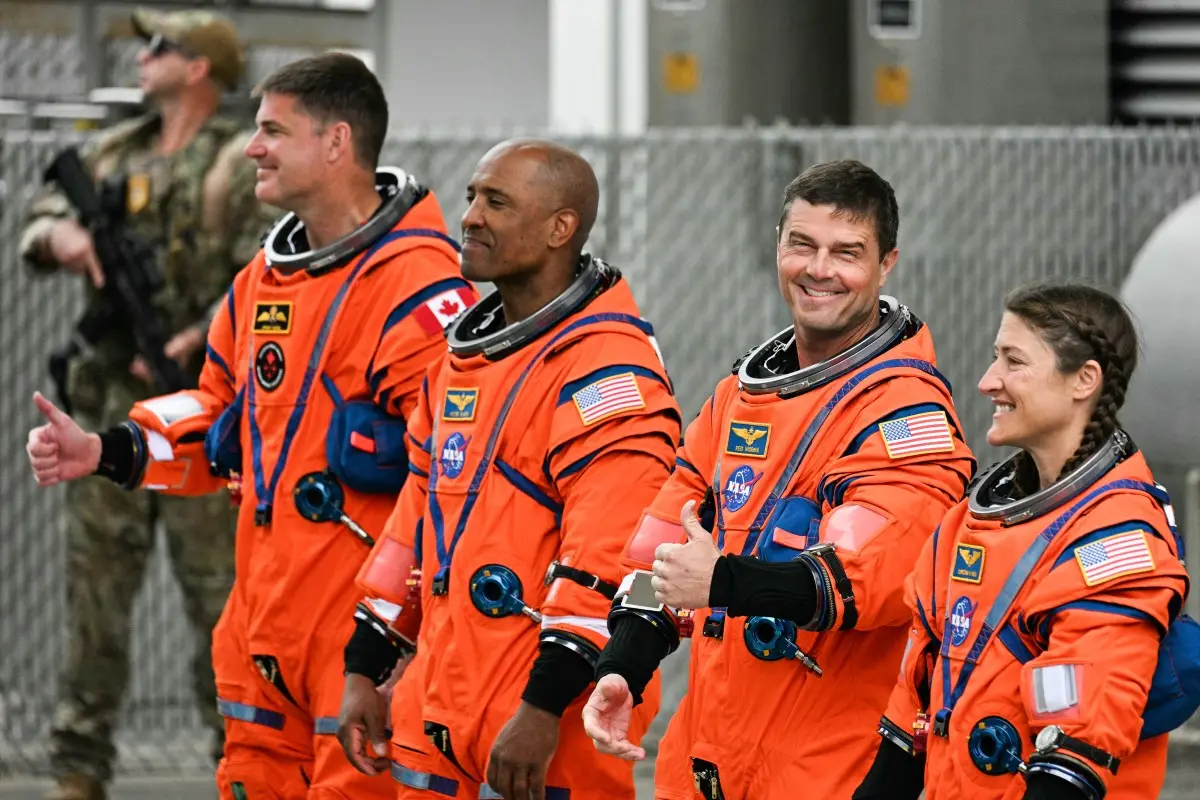
All communication will be lost between Earth and Artemis II crew
Artemis II astronauts will soon be floating in space without any contact with Earth. The scary isolation aboard Orion will happen when the spacecraft goes behind the far side of the Moon, which will cut off all connection with mission control in Houston, Texas. Communication between NASA scientists and the spacecraft is established through radio and laser signals.
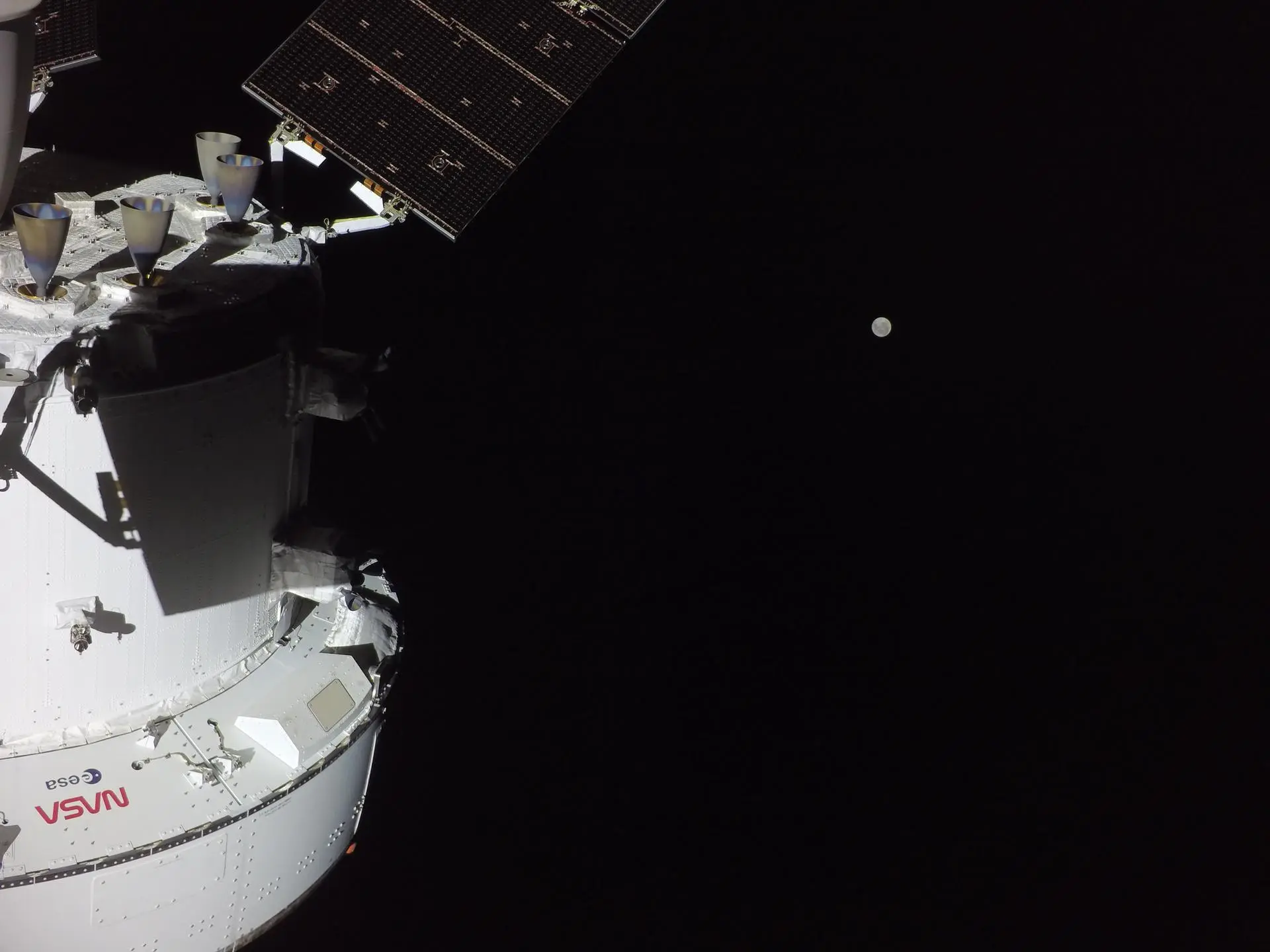
Moon will block signals from Earth
But when Orion moves behind the Moon on Monday, April 6, these signals will be blocked. This will leave the Artemis II crew without any link with Earth. The astronauts will be 400,000 kilometres from home with no contact, a scenario enough to give anyone the jitters, but a moment that will leave them deeply impacted for the rest of their lives.
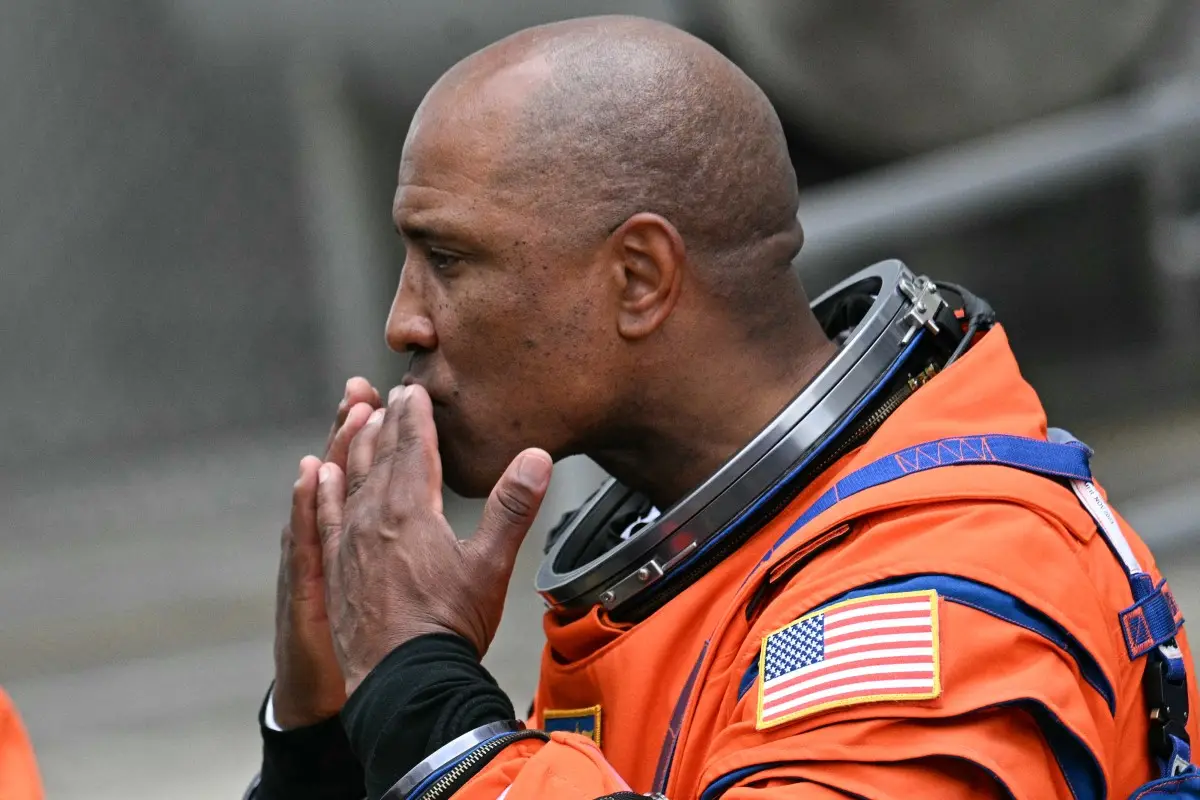
NASA astronaut calls for prayers and good thoughts
The crew is prepared for it and hopes people back on Earth will unite to say a little prayer for them. Artemis pilot Victor Glover told the BBC before the mission, "When we're behind the Moon, out of contact with everybody, let's take that as an opportunity. Let's pray, hope, send your good thoughts and feelings that we get back in contact with the crew."
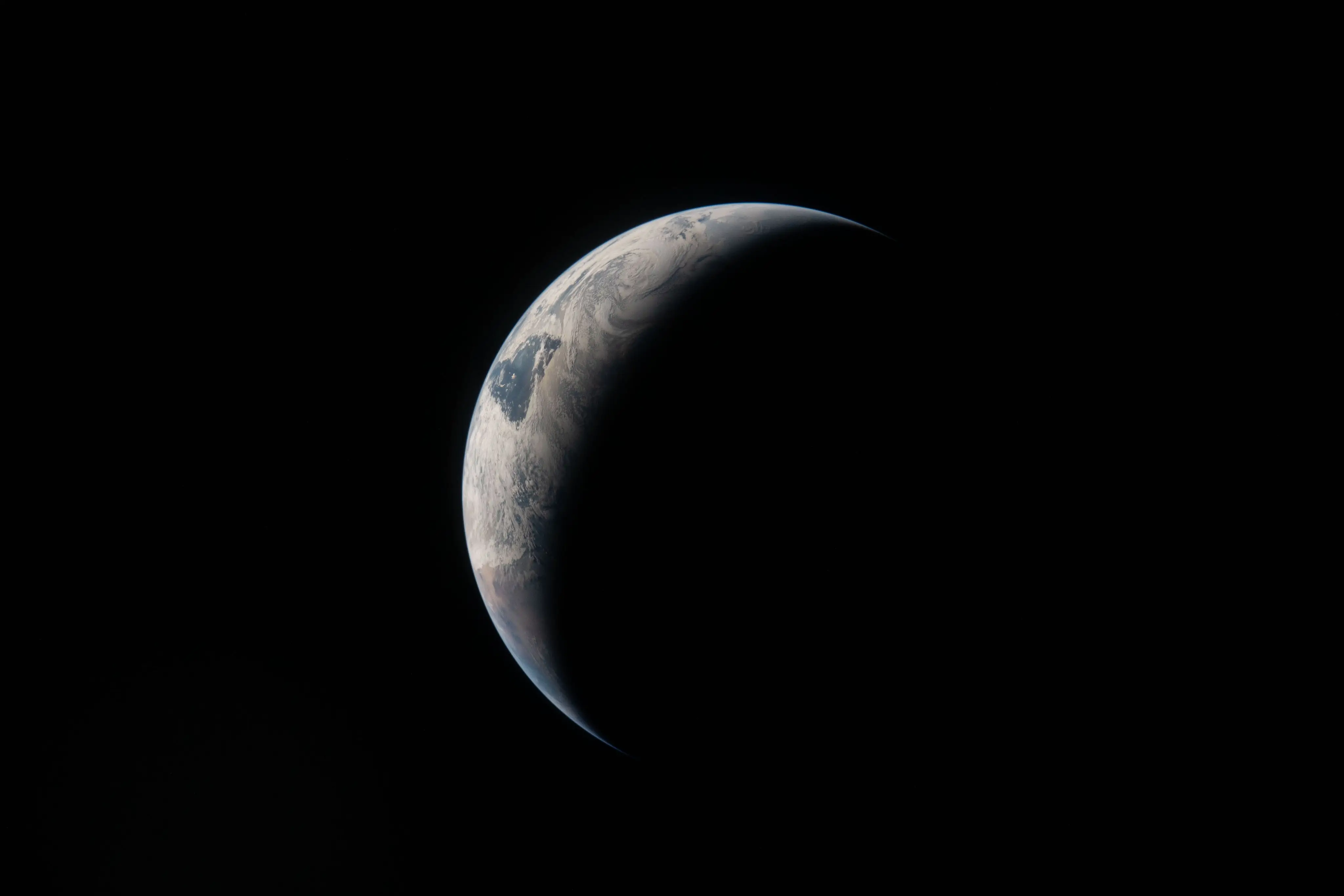
What time will Orion go behind the Moon?
Orion is set to move behind the Moon at 4:17 am IST, Tuesday, losing all signal with Earth. Orion is doing a flyby of the Moon, during which time it will get to see views of the Moon that have never before been seen by any humans. The spacecraft is travelling 7,500 kilometres beyond the lunar surface, way farther than Apollo ever went.
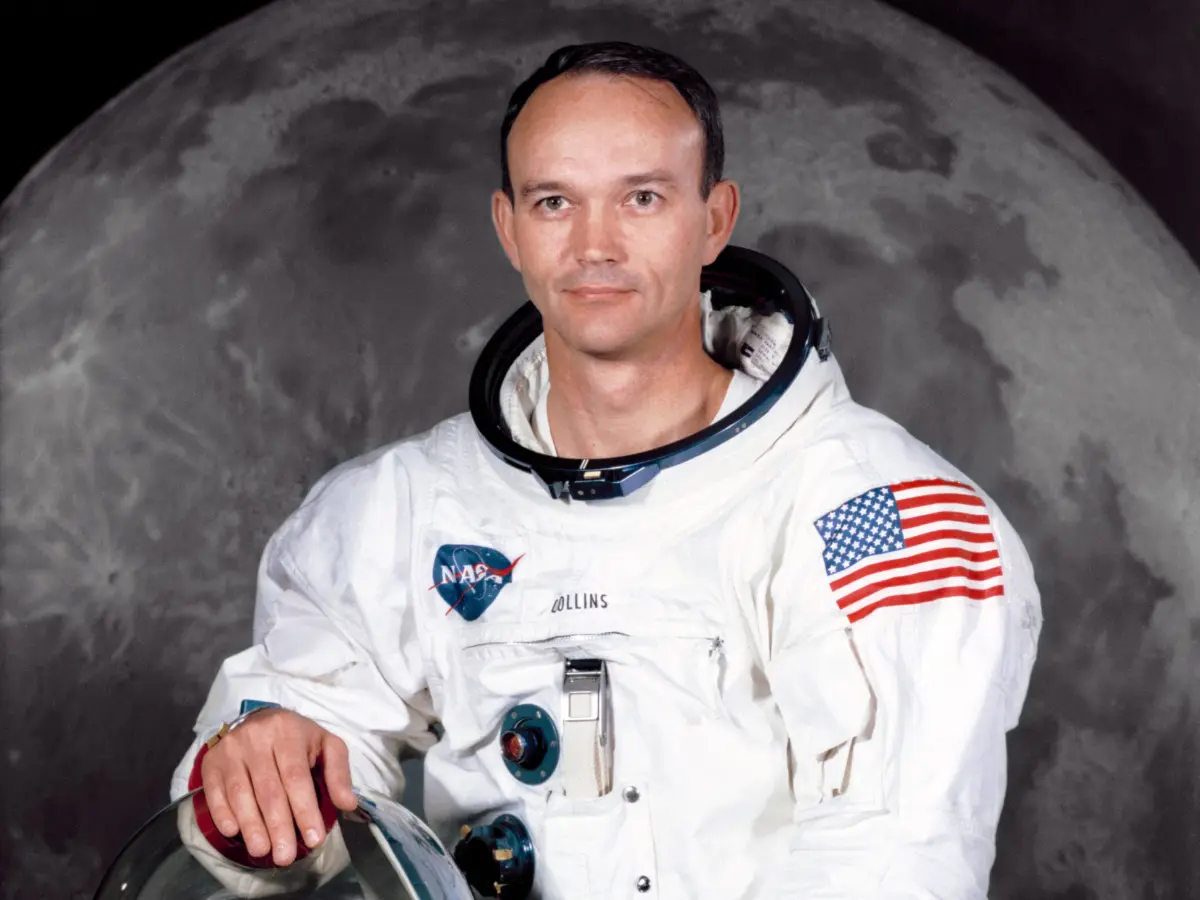
Apollo 11 astronaut Michael Collins lost all contact in 1969
The 40-minute loss of signal during a lunar flyby is something only one other astronaut has ever experienced. In 1969, when Neil Armstrong and Buzz Aldrin stepped foot on the Moon, Michael Collins remained in the command module that continued orbiting the Moon. When the capsule went behind the far side, he lost all contact with the two astronauts on the lunar surface and with the mission control for 48 minutes.
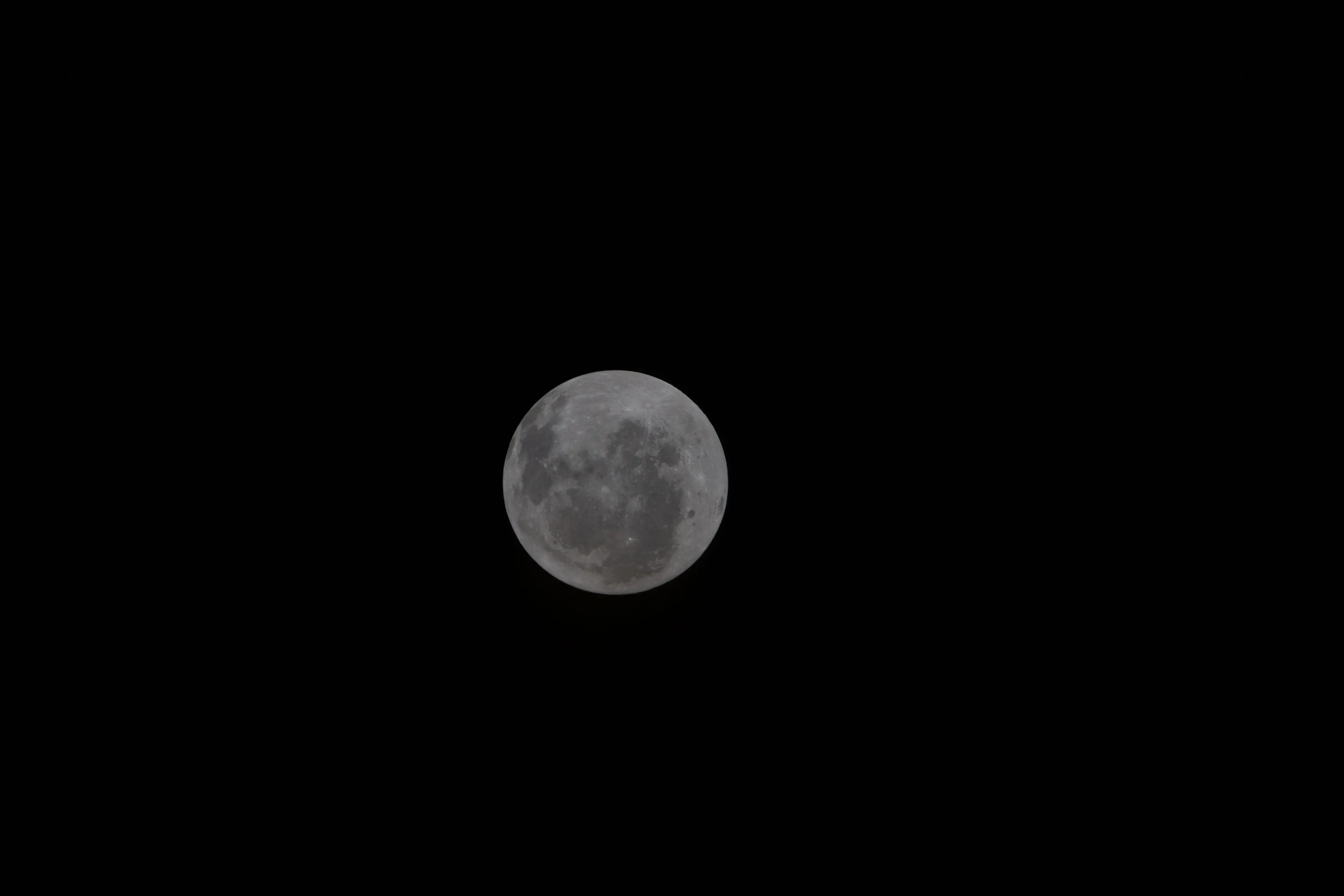
Astronaut isolated in dark expanse of space
In his 1974 memoir, Carrying the Fire, Collins described the experience, saying that he felt "truly alone" and "isolated from any known life". However, he said he was not afraid and neither did he feel lonely. In other interviews, he said the radio silence gave him a break from the constant requests from mission control.
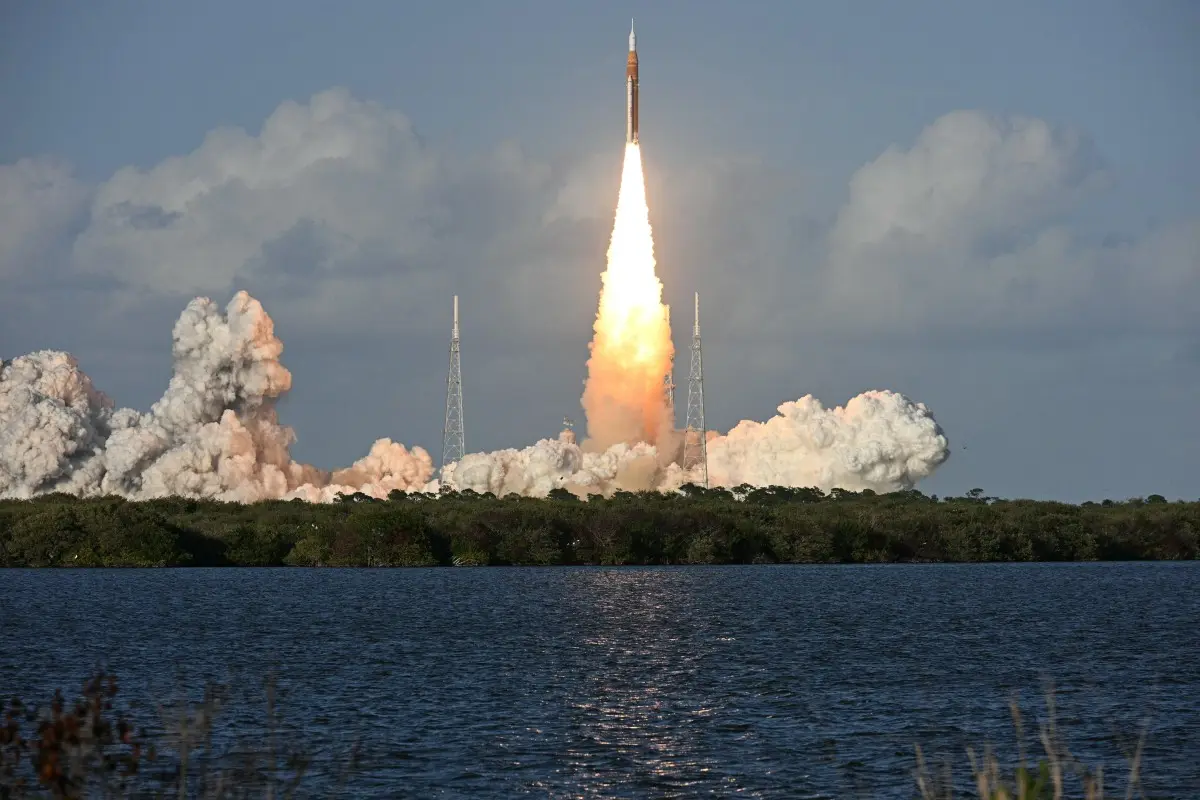
Communication problem with the Moon
To fix this communication problem for future missions, the European Space Agency is planning to launch a network of satellites around the Moon under the programmes called Moonlight. Their presence is expected to keep communication up and running even when humans spend days on the far side of the Moon.
)
)
)
)
)