Arsenic creams, lead powders and deadly lipsticks: Inside history’s most lethal beauty trends

From lead powders to arsenic wafers, this is how the quest for fairer skin and rosier lips once endangered lives, and how modern science turned fatal fashion into safer routine.
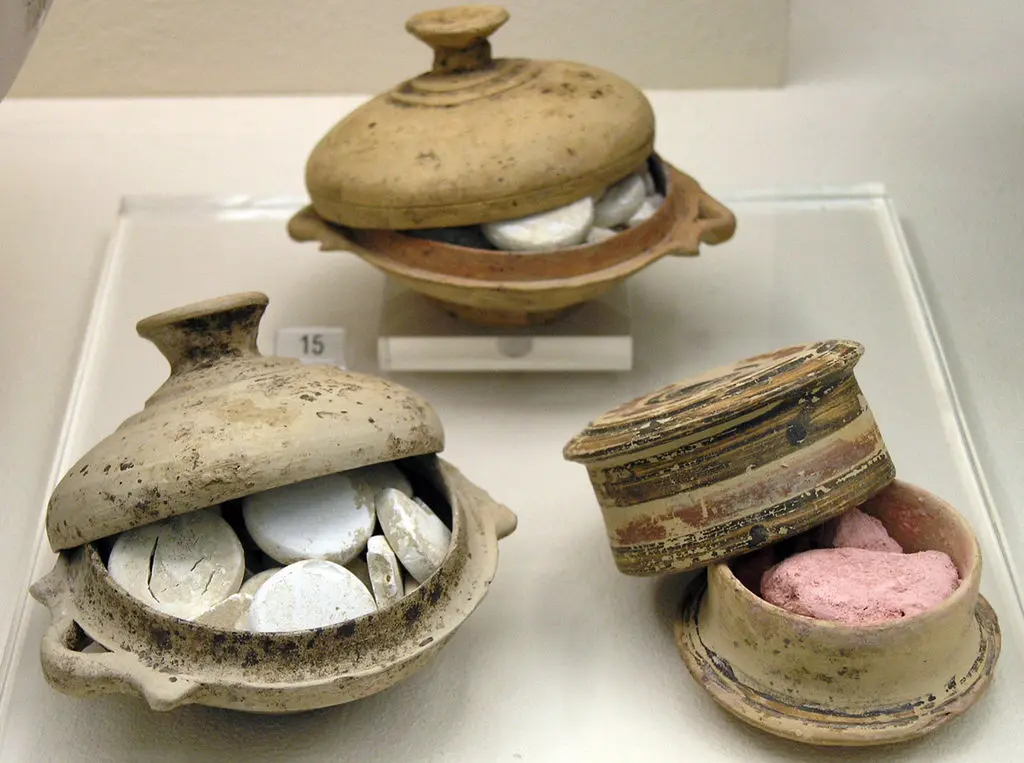
The History of Toxic Makeups
For centuries, the pursuit of beauty has come at a hidden cost. Long before safety standards and dermatologists, many of history’s most popular cosmetics were laced with ingredients now known to be highly poisonous. From lead powders to arsenic wafers, this is how the quest for fairer skin and rosier lips once endangered lives, and how modern science turned fatal fashion into safer routine.
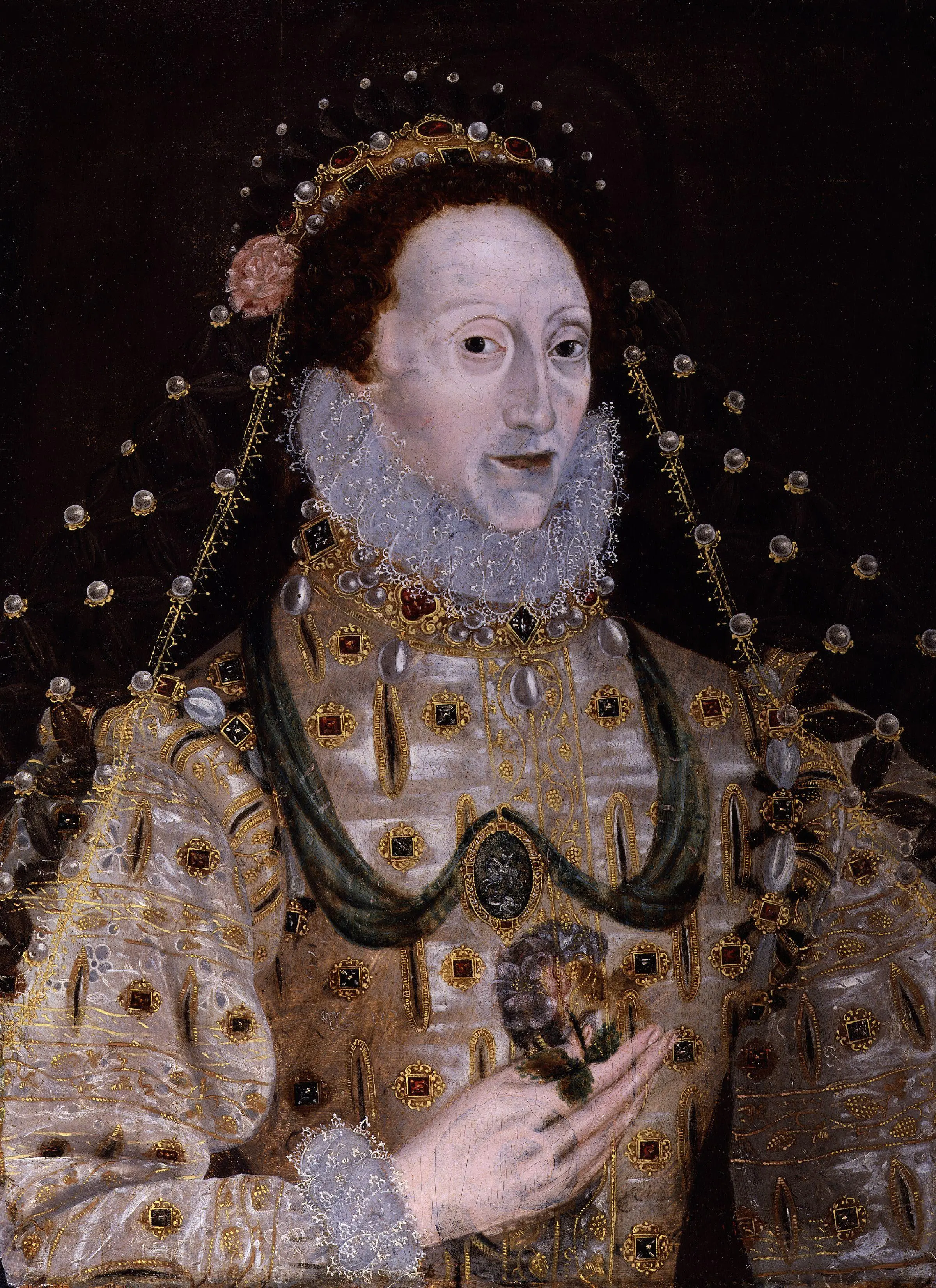
Pale skin at a deadly price
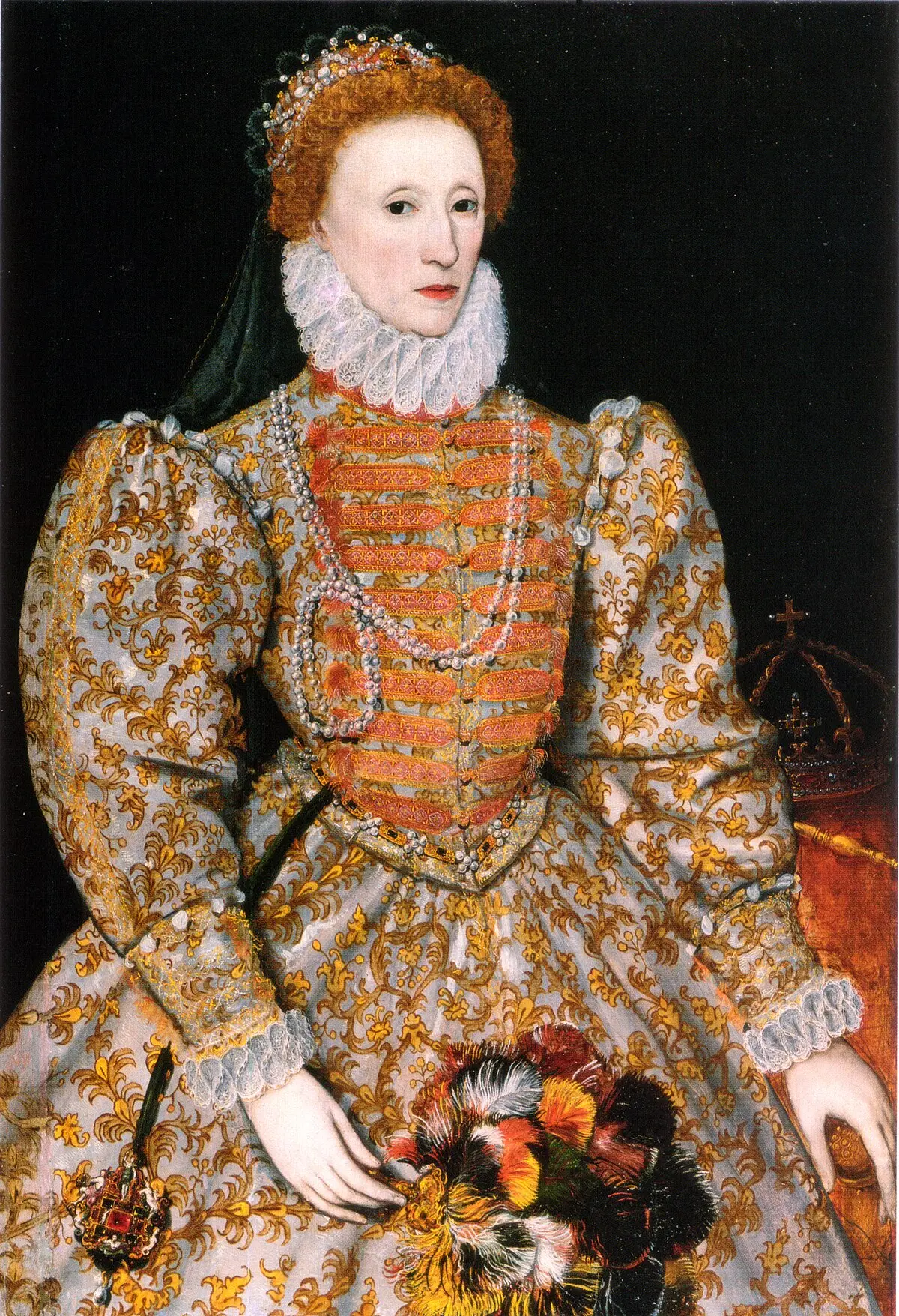
In Renaissance and 18th-century Europe, pale skin was the ultimate symbol of status. To achieve it, men and women dusted their faces with Venetian ceruse, a deadly mix of white lead and vinegar. This created a luminous, mask-like whiteness but slowly poisoned the wearer. Queen Elizabeth I famously used it to conceal smallpox scars, each layer corroding her skin and forcing heavier applications to hide the damage. Mercury-based spot treatments only compounded the toxicity. Historians believe this ruthless beauty ritual hastened Elizabeth’s decline, making her an icon of lethal vanity. Users suffered hair loss, skin eruptions, and sometimes fatal lead poisoning. Yet the obsession with an unearthly pale complexion endured for centuries—proof that the pursuit of beauty can come at a deadly price.
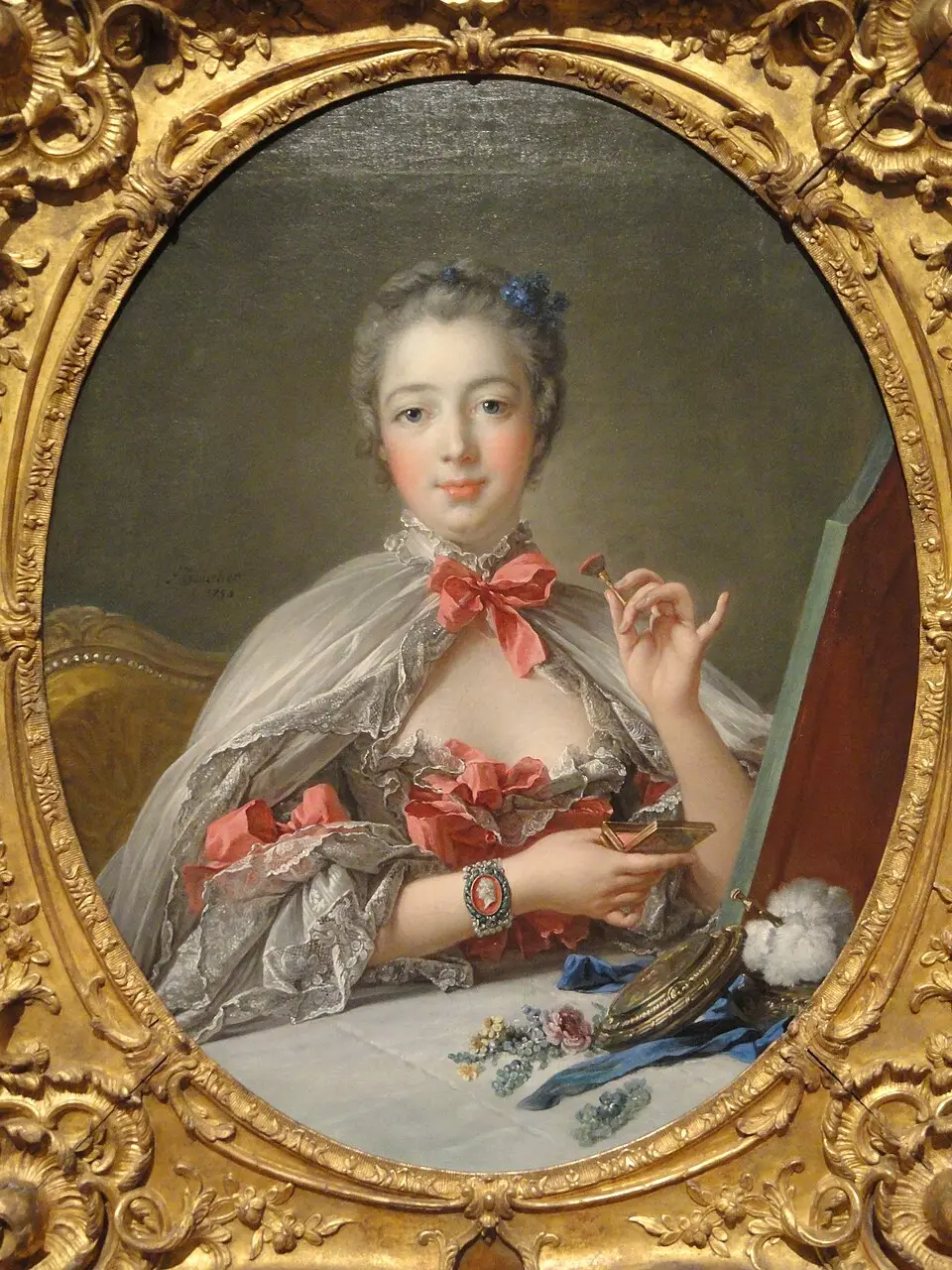
The fatal glow of arsenic
In the Victorian era, beauty seekers turned to arsenic wafers and pills marketed to 'improve complexion' and smooth the skin. Arsenic, known to cause organ failure in high doses, was believed to whiten the face from within. Some even bathed in arsenic-infused solutions or consumed small amounts daily, convinced that the poison’s slow effect would keep them youthful. Unsurprisingly, many suffered chronic illness without knowing the real cause.
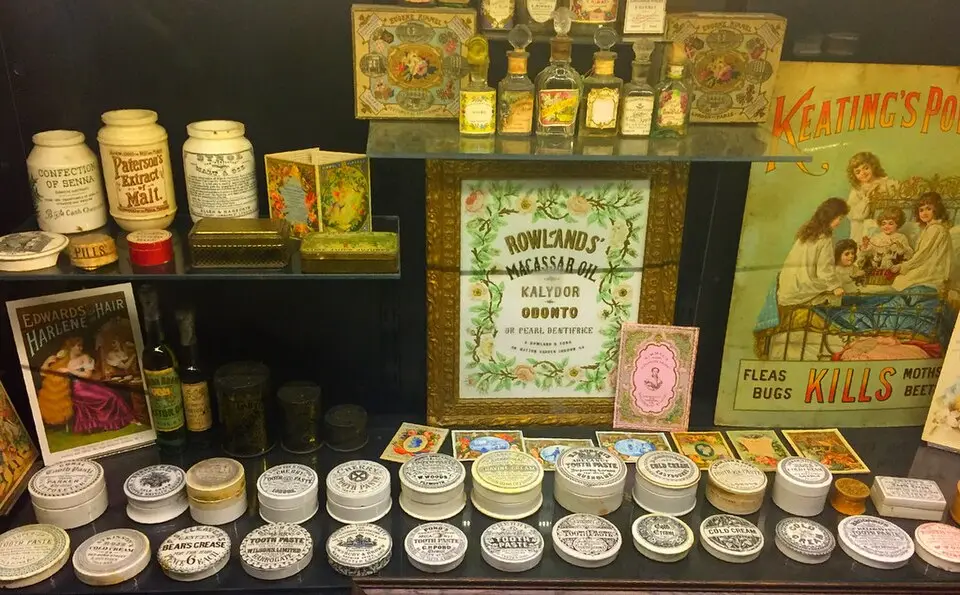
Mercury in powders and creams
Another common ingredient was mercury, used widely in skin lightening creams and ointments. Mercury’s bleaching properties faded freckles and spots but also damaged the nervous system over time. Historical records show that prolonged exposure caused tremors, memory loss and severe skin irritation. Yet the shimmering glow it gave made it a staple in the make-up chests of Europe and parts of Asia.
Lipsticks with lethal shine
Red lips, too, came with hidden danger. Early lipsticks often contained vermilion, a bright pigment derived from mercury sulphide. Some shades used carmine extracted from insects, but the brightest, longest-lasting reds relied on lead compounds and other heavy metals to enhance colour and sheen. These ingredients could be slowly absorbed through the delicate skin of the lips.
Hair to Die For: Lead-Soaked Lotions
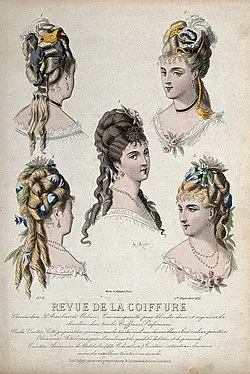
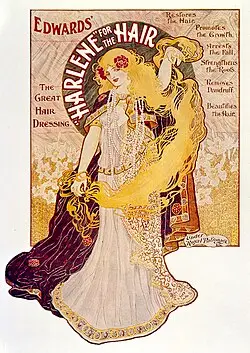
Golden locks and silvery hair tints weren’t born from harmless dyes, but from lotions heavy with lead acetate. Promising radiant color and shine, these concoctions stealthily poisoned users over time. Symptoms ranged from splitting headaches and blackened gums to hair loss and even death. What began as a daily ritual of beauty transformed into a lethal habit, as each careful application brought women one step closer to irreversible lead poisoning, all for strands deemed worthy of envy.
Eyes That Could Kill: Belladonna Drops
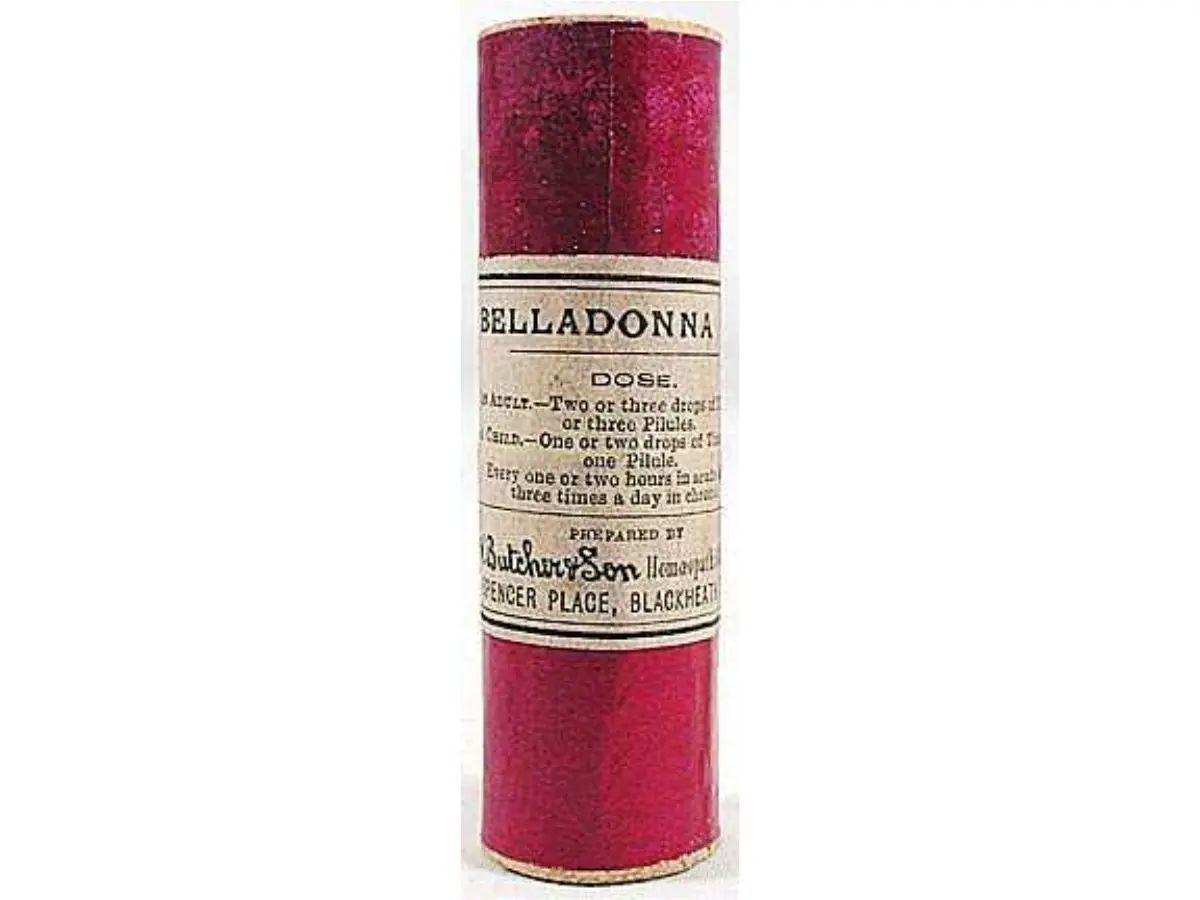
In pursuit of irresistibly wide, glistening eyes, Victorian women dripped belladonna, literally 'beautiful woman', into their eyes. This toxic extract from deadly nightshade dilated pupils, lending a look of sultry allure that was all the rage. Yet behind the fluttering lashes lay horror: blurred vision, permanent eye damage, and in many cases, gradual blindness. The price of seduction wasn’t just pain, it was the slow, merciless loss of sight, all for a fleeting sparkle that society deemed essential.
The slow turn towards safer beauty
By the early 20th century, rising scientific awareness began to expose the hazards of toxic beauty products. Governments gradually introduced regulations banning lethal substances in cosmetics. The invention of synthetic pigments and safer chemical processes replaced arsenic and lead with FDA-approved colourants and non-toxic bases. Modern cosmetic brands are now tightly regulated, with strict limits on heavy metals and toxins. Still, the history of arsenic-laced pills and lead-laced lipsticks is a reminder of how beauty standards once endangered lives, and how far the industry has come in balancing allure with safety.
)
)
)
)
)