Armed drones vs loitering munitions: Destruction, range and speed compared

Armed drones (UCAVs) and loitering munitions differ fundamentally: one is a reusable aircraft, the other a sophisticated missile. Armed drones offer heavy firepower, high speed, and long endurance for multiple strikes. Loitering munitions are stealthy, designed for precise attacks.
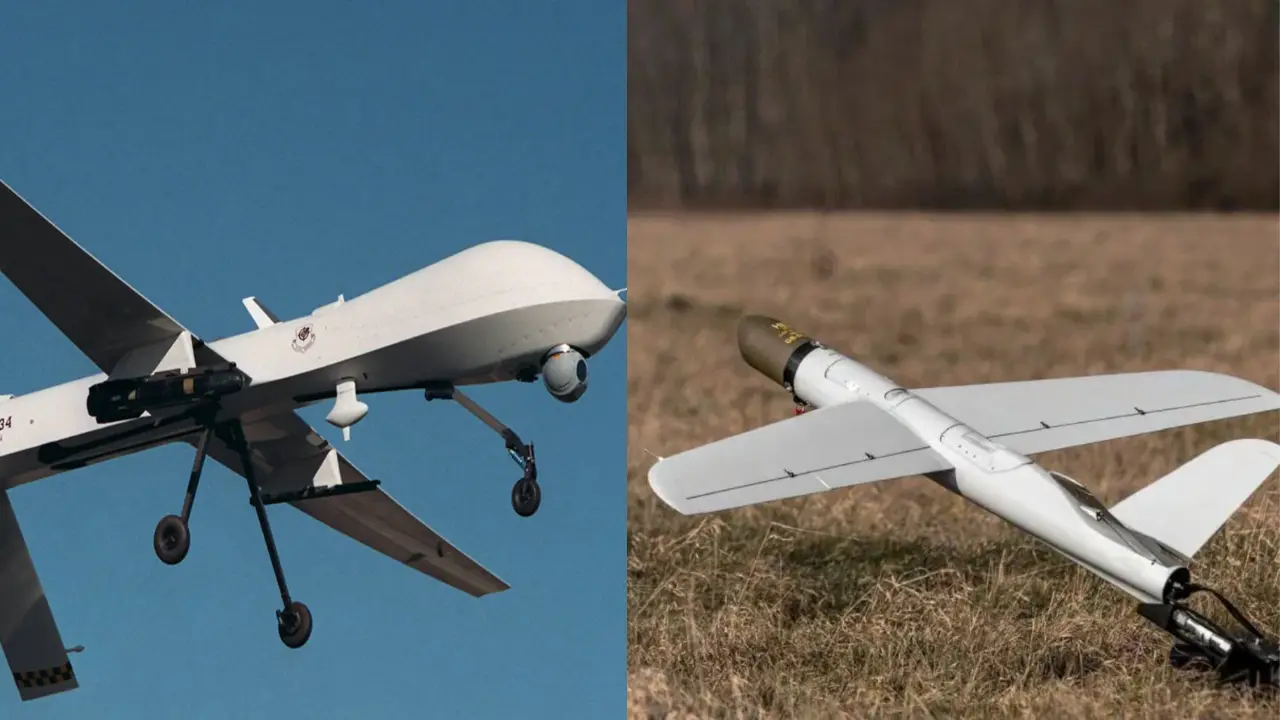
Difference
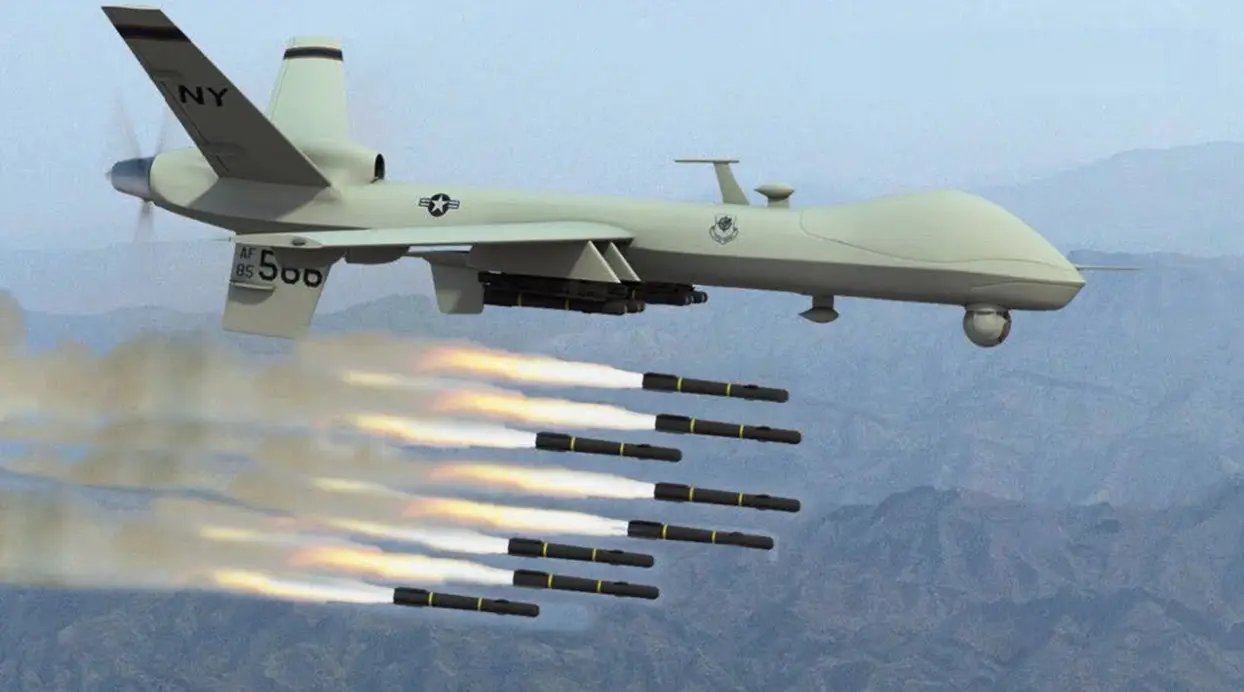
Reusable vs Expendable Armed drones like the MQ-9 Reaper are reusable aircraft that return base after firing missiles. In contrast, Defense News explains that loitering munitions (kamikaze drones) are "one-way" weapons that crash into their target, destroying themselves in the process.
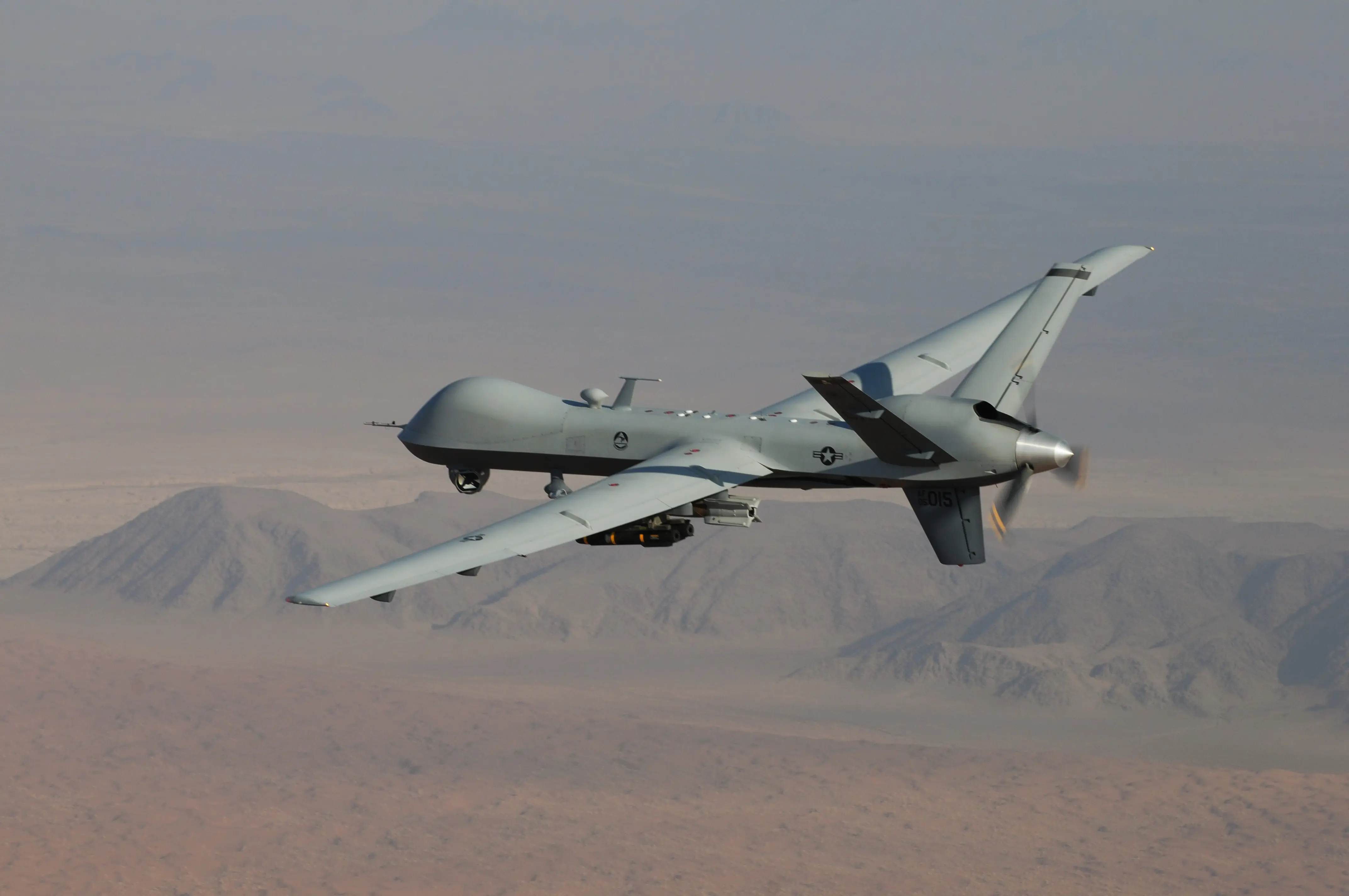
Speed
The Race to the Target Fast Strikes vs Slow Stalking Armed drones are generally faster; the MQ-9 Reaper cruises at 370 km/h to reach conflict zones quickly. Janes notes that loitering munitions like the Shahed-136 fly slower (around 185 km/h) to conserve fuel while hunting for targets.
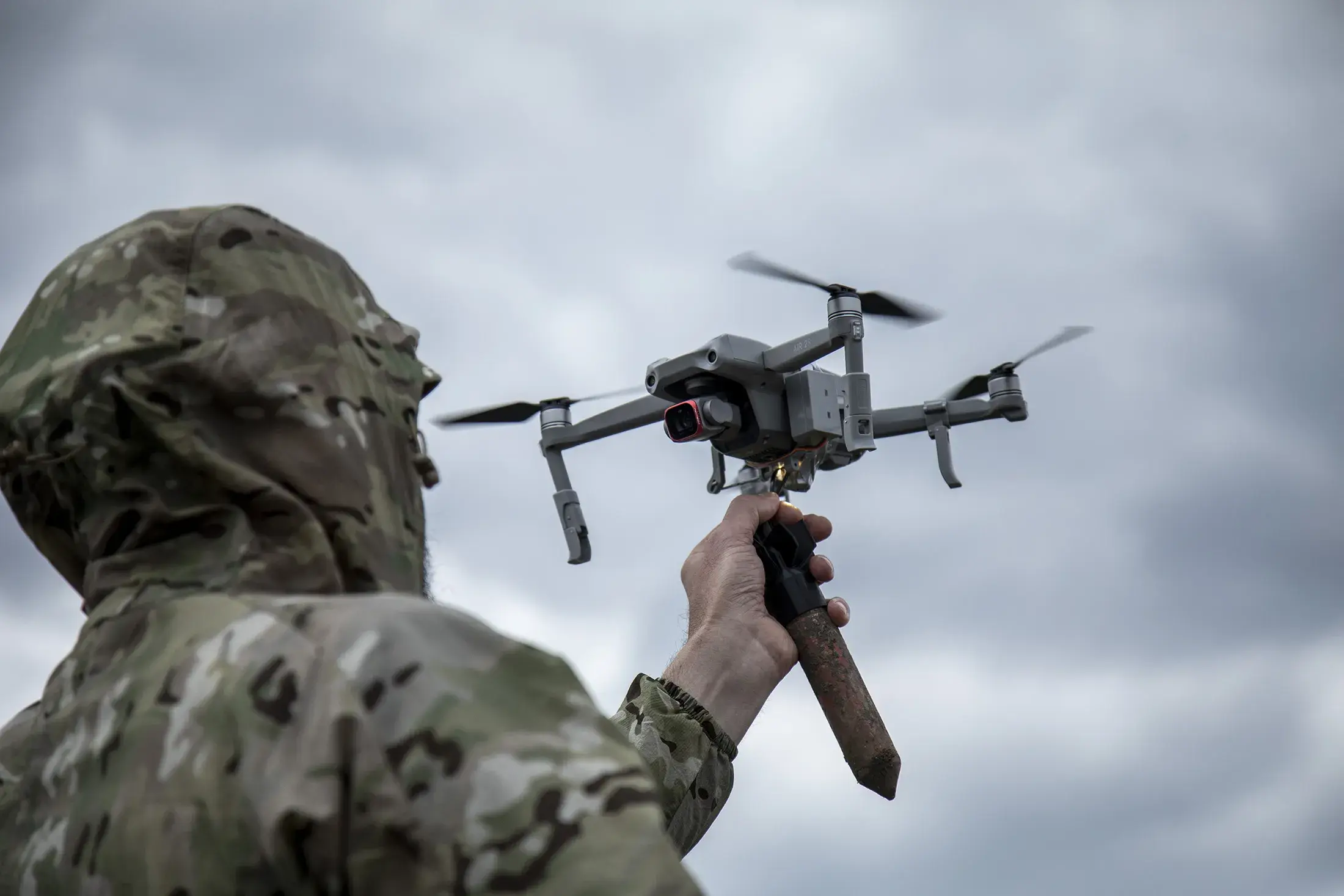
Range
Global Reach vs Tactical Limits Satellite Link vs Line-of-Sight Large armed drones fly thousands of kilometres using satellite links for global reach. The War Zone reports that most loitering munitions like the Switchblade 600 are tactical, restricted to a 40 km range, though long-range exceptions like the Shahed exist.
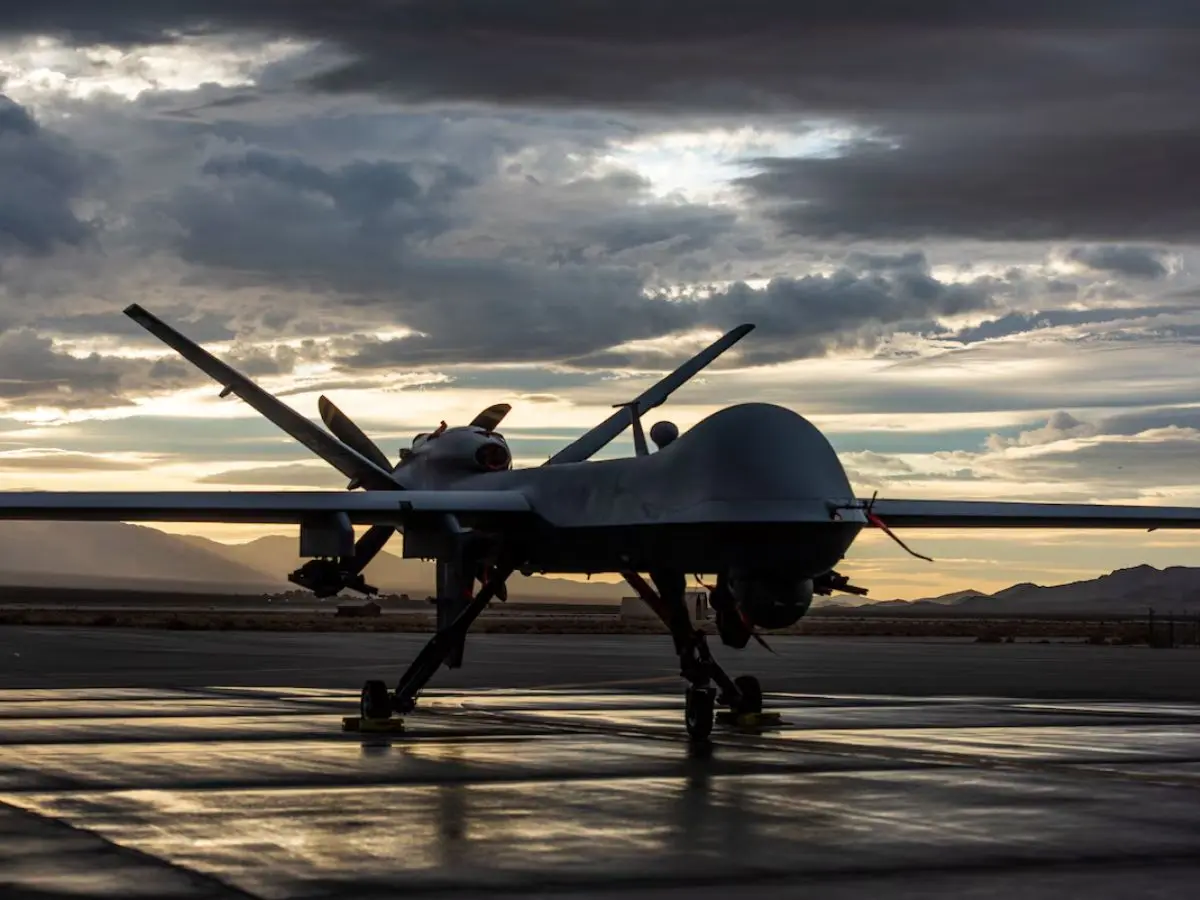
Destruction
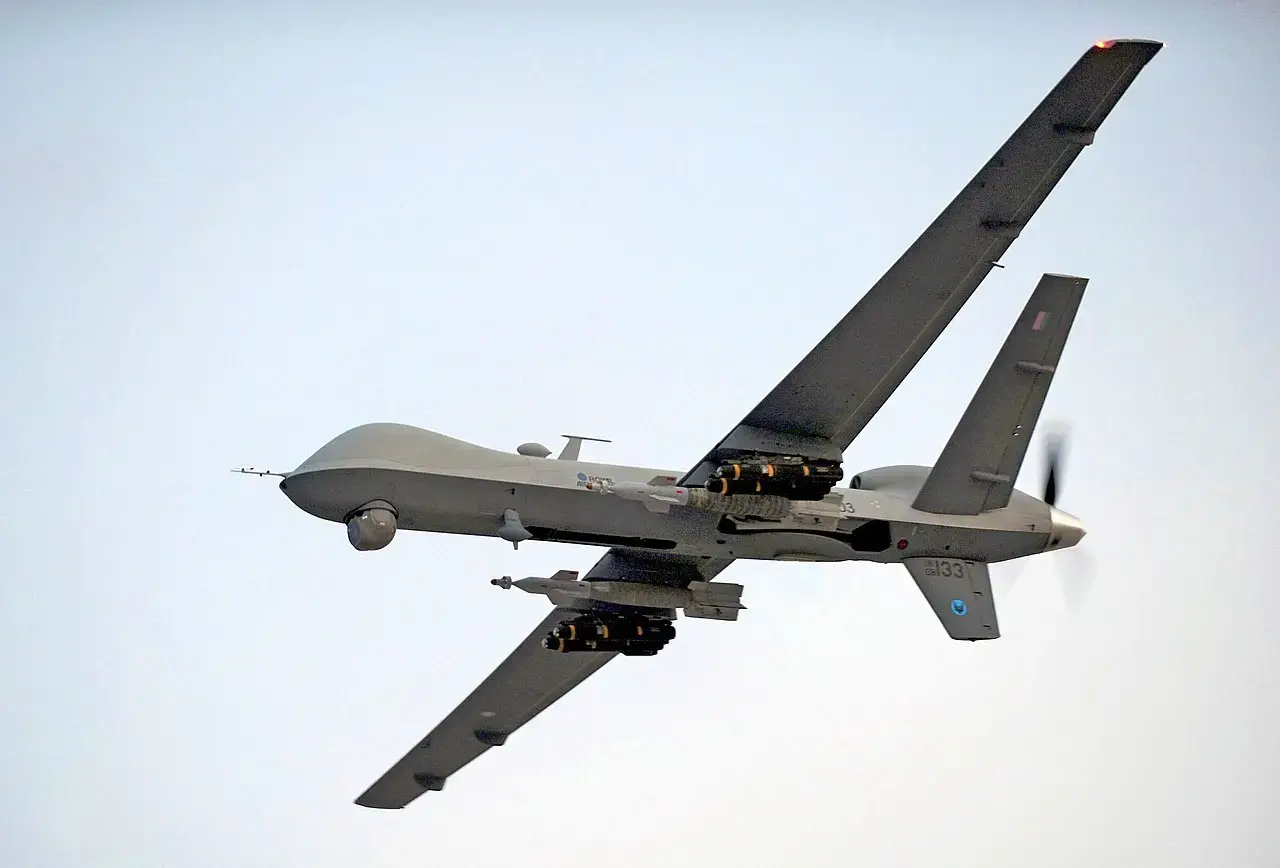
Heavy Payloads Multiple Missiles A single Reaper drone can carry up to 1,300 kg of ordnance, including Hellfire missiles to destroy multiple tanks. General Atomics data shows they offer sustained firepower, capable of striking several targets in a single mission.
Destruction Precision
Punches Focused Warheads Loitering munitions carry a smaller, single warhead integrated into their fuselage. AeroVironment highlights that the Switchblade 600 uses an anti-armour warhead similar to a Javelin, designed to surgically destroy a single tank or radar station.
Loitering Time
The 'Hang' Factor Waiting for the Shot Armed drones can patrol for 24+ hours, providing long-term surveillance. Royal United Services Institute notes that loitering munitions have shorter endurance (20-40 minutes for tactical versions), giving them a brief window to find and strike a target.
Stealth and Detectability
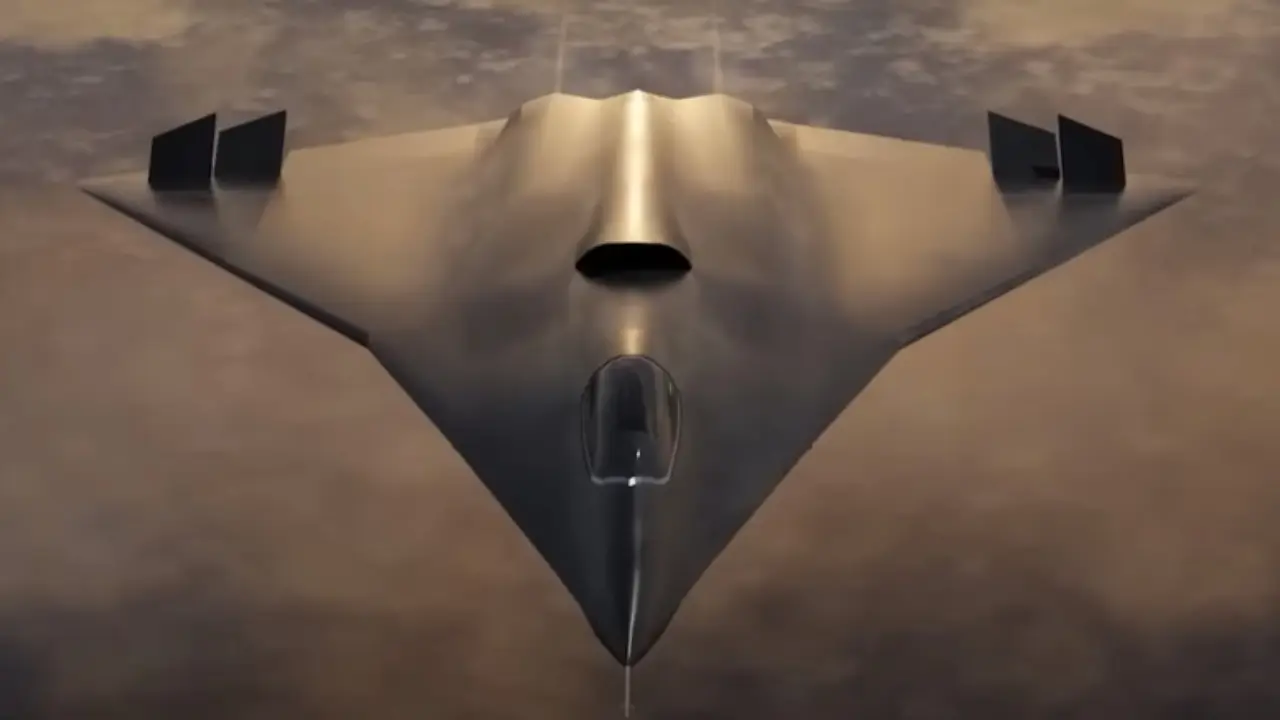
Harder to Shoot Down Large armed drones are easy targets for air defence systems due to their size. Breaking Defense observes that small loitering munitions have a tiny radar cross-section, making them extremely difficult to detect and intercept before impact.
)
)
)
)
)