Subamrine vs tsunamis- The SHOCKING truth about surviving nature's deadliest waves

What happens when a submarine is caught in the chaotic waves? Are these fortresses safe from the towering waves? Or are some dangers also lurking beneath the surface?
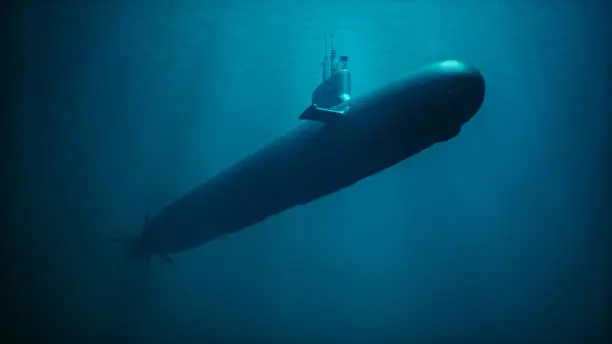
Deep is safer
A submarine that's submerged deep in the ocean is comparatively safer from a Tsunami. However, the safe word doesn't imply invulnerability. Tsunamis create an immense force that can still pose risks. U.S. Coast Guard and NOAA advise that during a tsunami, vessels should avoid attempting to escape on the surface—instead, if possible, vessels should move to deeper waters
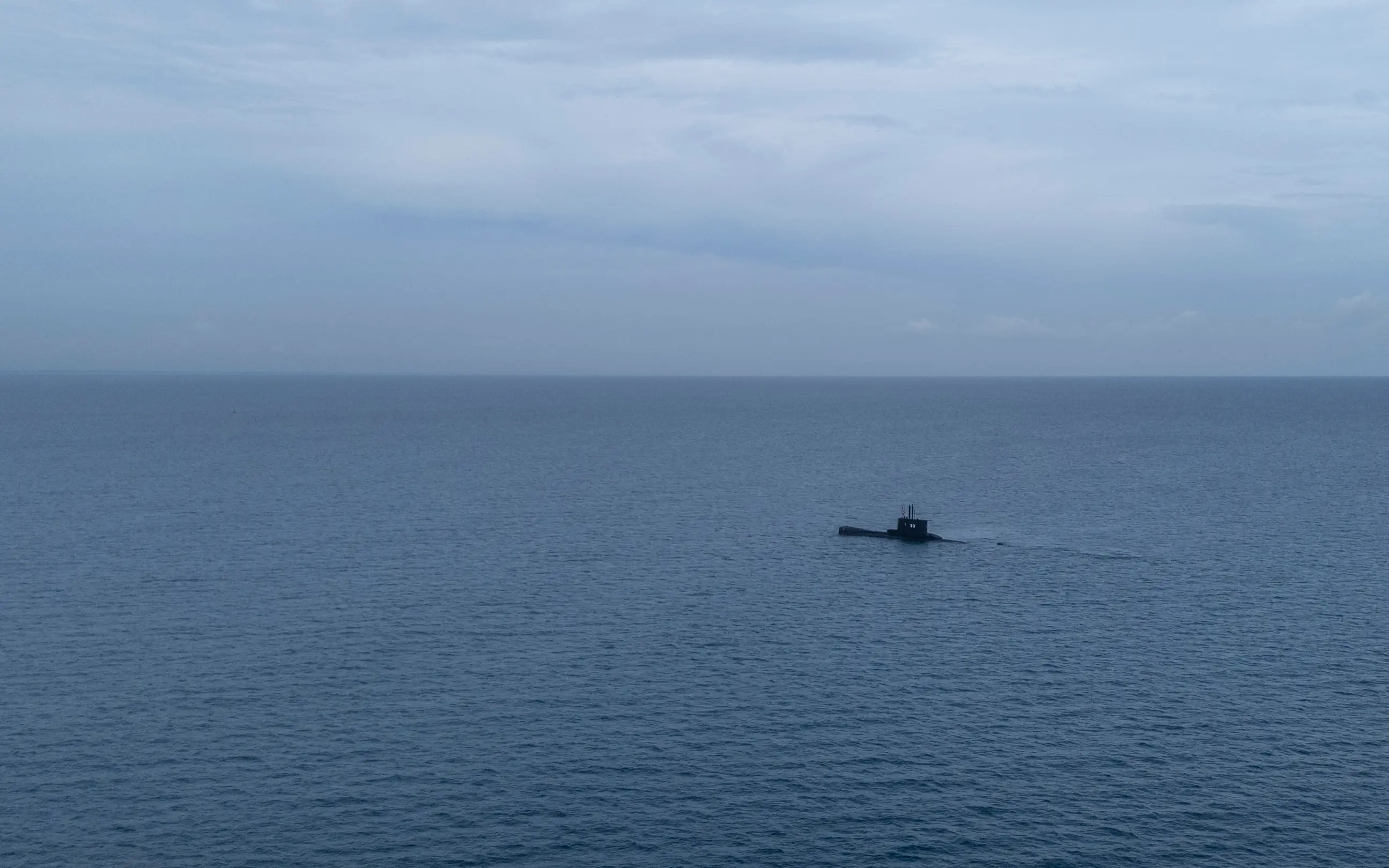
Surface and shallow water vulnerability
Anything near the surface of water is vulnerable to damage in a tsunami. It can lift and hurl several tonnes of steel, potentially destroying the system. In shallow water, the violent currents and density fluctuations caused by a tsunami can create internal waves. These can rob a submarine of buoyancy and send it plummeting abruptly.
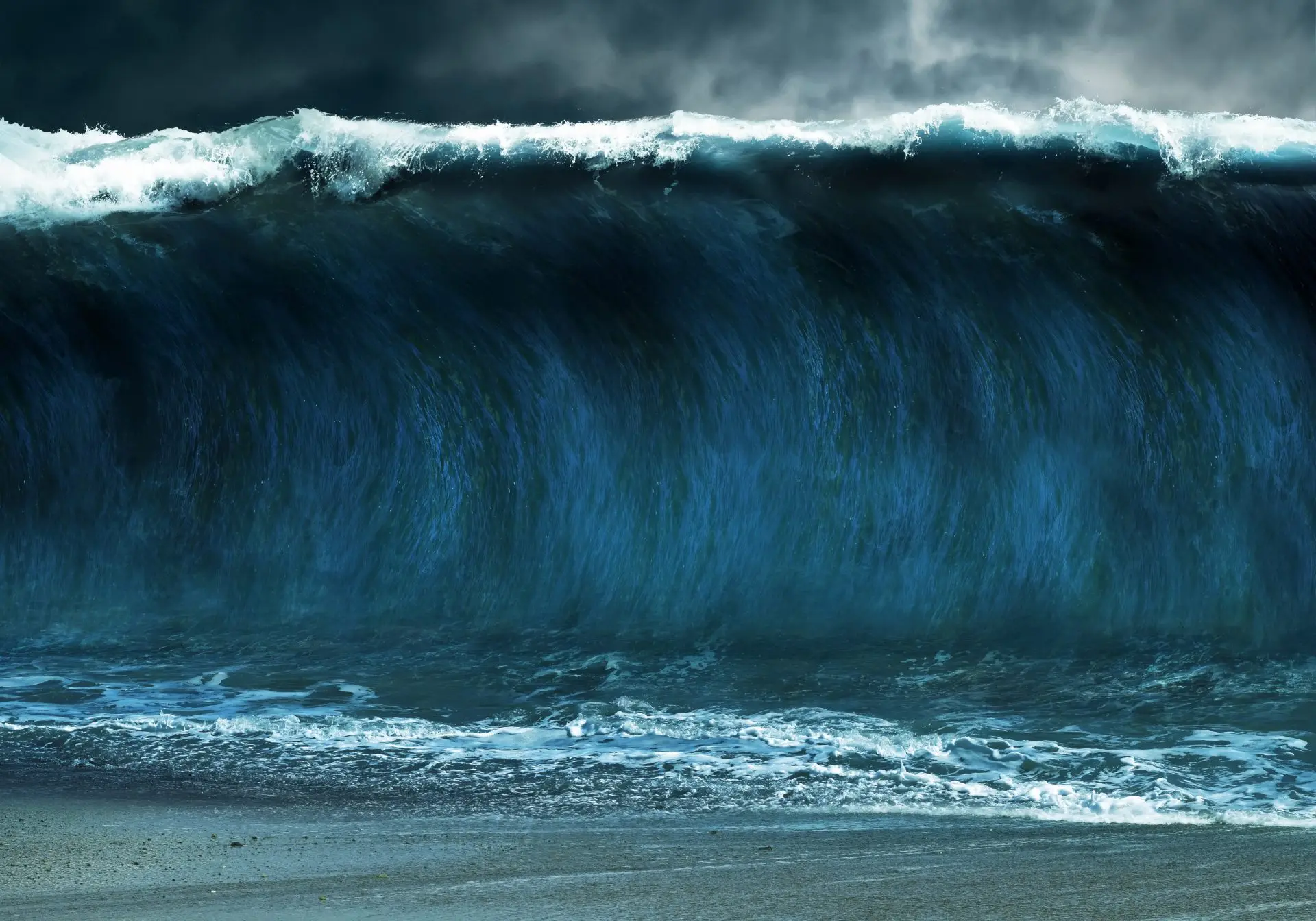
Extreme Scenario
The Lituya Bay, Alaska, on July 9, 1958, was the largest tsunami ever recorded, with a magnitude 7.8–8.3 earthquake that triggered a massive landslide. It generated a staggering 524 meters, approximately 1,720 feet long waves. The K-278 Komsomolets was designed to operate at 1,250 m depth; it is one of the deepest submarines to ever exist. At its designed depth, it is far beyond the reach of Lituya Bay or any other Tsunami.
)
)
)
)
)