April Fools’ Day: Top 5 hilarious & epic pranks that became famous globally

Famous April Fool’s pranks include a fake volcano eruption in Alaska, Edison’s “magic” machine, BBC’s spaghetti trees, the Tower of London lion-washing trick, and Big Ben going digital. Many people believed these clever hoaxes, showing how easily audiences can be fooled.

1. The volcano prank
A man named Oliver “Porky” Bickar in Alaska created a fake volcanic eruption. He collected 70 old tyres, which he stashed away in an aeroplane hangar and burned them on a mountain so it looked like smoke was coming from a volcano. He waited for the right weather and fooled many people on April Fool’s Day into thinking the volcano had erupted in reality.
2. Edison’s fake machine
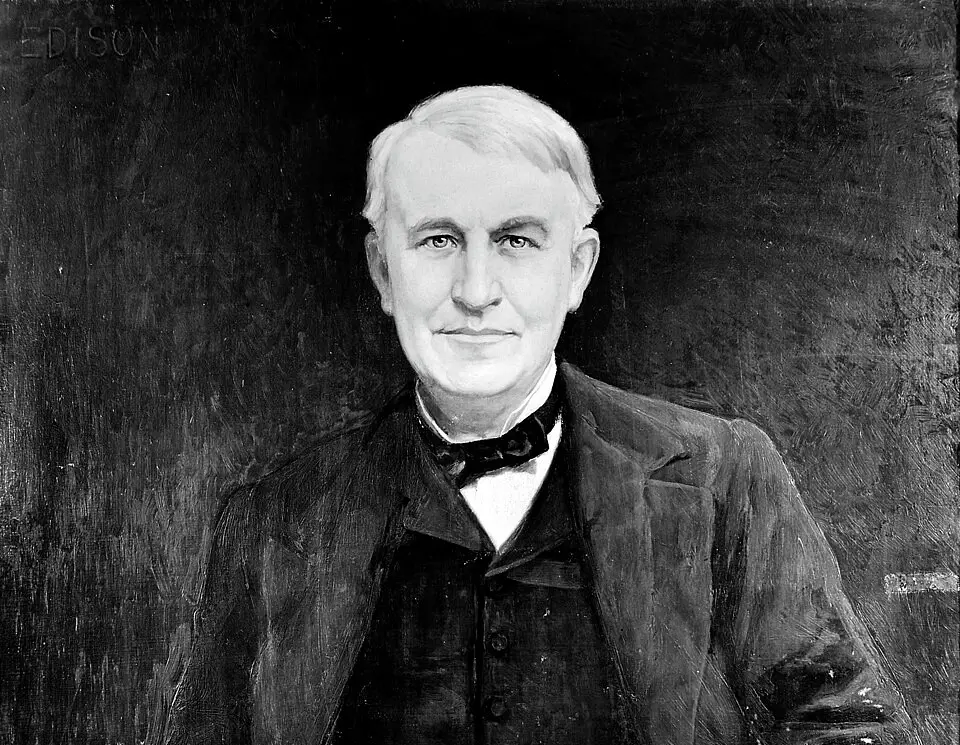
After inventing the phonograph in 1877, the New York Graphic joked that Thomas Edison had made a machine that could turn dirt into meat and water into wine. The Graphic was published on April 1, 1878, and many people believed it, even other newspapers, before it was revealed to be a joke.

3. The great spaghetti harvest
In 1957, the BBC carried out one of the most famous April Fool’s pranks ever. Around eight million viewers watched a short segment on Panorama about a so-called “spaghetti harvest” in Switzerland. The report claimed that after an unusually warm winter eliminated a spaghetti pest, the Ticino region near Italy had produced a huge spaghetti crop. The footage showed people harvesting strands of spaghetti from trees and bushes and enjoying the results.
At the time, pasta was not widely known in Britain, making it easier for viewers to believe the story. Many even called the BBC to ask how they could grow their own spaghetti trees, and were humorously advised to plant spaghetti in a tin of tomato sauce and wait.
4. The washing of the lions
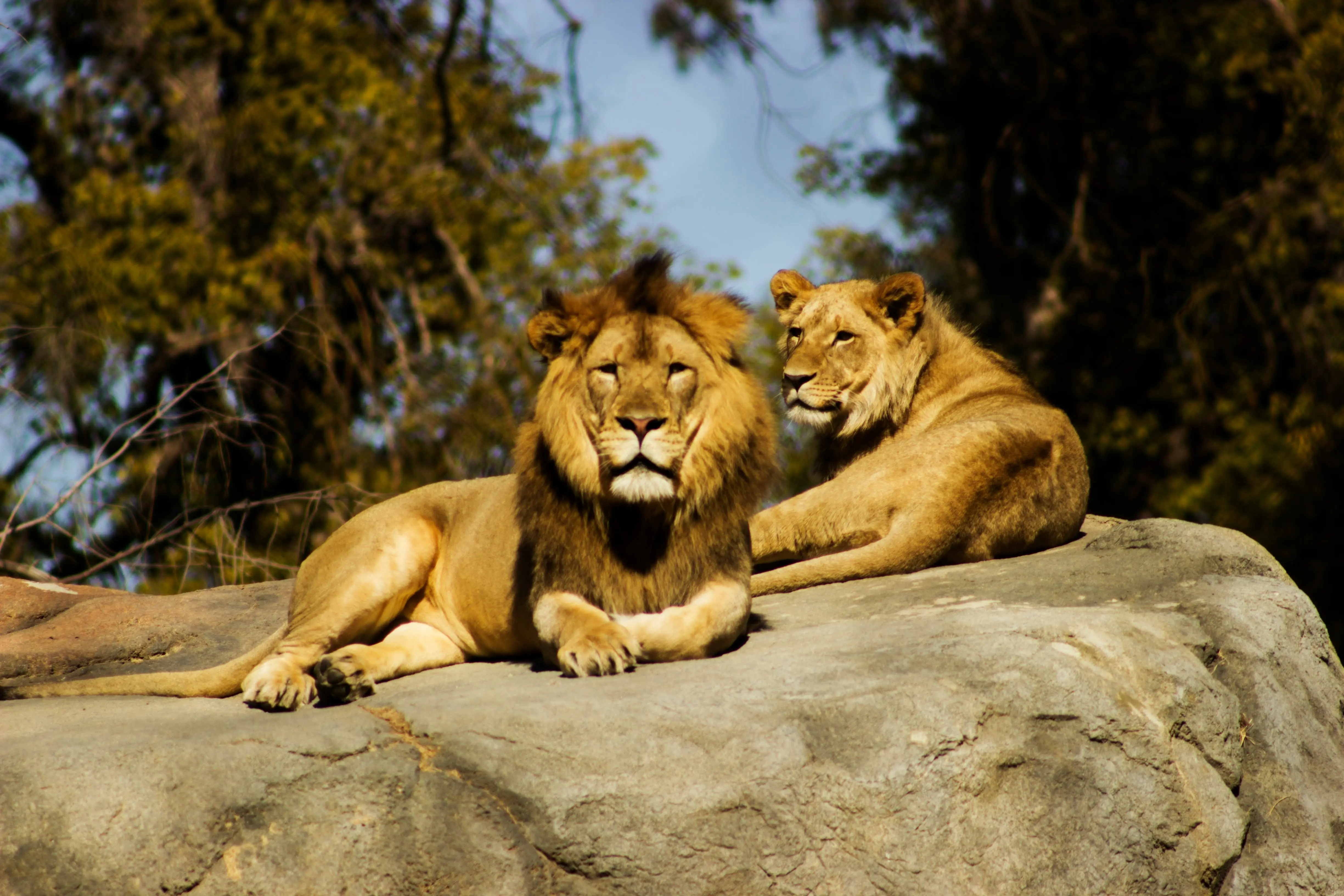
One of the oldest-known pranks in history is when people were first fooled into attending the ‘washing of the lions’ at the Tower of London in 1698. A similar prank took place in 1848 when a journalist distributed cards inviting the public to the washing of the lions. As an onlooker wrote: ‘I was not prepared for the extraordinary credulity of the British Public. They flocked up in shoals to see the lions washed. The warders were almost at their wits’ end. They had the bits of pasteboard flourished in their faces, with angry gestures and angrier imprecations, by the indignant crowd of sight-seers and seekers.’
5. Big Ben goes digital
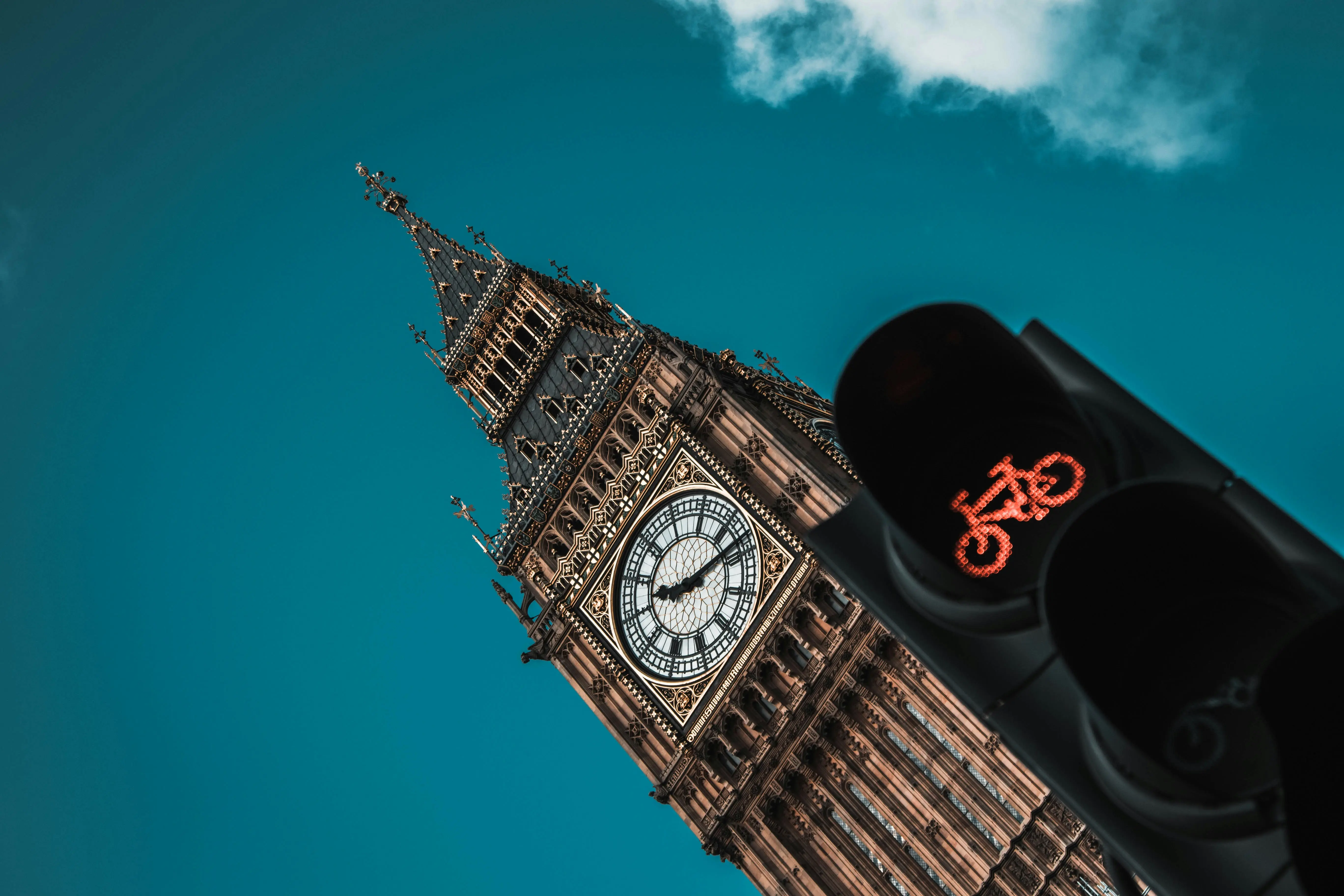
In 1980, the BBC World Service made a joke announcement that Big Ben in London would be changed to a digital clock. They said it would be renamed “Digital Dave” to help tourists read the time easily. They also claimed that the clock would give a five-minute news update every night and that the famous bell sounds would be replaced by beeps. Some people understood it was an April Fool’s joke, but many believed it and called the BBC to complain. Later, a BBC spokesperson said that not many people found the joke funny.
)
)
)
)
)