Apollo 13 disaster: How NASA turned its deadliest space crisis into the greatest rescue ever

What happened when just 56 hours into the mission, an oxygen tank explosion crippled the spacecraft, forcing the crew to abort the landing and embark on a perilous journey back to Earth?
Introduction: A Mission Turned Crisis
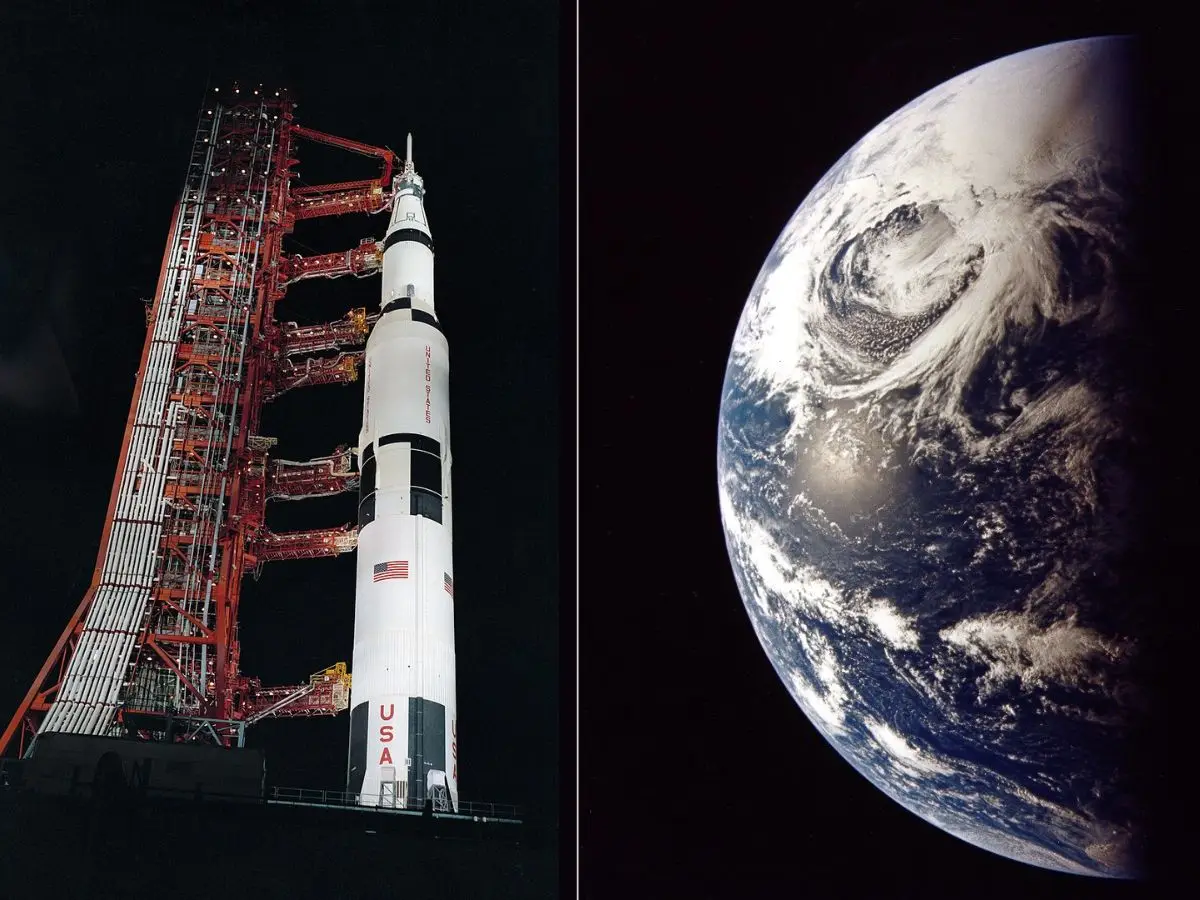
In 1970, Apollo 13’s ill-fated mission captivated the world as a near-disaster unfolded in space. Now, as NASA prepares for the Artemis II mission, its first crewed lunar flight in over 50 years, the legacy of Apollo 13 serves as a critical reminder of the challenges inherent in human space exploration. Scheduled for launch in 2026, the crew will conduct a 10-day lunar flyby, testing critical systems and paving the way for future Moon and Mars missions. This progression highlights how lessons from past missions continue to shape the future of space exploration. The story of Apollo 13 remains a testament to resilience under the most extreme conditions imaginable.
A Mission Turned Crisis
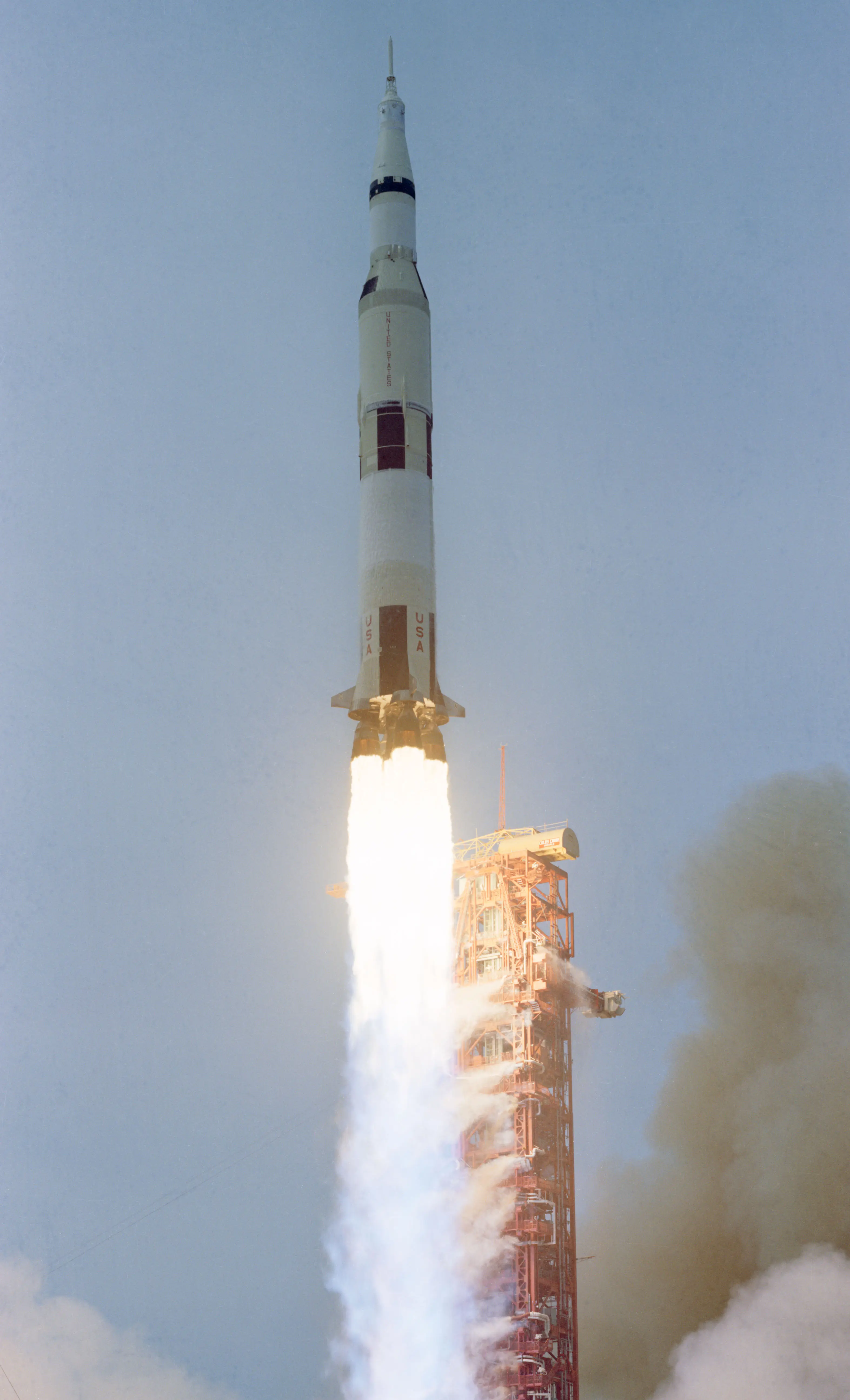
On April 11, 1970, NASA launched Apollo 13 with high hopes of landing astronauts on the Moon. However, just 56 hours into the mission, an oxygen tank explosion crippled the spacecraft, forcing the crew to abort the landing and embark on a perilous journey back to Earth. This incident, often referred to as a "successful failure," showcased human ingenuity, teamwork, and resilience under extreme pressure.
The Crew and Their Mission
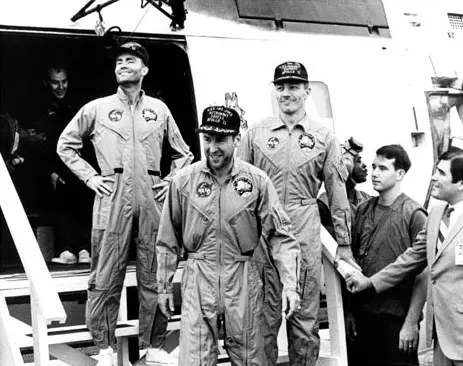
Apollo 13's crew consisted of Commander James A. Lovell Jr., Command Module Pilot John L. Swigert Jr., and Lunar Module Pilot Fred W. Haise Jr. Their mission was to land in the Fra Mauro region of the Moon, conducting geological experiments along the way. However, the explosion in the service module disrupted these plans, leading the crew to circle the Moon without landing.
The Explosion: A Life-Threatening Setback
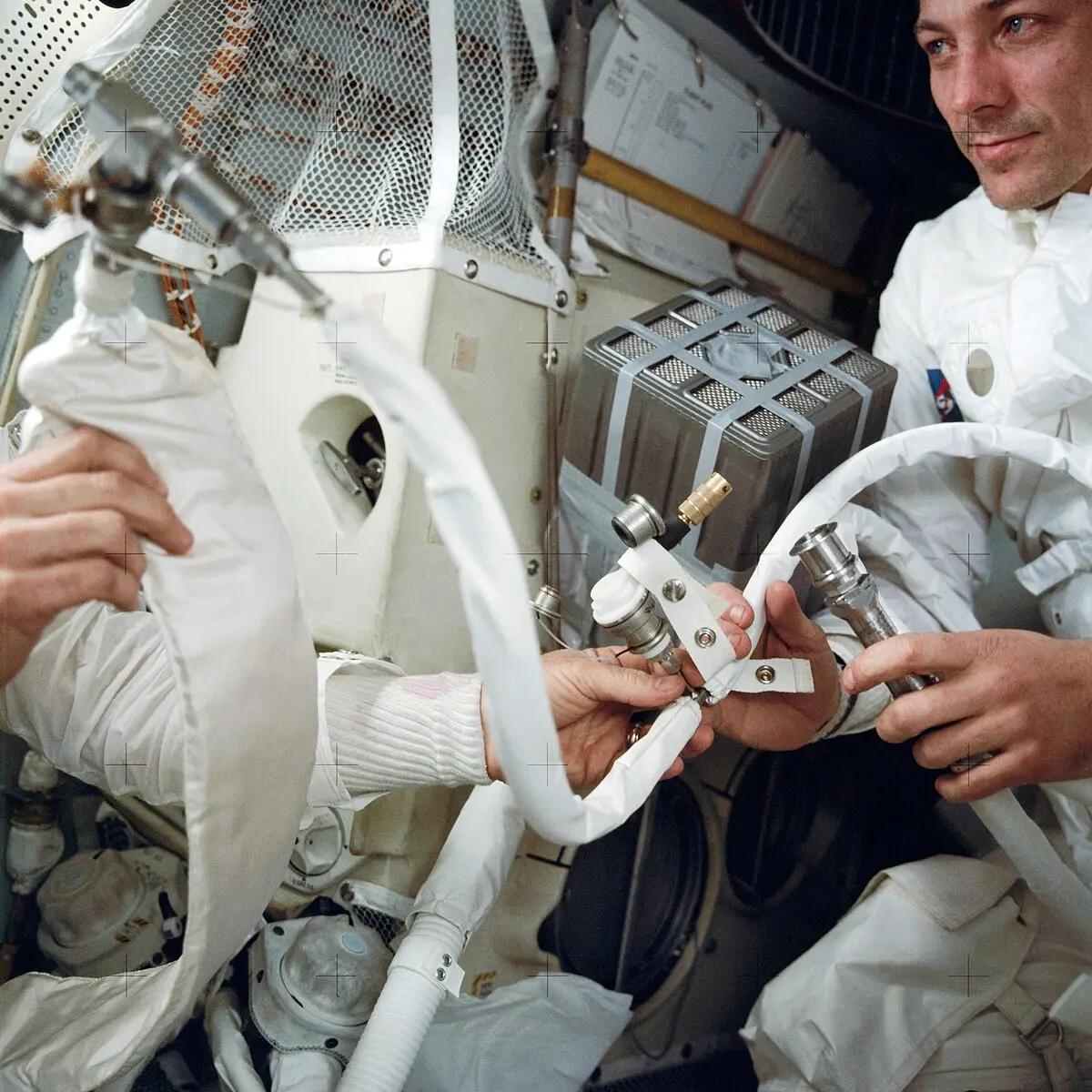
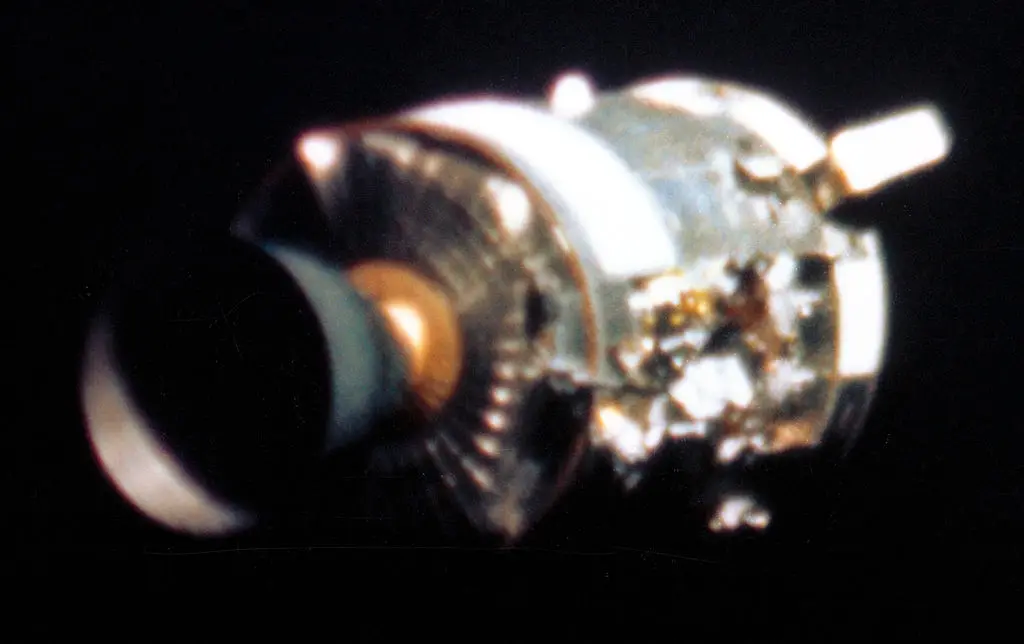
Approximately 2,00,000 miles from Earth, an oxygen tank in the service module exploded, causing a loss of electrical power and a significant reduction in life-support capabilities. The crew was forced to shut down the command module and use the lunar module as a lifeboat, a scenario that had been considered in training but never tested in such dire circumstances.
The Rescue Effort: Mission Control's Response
Back on Earth, NASA's Mission Control in Houston sprang into action. Engineers and flight controllers worked tirelessly to devise a plan to bring the astronauts home safely. They calculated precise trajectories, developed makeshift carbon dioxide scrubbers, and coordinated the crew's activities to conserve power and resources. The collaboration between the crew and Mission Control was instrumental in navigating the crisis.
The Return Journey: A Test of Endurance
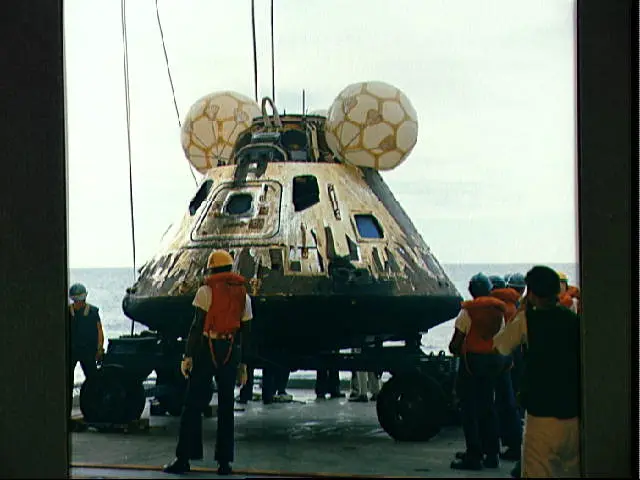
The journey back to Earth was fraught with challenges. The crew faced extreme cold, limited food and water, and the constant threat of carbon dioxide buildup. Despite these hardships, they maintained their composure and followed the guidance from Mission Control. Their perseverance and teamwork were crucial in ensuring their safe return.
Splashdown and Aftermath
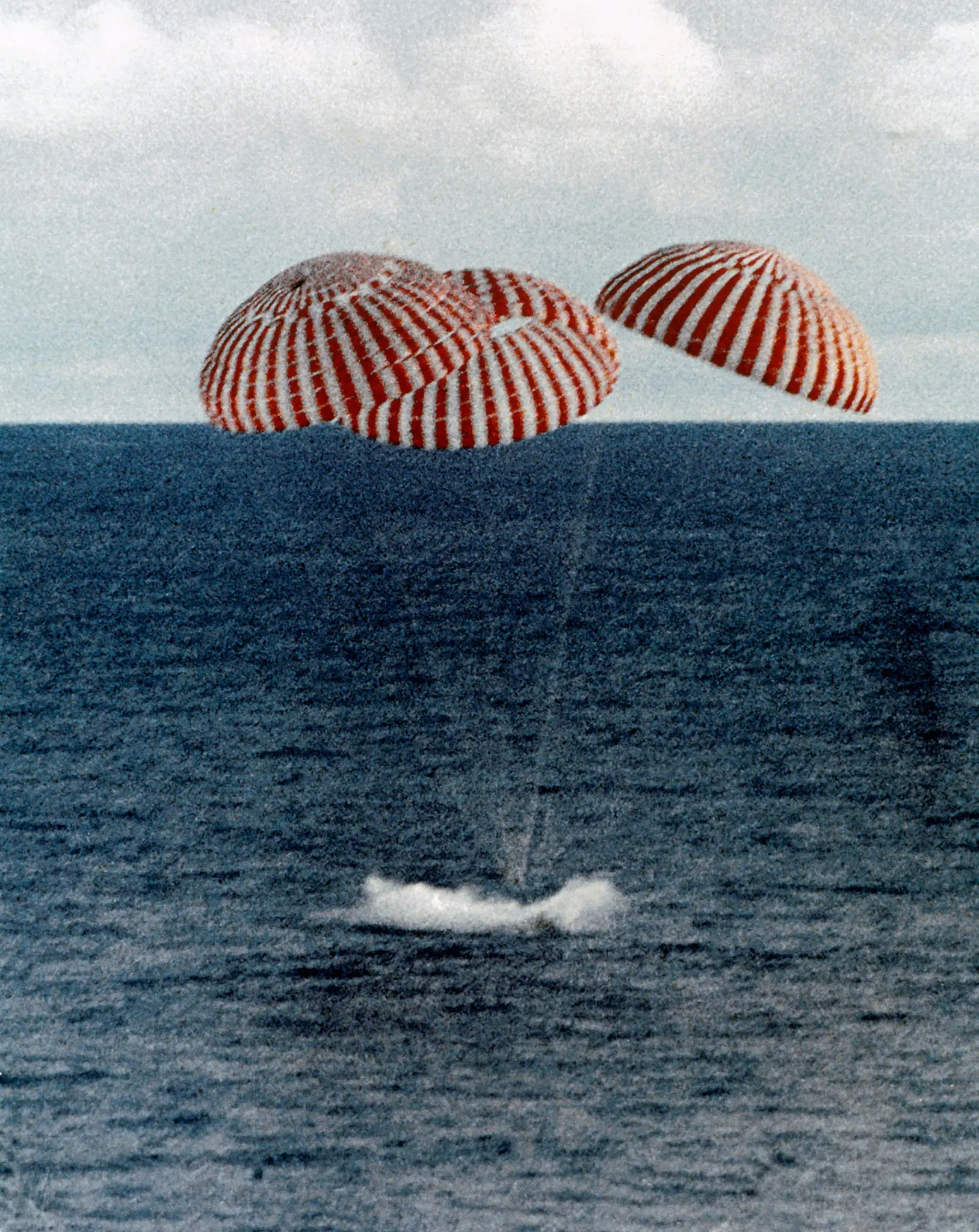
On April 17, 1970, Apollo 13 splashed down safely in the Pacific Ocean, just four days after the explosion. The mission, though not achieving its original goal, was hailed as a triumph of human spirit and ingenuity. The incident led to significant changes in NASA's procedures and spacecraft design, enhancing the safety of future missions. Apollo 13's story has been immortalised in books, documentaries, and the 1995 film ‘Apollo 13,’ where Tom Hanks portrayed Commander Lovell.
)
)
)
)
)