An ‘island’ on USS Abraham Lincoln? Why would losing this single point of control paralyse the entire warship?

On an aircraft carrier such as the USS Abraham Lincoln, operations unfold in a confined, high-risk environment where coordination is constant, particularly during active deployments, as it leads US blockade operation in sensitive regions such as the Strait of Hormuz amid West Asia tensions.
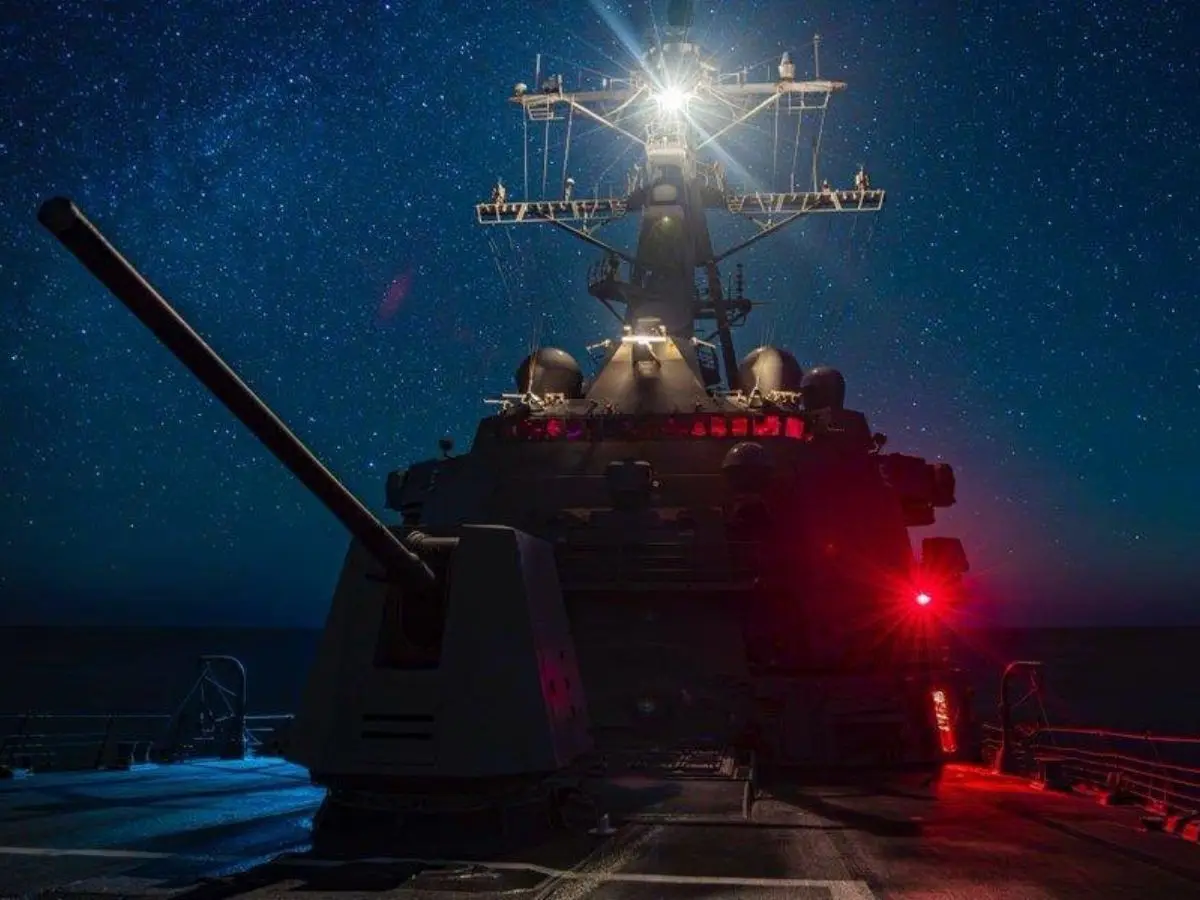
a floating system of control and survival
With nearly a billion individual components, US Nimitz-class supercarriers such as the USS Abraham Lincoln are among the most complex machines ever built. Yet in concept, their purpose is defined by four core functions: to transport aircraft across oceans, launch and recover them, serve as a mobile command centre, and sustain thousands of personnel at sea. To achieve this, a carrier integrates the capabilities of a warship, an airbase and a self-contained city. It requires a flight deck for aircraft operations, a hangar deck for storage, an island structure to direct missions, and extensive systems for propulsion, power, food, water and waste management.
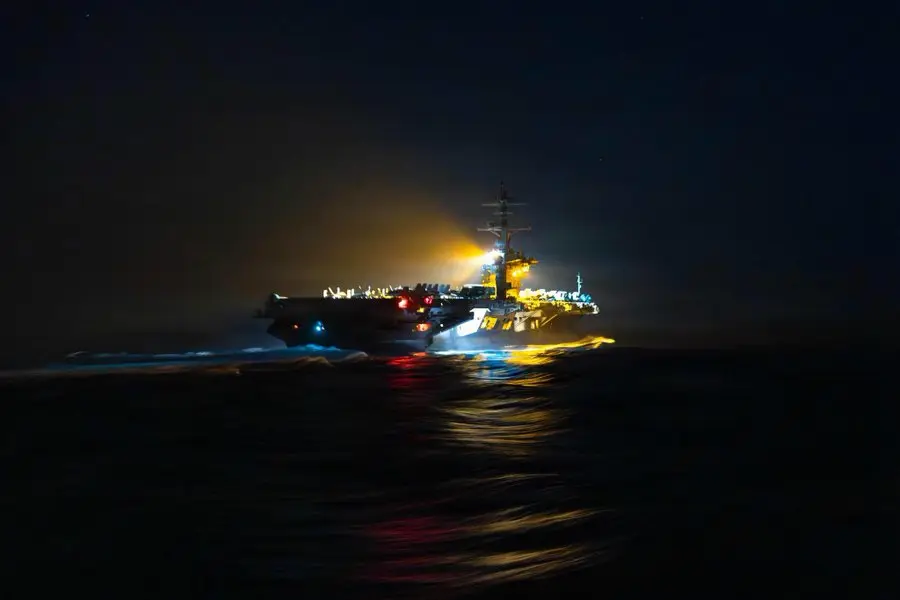
The control centre at sea
On an aircraft carrier such as the USS Abraham Lincoln, operations unfold in a confined, high-risk environment where coordination is constant, particularly during active deployments, as it leads US blockade operation in sensitive regions such as the Strait of Hormuz amid West Asia tensions. The flight deck, often described as a workspace where “personnel also face the risk of a jet engine blowing them overboard”, depends on strict control systems and disciplined procedures. At the centre of this structure is the ‘island’, the command hub that oversees both flight deck operations and the ship’s navigation, ensuring order in one of the most demanding operational settings at sea.
What the ‘island’ actually is
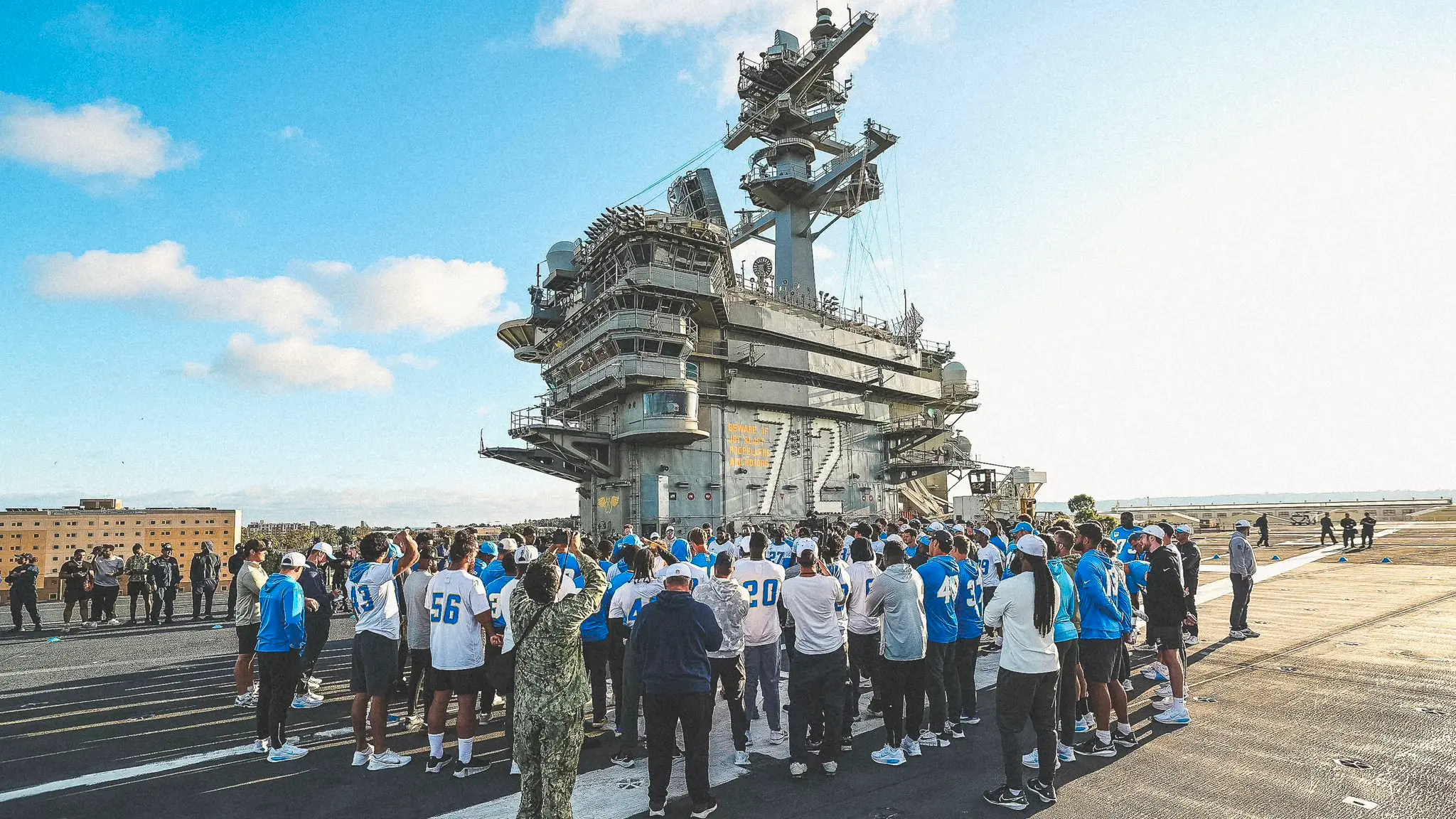
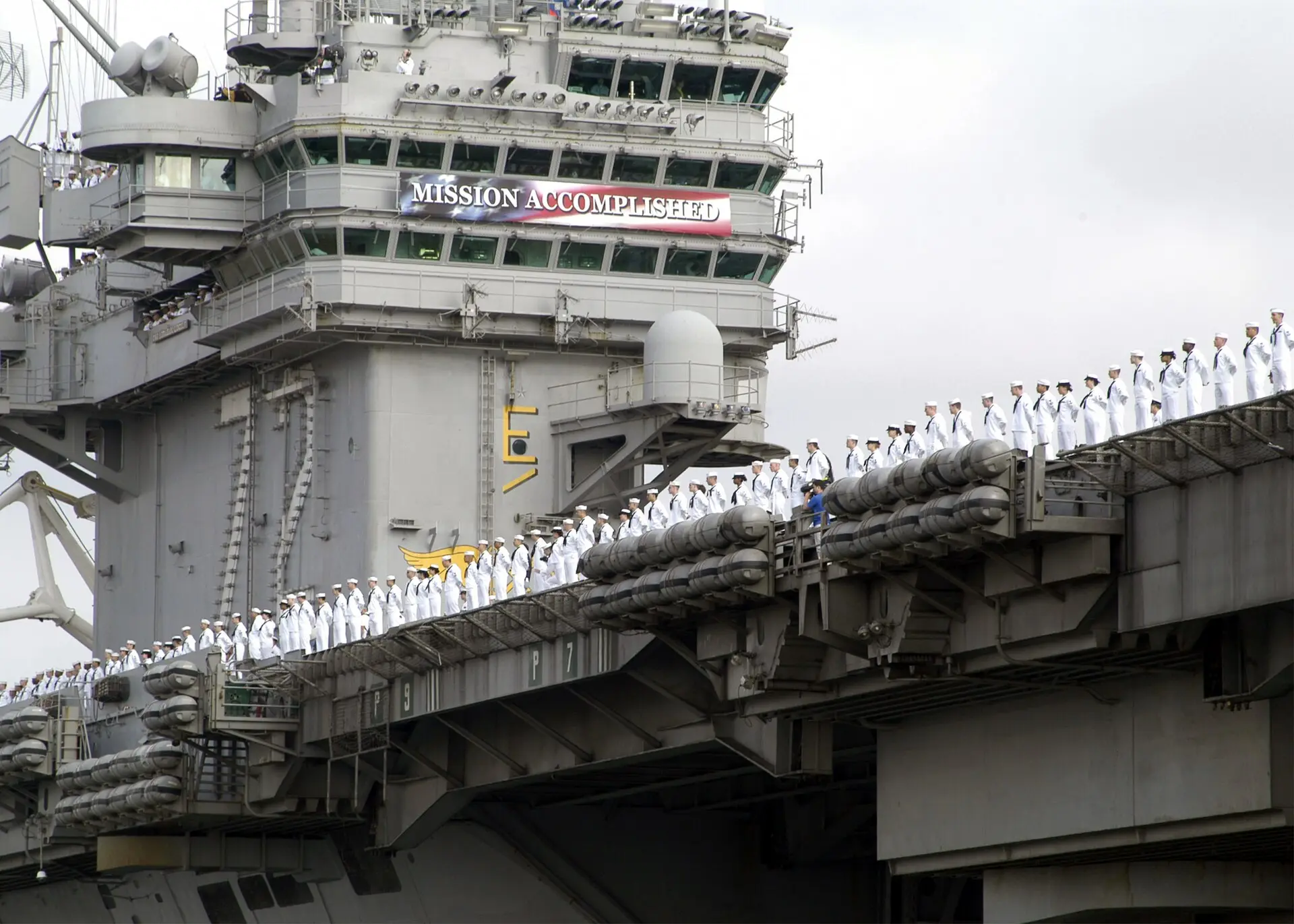
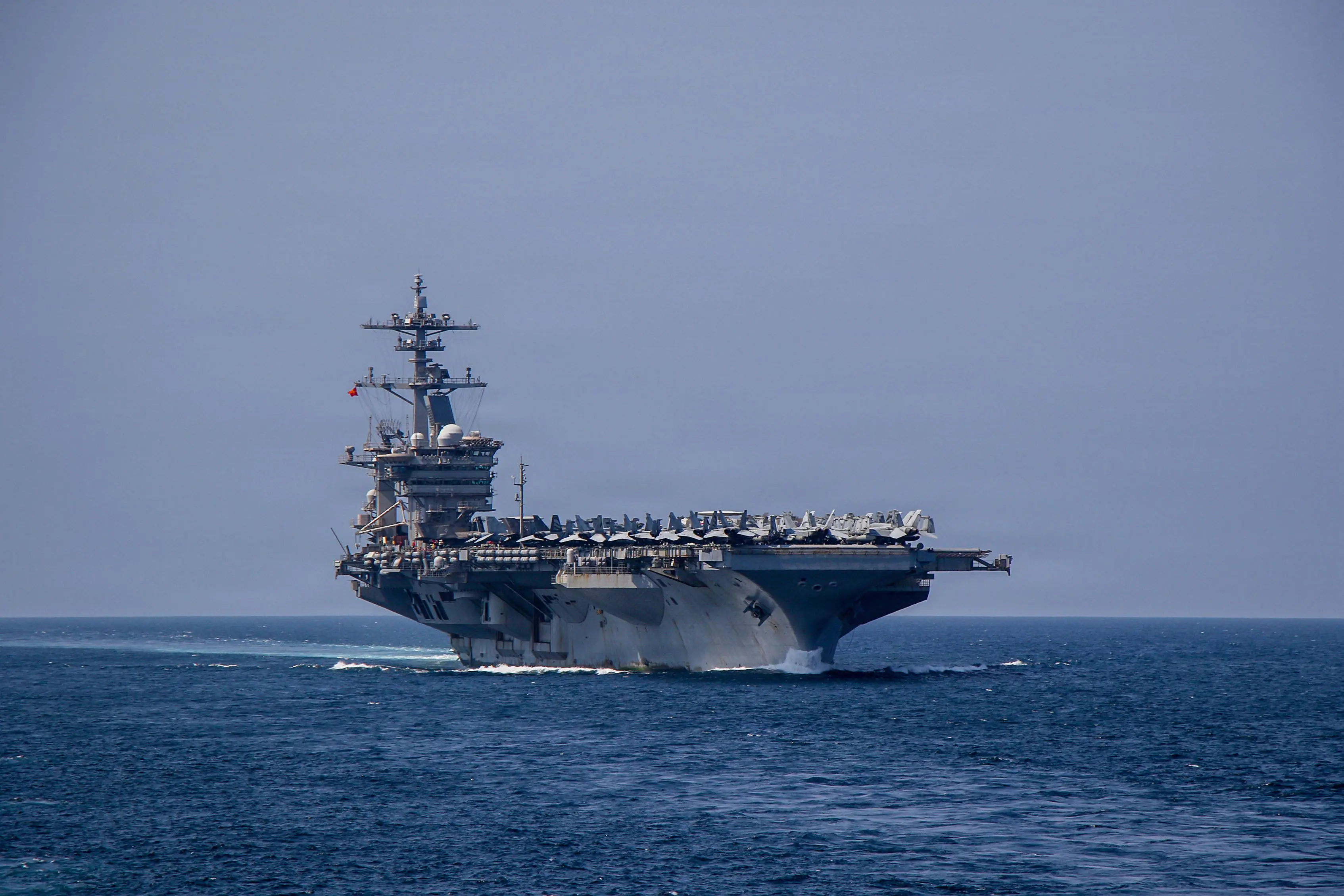
The ‘island’ on US aircraft carriers is the tall superstructure located on the starboard (right) side of the flight deck. Rising about 150 feet above the deck but only around 20 feet wide at its base, it is designed to minimise obstruction while maintaining full operational oversight. Its elevated position allows clear visibility across the flight deck and surrounding waters.
Radar, communications and surveillance
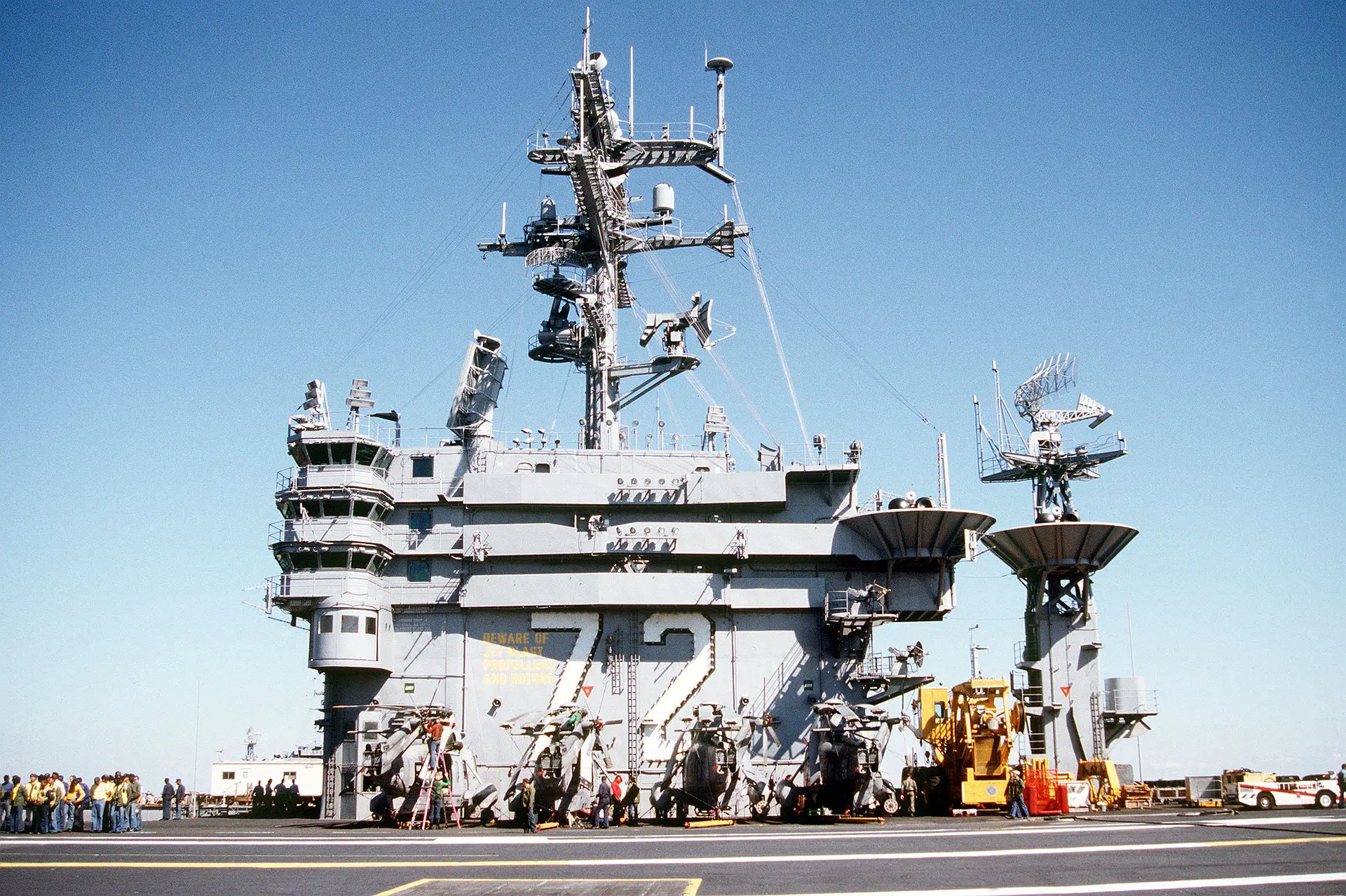
The top of the island carries radar and communications arrays that “keep tabs on surrounding ships and aircraft” and can “intercept and jam enemy radar signals”, according to Aviators database. These systems also support targeting and satellite communications, making the island central to situational awareness and defensive readiness.
Primary Flight Control operations
Below the antenna systems lies Primary Flight Control, or Pri-Fly. Here, the ‘Air Boss’ and ‘Mini Boss’ direct all aircraft activity on the flight deck and within a five-mile radius. They rely on both advanced systems and direct visual observation, positioned six storeys above the deck. Once an aircraft approaches within three-quarters of a mile, Landing Signal Officers assume control.
The bridge and navigation control
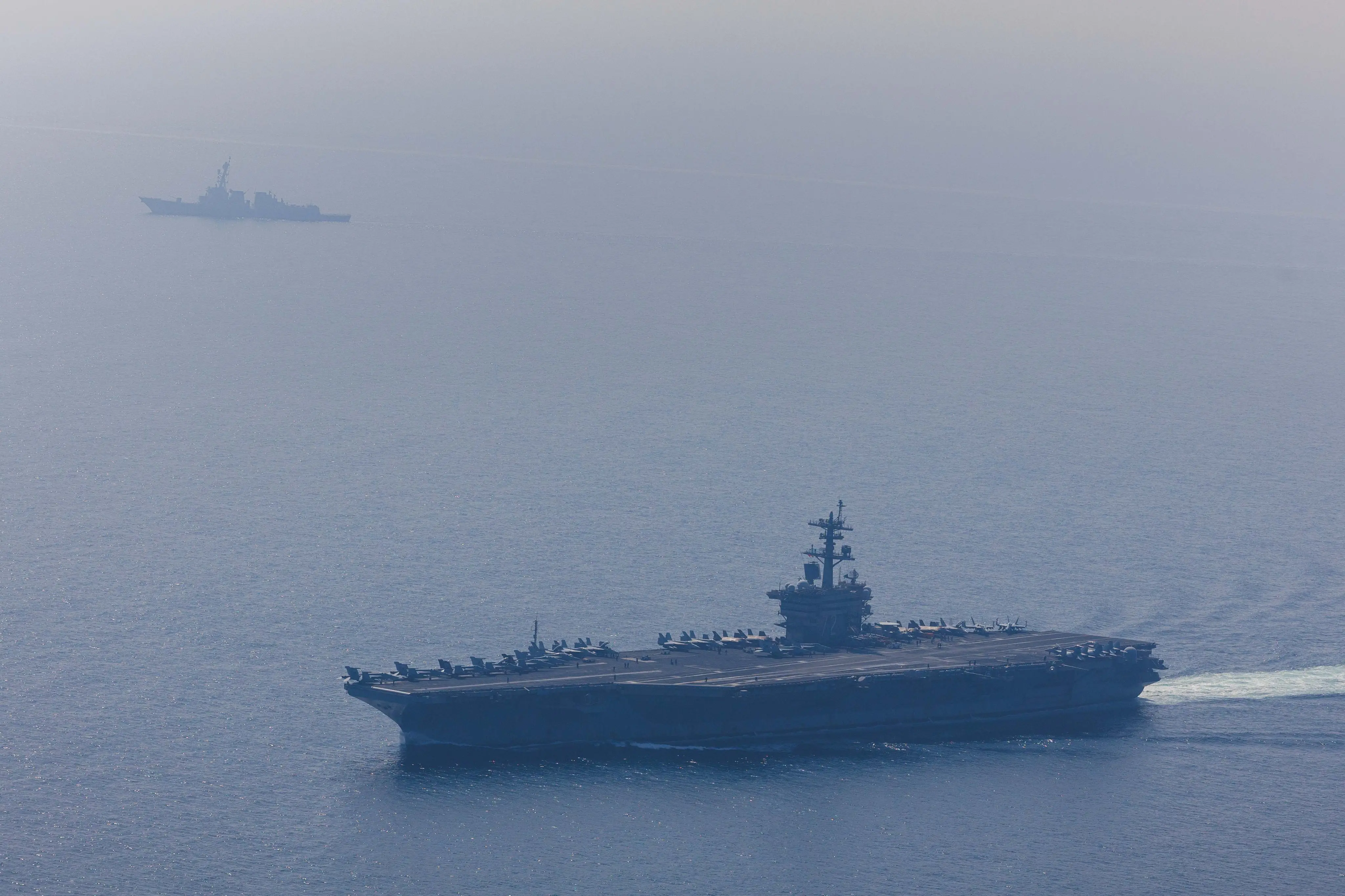
Beneath Pri-Fly is the bridge, the ship’s navigation centre. The commanding officer oversees operations, directing the helmsman and crew responsible for speed and course. Despite advanced radar and GPS systems, navigation still depends significantly on direct visual assessment.
Human factors and safety systems
Flight deck personnel operate under extreme conditions. Safety equipment such as float coats with distress lights and protective cranial helmets are essential. These measures reflect the hazards inherent in carrier operations and the need for precise control from the island.
Why the island is critical
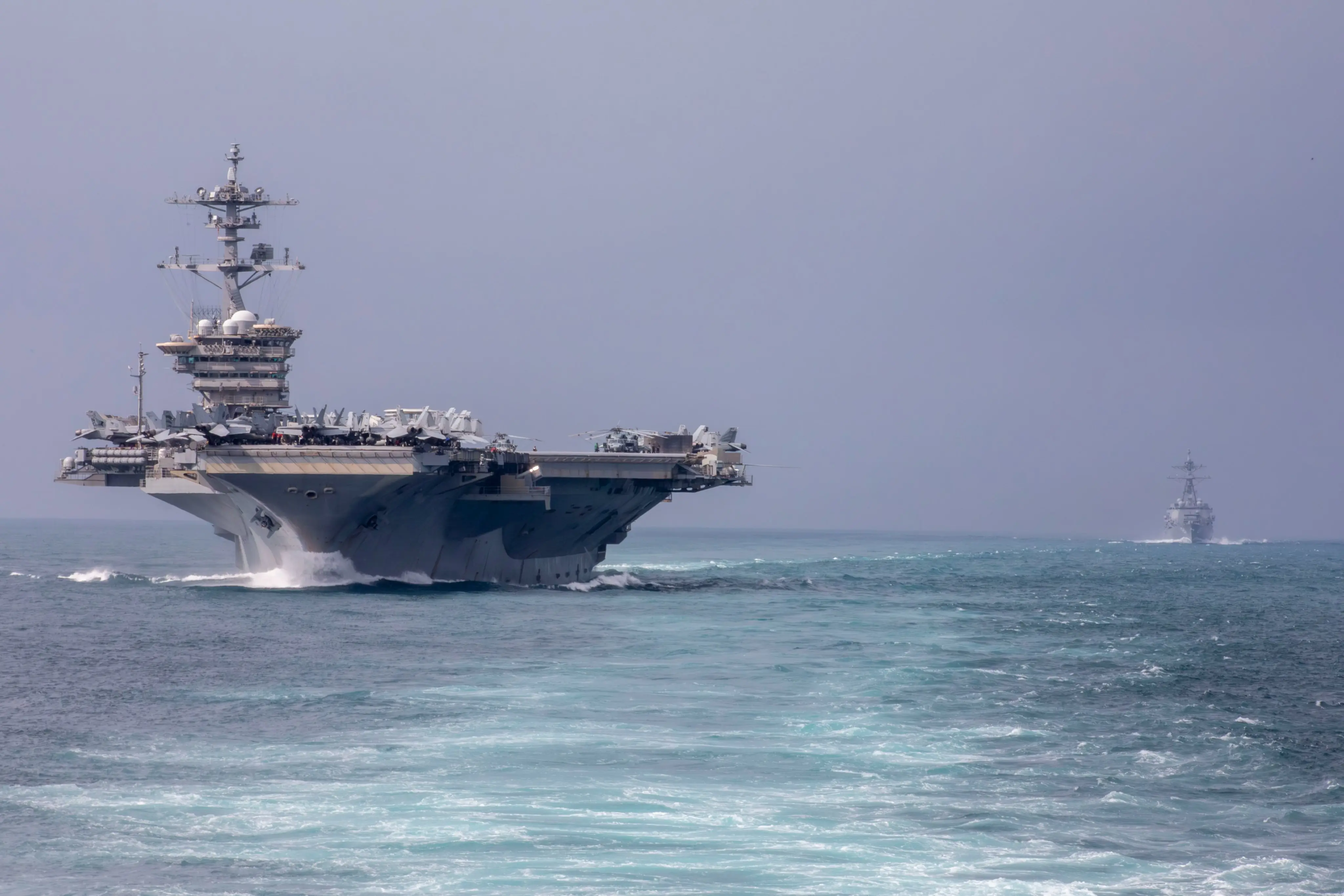
The island integrates surveillance, aircraft control and navigation into a single command structure. Its systems coordinate every movement on and around the carrier. Without this centralised control point, the ability to manage aircraft operations and ship manoeuvres would be severely disrupted, underlining its role as the most critical component of the warship.
)
)
)
)
)