Aircraft graveyard: Where did all the retired B-52 bombers go?

Hundreds of retired US Air Force B-52 bombers were permanently destroyed in the Arizona desert during the 1990s to comply with the START I arms reduction treaty. While 365 were chopped into pieces by giant guillotines, roughly 40 survive today in museums or as testbeds.
A Mass Retirement
Over 740 B-52 Stratofortress bombers rolled off Boeing production lines during the early decades of the Cold War. As the US Air Force developed more advanced aircraft, military commanders systematically retired hundreds of these early bomber variants.
The START I Mandate
A major international arms reduction treaty forced the Pentagon to permanently destroy a significant portion of its remaining bomber fleet. During the 1990s, the United States eliminated approximately 365 B-52s to comply strictly with the historic START I agreement.
The Desert Guillotine
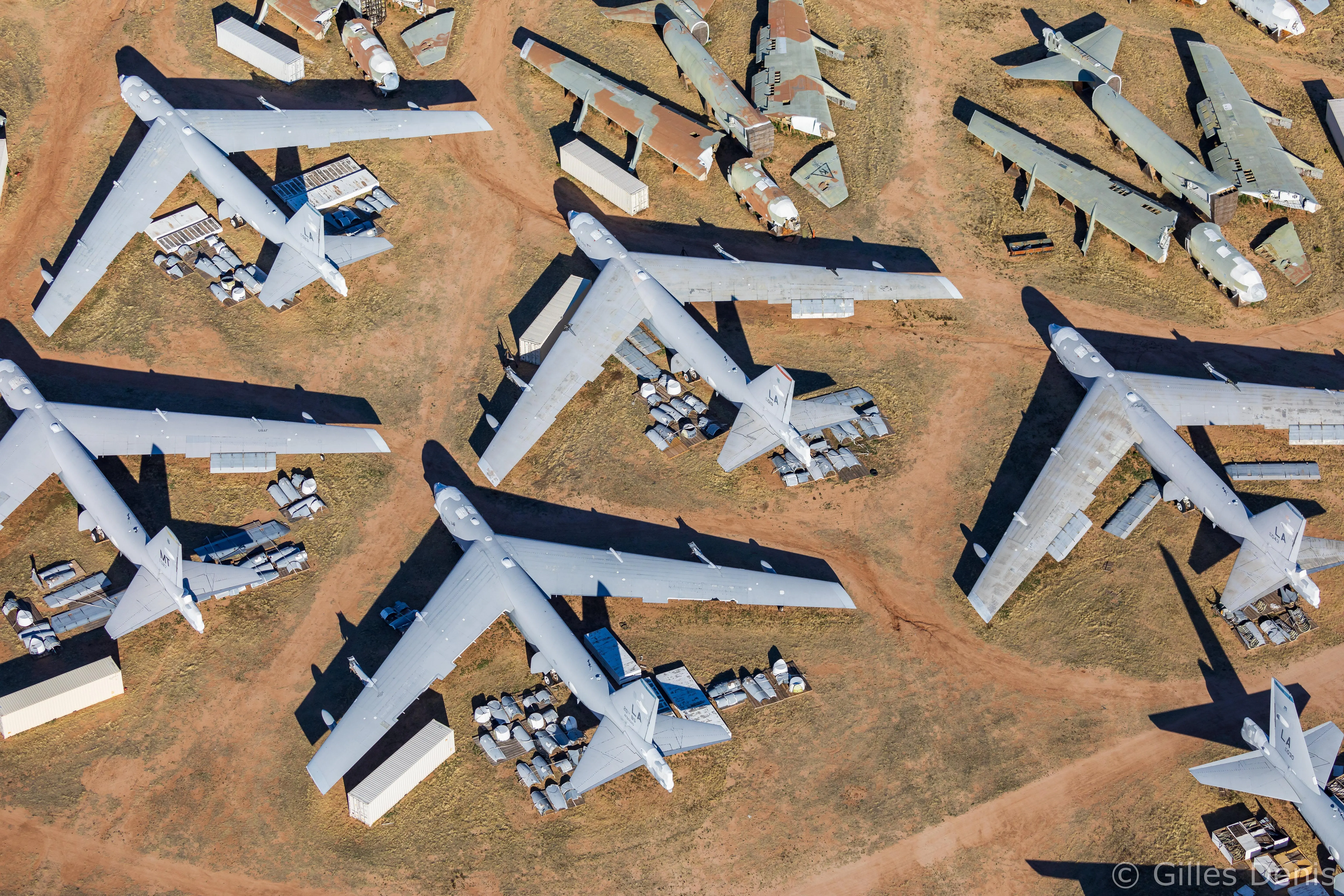
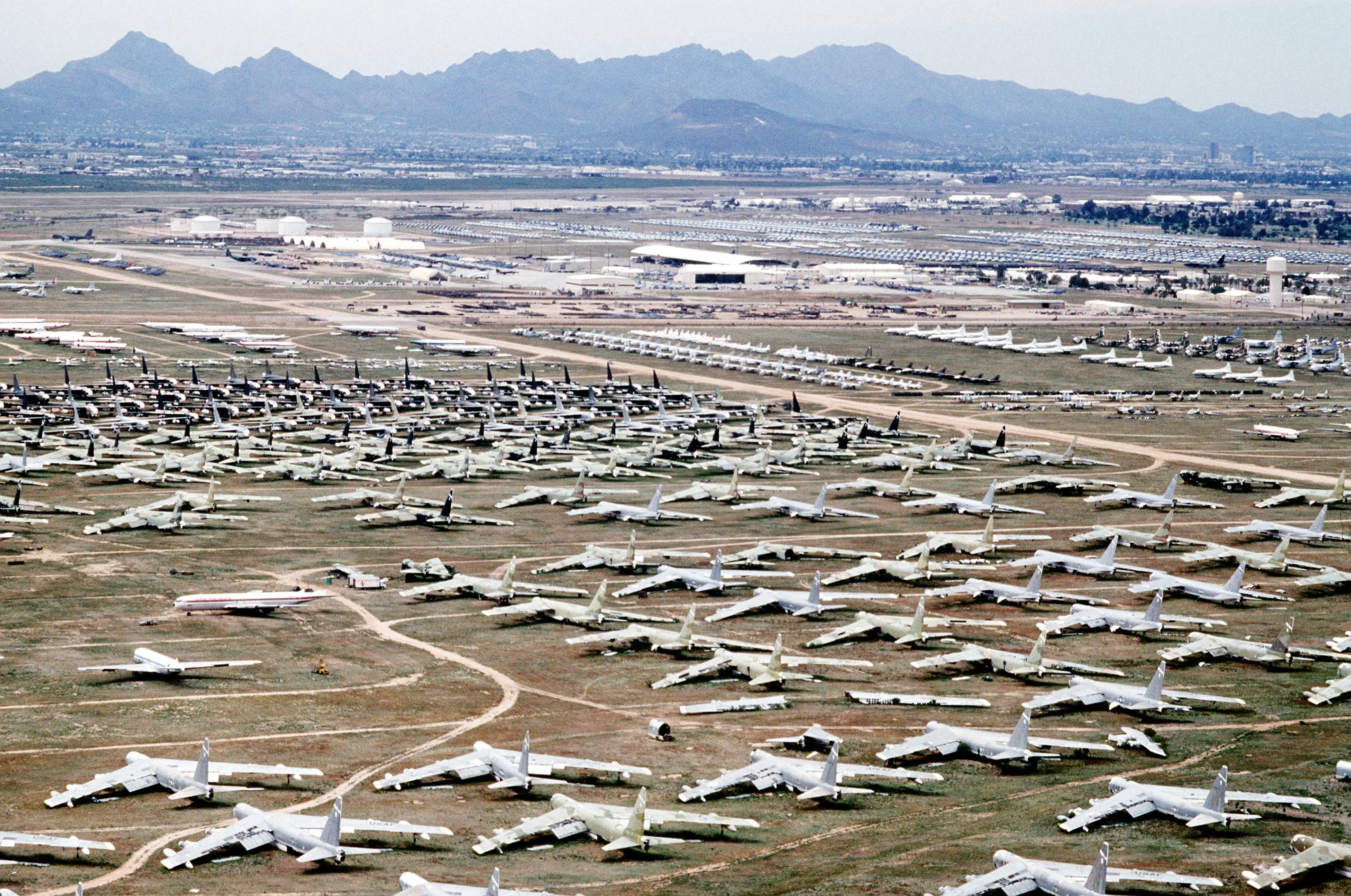
Most of these retired aircraft were flown directly to the famous military boneyard at Davis-Monthan Air Force Base in Arizona. Once parked, massive steel guillotine blades and heavy rescue saws chopped the strategic bombers into pieces.
Satellite Verification
Technicians carefully separated the severed tail sections and left the massive airframe components scattered across the desert floor. This precise placement allowed Russian surveillance satellites to visually confirm the destruction of the nuclear-capable aircraft.
Spared From Destruction
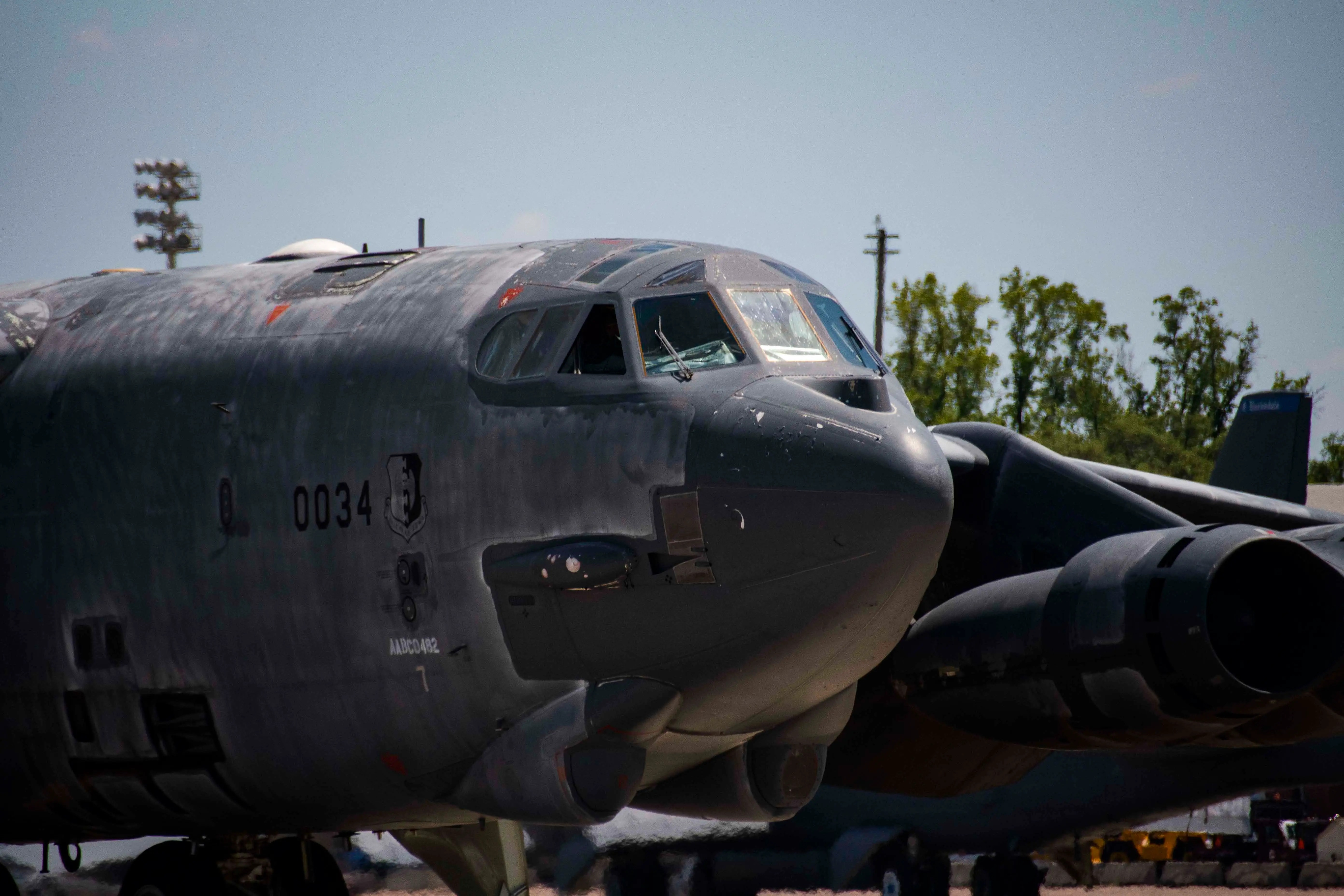
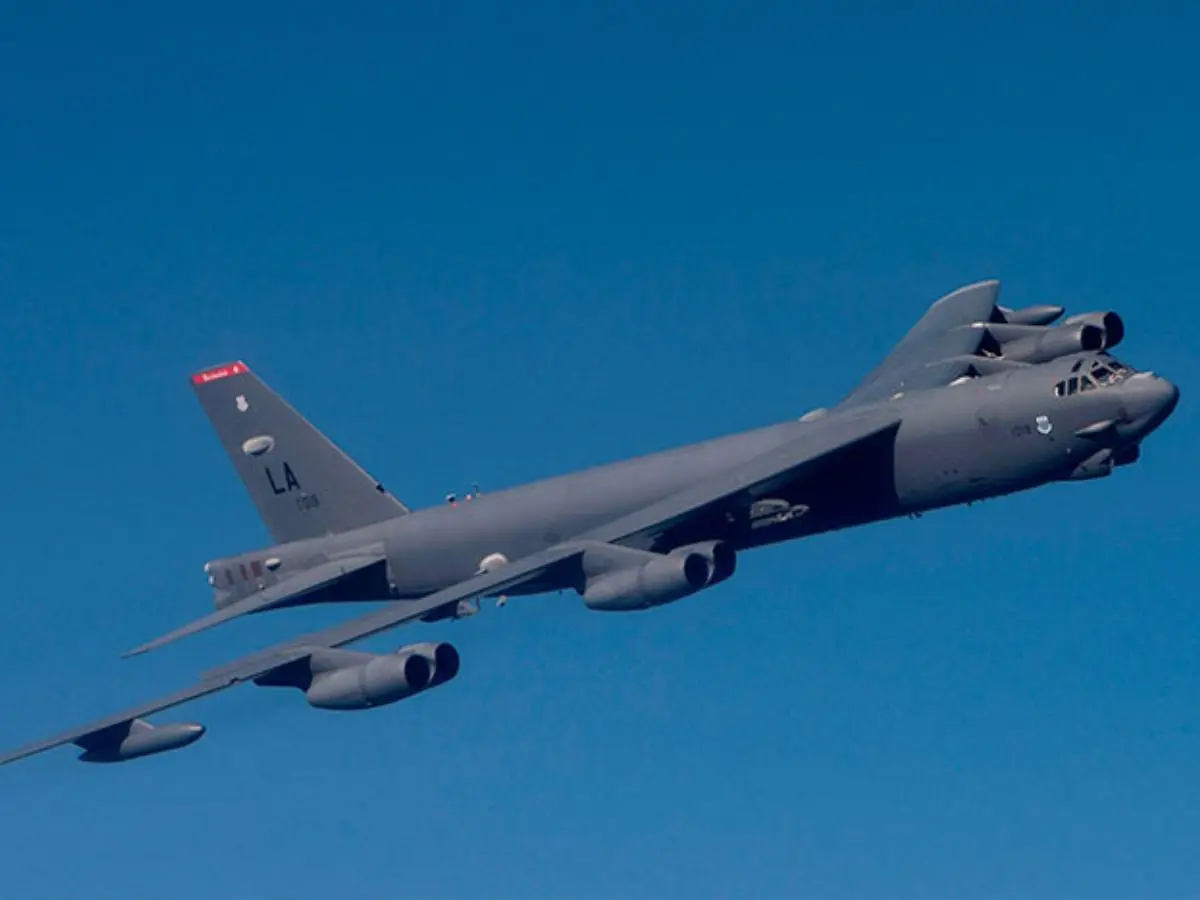
While hundreds of airframes were scrapped, roughly 40 retired bombers managed to successfully escape the desert chopping blocks. These surviving aircraft now serve entirely new roles as ground trainers, engineering testbeds, and museum displays across the country.
The Final Variant
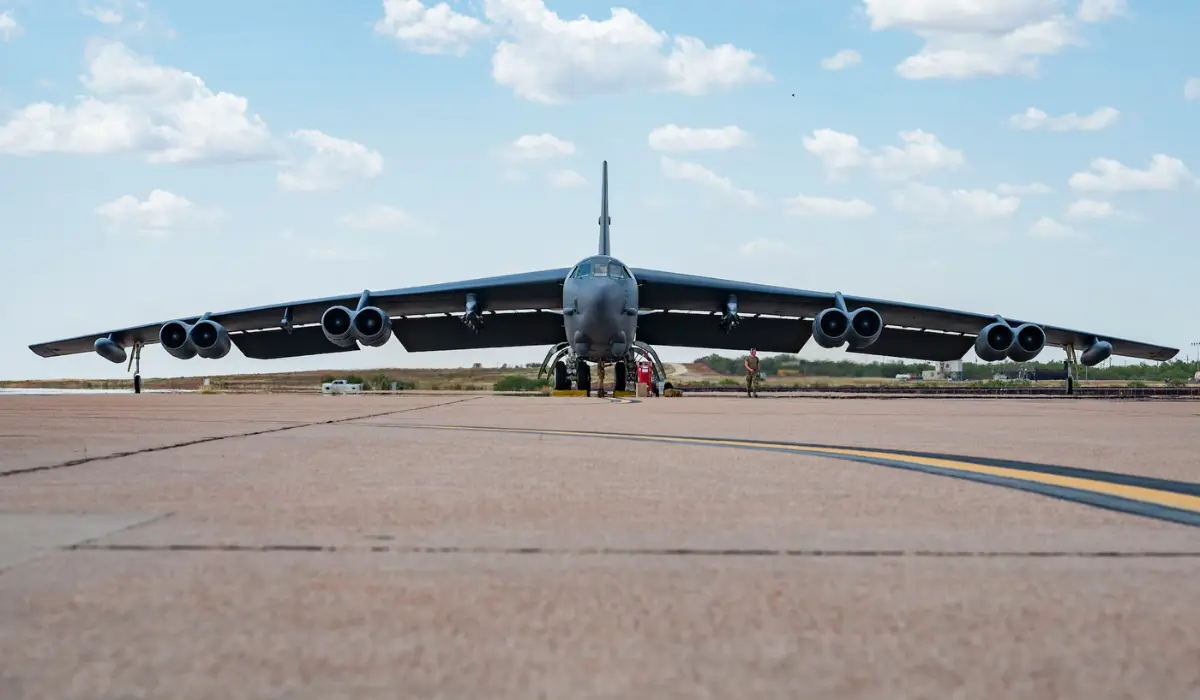
Out of the various models built, only the highly adaptable B-52H variant remains in active operational service today. The military currently operates an inventory of 76 aircraft, all originally manufactured between 1961 and 1962.
A Century of Flight
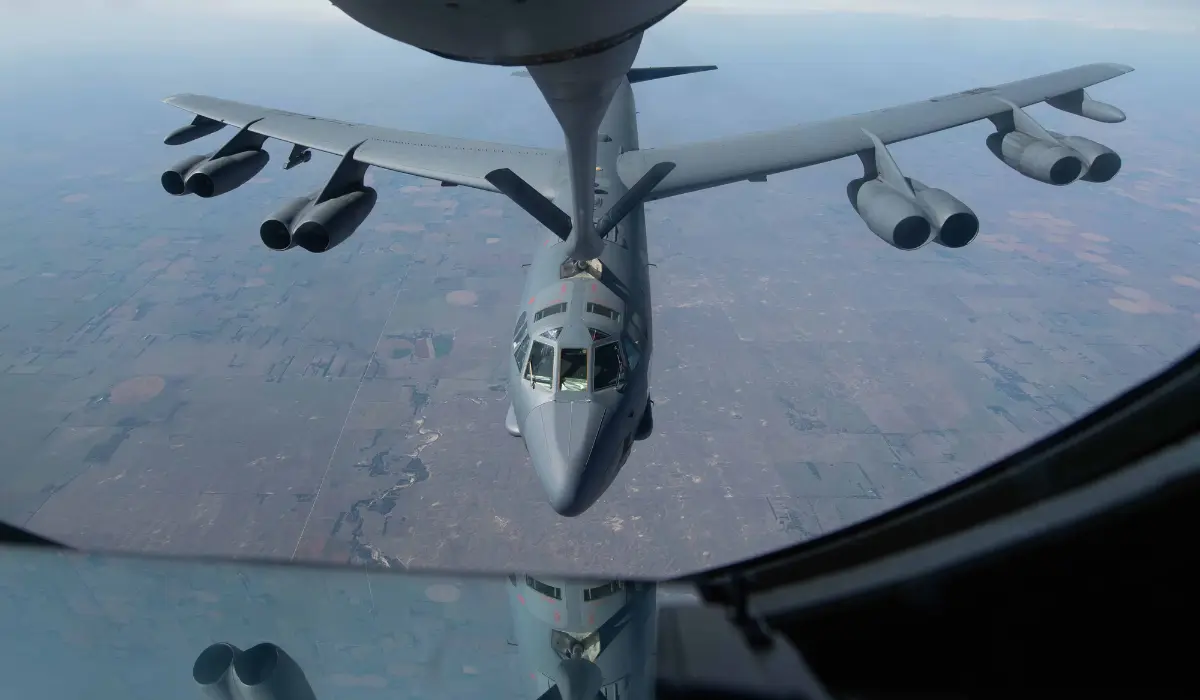
The Pentagon is actively spending billions to upgrade this surviving fleet with modern radars and brand-new engines. These extensive modifications guarantee the legendary bomber will continue flying combat missions well into the 2050s.
)
)
)
)
)