AI copilots: How machine intelligence is entering fighter jet cockpits

AI copilots are changing the face of modern air combat. By supporting or even replacing human pilots, these digital brains are making fighter jets smarter, safer, and more capable than ever before. Here’s how this technology is moving from the lab to the sky.
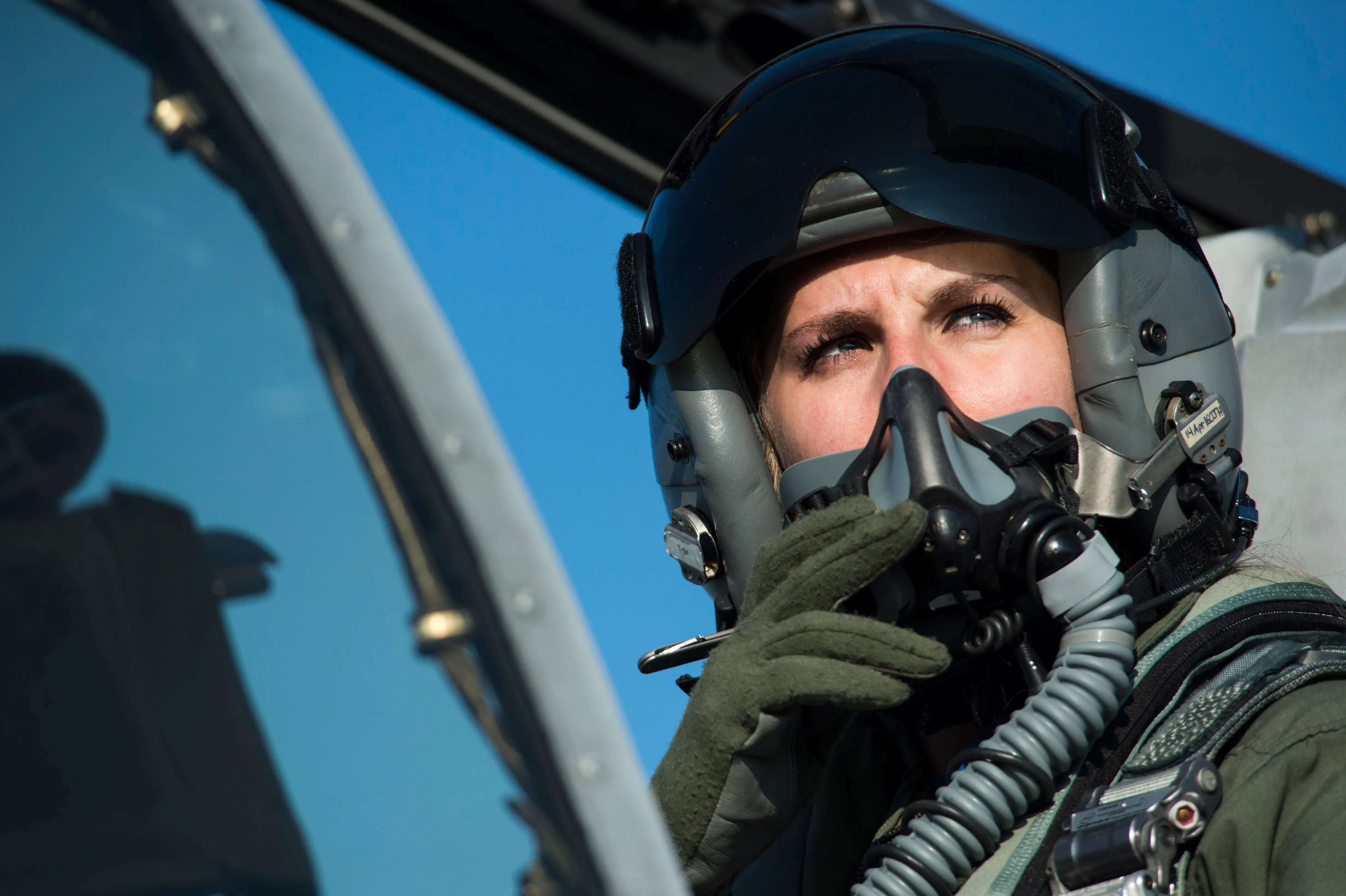
What Is an AI Copilot?
An AI copilot is an advanced computer program that helps a fighter pilot fly, navigate, and fight. It can take care of routine tasks or support decisions during high-stress missions. Projects like the US Air Force’s “ARTUµ” and Britain’s “Tempest” aim to place these digital copilots into real cockpits, turning jets into true human-machine teams.
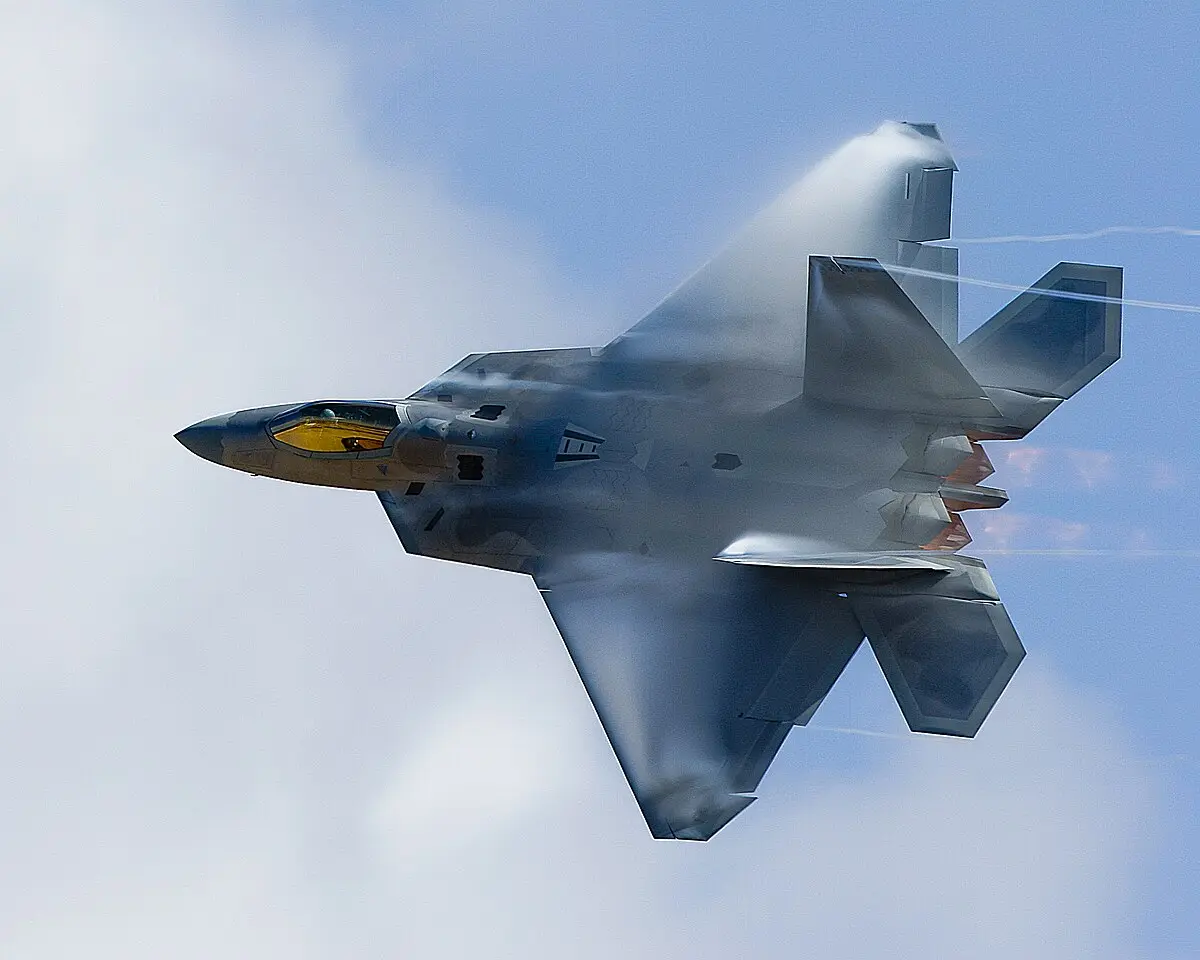
AI-driven fighter jets
In 2022, the US tested an AI-driven F-16, and by 2025, AI copilots are appearing in the latest fighters, such as India’s AMCA and Russia’s Su-57. These systems notice threats, suggest tactics, fly the plane if needed, or control onboard sensors while the pilot focuses on combat. Some next-gen jets can already execute advanced air battle manoeuvres without any pilot at all.
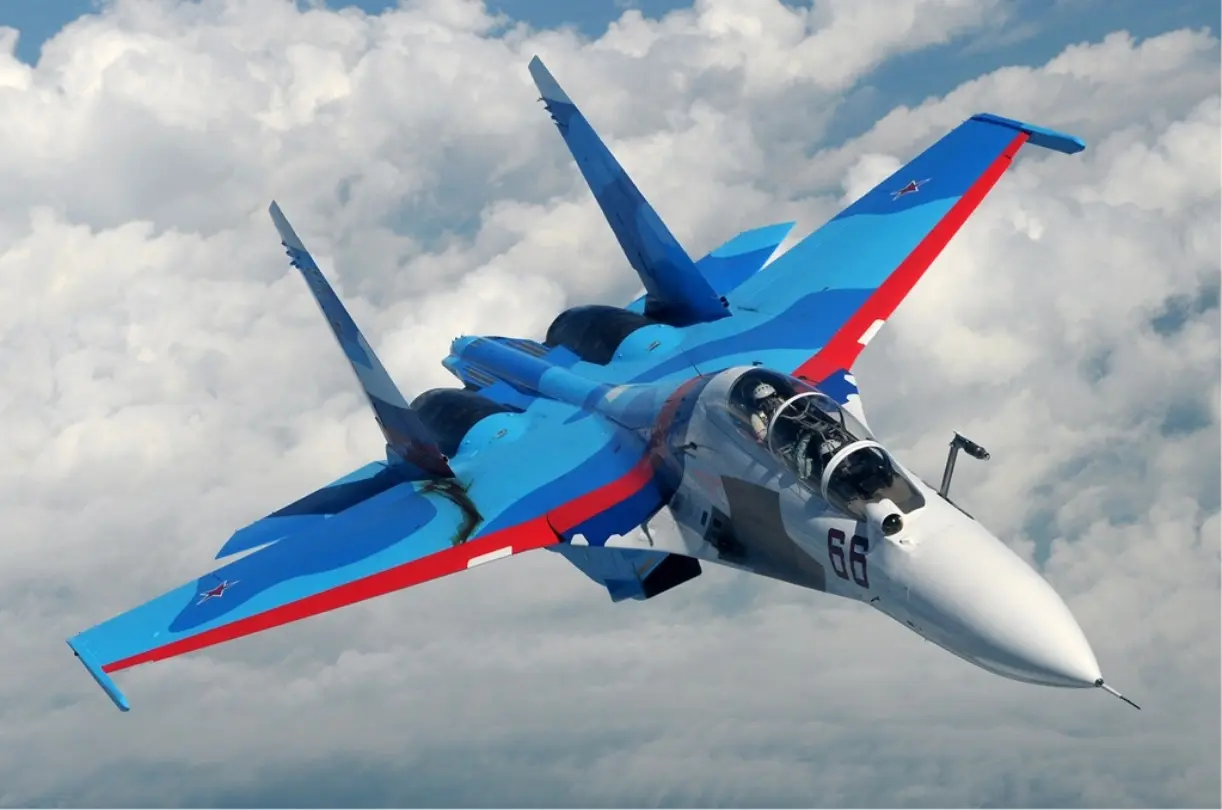
How AI Helps Human Pilots
AI copilots process huge data flows from radar, cameras, and networked drones much faster than people can. They warn pilots, highlight targets, and run cockpit sensors. In US Air Force tests, human pilots have teamed up with AI, using it as an adviser or letting it control tactical moves during intense air combat.
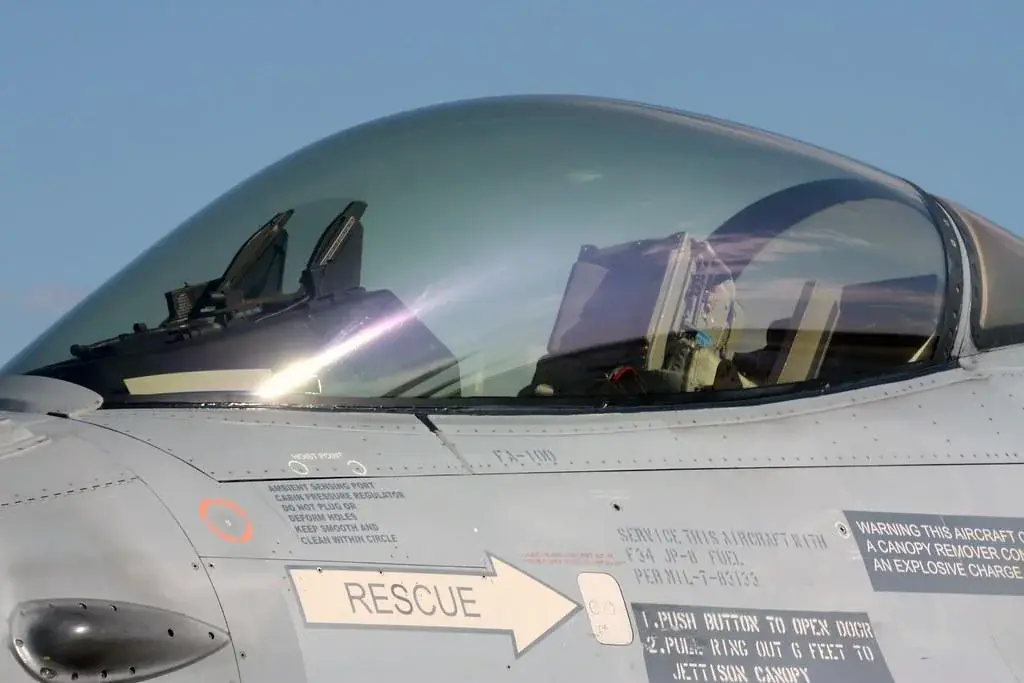
Real-World Successes Not Just Science Fiction
AI copilots have already outperformed humans in simulation dogfights. In the AlphaDogfight Trials, a virtual F-16 flown by AI beat an experienced human pilot 5-0 with aggressive tactics no pilot would risk. AI-driven jets can handle higher g-forces, make split-second decisions, and fly beyond human endurance limits.
Safety, Speed, and Teamwork
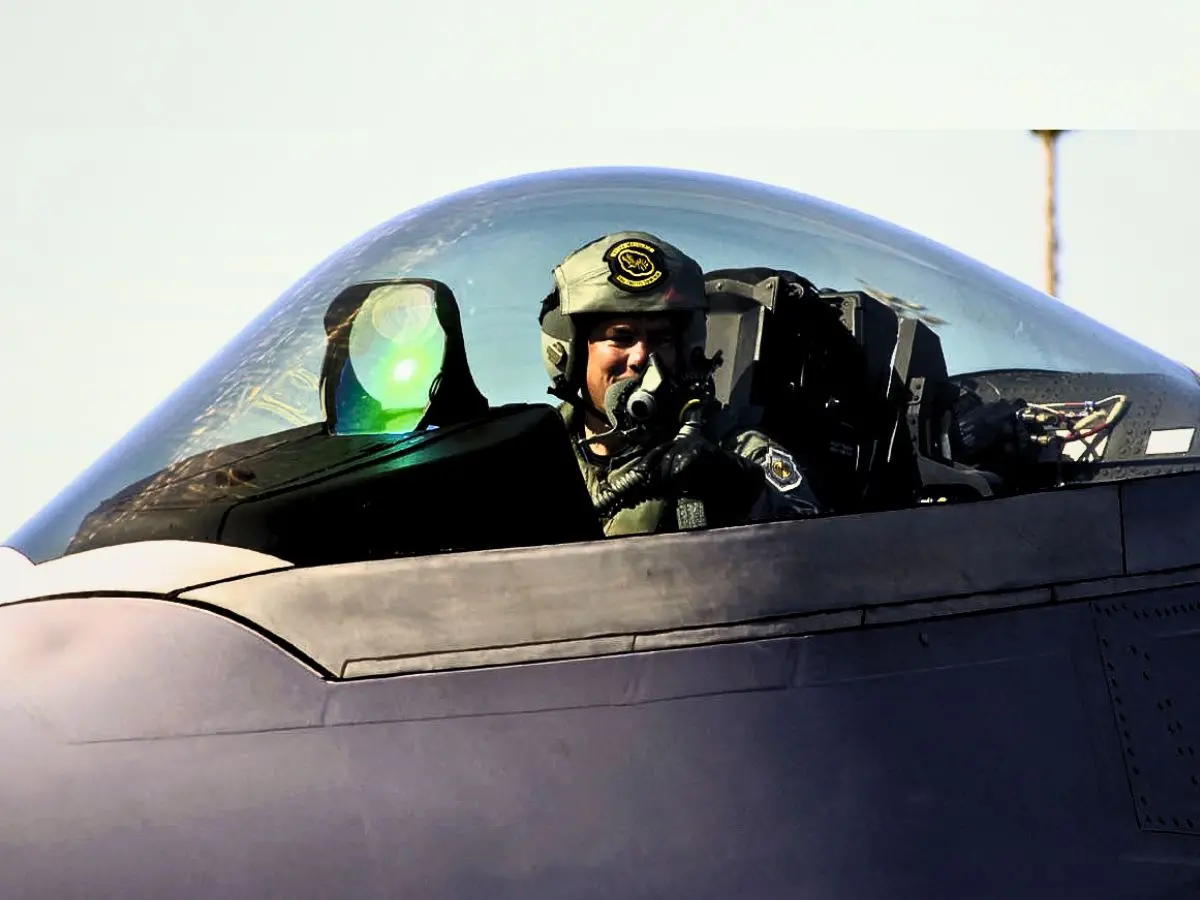
AI copilots do not get tired, distracted, or overwhelmed in a fight. They can control weapons, avoid collisions, and check system health instantly. Long-range missions or complex “formation flights” with drones become easier. Human pilots report that having an AI in the cockpit often means better focus and fewer mistakes when it matters the most.
Will AI Replace Human Pilots Fully?
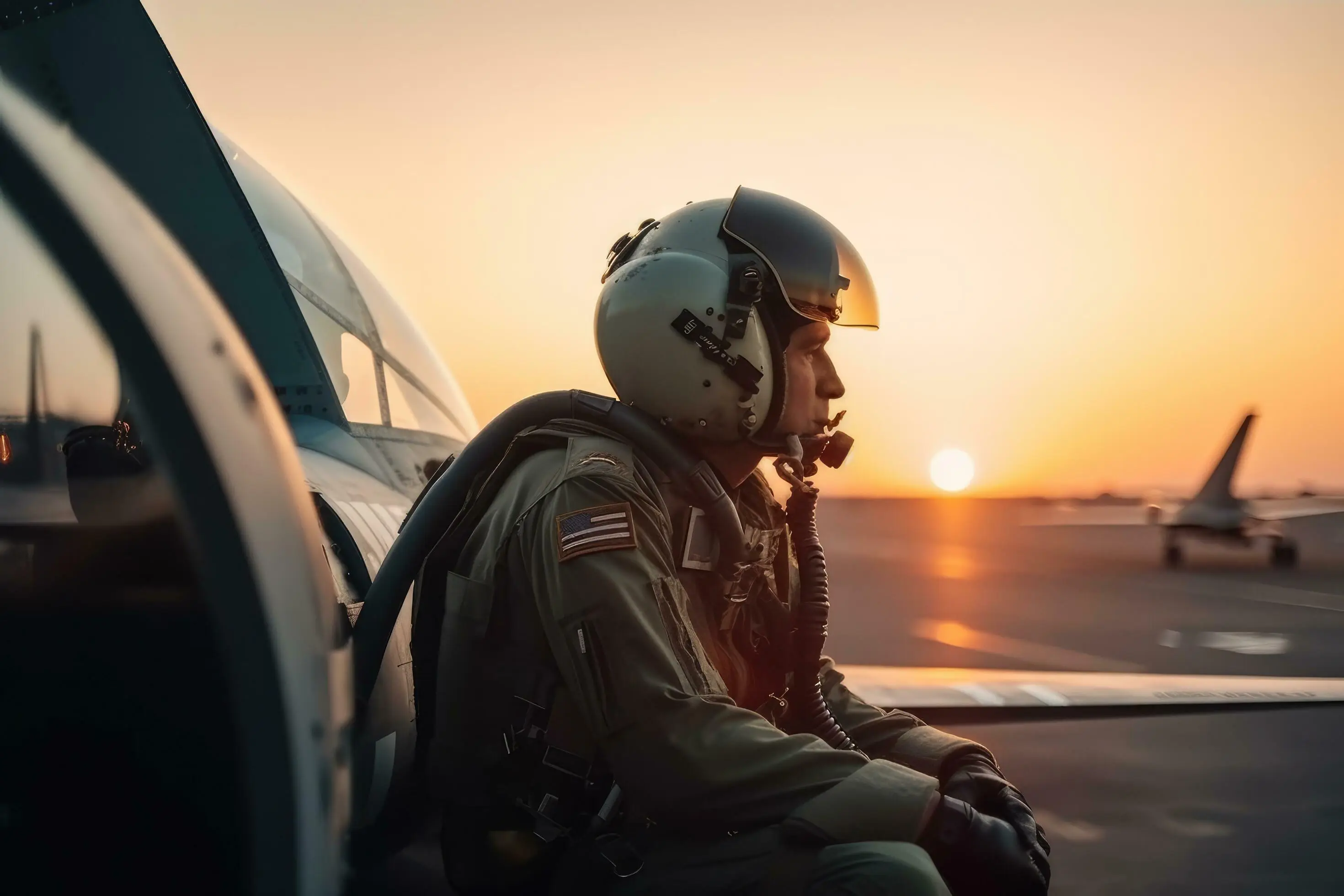
Most new fighter jets are designed for “optionally manned” operation, meaning AI copilots can fly solo or support human pilots. Defence experts say the best results come from human intuition mixed with machine analysis. Whether as a tactical adviser or an autonomous pilot, AI is here to stay in advanced air forces.
What Comes Next? Smart Squadrons and More
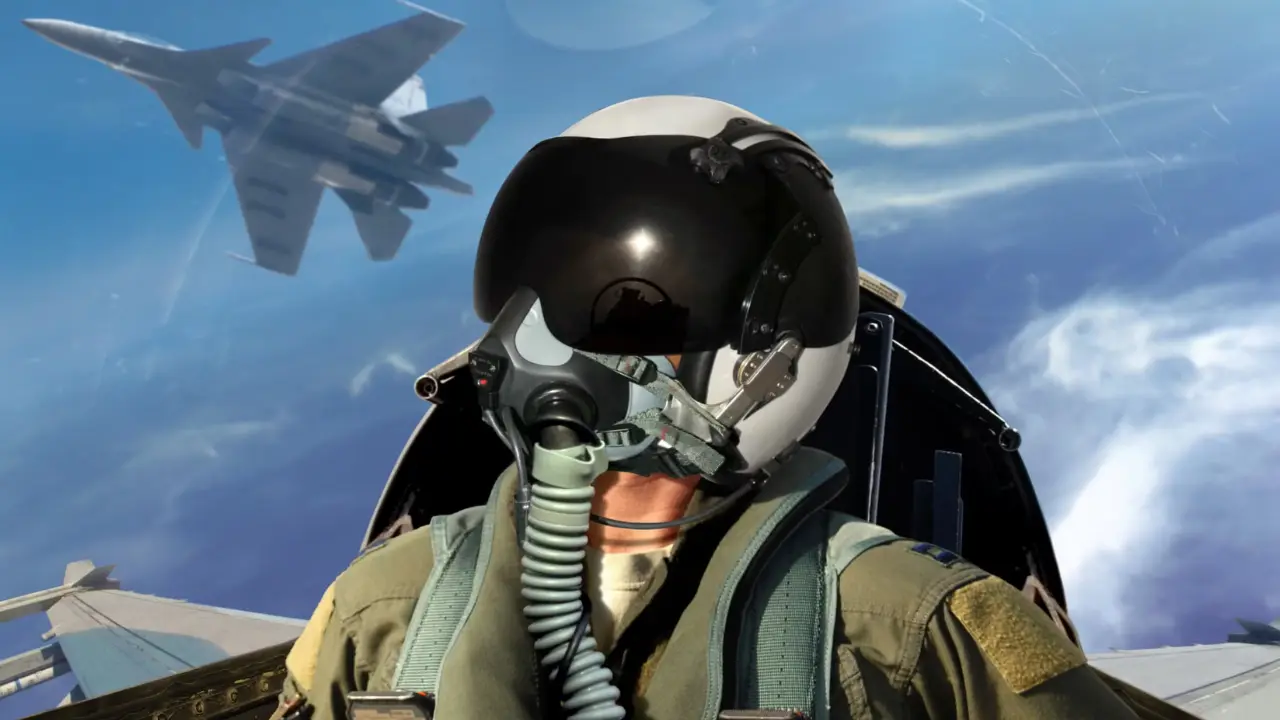
The next leap may be swarms of AI-controlled jets, all working together and sharing information in milliseconds. With real-time machine coordination, entire air battles could be managed faster and with more precision, letting human pilots focus on decisions bigger than one jet at a time.
)
)
)
)
)