Ahmedabad plane crash: How pilots are trained to land a plane safely in tough conditions?

Edited By Abhinav Yadav
Published: Jun 13, 2025, 19:15 IST | Updated: Jun 13, 2025, 19:17 IST
Landing a plane needs perfect speed, timing, and control. Pilots handle tough weather, fast decisions, and high pressure to land safely. using tools, training, and teamwork, they make sure every landing protects passengers and crew.
1 / 6
(Photograph: Reuters)
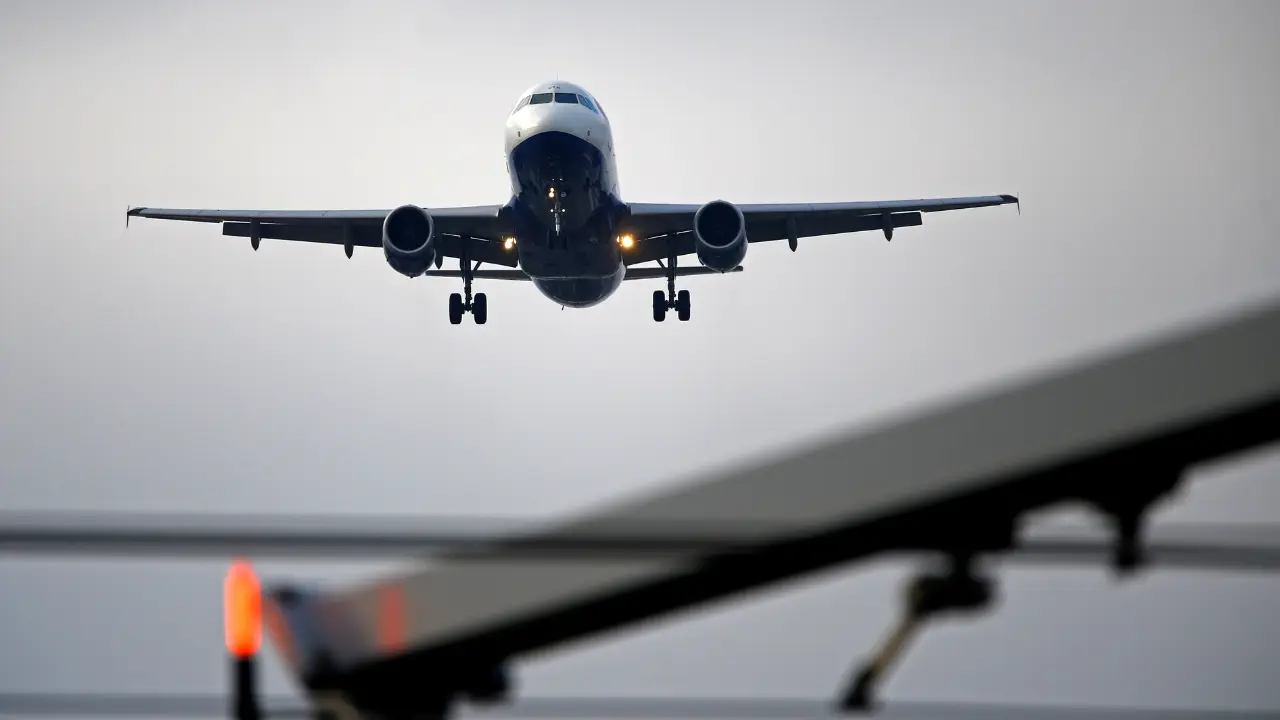
Precision Needed for Safe Landings
Pilots must keep the aircraft at the correct speed, height, and position. Even small mistakes can lead to overshooting or missing the runway. The approach path is often just a few degrees wide.
2 / 6
(Photograph: Reuters)
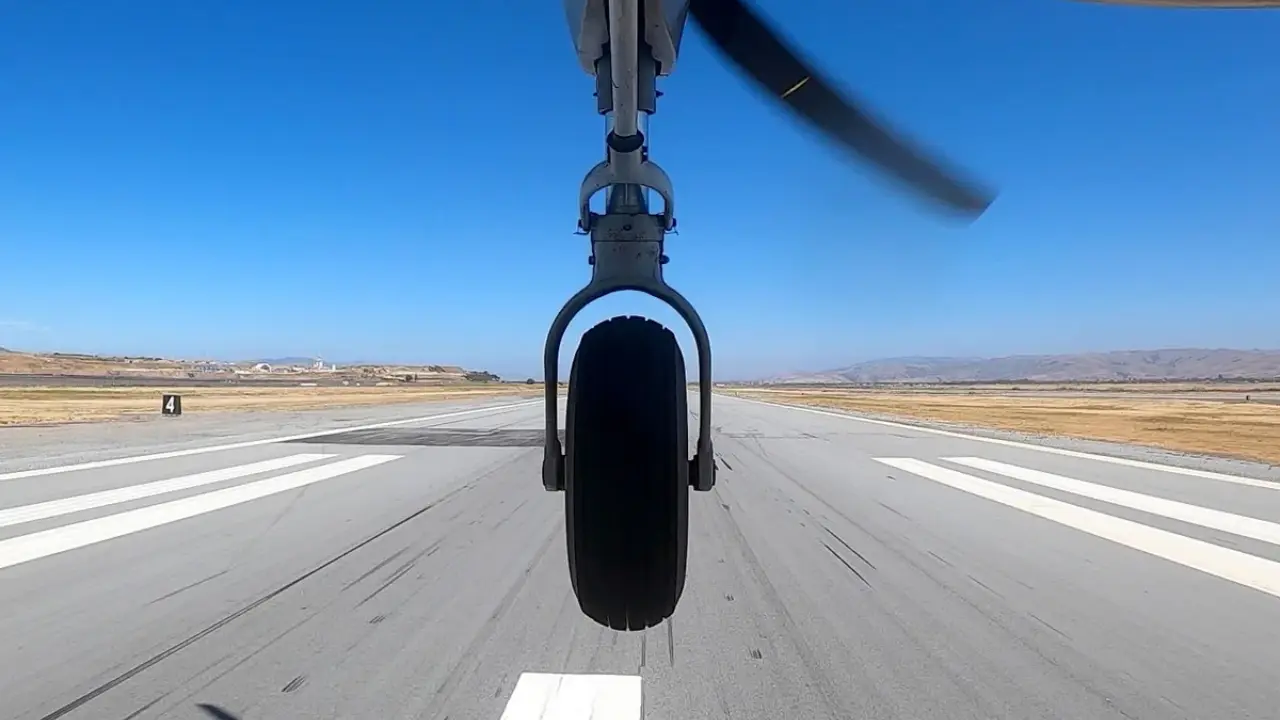
Quick Decisions Required
During landing, pilots have little time to react if something goes wrong. They must quickly decide whether to continue or abort the landing if they spot a problem.

3 / 6
(Photograph: Reuters)
Complex Aerodynamics at Play
Landing means slowing down while keeping the plane stable. Pilots manage lift, drag, and thrust, using flaps and landing gear to control the descent and ensure a smooth touchdown.
4 / 6
(Photograph: Reuters)
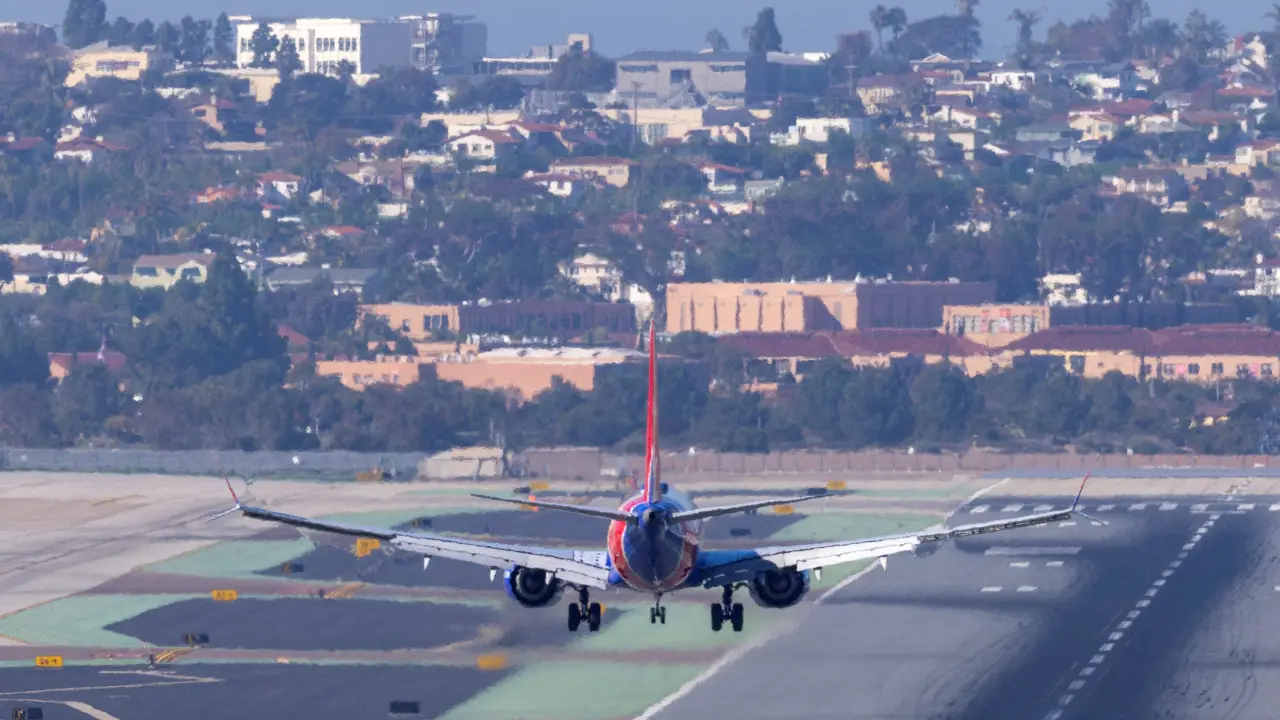
Runway Constraints and Conditions
Runways can be short, sloped, or slippery due to rain or ice. Pilots must adjust their landing to stop the aircraft safely, often within 1,000 to 2,000 feet after touching down.
5 / 6
(Photograph: Reuters)
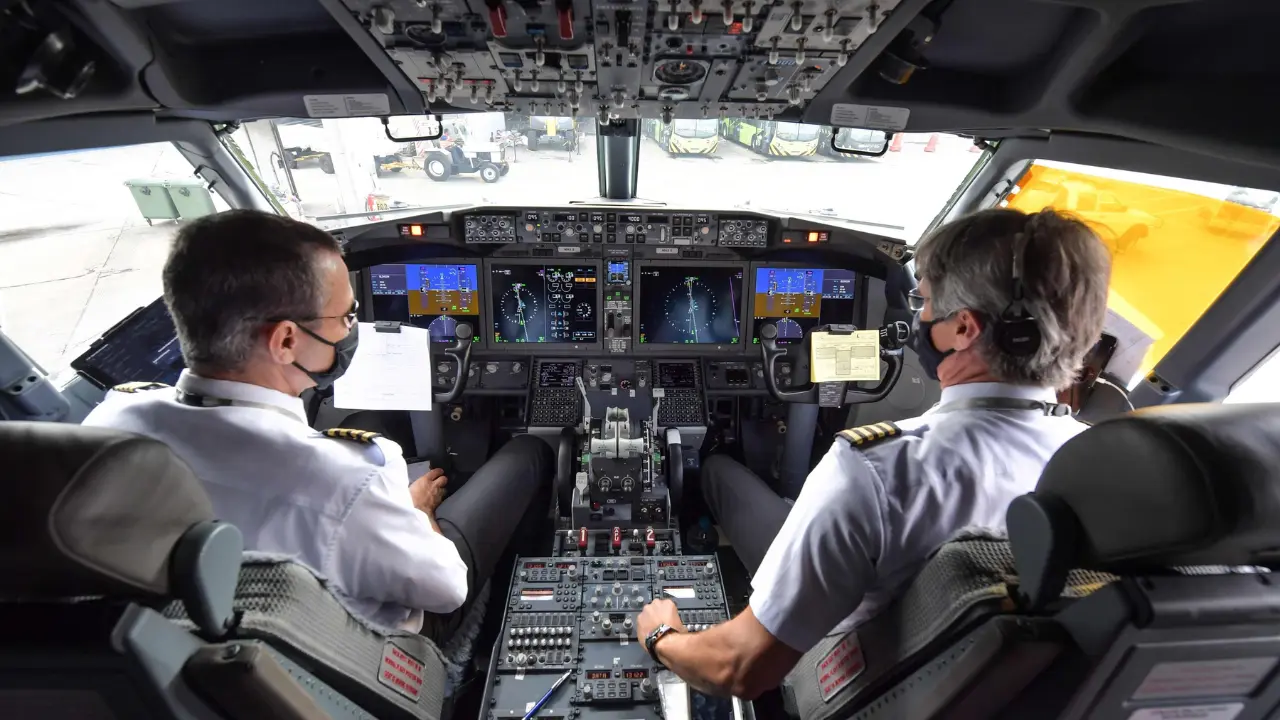
High Workload for Pilots
The final approach is busy for the crew. They monitor instruments, talk to air traffic control, and follow checklists all while staying alert after long flights.

6 / 6
(Photograph: Freepik)
Safety Measures for Passengers and Crew
Pilots use strict procedures and training to keep everyone safe. They prepare for emergencies, keep communication open, and follow safety checks to protect passengers, crew, and themselves.
)

)
)
)