Agni-V vs global long-range missiles: How India’s newest system compares with China’s ICBM tech

Agni-V reaches 5,000-8,000 km, China's DF-41 reaches 15,000 km, Russia's Sarmat reaches 35,000 km. Agni-V emerging capability faces mature Chinese and Russian systems. Accuracy improves from 200m to 30m across global arsenal.
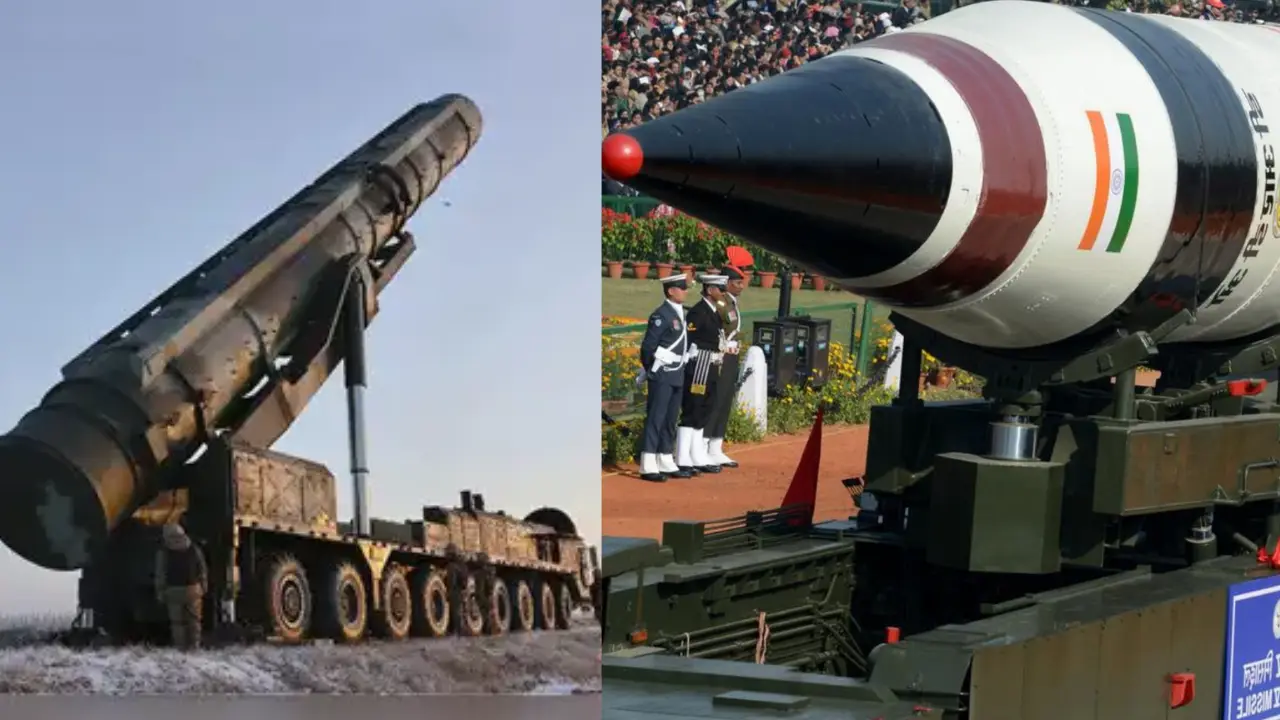
Agni-V Reaches 5,000-8,000 km Range Regionally
India's Agni-V intercontinental ballistic missile operates at 5,000-8,000 kilometres range, covering Asia and parts of Europe. It achieves Mach 24 speed (29,400 kmph) making it one of the fastest missiles globally but with limited reach compared to global powers.
China's DF-41 Dominates With 12,000-15,000 km Range
China's Dong Feng-41 reaches 12,000-15,000 kilometres, enabling strikes on the continental United States from Chinese territory. DF-41 carries 10 MIRV warheads with 2,500 kilogrammes total payload and reaches Mach 25 speed, making it China's most capable ICBM.
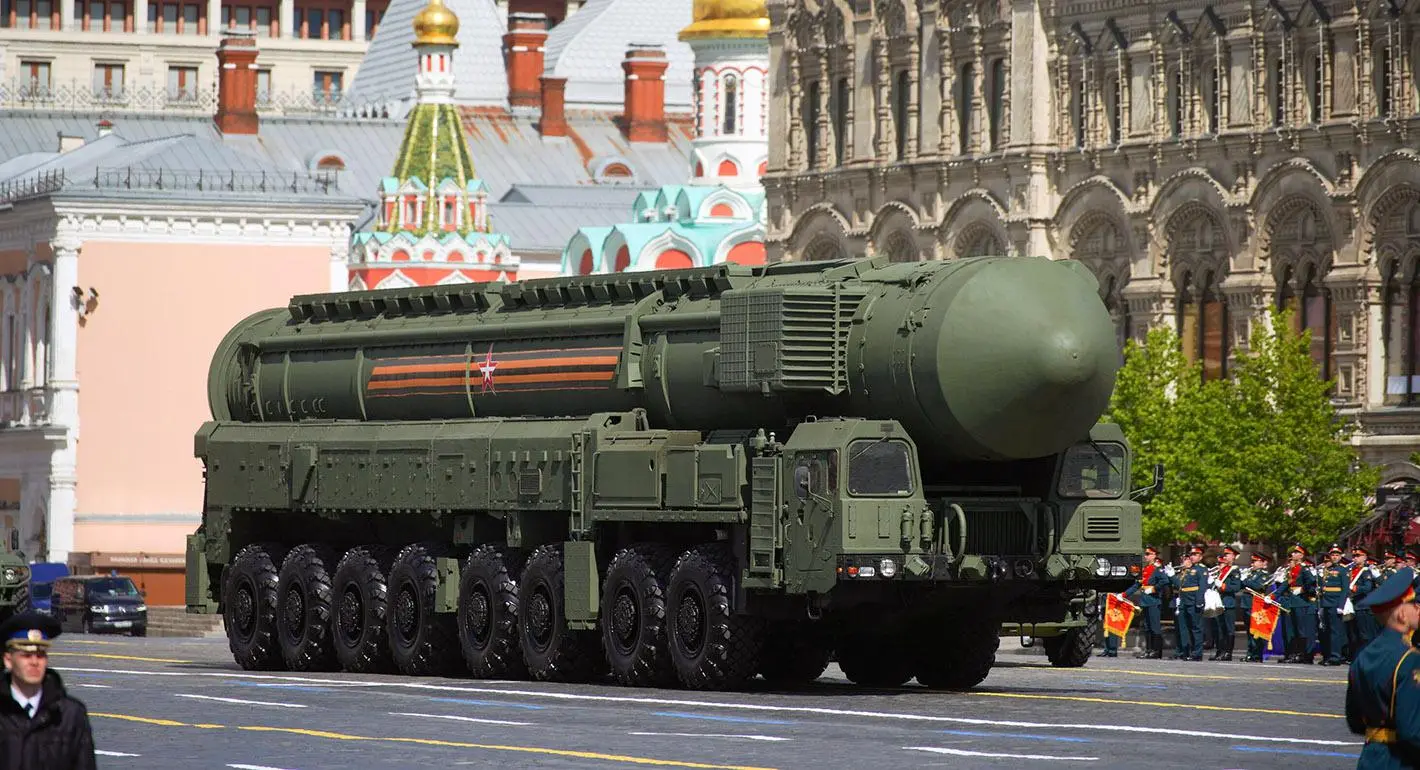
Russia's RS-28 Sarmat Claims 35,000 km Sub-Orbital Flight
Russia's RS-28 Sarmat, entering service in 2023, reportedly achieves 35,000 kilometres sub-orbital distance, making it the world's longest-range ICBM. It can carry 10 tonnes of payload including 10-16 MIRV warheads or 3 hypersonic glide vehicles.
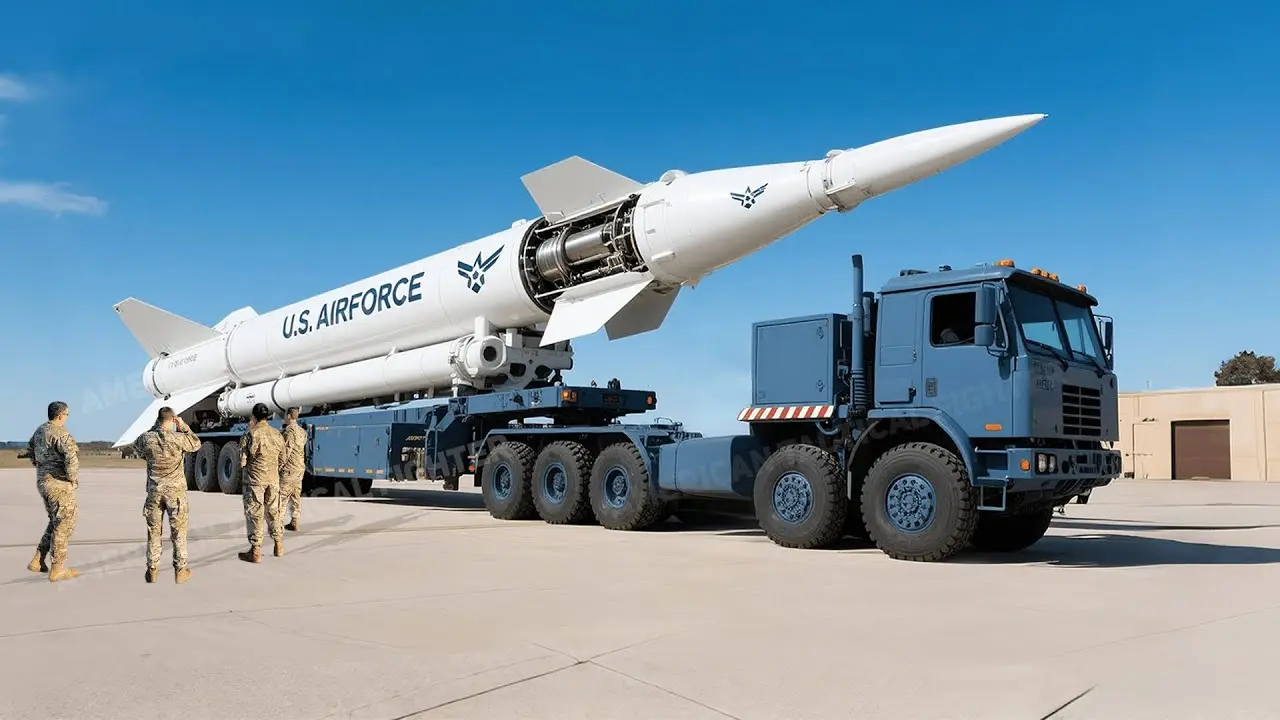
US Minuteman III Reaches 14,000 km With High Accuracy
America's Minuteman III operates at 14,000 kilometres range with upgraded accuracy of 120 metres CEP compared to Agni-V's 150-200 metres CEP. The US has invested $7 billion to extend Minuteman service life to 2030.
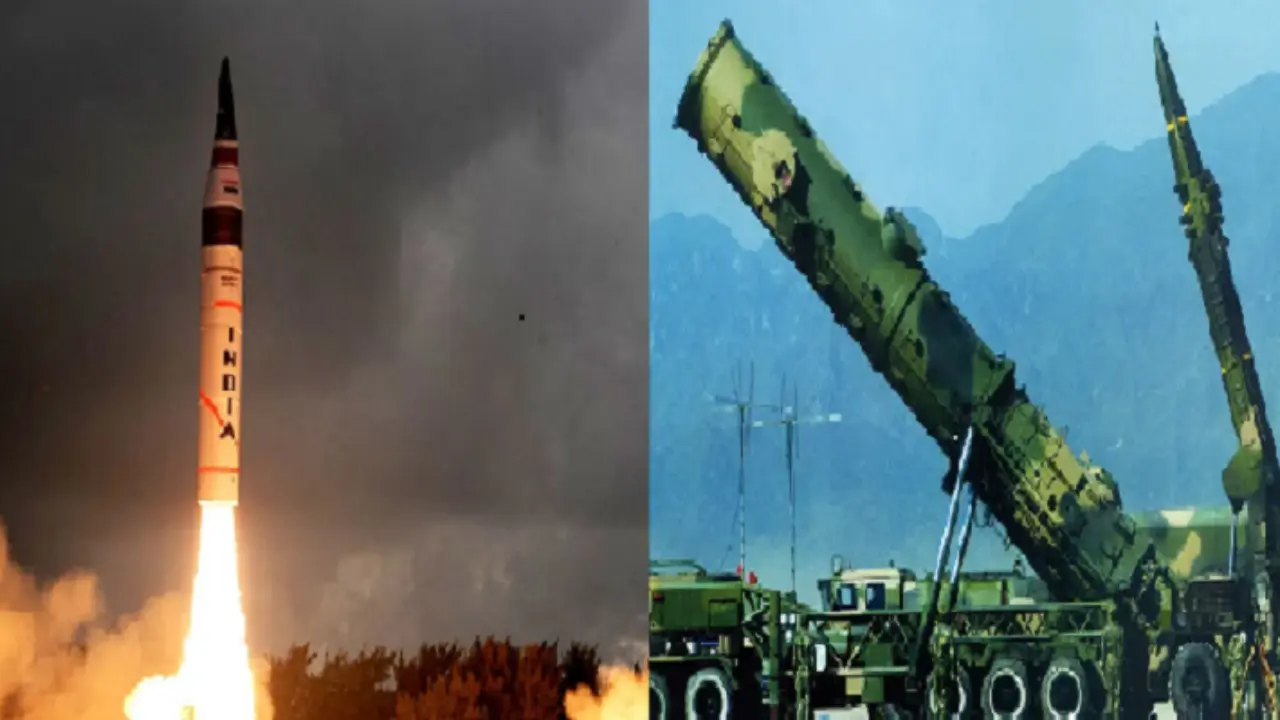
Accuracy Comparison - Agni-V vs DF-41
Agni-V achieves 150-200 metres circular error probable accuracy through Ring Laser Gyroscope navigation. China's DF-41 claims 30-50 metres CEP accuracy, representing superior precision targeting capability against all strategic targets.
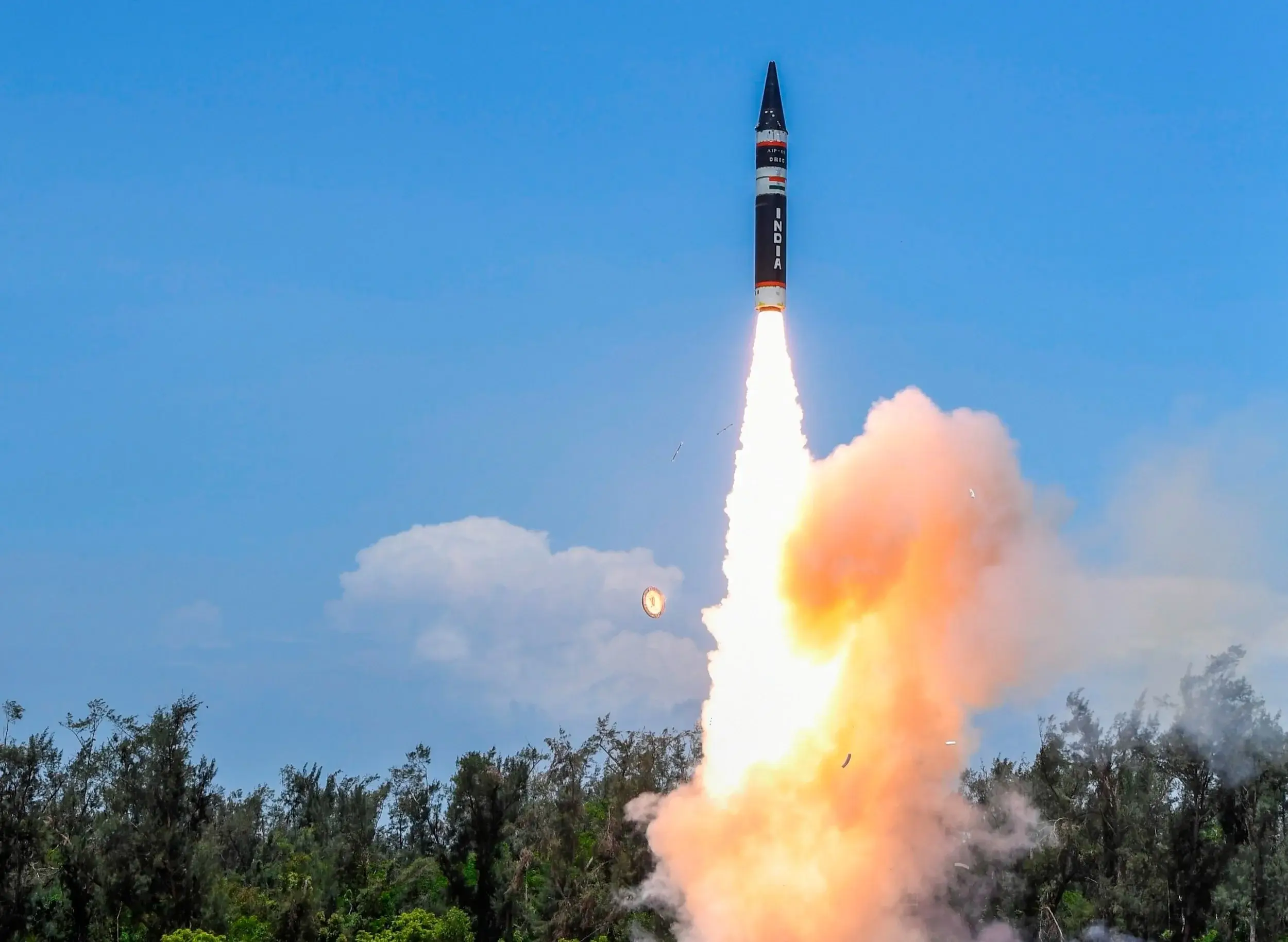
MIRV Capability - India Still Developing Full Capability
India's Agni-V demonstrated MIRV carrying 10-12 warheads in August 2025. China's DF-41 already operational with MIRV capability. Russia's Sarmat carries up to 16 MIRV warheads plus countermeasures, showing technological maturity.
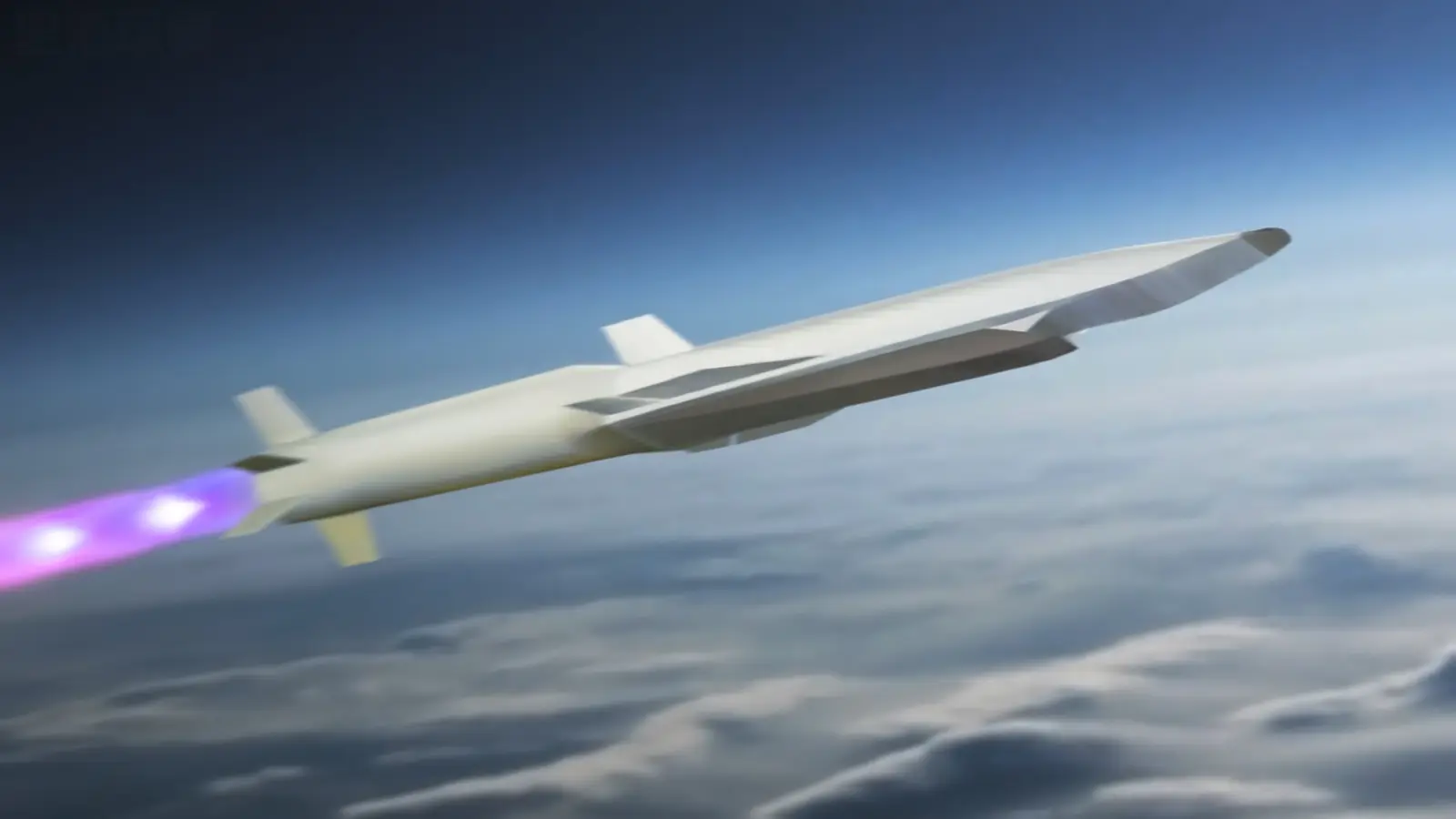
Hypersonic Glide Vehicle Technology
Russia's Avangard hypersonic glide vehicle reaches Mach 27 with advanced manoeuvrability, tested on RS-28 Sarmat. Neither India's Agni-V nor China's DF-41 operate confirmed hypersonic glide vehicle variants yet.
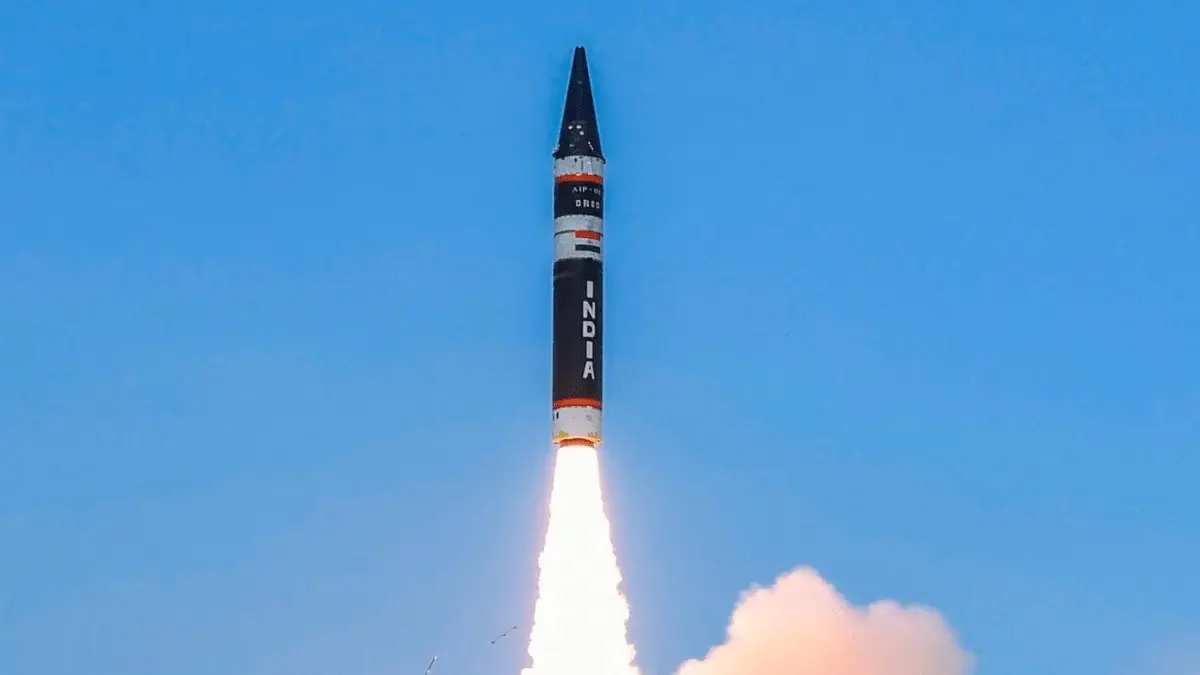
Strategic Doctrine Differences Shape Capabilities
India develops Agni-V for credible deterrence against regional threats. China builds DF-41 for global reach and strategic competition. Russia's Sarmat targets US missile defence through FOBS capability and rapid boost phase.
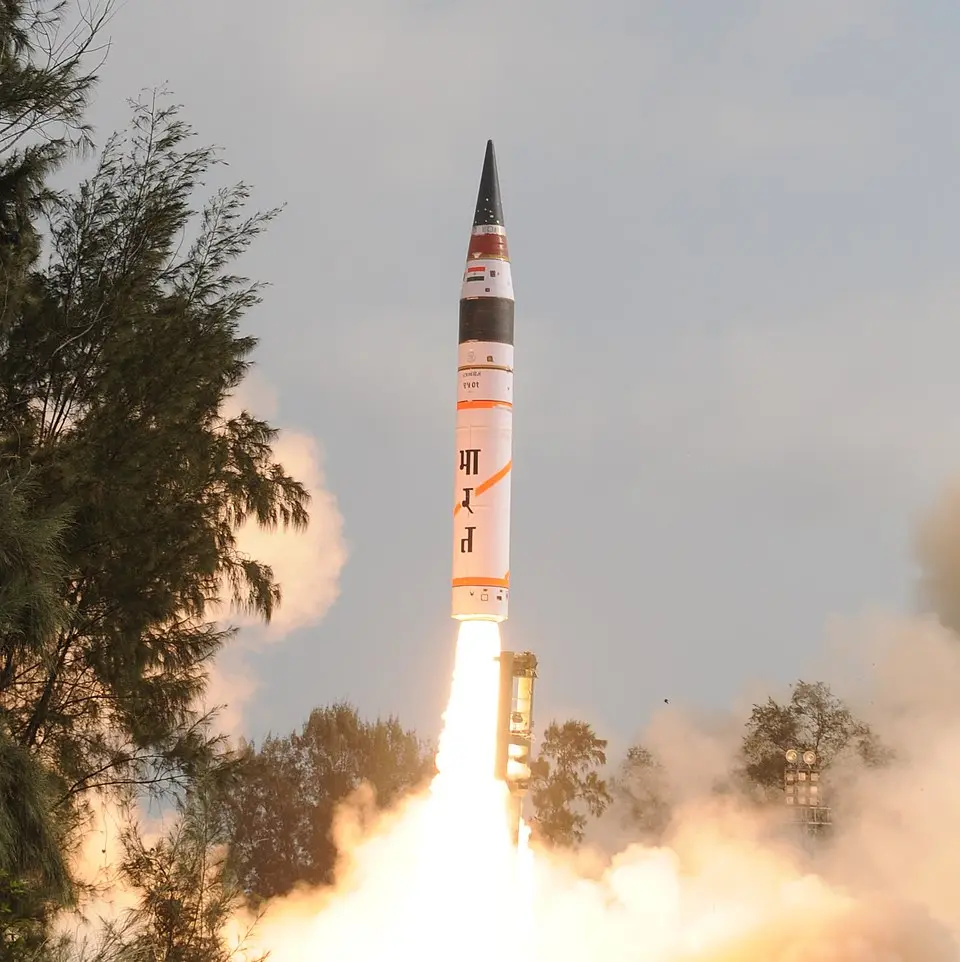
Deployment Methods - Mobile vs Silo-Based
Agni-V deploys road-mobile from canister systems. DF-41 operates road and rail-mobile. US Minuteman III remains silo-based. Russia's Sarmat uses modified silo systems, limiting deployment flexibility compared to road-mobile systems.
Future Trajectory - Next Generation Systems Emerging
India developing Agni-VI at 8,000+ kilometres range with enhanced guidance. China advancing DF-51 for intercontinental range. Global market for ICBM systems projected to grow from $7.78 billion to $11.85 billion by 2032.
)
)
)
)
)