Abandoned Greenland base could trigger first conflict linked to climate change

Greenland might be at the centre of a geopolitical conflict at the moment, but a long-abandoned US base in the Arctic island can trigger another kind of dispute, one linked to climate change. Camp Century, hidden beneath the ice sheet, can kick off a major problem.
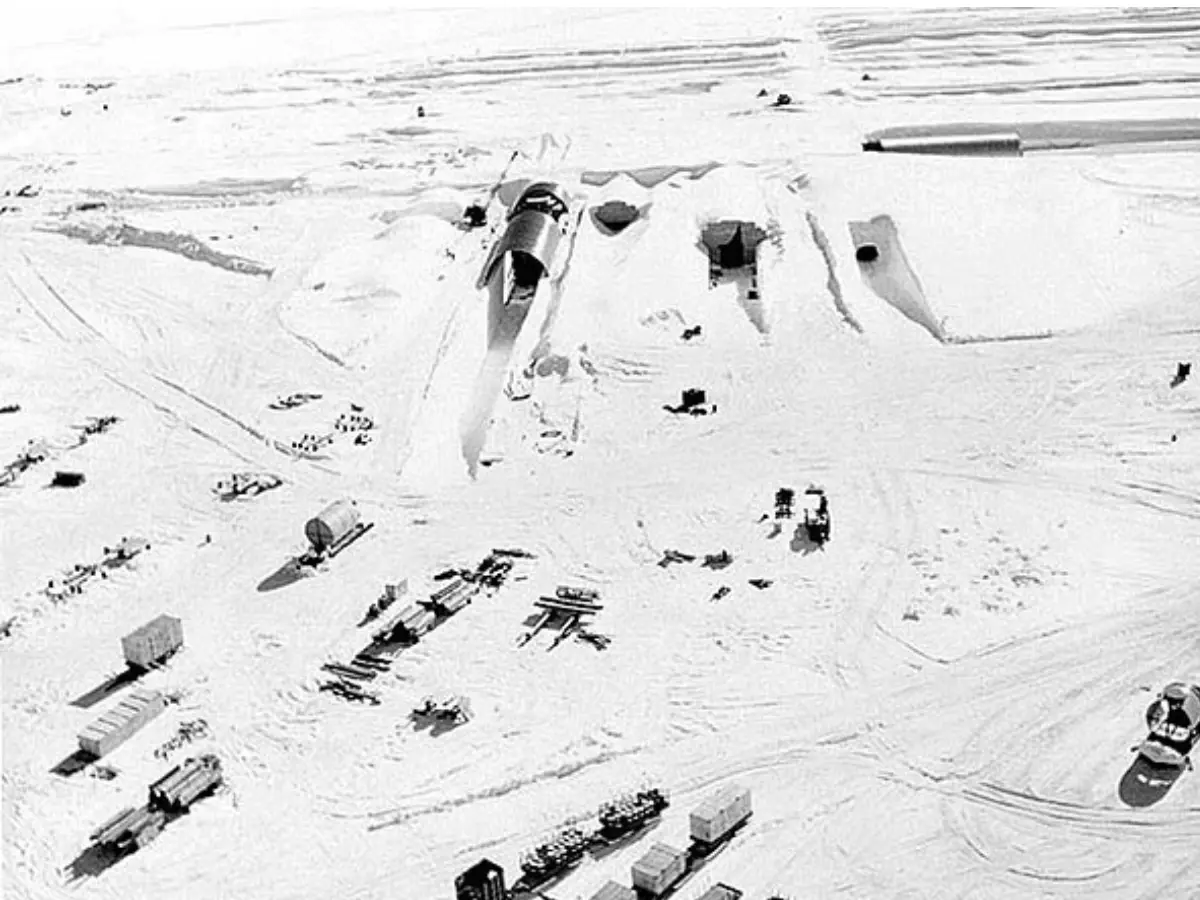
Camp Century is buried in ice
Camp Century, the Cold War-era US Army base in Greenland, is once again in the limelight. US President Donald Trump has been talking about taking control of the Arctic island. The country already has the Pituffik Space Base, which will prove crucial if it decides to use military action. The US built the Camp Century base under Greenland's ice sheet in 1959 as part of a Cold War project. It was abandoned with all kinds of dangerous things, with the assumption that ice would hide it forever. However, as the ice sheet melts, this base has been exposed. NASA rediscovered it in 2024, and now there are fears of an environmental contamination.
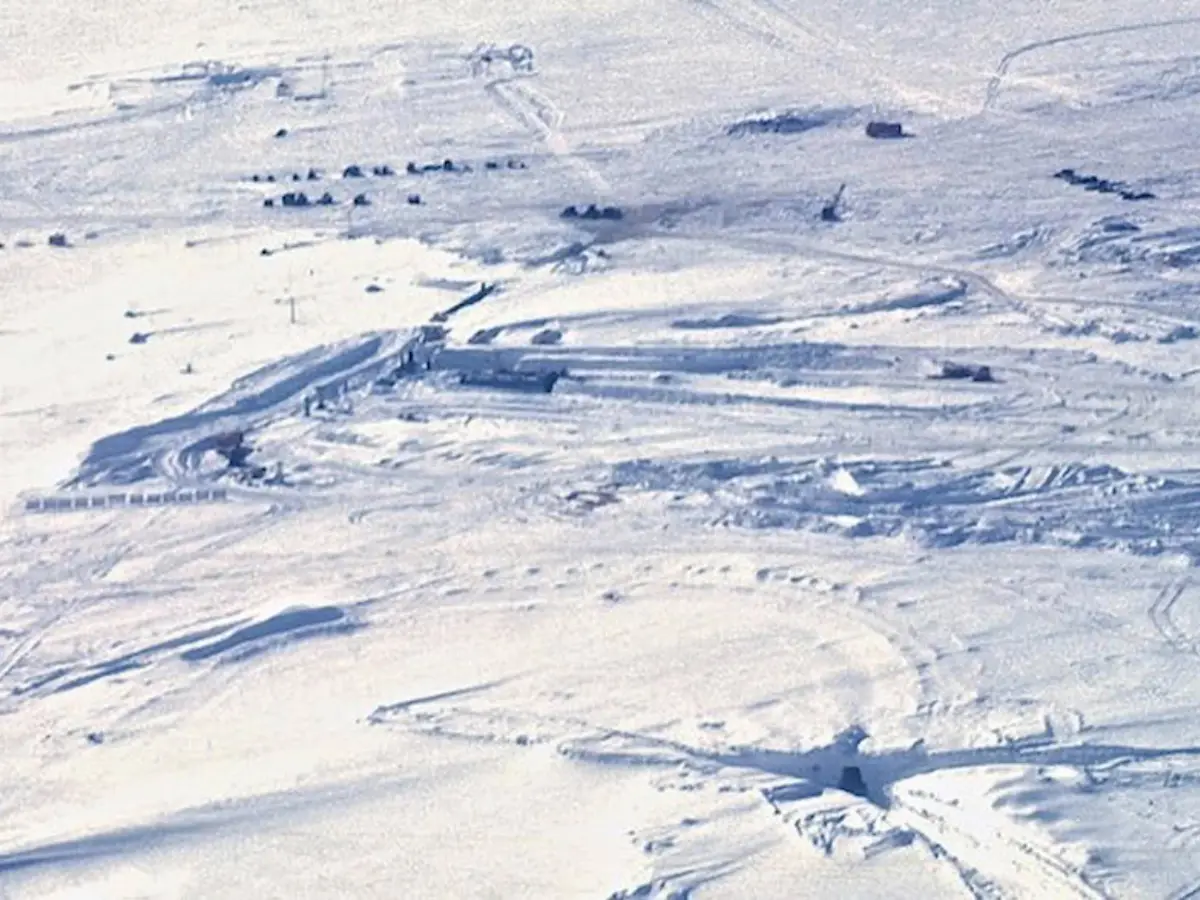
Abandoned US base in Greenland has tons of waste
The base lies 118 feet below the surface and is over a kilometre in length and about half a kilometre wide. It used to be a nuclear-powered underground town and housed a hospital, theatre, church and shop. After it was abandoned, tons of hazardous waste were left behind at the site. With temperatures rising, scientists have warned that this waste, including radioactive material, could be released into the environment. Camp Century has chemical pollutants, biological sewage and diesel fuel.
Could ice hide the waste forever?
That's not all. Reports suggest that the Danish government released some radioactive waste directly into the ice. Officials believed that the ice could keep these substances away from humanity forever. But they didn't anticipate the day when this ice would melt, revealing everything that was added to it. James White, a climate scientist at the University of Colorado Boulder, says it is unrealistic to think that waste could be buried under ice for eternity. He says it is bound to happen someday, in hundreds or thousands of years.
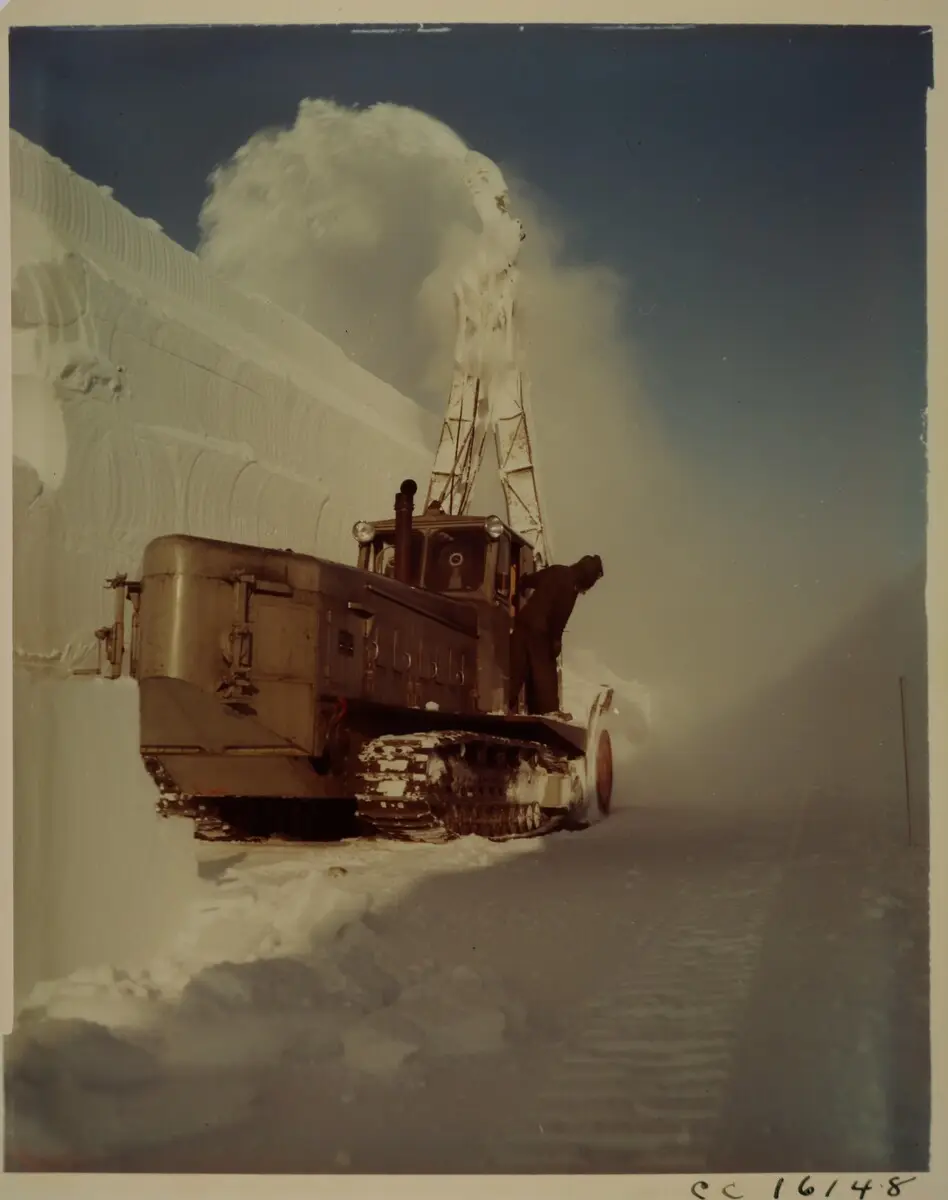
Chemicals, building, and radioactive waste sit inside Camp Century
A team of international researchers has estimated that Camp Century contains approximately 9,200 tons of physical waste. Besides radioactive material and other chemicals, there are abandoned buildings, tunnels, and rail infrastructure. Around 200,000 litres of diesel fuel also sit in the base. The most concerning substance is polychlorinated biphenyls, or PCBs, toxic chemicals that are linked to cancer and can damage the immune system.
Who should take responsibility for the waste at Camp Century?
One major problem is placing responsibility for the waste. It remains unclear who should have removed the material - the US, Denmark, or Greenland. The US left it all behind, but the original treaty does not mention anything about who should clean up the base. It is not known whether the US consulted Denmark before decommissioning the base, causing ambiguity over whether the waste is still US property.
Camp Century has never seen any remedial measures
Military sites in the Arctic region are quite prevalent, and cleanup operations are carried out to ensure the removal of contaminants. But Camp Century has not had any luck in this field. According to a 2016 study by the CIRES research team, it is one of only five abandoned ice-sheet bases near Thule Air Base where remedial measures have never been carried out. This means that since 1967, when it was abandoned, every material left behind is still there.
Tunnels at Camp Century make mapping of waste difficult
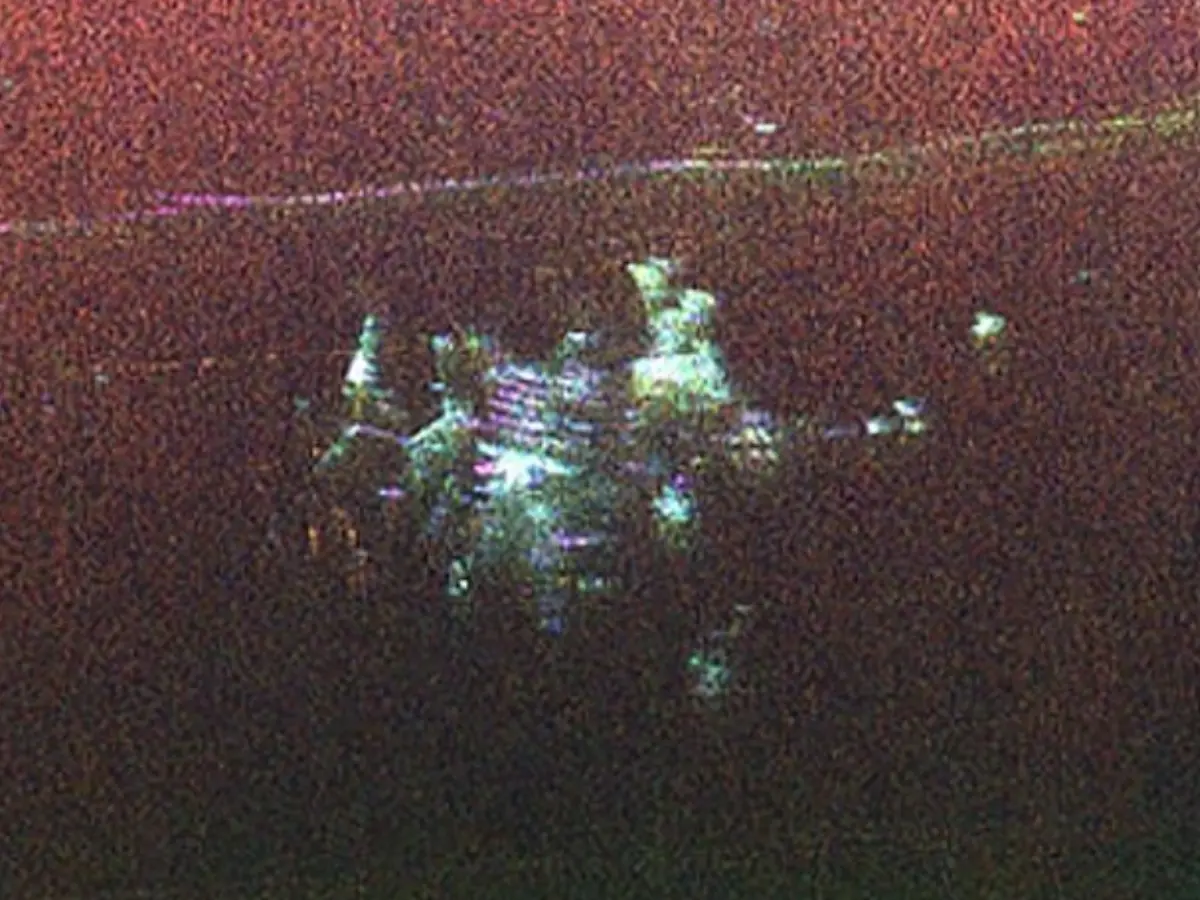
Mapping this waste material is also a problem. Camp Century's tunnel system twists and branches beneath the ice. This makes it hard to map it fully. Some success has been achieved with airborne radar that has detected strong reflections that align with known tunnel locations. However, scientists say this technology cannot identify all buried waste. Diesel fuel was left in tanks, and could still be liquid today. These tanks may have come apart, causing the diesel to flow out.
Camp Century could trigger a conflict linked to climate change
Experts think the issue could trigger the first international dispute linked to climate change. As ice melts, hazardous waste will be released by the ice. Countries could fight over placing blame and taking responsibility for the cleanup. In the case of Camp Century, the US left the waste in Greenland, an Arctic island under the administration of Denmark.
)
)
)
)
)