A sudden slowdown in Earth’s spin was detected on August 5! Is it a warning sign?

On Tuesday, August 5, 2025, Earth completed its rotation slightly more slowly than usual, making the day fractionally longer. While the difference was imperceptible to people, scientists say the cause offers important clues about the forces influencing our planet’s spin.

A Subtle but Measurable Change
On that day, Earth’s rotation lasted about 86,400.00145 seconds, roughly 1.45 milliseconds longer than average. Although this change is tiny, precise measurements using atomic clocks and astronomical observations can detect it.

What We Normally Expect
The solar day we experience is exactly 24 hours, or 86,400 seconds. Small variations occur naturally, caused by shifts in wind patterns, ocean currents, and movements within Earth’s interior. Over the long term, the Moon’s tidal pull gradually slows Earth’s rotation.
The Unusual Factor This Time
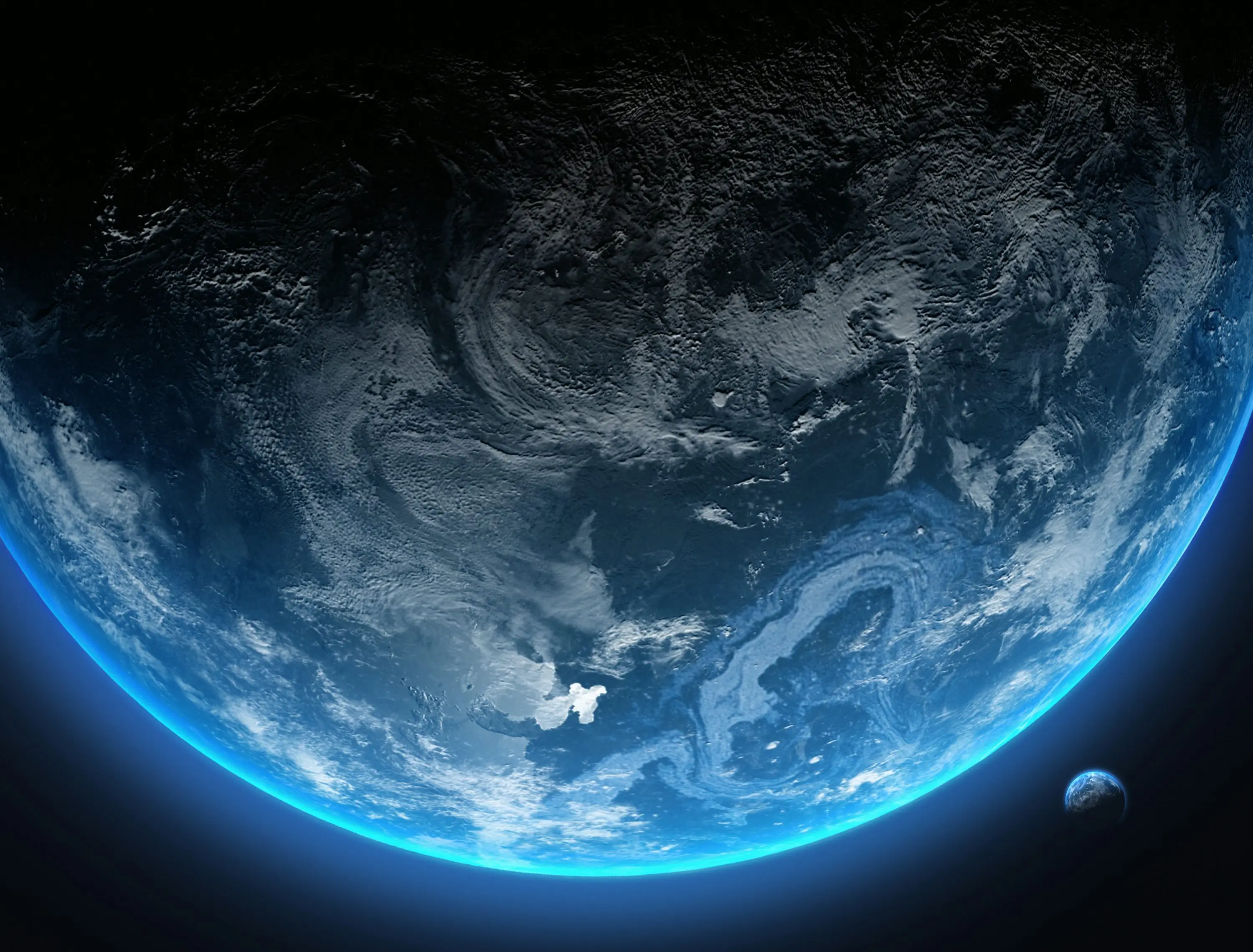
Scientists say the slowdown on August 5 was linked to atmospheric conditions in the southern hemisphere. Stronger-than-usual winds in certain regions applied a minute braking effect on Earth’s surface, adding milliseconds to the day’s length.

The Role of the Oceans and Tides
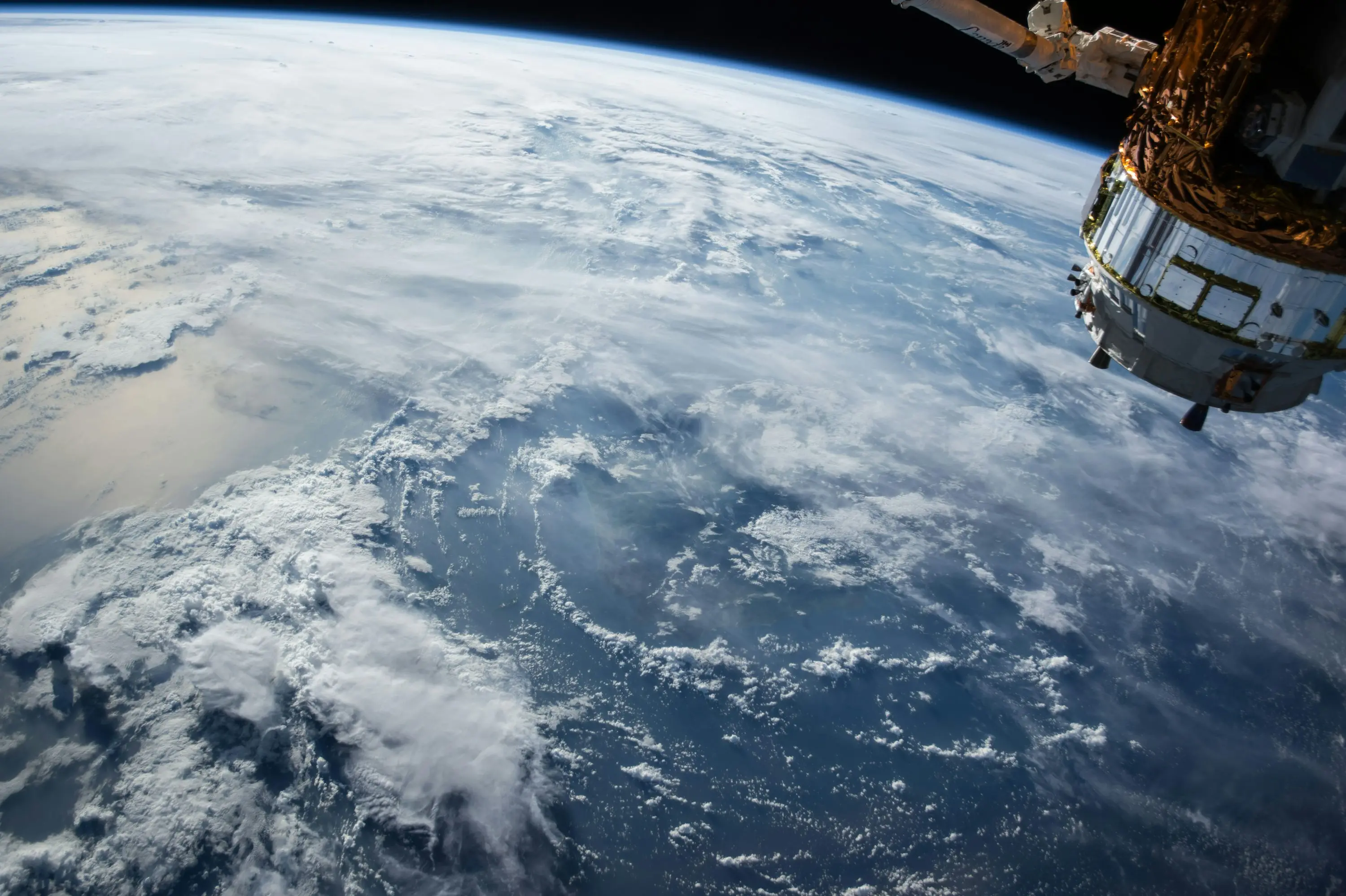
Ocean currents, influenced by the Moon’s gravity, also contributed. When tidal drag is slightly stronger, for example, when the Moon’s position relative to Earth is optimal for stronger tides, it can slow the planet’s spin fractionally.
Changes Inside the Planet
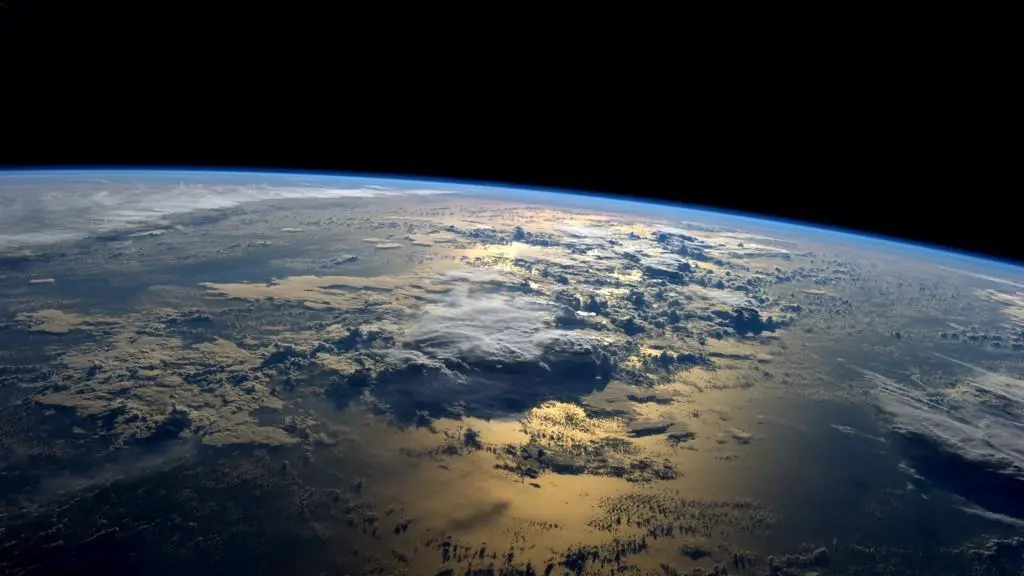
Movements within Earth’s molten outer core also affect rotation speed. The core and mantle exchange angular momentum, and small shifts here can speed up or slow down the spin. On August 5, measurements suggested that such internal processes played a role alongside atmospheric effects.
Why Timing Precision Matters
Even a change of just over a millisecond can affect highly precise systems like GPS navigation and satellite communications. Without adjustments, such as adding or subtracting leap seconds when necessary, positional errors could reach tens of centimetres at the equator.

A Reminder of Earth’s Complexity
For most people, a slightly longer day goes unnoticed. But for scientists, it’s a reminder that Earth’s rotation is not constant — it is influenced by the atmosphere, oceans, tides, and even the deep interior. Each small change helps researchers understand the dynamic forces shaping our planet.
)
)
)
)
)