A space bag that can catch asteroids? New technology could transform mining and clean up orbit

Asteroid mining has long been a dream of space entrepreneurs, but its complexity lies in four fundamental problems: detecting an asteroid, capturing it, moving it to a usable location and processing its materials.
What are capture bags?
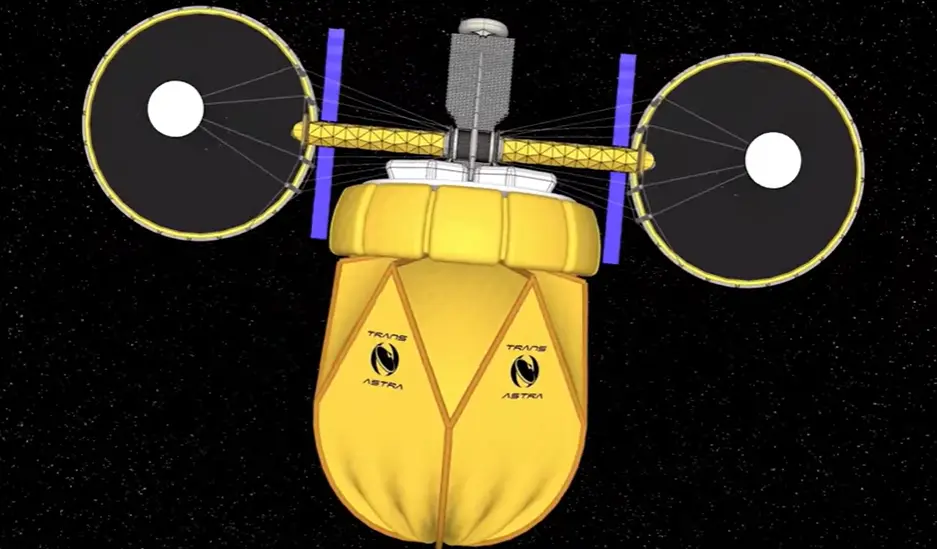
A Californian aerospace startup is developing a technology known as the capture bag, an inflatable system designed to detect, trap and transport near-Earth asteroids and space debris. Asteroids contain large quantities of both precious and common metals, and despite the obvious challenges in reaching them, several space companies argue that these celestial bodies could provide a sustainable alternative to Earth-based mining, which faces declining reserves and environmental harm. If successful, the capture bag could reshape both space exploration and future resource extraction.
the challenge of asteroid mining
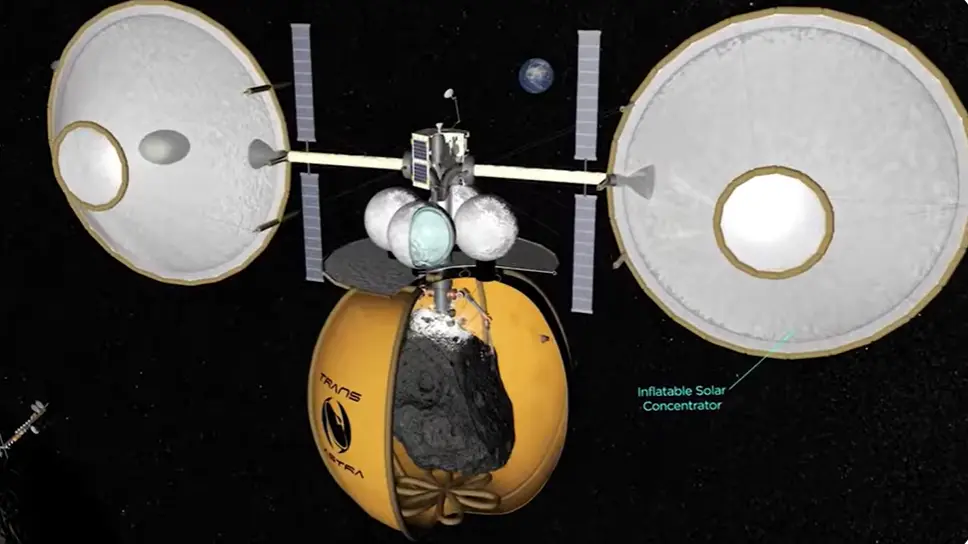
Asteroid mining has long been a dream of space entrepreneurs, but its complexity lies in four fundamental problems: detecting an asteroid, capturing it, moving it to a usable location and processing its materials. The founder of the startup named TransAstra, Joel Sercel, argues that only by solving all four of these challenges together can true space-mining become viable.
what is the capture bag?
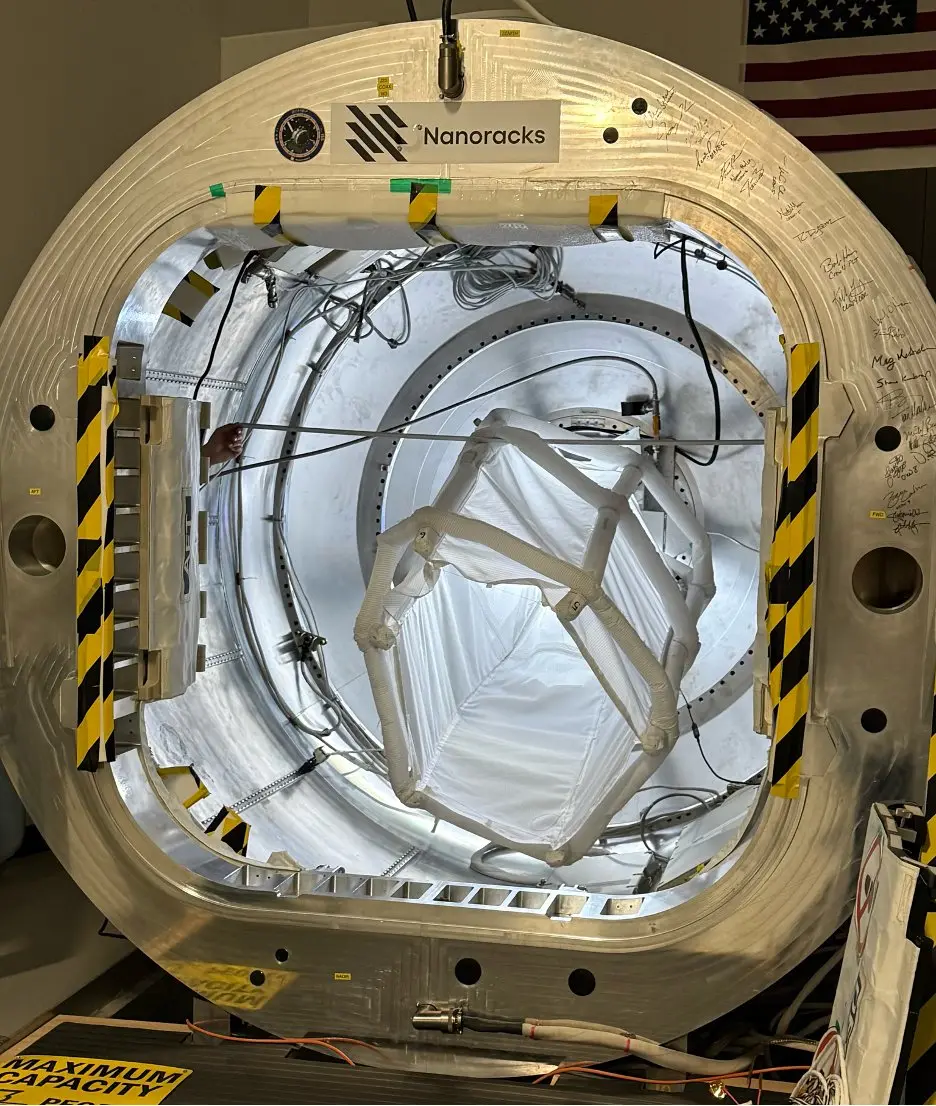
The capture bag is an inflatable, flexible container that can be deployed around a target object in space and then sealed. Made from aerospace-grade materials, it is designed to adapt to objects of varied shapes and sizes, from small rocks to rubble to very large asteroids.
tested in space
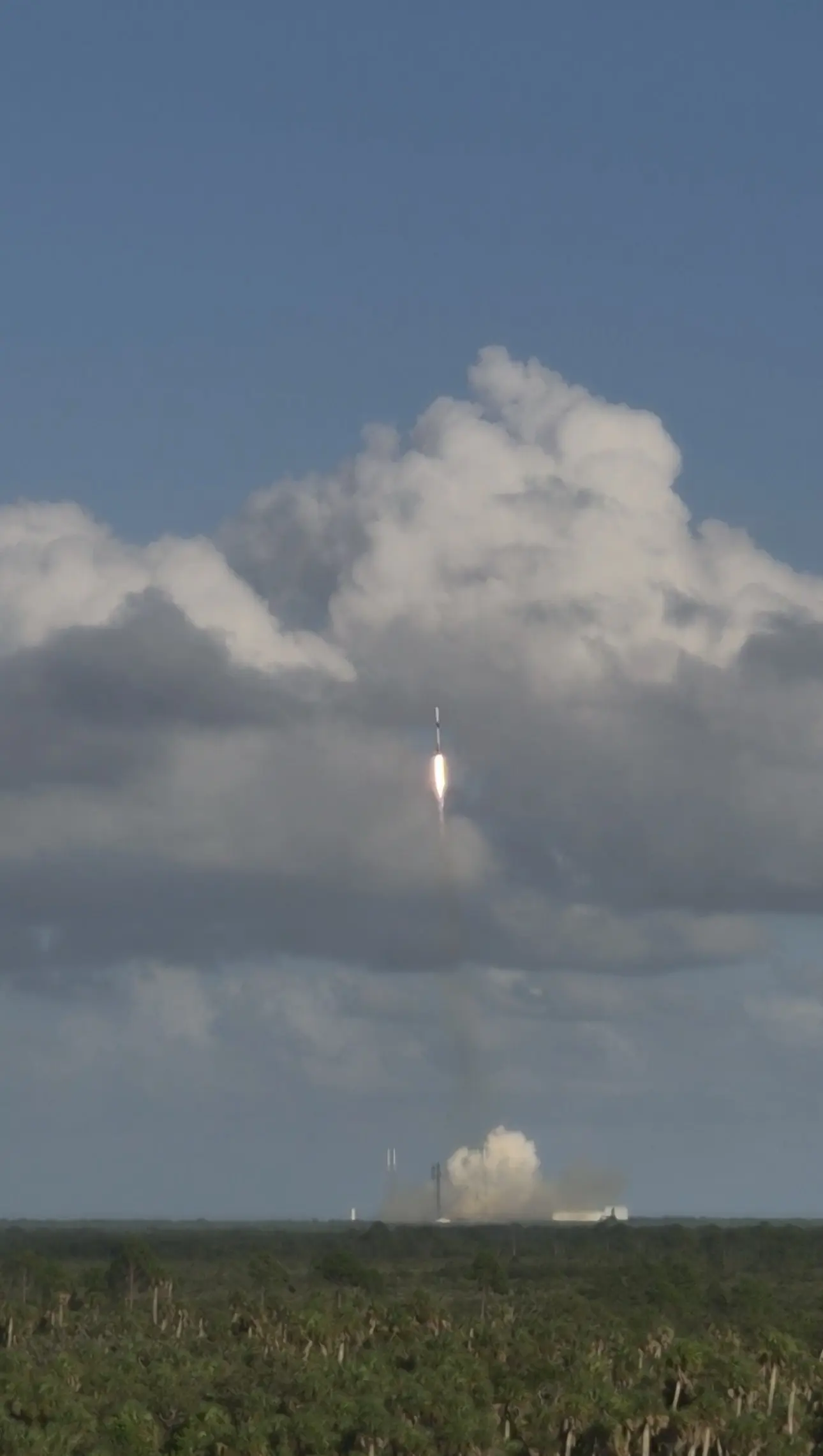
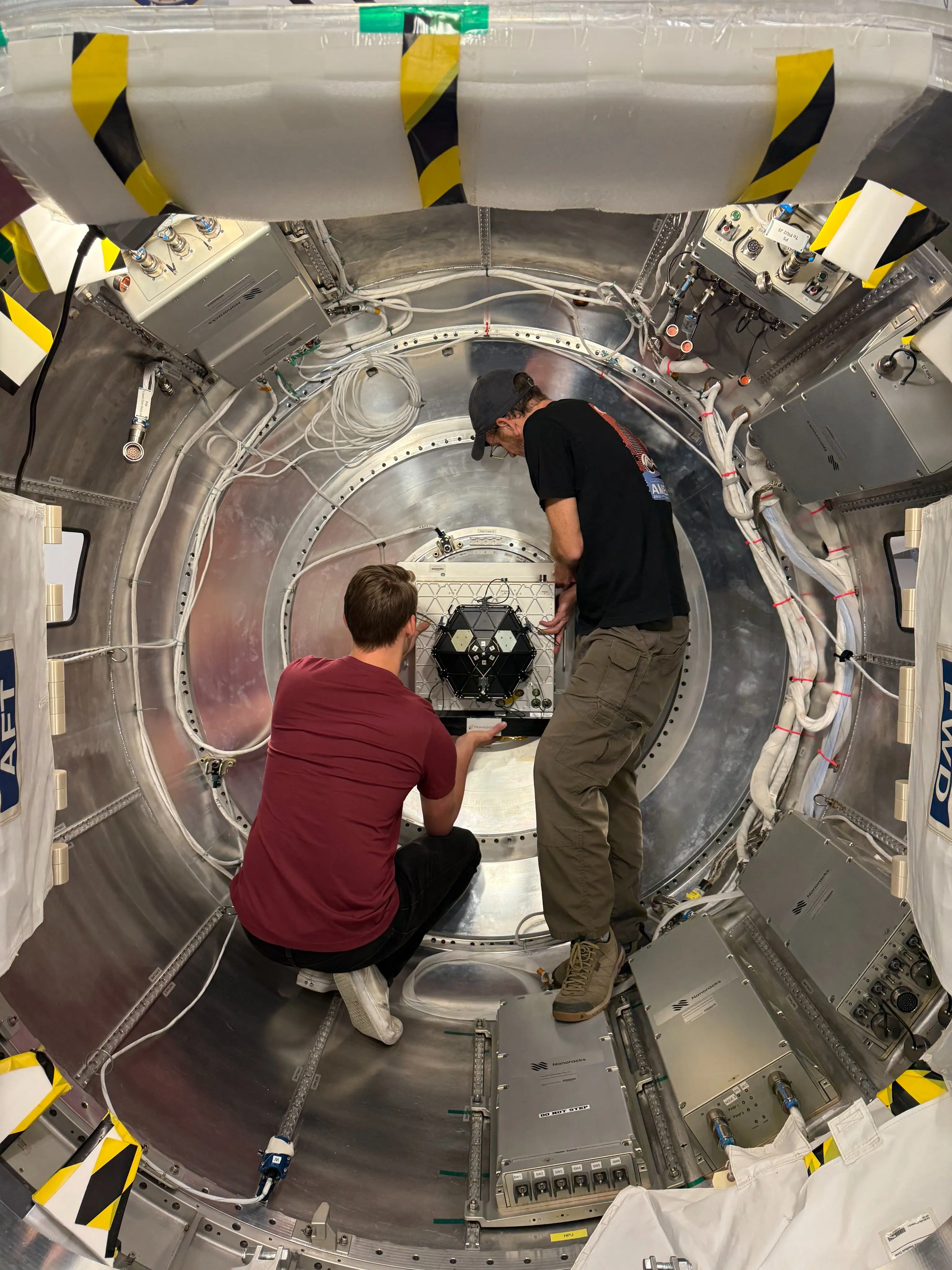
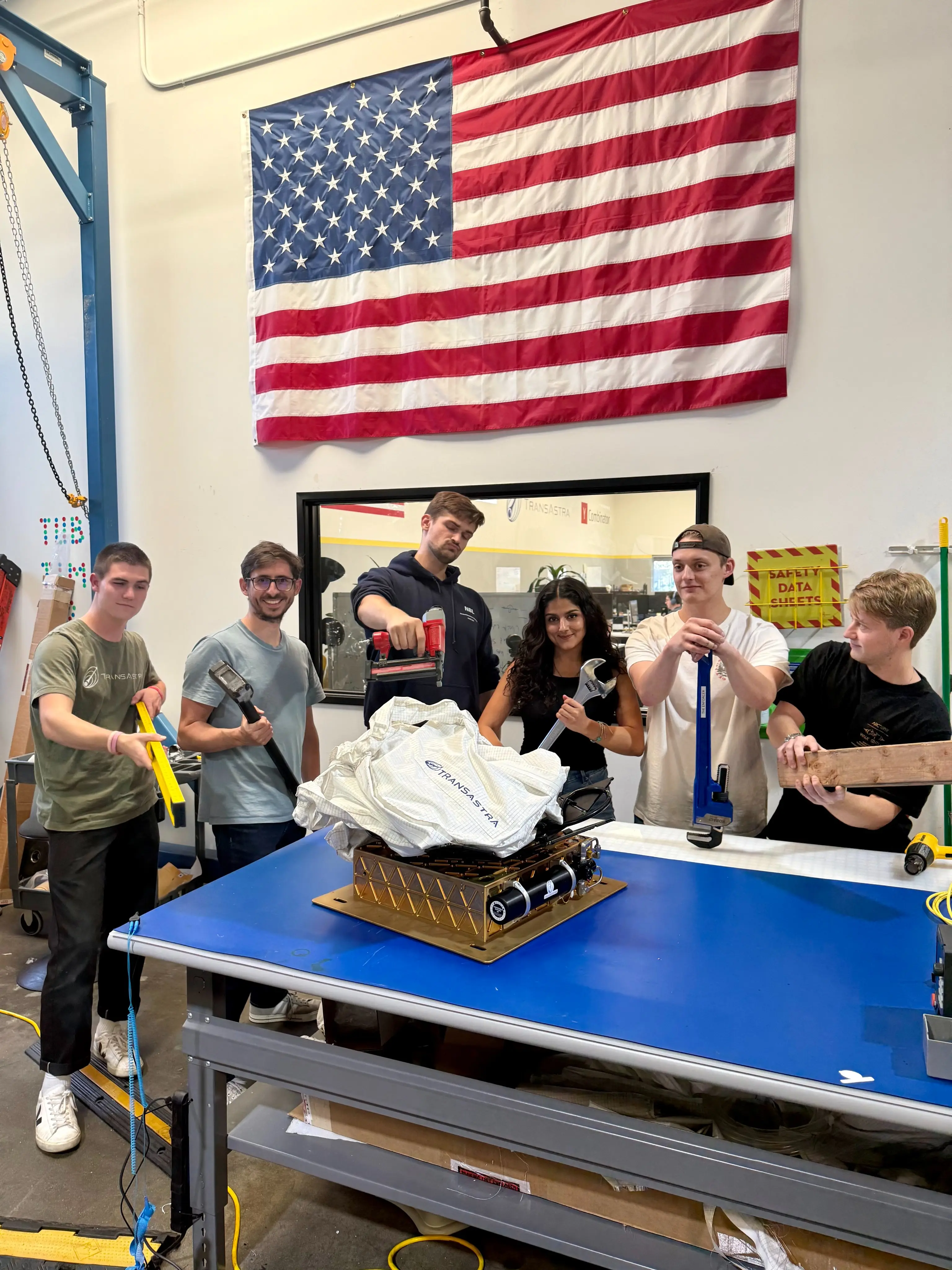
In a recent proof of concept, TransAstra carried out a preliminary test of a smaller capture bag aboard the International Space Station in early October. The experiment validated that the inflatable structure can function in microgravity and vacuum, confirming it could reliably expand and hold form in real space conditions.
scale and versatility
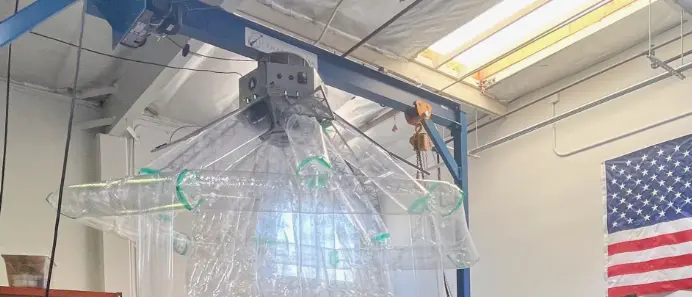
Capture bags come in a range of sizes. According to TransAstra, there are six variants, from micro versions small enough to catch a rock to colossal 'super-jumbo' models capable of enclosing a 10,000-tonne asteroid. The largest version, roughly 10 metres in diameter, is being developed to capture significant space objects, including dead satellites and potentially even large asteroids.
dual purpose: mining and cleanup
While asteroid mining is a long-term objective, one of the nearer-term applications for the capture bag is clearing out orbital debris. The company plans to use the 10-metre bag to capture defunct satellites in so-called graveyard orbits and relocate them safely, reducing collision risk in busy orbital corridors. By doing so, the bag also acts as a stepping-stone to capturing more valuable targets later.
funding and ambition
TransAstra has secured around $12 million from private investors, plus $15 million from NASA and the US Space Force, backing its dual mission of debris removal and asteroid retrieval. The company’s roadmap includes launching a mission to capture its first near-Earth asteroid by 2028, with the aim of kickstarting a sustainable space-resources industry.
how it works: the capture process
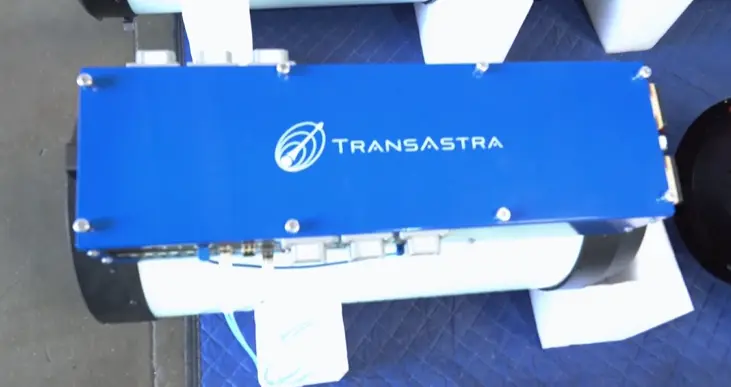
A spacecraft equipped with a capture bag will rendezvous with a target object. Once near, it will deploy the bag, inflating it so that it envelops the target. Because the material is flexible, the bag can conform to irregular surfaces, reducing risk compared to rigid grappling systems. After securing the object, the spacecraft can either store it or gently manoeuvre it to a safer or more useful orbit.
)
)
)
)
)