A new supercontinent: Australia is drifting upwards and will crash right into us

Millions of years ago, Pangea broke apart to form seven continents. Now, the continents are drifting together to form a new supercontinent named Amasia - Asia, Australia and America. Australia is moving upwards; in fact, it never stopped moving. A collision is imminent.

Australia is slowly moving North
Australia is drifting towards Asia at about 7 cm per year. That sounds less, but is roughly the speed at which your fingernails grow in the same time. This is not a sudden development, but the continent has been in motion since it split from Antarctica roughly 80 million years ago.
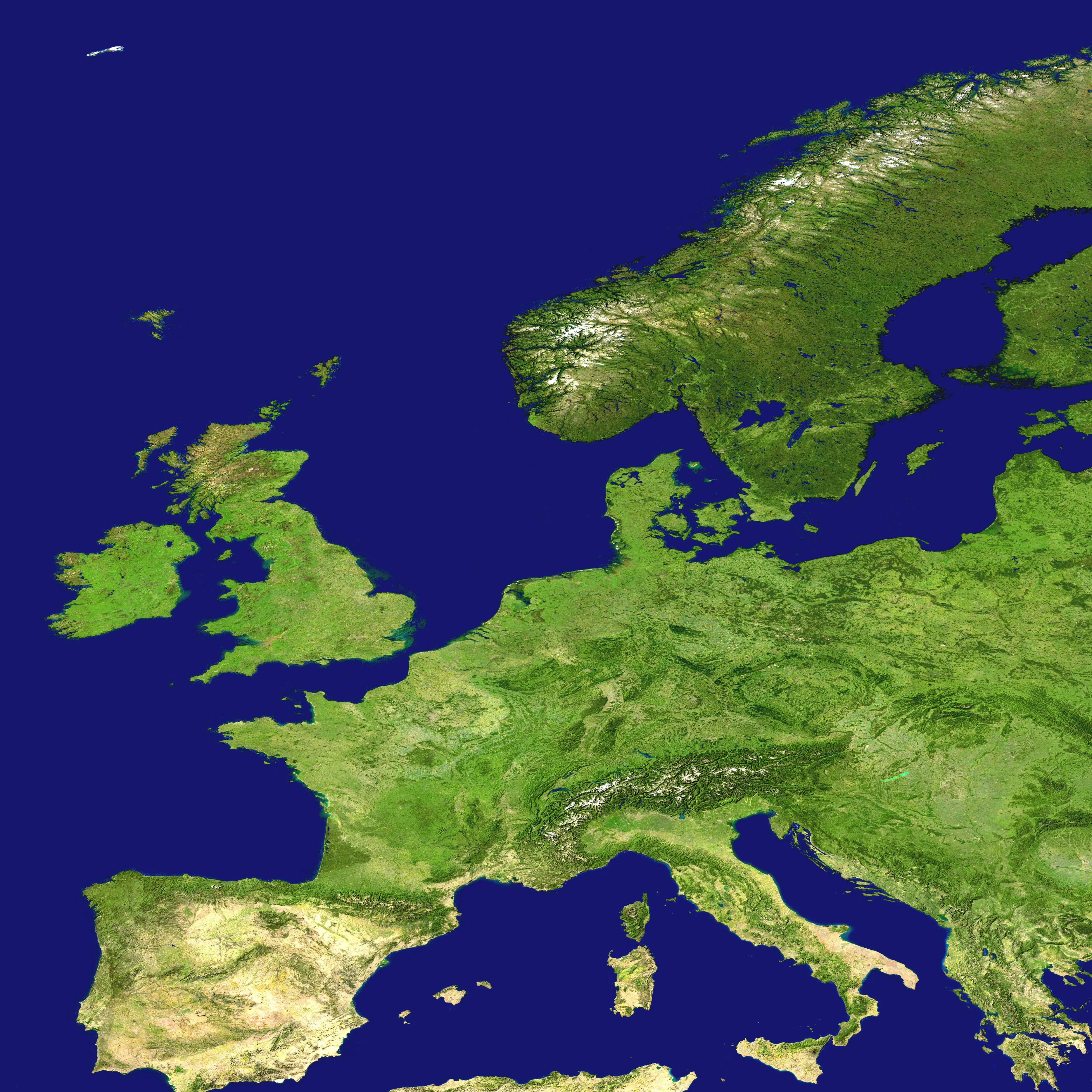
Creating Amasia: Australia will crash into Asia and America will also join in
Scientists predict that within 200–300 million years, the movement will lead to Australia colliding with Asia. America would also possibly join the party, spurring the formation of a new supercontinent named Amasia. This will not be a simple process, and it will trigger violent earthquakes and volcanoes.
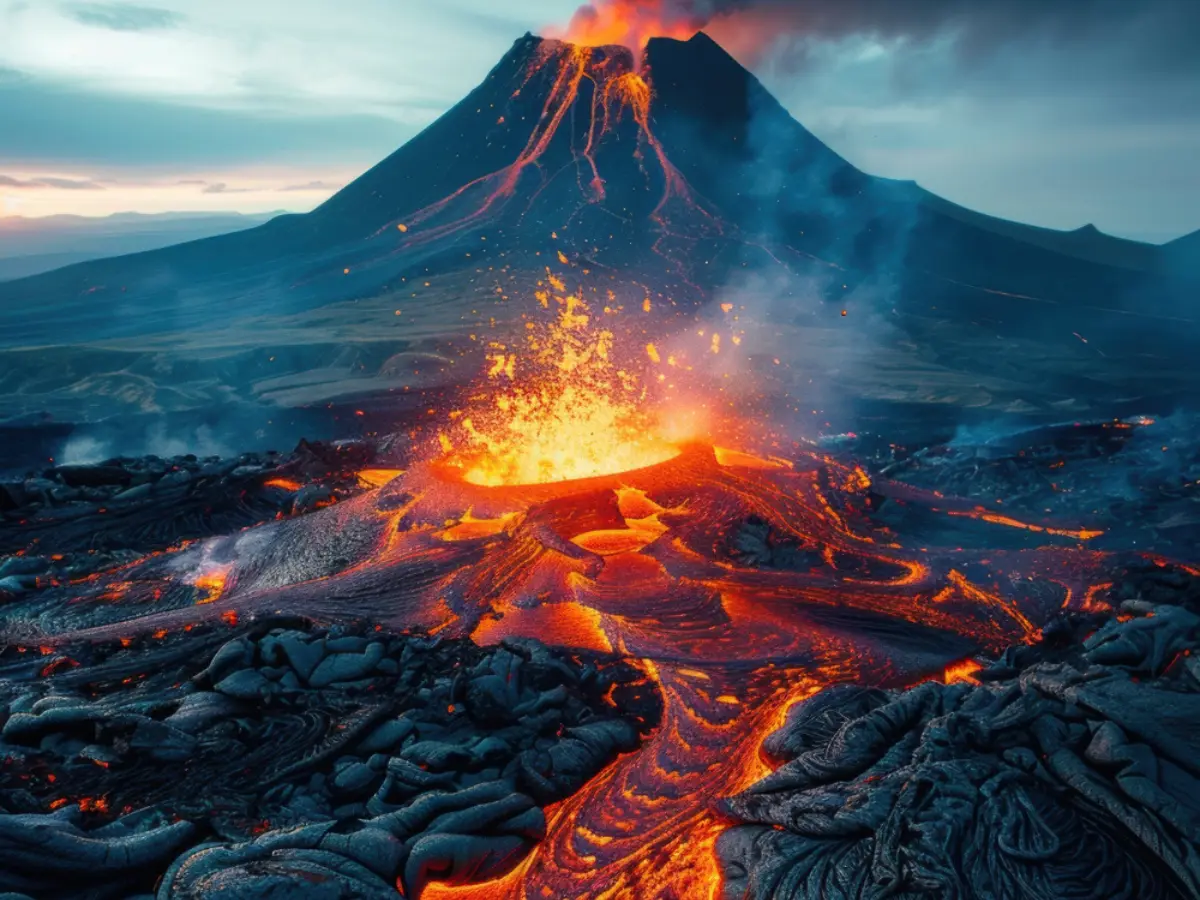
A new Ring of Fire: Volcanoes will erupt, land will shake
As the continents come together, a new “ring of fire” will be formed around the new supercontinent. The new borders created from the collision will witness intense volcanic activity. While the borders will be burning, the environment inside will be very different from what it is today. The land would be dry and arid, and the climate would undergo a drastic transformation.

One ocean for one world
Now that there will be only one continent, a new world, there will also be only one ocean. All the world's ocean will merge together to form one giant ocean that would surround this supercontinent. There would be one giant Pacific Ocean, or probably would be renamed.
Measurable effects: Change in Australia's GPS coordinates because of the continent's movement
The movement is already noticeable in technological space. In 2016, Australia's GPS coordinates shifted by about 1.8 meters, prompting a national update to its positioning system.
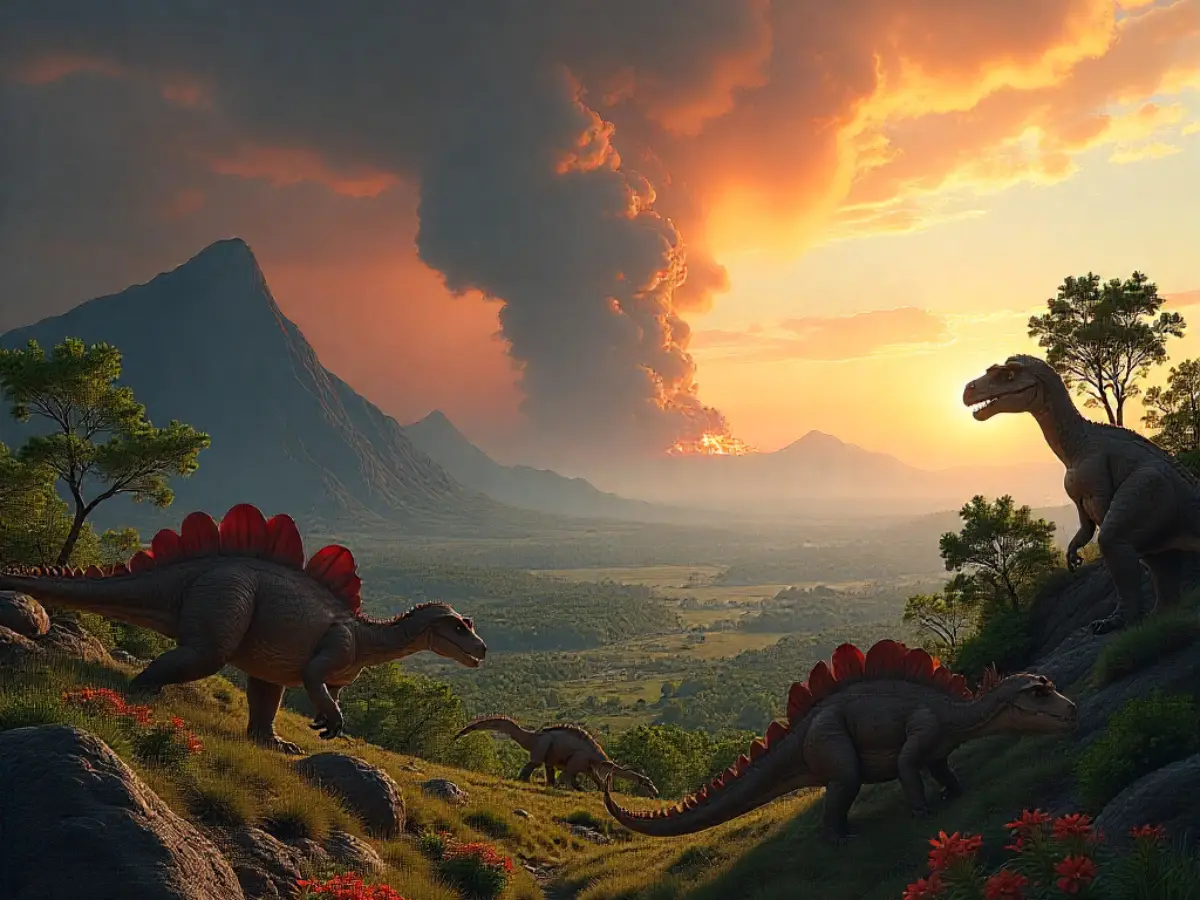
From Pangea to Amasia
The ancient supercontinent of Pangea existed around 335 to 175 million years ago. It started breaking apart around 200 million years ago. This resulted in the creation of seven continents and five oceans. Scientists say that this process doesn't stop. Over its lifetime, Earth evolves in a cyclic pattern, where first the continents move apart, and then come back together.
A new bad world for Australian wildlife
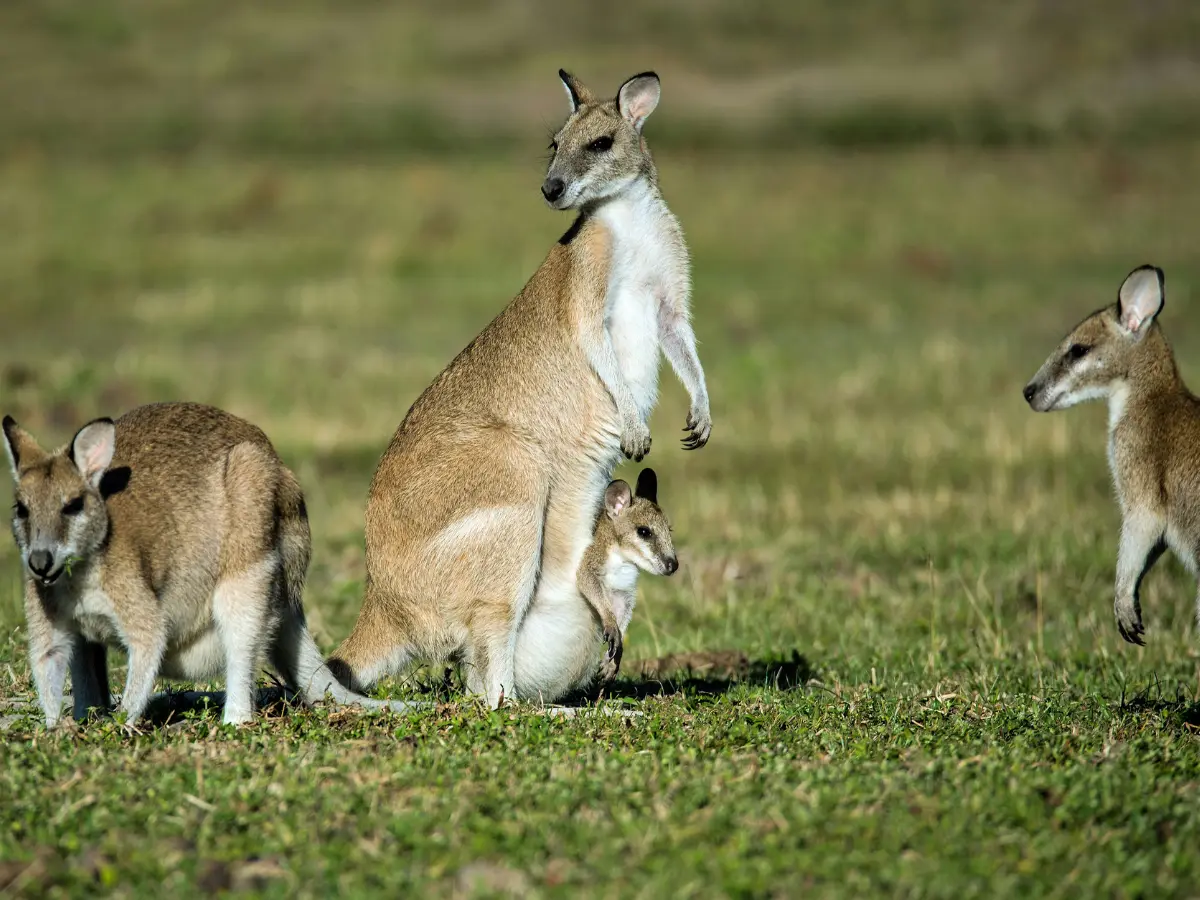
Koalas, kangaroos, wombats, and platypus have never faced predators. They have evolved in a very different way, considering they live isolated lives on a whole other continent. When the continents join together, these animals would be faced with a new reality that might threaten their existence.
)
)
)
)
)