8 reasons why silver might outperform gold in the next decade

Analysts and commodity experts say a mix of industrial demand, supply constraints, and policy shifts could make silver one of the decade’s best-performing metals. Here’s a detailed look at the 8 key factors that could make silver outshine gold in the coming years:
Rising Industrial Demand
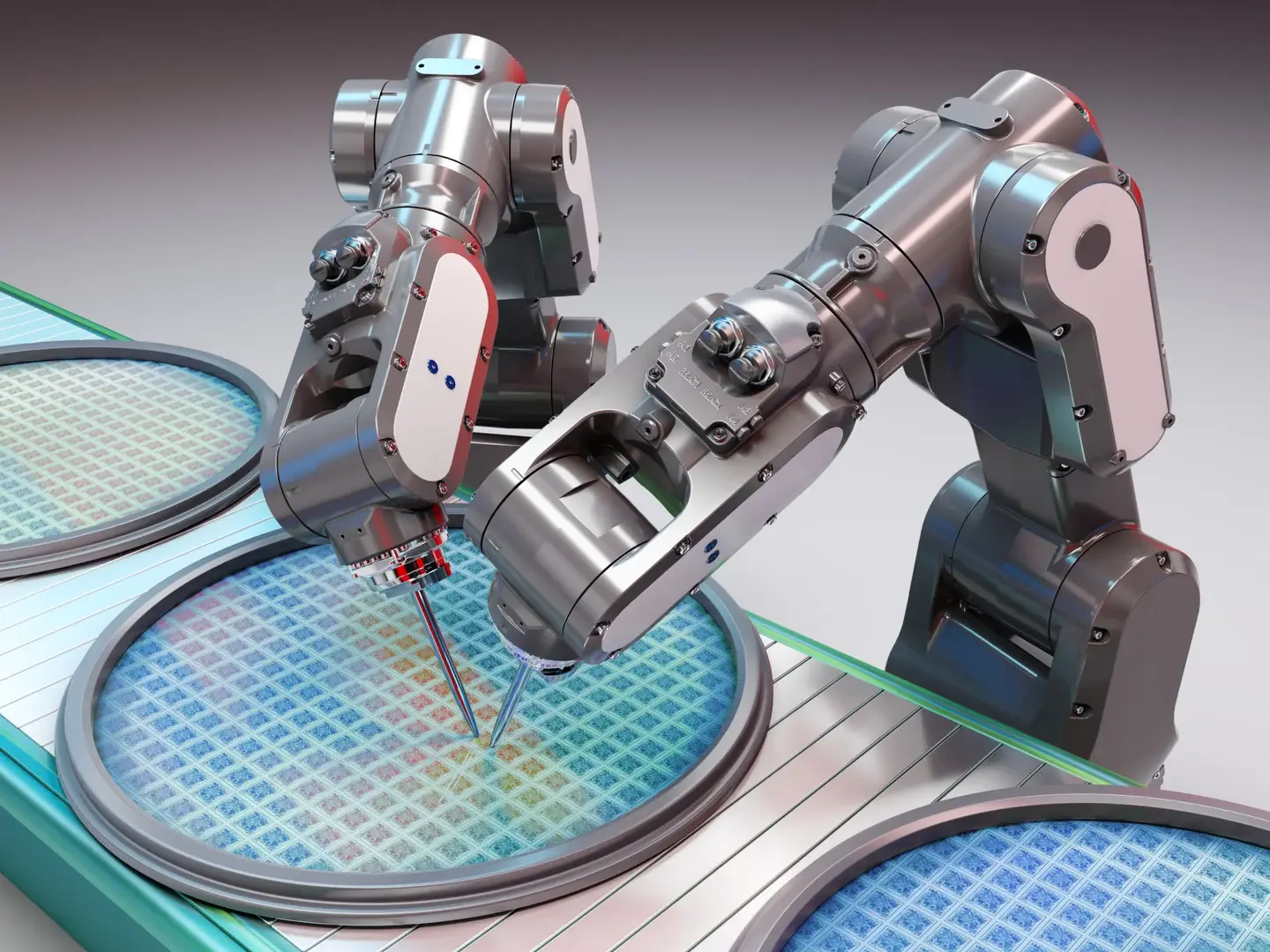
Unlike gold, which is mostly used for investment and jewellery, over 50% of silver’s demand comes from industrial sectors including electronics, solar panels, electric vehicles, and medical devices. The International Energy Agency (IEA) projects solar PV capacity to triple by 2030, directly boosting silver demand.
The Green Energy Transition
Silver is a critical component in solar photovoltaic cells and plays a key role in EV charging infrastructure. With global net-zero commitments rising, green tech is expected to consume more silver than ever, while gold has no comparable industrial pull.
Tightening Supply Chains
According to The Silver Institute, global silver production has been largely flat for the past five years. Many mines are aging, and new projects take years to develop. Meanwhile, above-ground silver stocks are shrinking due to rising industrial offtake, a classic setup for supply-demand imbalance.
Lower Price Base = Higher Upside Potential
Silver trades at a fraction of gold’s price. As of mid-2025, gold sits above Rs 70,000 per 10g in India, while silver remains far cheaper per gram. Historically, when precious metals rally, silver tends to outperform in percentage terms because of its lower price base and thinner market.
Gold–Silver Ratio Signals Undervaluation
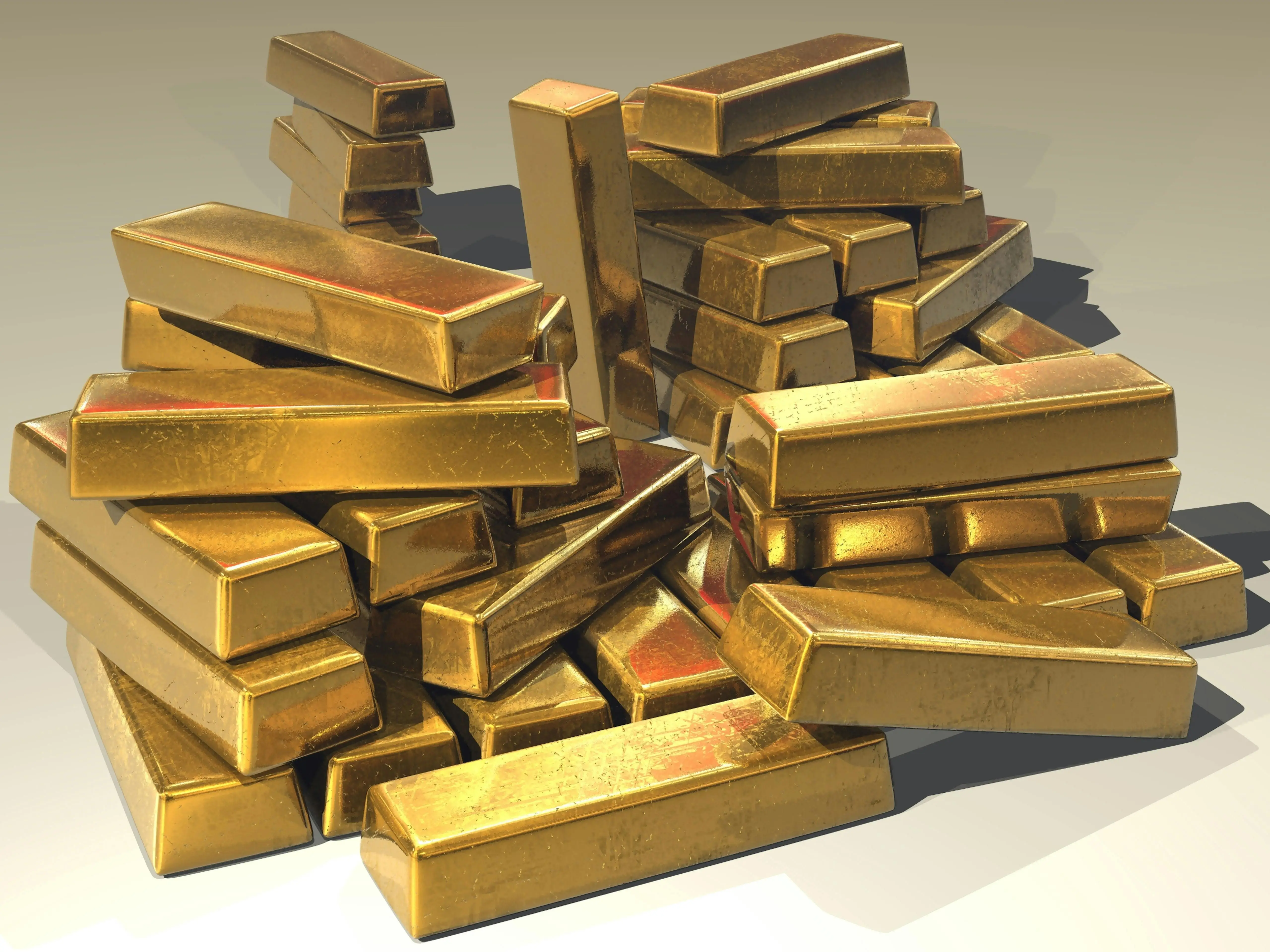
The gold-to-silver ratio (GSR) how many ounces of silver equal one ounce of gold has hovered between 80–90 recently, much higher than the historical average of 50–60.
Many analysts view this as a signal that silver is undervalued relative to gold, setting the stage for a catch-up rally.
Increased Investor Interest & ETFs
Silver exchange-traded funds (ETFs) and retail investment products are gaining traction globally. Post-pandemic, many millennial and Gen-Z investors have turned to silver as an accessible alternative to gold, amplifying retail participation.

Geopolitical Uncertainty Boosts Precious Metals Geopolitical Uncertainty Boosts Precious Metals
Both gold and silver benefit during crises, but silver often gets a delayed yet stronger reaction when investors move beyond gold. With rising global geopolitical tensions, safe-haven demand could lift both metals, with silver’s undervaluation making it more attractive.

Potential Policy Shifts & Monetary Factors
If central banks shift toward looser monetary policies or if inflation persists, precious metals tend to rally. While central banks buy gold directly, silver often rallies more sharply during inflationary upswings, as seen in the 1970s and 2011 bull runs.
)
)
)
)
)