8 reasons why B-2 bomber still matters in 2025

Strategic bunkers, communication hubs, and missile sites often sit under layered air-defence systems. The B-2 can enter these zones without announcing its presence, which is valuable in missions where surprise and minimal exposure are essential.
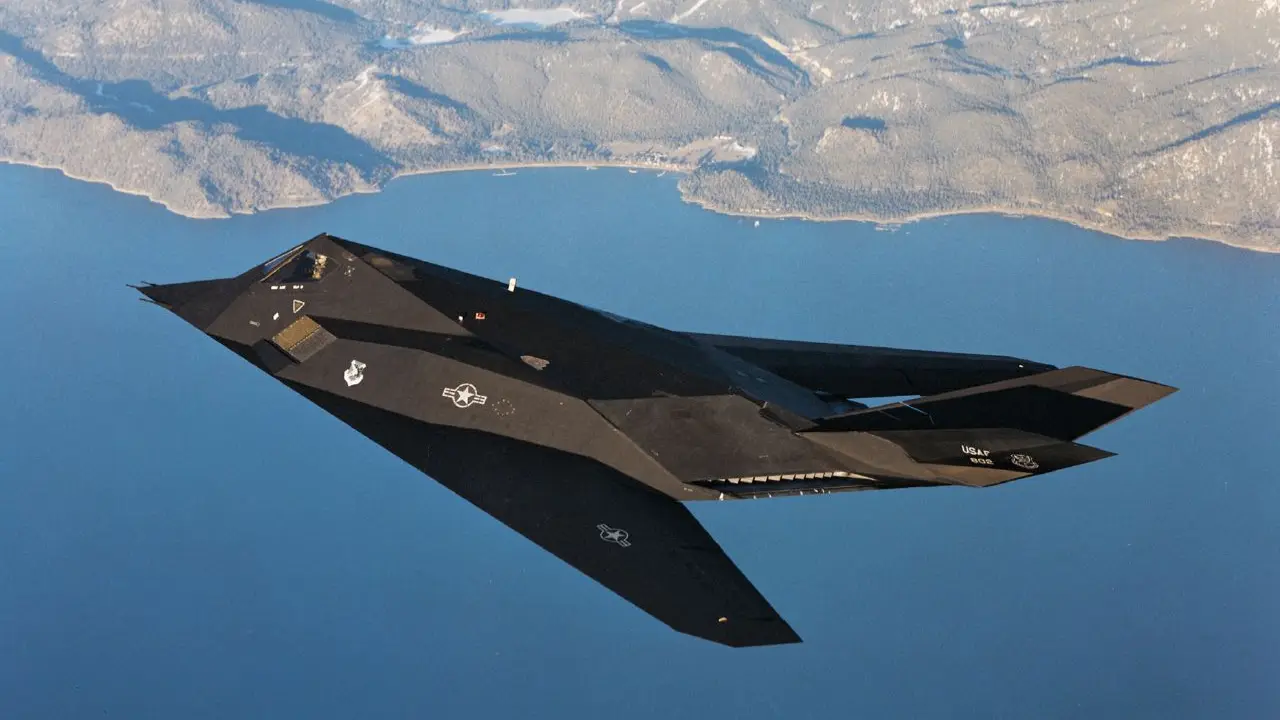
1. Stealth Capability That Remains Operationally Relevant
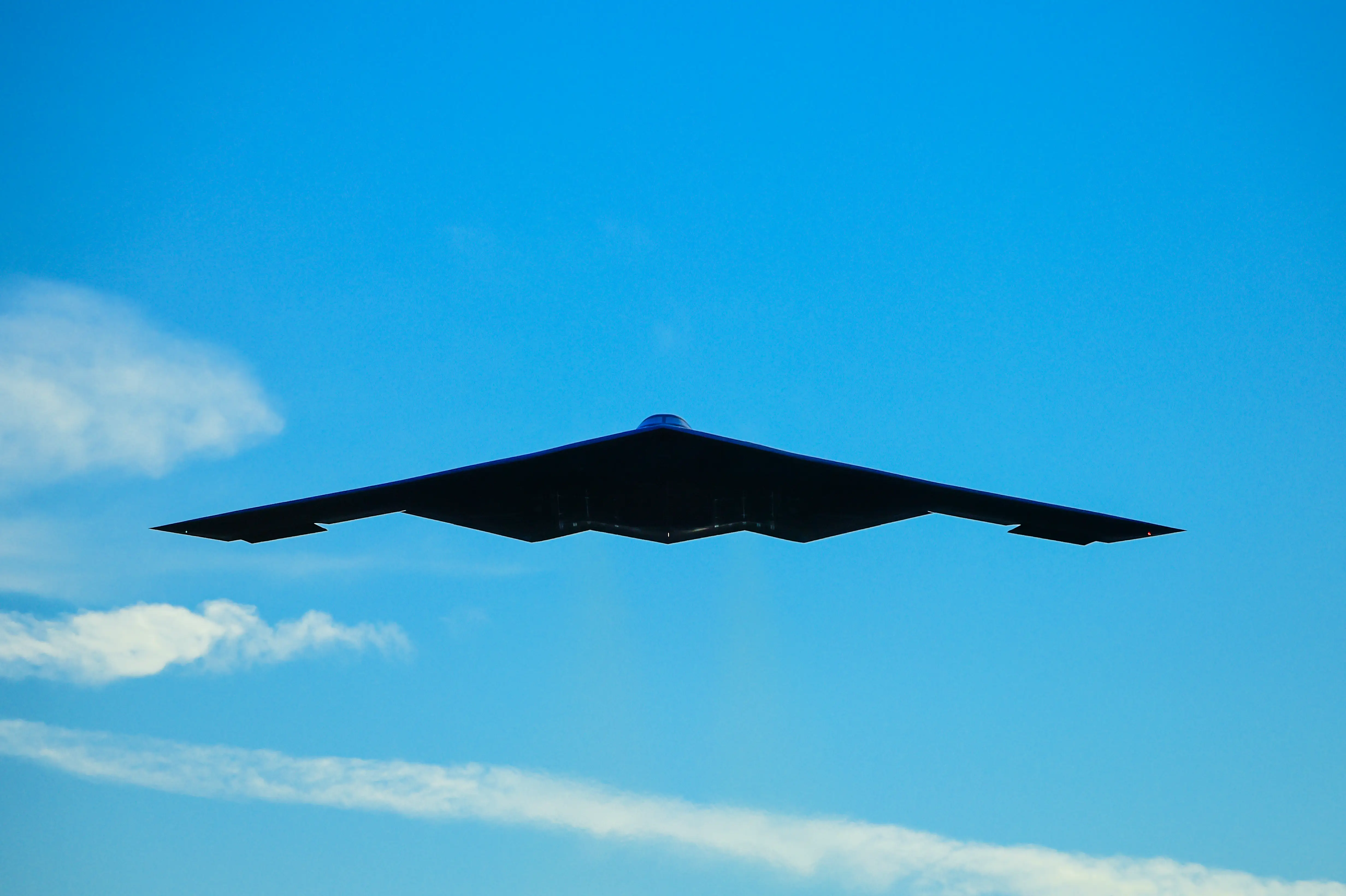
The B-2’s low-observable airframe, radar-absorbent materials, and smooth flying-wing shape allow it to avoid early-warning radars. Even with improved detection systems globally, its signature reduction continues to give it an advantage in long-range strike missions.
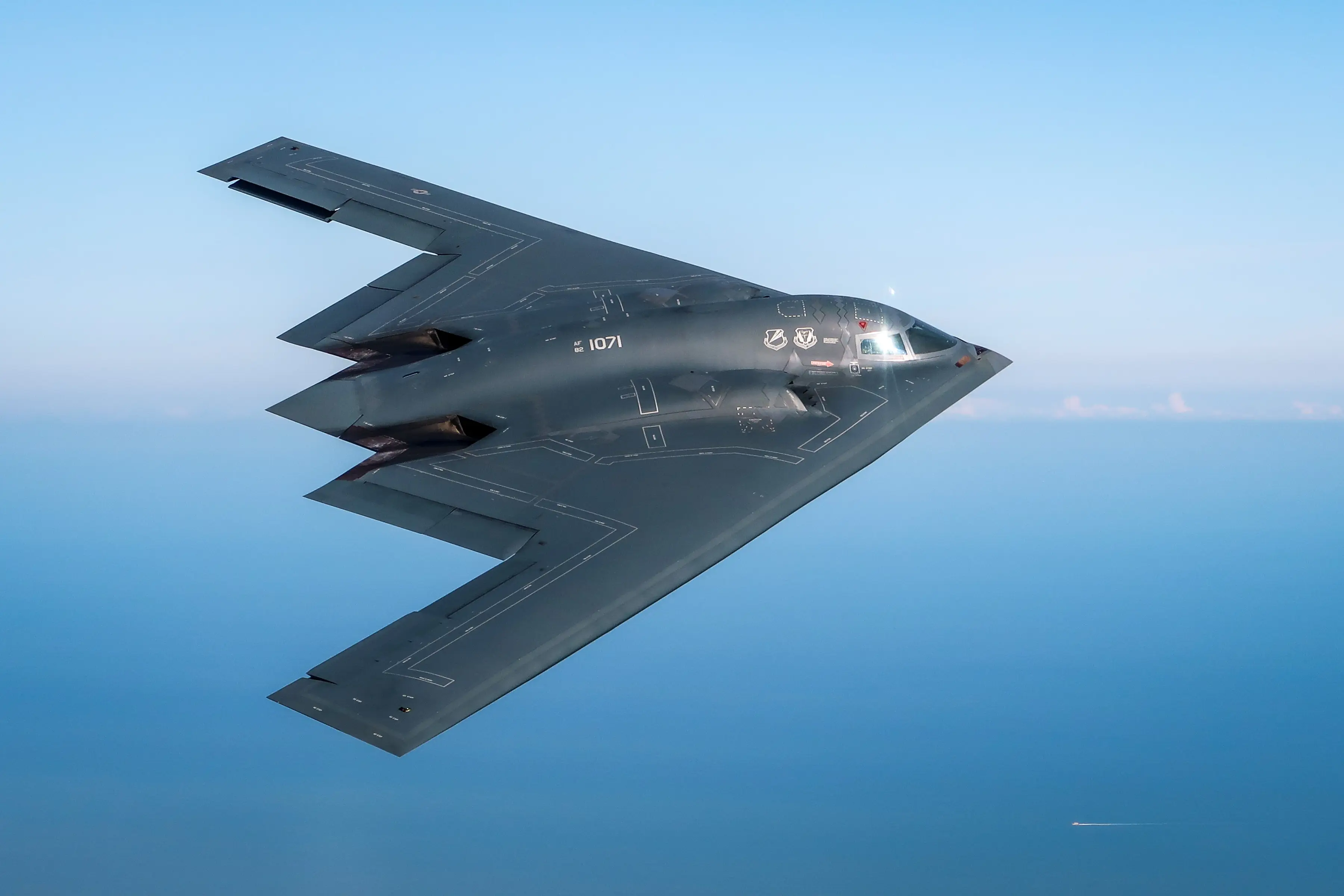
2. Ability to Penetrate Heavily Defended Airspace
Strategic bunkers, communication hubs, and missile sites often sit under layered air-defence systems. The B-2 can enter these zones without announcing its presence, which is valuable in missions where surprise and minimal exposure are essential.
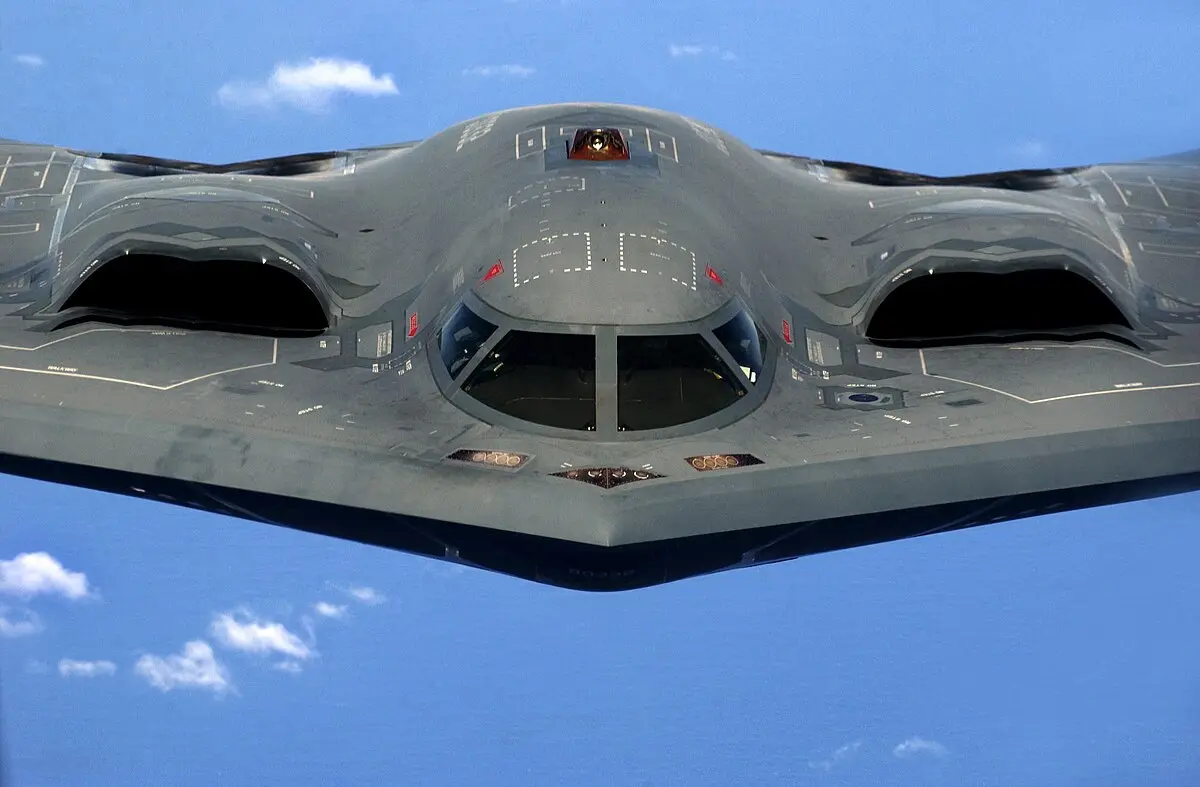
3. Long-Range Global Reach Without Refuelling Restrictions
The aircraft can fly intercontinental missions from its home base with in-air refuelling support. This allows the U.S. to project power without depending on overseas bases or forward deployments during sensitive geopolitical situations.
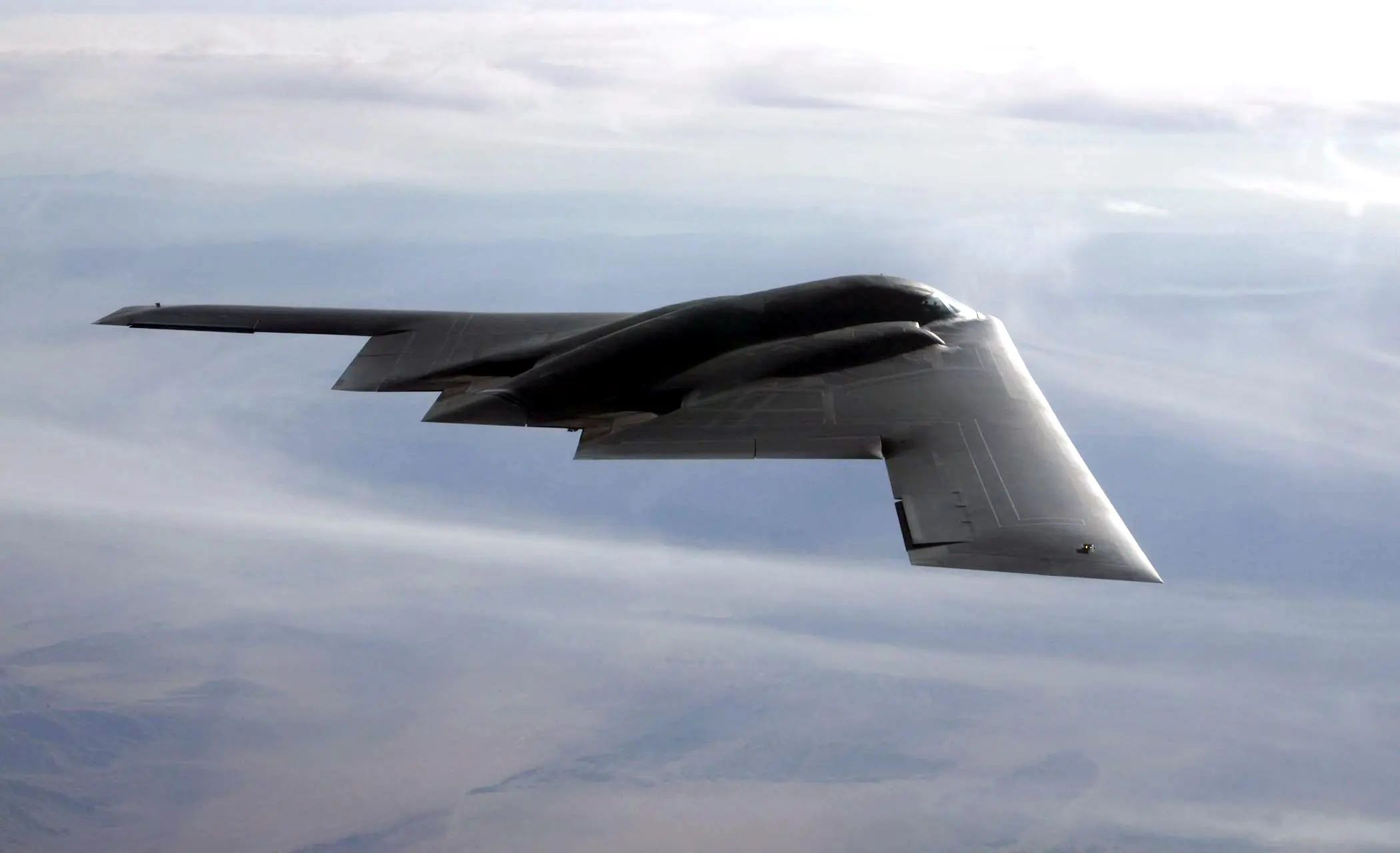
4. Capacity to Deliver Both Conventional and Nuclear Payloads
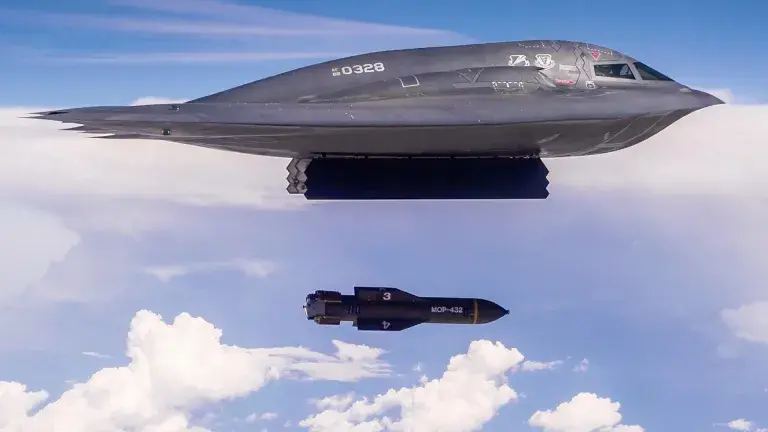
The B-2’s dual-capability role lets it switch between precision-guided conventional bombs and certified nuclear weapons. This flexibility ensures the aircraft fits into both deterrence strategy and non-nuclear strike planning.
5. Integration With Modern Precision Weapons
Upgrades over the past decade allow the B-2 to carry advanced guided munitions, including GPS-enabled bombs and penetrating weapons designed for hard, fortified targets. This keeps its strike capability aligned with current operational needs.
6. Ongoing Software and Defensive System Upgrades
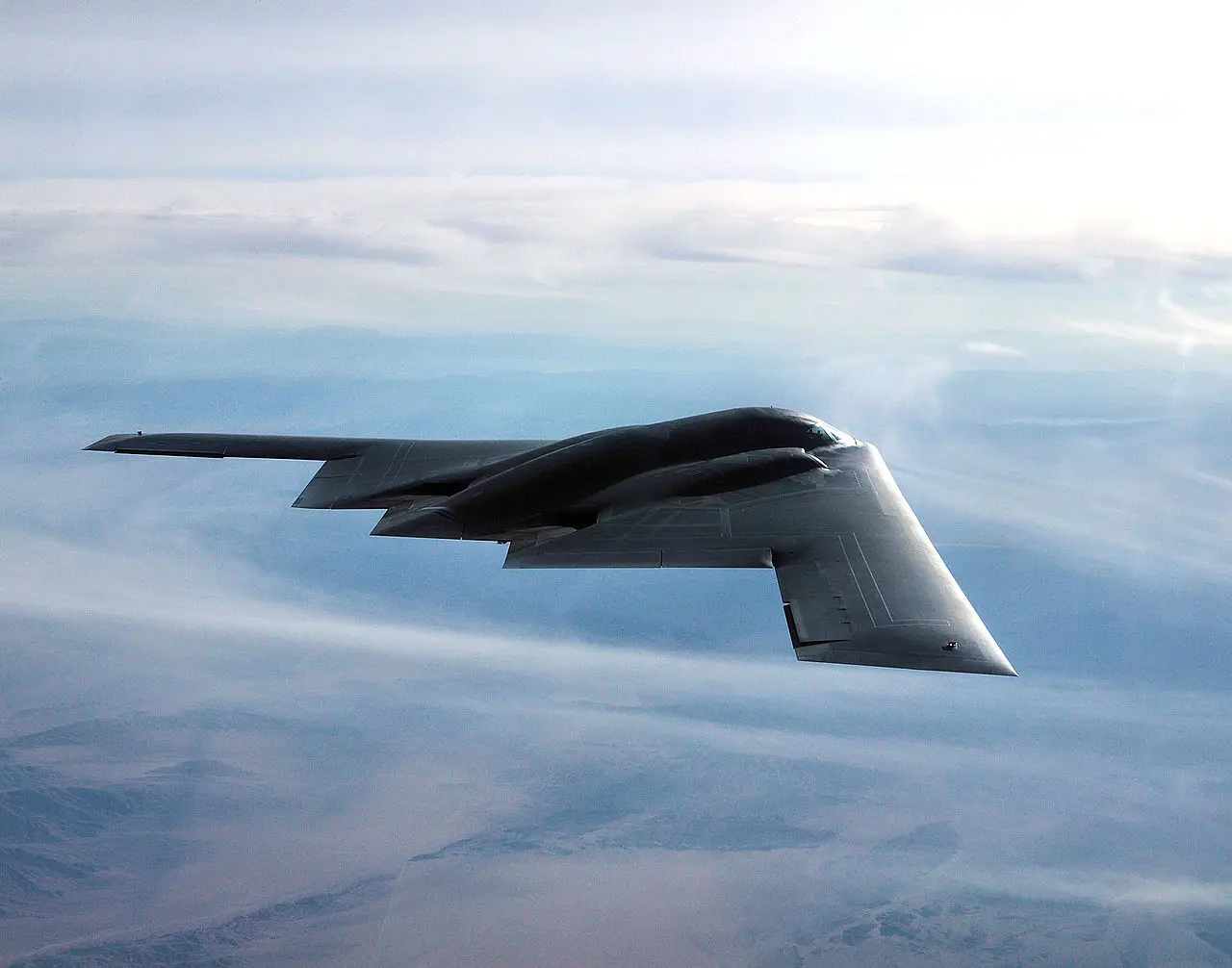
The airframe receives continuous improvements to communication systems, data links, and defensive avionics. These upgrades extend its service life and allow the B-2 to coordinate with modern assets such as drones, satellites, and next-generation fighters.
7. Strategic Role Until the B-21 Raider Fully Replaces It
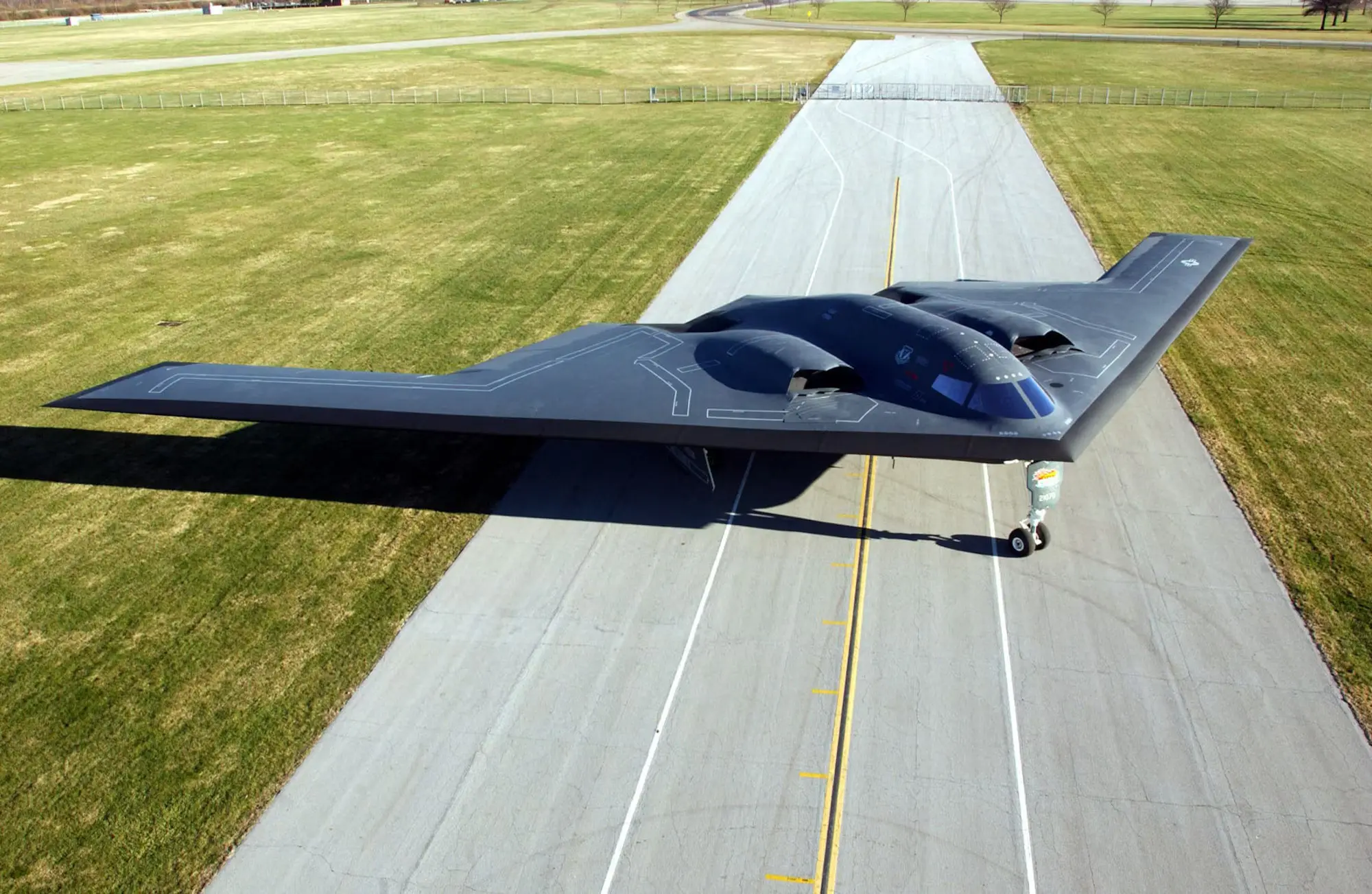
While the B-21 Raider is entering service, it will take years to build a full fleet. The B-2 remains essential during this transition period, providing assured long-range strike capability until newer aircraft take over.
8. Limited Fleet Makes Each Aircraft Operationally Significant
Only a small number of B-2s exist. Their availability makes them high-value assets used selectively for missions requiring precision, stealth, and political signalling. This gives the platform a unique niche in the US Air Force’s bomber lineup in 2025.
)
)
)
)
)