7 timeless investment lessons from Warren Buffett every investor must know

He has famously said that his ‘favourite holding period is forever,’ avoiding frequent trading or attempts to time the market.
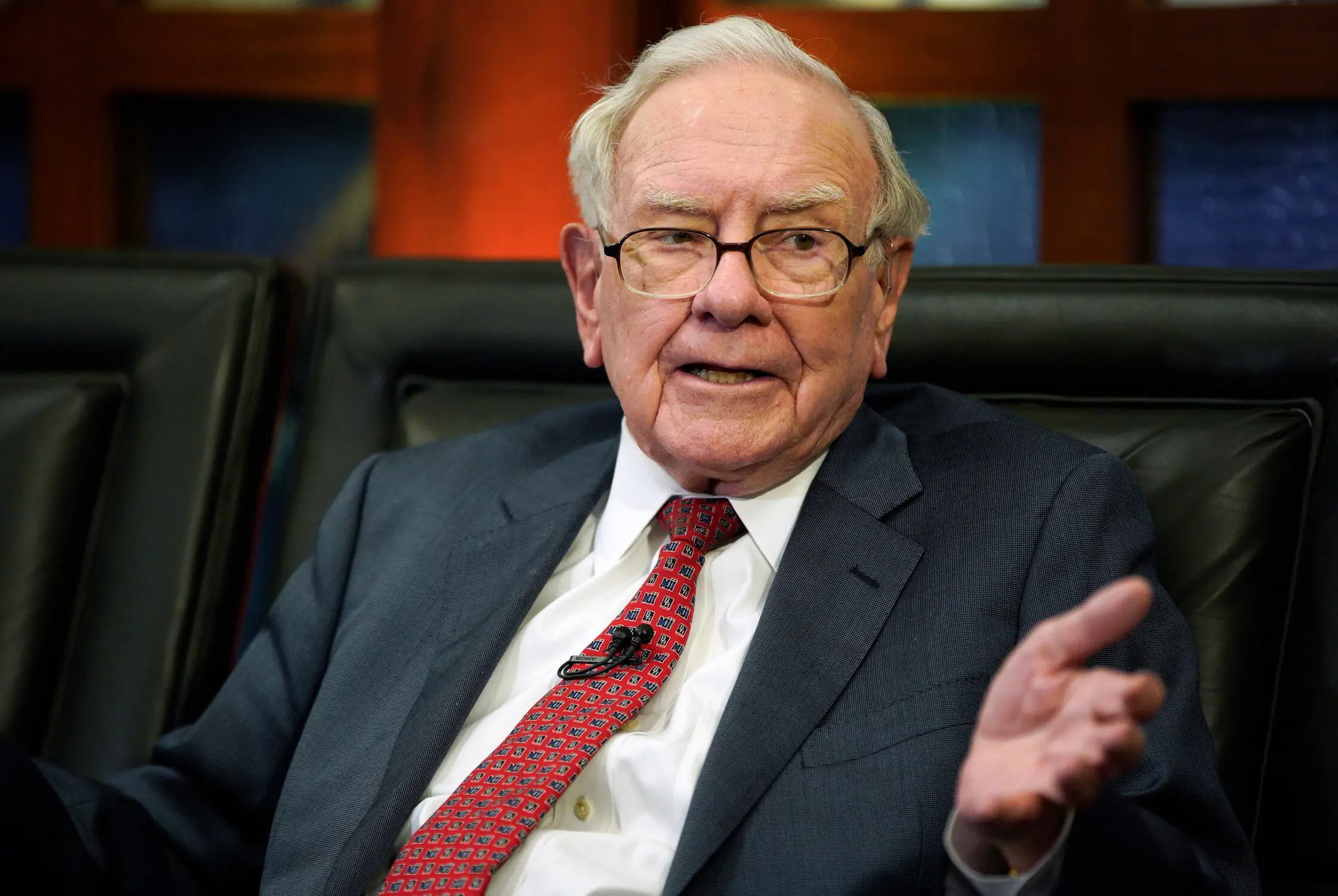
1. focus on long‑term value
As Warren Buffett stepped down as chief executive of Berkshire Hathaway at the age of 95, his commitment to long‑term investing remains one of his most enduring lessons. He has famously said that his ‘favourite holding period is forever,’ avoiding frequent trading or attempts to time the market. Buffett views stock ownership as part‑ownership of a business, meaning that if the company’s fundamentals remain strong, short‑term price fluctuations are largely irrelevant. This philosophy underpinned many of Berkshire Hathaway’s most successful investments, including significant stakes in Coca‑Cola and American Express. Over six decades, Buffett transformed Berkshire from a struggling New England textile firm into a $1 trillion‑plus conglomerate, making a remarkable series of prescient investment decisions that millions of investors have followed almost as if guided by divine insight.
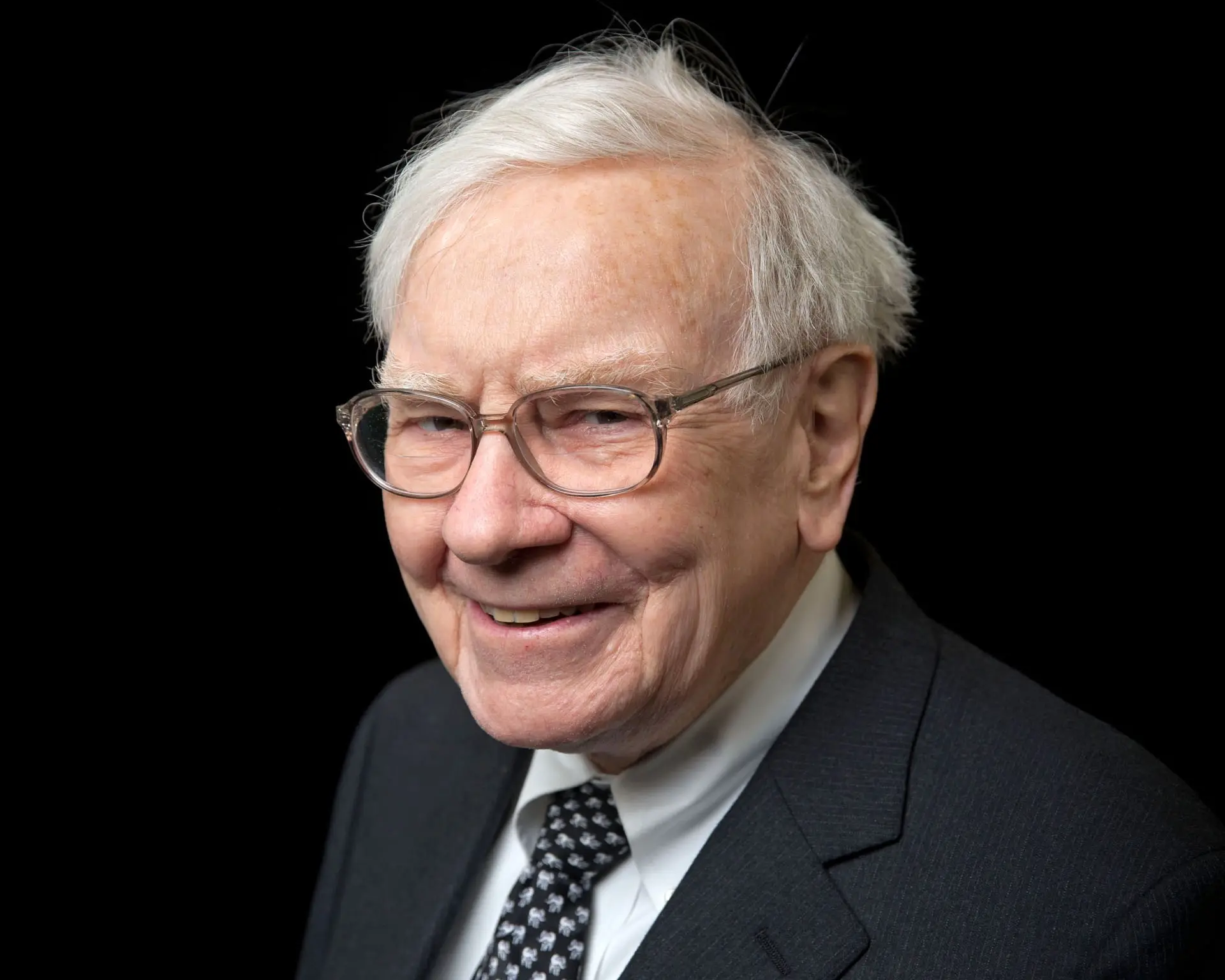
2. buy quality at reasonable prices
Buffett stresses the importance of buying excellent companies when they are priced attractively relative to their intrinsic value. He prefers “wonderful companies at fair prices” over ordinary companies at bargain prices. This lesson emphasises the broader philosophy of value investing, where understanding a company’s fundamentals and competitive advantages matters more than its current market price.
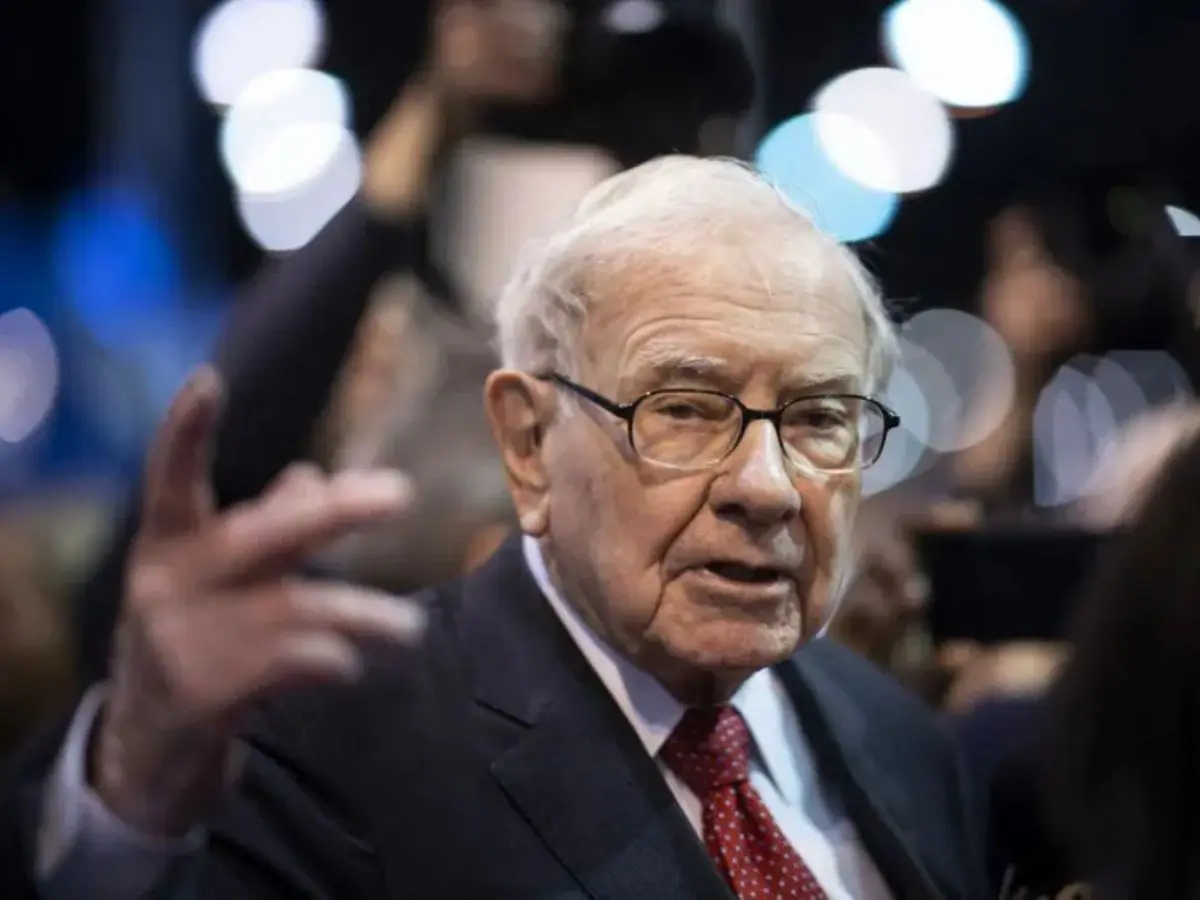
3. understand the business before investing
Knowing what you own is central to Buffett’s strategy. He advises investors to stay within their ‘circle of competence’: only invest in businesses and industries you understand. This principle helped explain his long hesitation on technology stocks before later investing in Apple, and it remains a cornerstone of disciplined decision‑making.
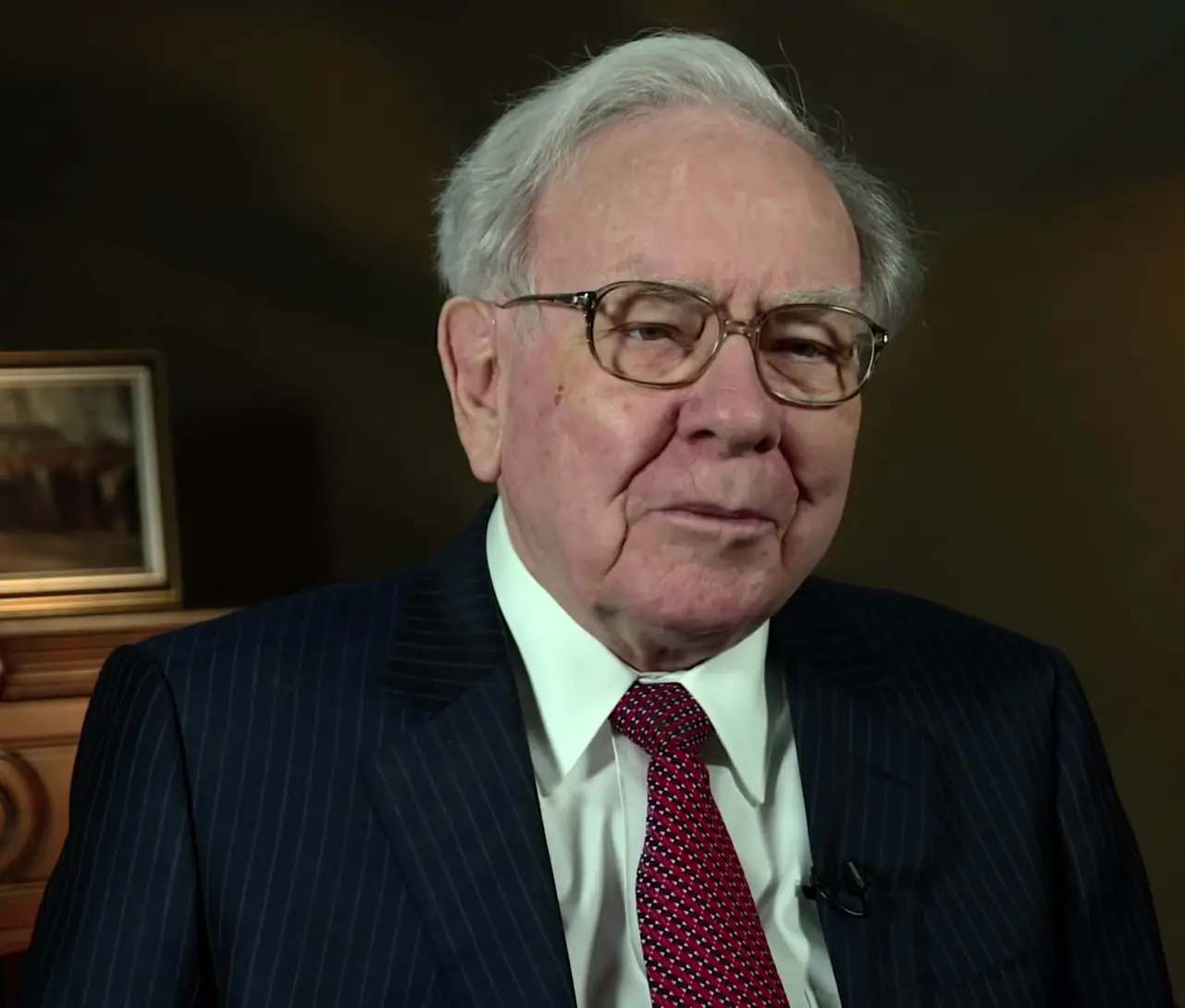
4. avoid emotional decisions
According to Buffett, emotional discipline is crucial. Markets can be volatile and fear and greed often driving irrational price swings. He has suggested investors to ‘be fearful when others are greedy, and greedy when others are fearful,’ a contrarian mantra that has guided profitable decisions during downturns like the 2008 financial crisis.
5. don’t watch the market obsessively
Checking prices constantly can lead to poor decisions based on short‑term noise. Buffett advises investors to focus on long‑term fundamentals rather than the daily market movements, which can be misleading and emotionally taxing.
6. reputation and integrity matter
Buffett often repeats that ‘it takes 20 years to build a reputation and five minutes to ruin it. If you think about that, you’ll do things differently’. He emphasises that integrity and trust are vital in both investing and business relationships, shaping long‑term success.

7. keep learning and stay humble
Continuous learning is another Buffett lesson, ‘keep learning and stay humble is the core philosophy advocated by him. He attributes much of his success to reading and education, starting with Benjamin Graham’s The Intelligent Investor.
)
)
)
)
)