7 things 'Epstein files' may actually contain, based on what congress has publicly stated

Congressional committees have described the categories of Jeffrey Epstein–related material they expect to review through subpoenas, oversight requests, and agency testimonies.

1. Communications Between Federal Agencies About Epstein’s 2008 Plea Deal
Congressional leaders have requested access to internal DOJ, FBI, and US Attorney Office communications about Epstein’s 2007–08 non-prosecution agreement. Public hearings show that lawmakers want emails, memos, and decision-making notes surrounding how the plea deal was negotiated.
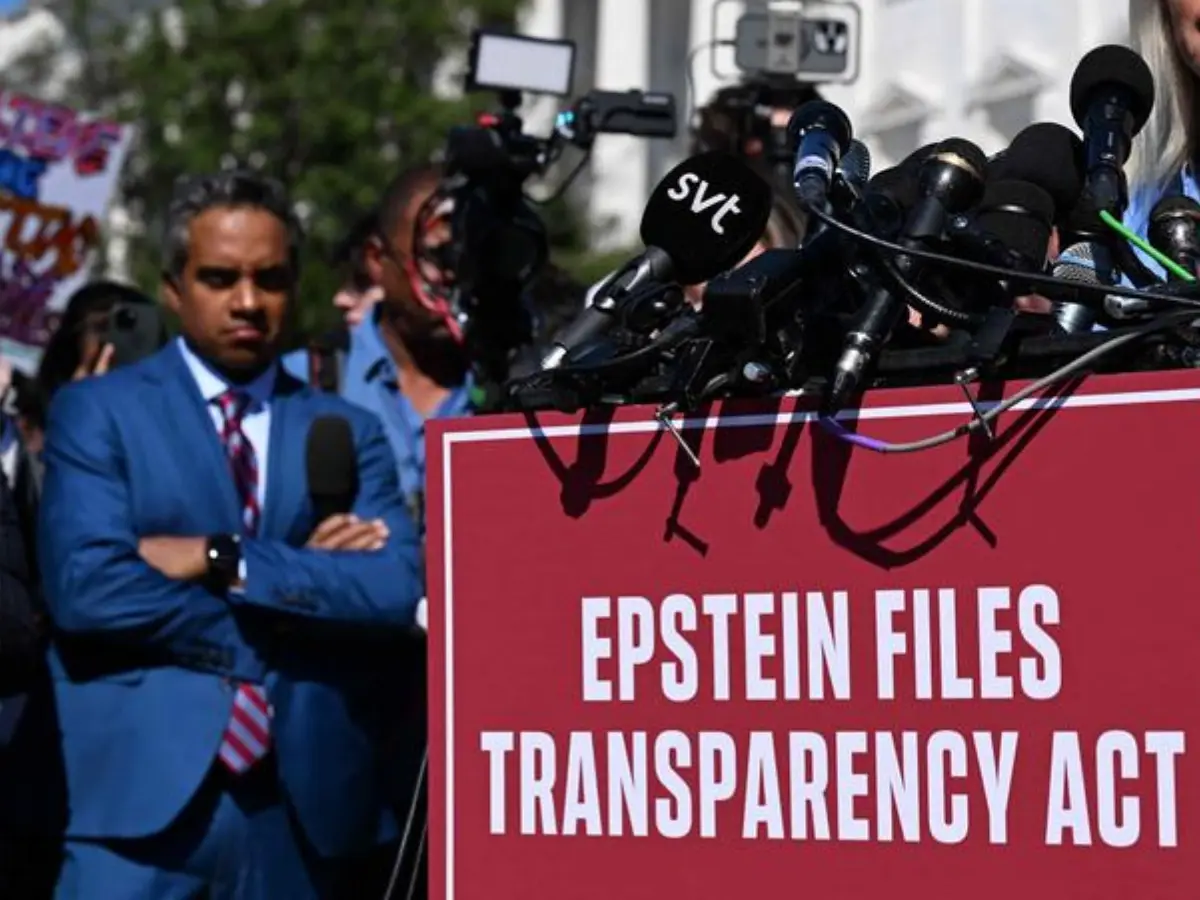
2. Records From the DOJ Inspector General’s Review
The DOJ’s Inspector General has publicly confirmed that it is reviewing how Epstein’s case was handled. Congress has asked for access to findings, background documents, and communications tied to this oversight process, including any documented procedural failures.
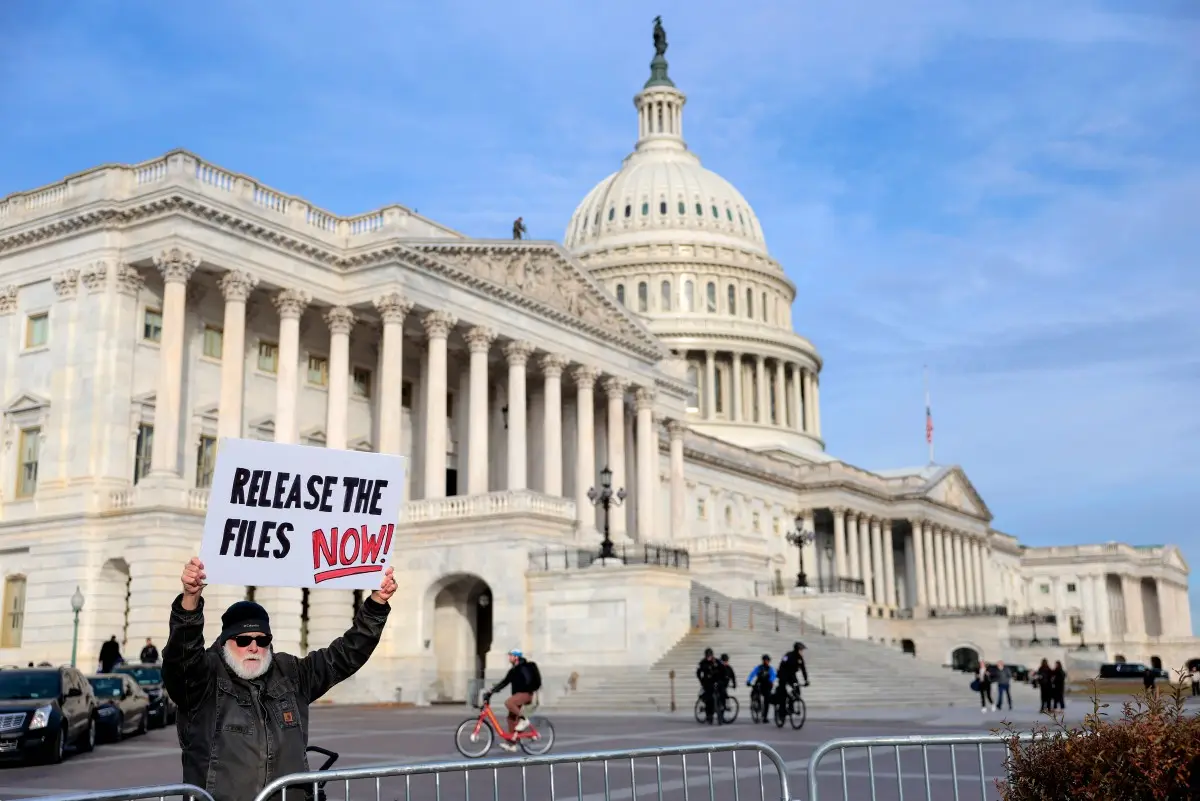
3. Logs and Reports From the Bureau of Prisons Related to Epstein’s 2019 Detention
Members of Congress, especially during House Oversight hearings, have requested surveillance logs, staff duty rosters, and misconduct reports from the Metropolitan Correctional Center (MCC). These materials relate to Epstein’s housing conditions, guard assignments, and protocol breaches.

4. Correspondence Concerning Epstein’s Special Housing Unit (SHU) Monitoring
Congress has asked for written directives, warnings, and communication chains about Epstein’s supervision level while in federal custody. Testimony suggests lawmakers want to examine internal notes and shift reports documenting why monitoring protocols failed.
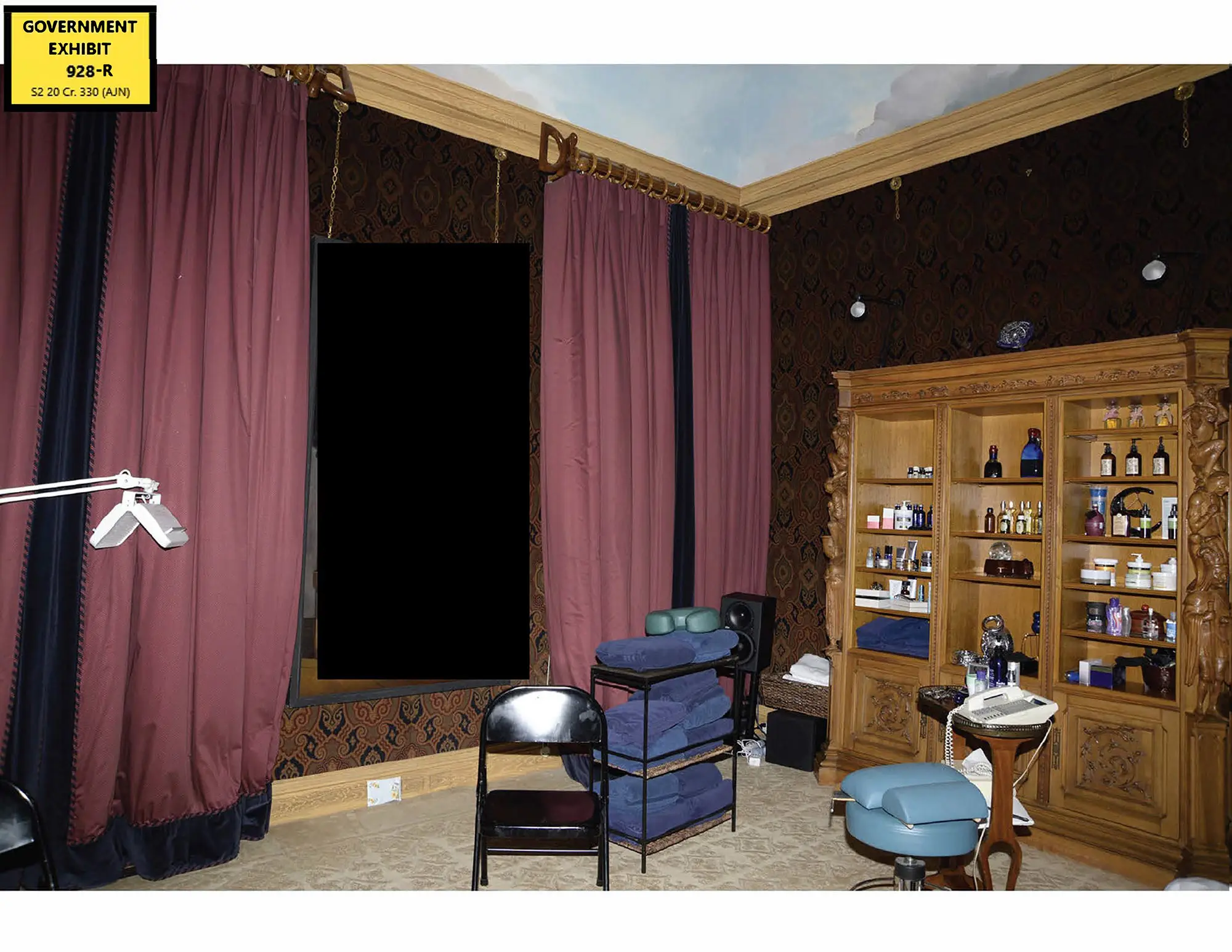
5. Documents Collected in the FBI’s 2019 Investigation
In public statements, the FBI confirmed that it seized computers, hard drives, documents, and digital media from Epstein’s properties in 2019. Congress has requested summaries and access to portions of this evidence, though agencies have stated that some content remains restricted due to privacy laws.

6. Communications Between Epstein and Individuals Already Named in Court Records
Congressional letters have referenced “communications relevant to the case” involving individuals whose names already appear in prior unsealed civil litigation. These references remain limited to people publicly identified in court—not new or undisclosed names.
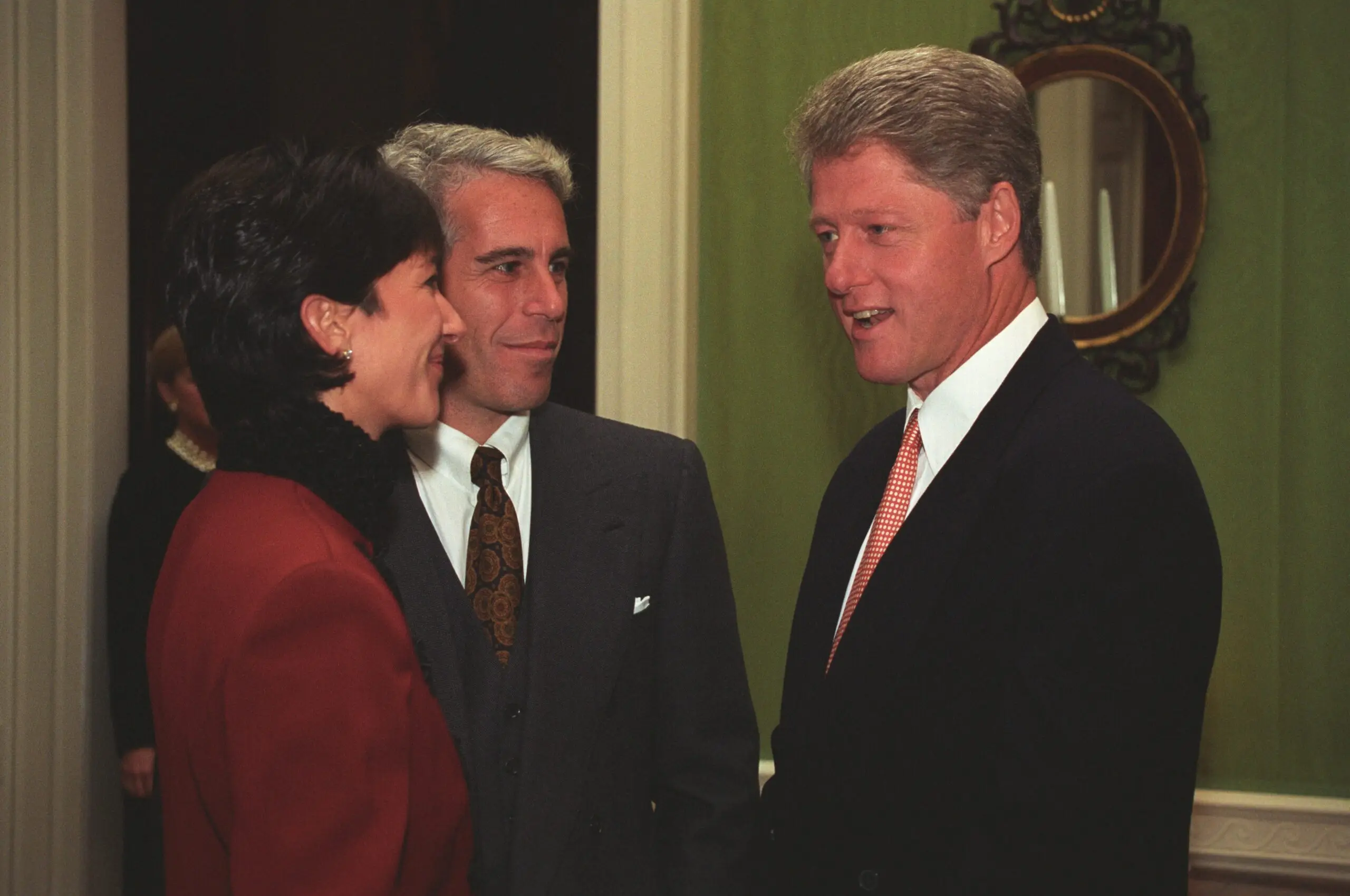
7. Records Related to Epstein’s Associates Previously Investigated by Federal Agencies
During committee sessions, lawmakers requested documentation about how federal agencies evaluated complaints involving associates already mentioned in past DOJ or FBI files. Requests include investigative summaries, witness interviews, and inter-agency assessments.
8. Internal Notes About Delays, Failures, or ‘Irregularities’ in the Epstein Investigation
Congressional oversight statements repeatedly mention a desire to review “procedural irregularities.” This includes internal notes, administrative reviews, and explanations for lapses related to Epstein’s supervision, evidence handling, and investigative timelines.
)
)
)
)
)