8 reason why Saudi leaders are pushing so hard for F-35 fighter jets right now

Saudi leaders have renewed their push for the U.S.-made F-35, the most advanced stealth fighter available for export. Their urgency is linked to defence modernisation goals, evolving regional threats, and ongoing negotiations with Washington.
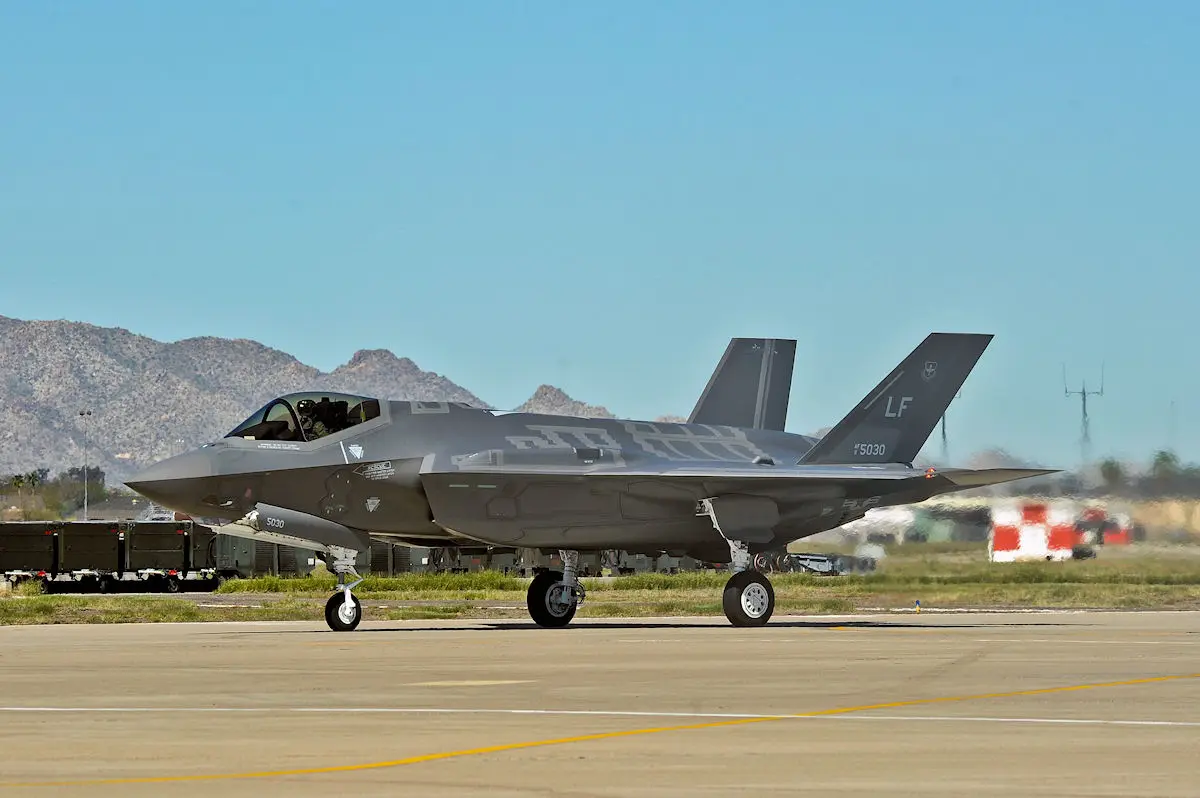
1. Riyadh Wants Fifth-Generation Capability Like Regional Rivals
Saudi Arabia is one of the region’s few major powers without a fifth-generation aircraft. With Israel operating the F-35I and the UAE previously approved for the F-35 before the deal stalled, Riyadh sees the jet as essential to matching advanced air fleets in the Middle East.
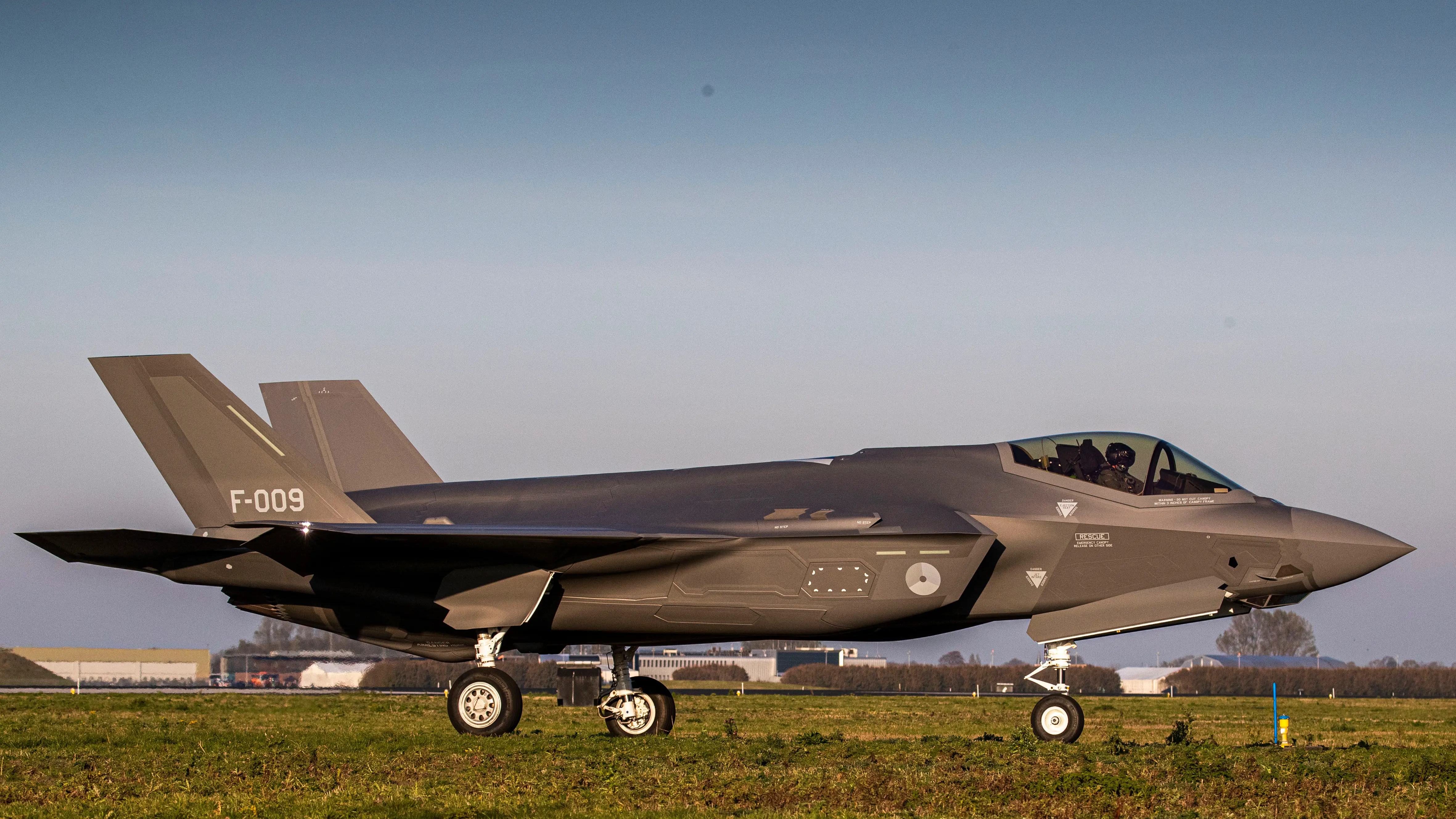
2. The Kingdom Is Upgrading Its Military Under Vision 2030
Saudi Arabia’s Vision 2030 includes large-scale defence modernization. The F-35 fits into this plan by replacing older aircraft and establishing long-term technological partnerships with US defence contractors, strengthening future interoperability and domestic defence manufacturing.
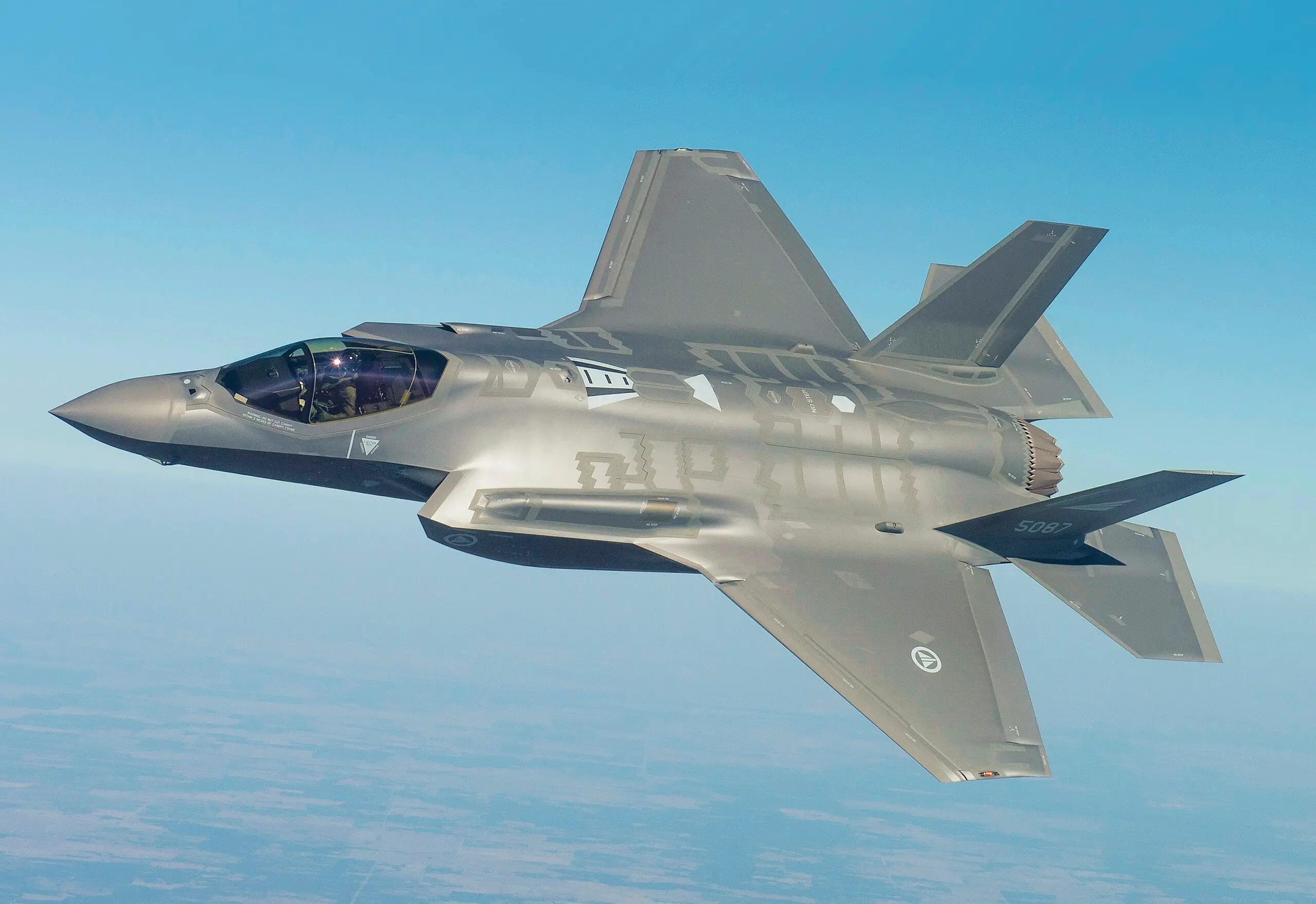
3. Increased Security Concerns From Iran’s Missile and Drone Capabilities
Iran’s rapidly expanding drone, cruise-missile, and ballistic-missile programmes have increased Saudi demand for advanced strike and surveillance aircraft. The F-35’s sensors, long-range detection, and stealth strike ability are viewed as crucial for monitoring and countering these threats.
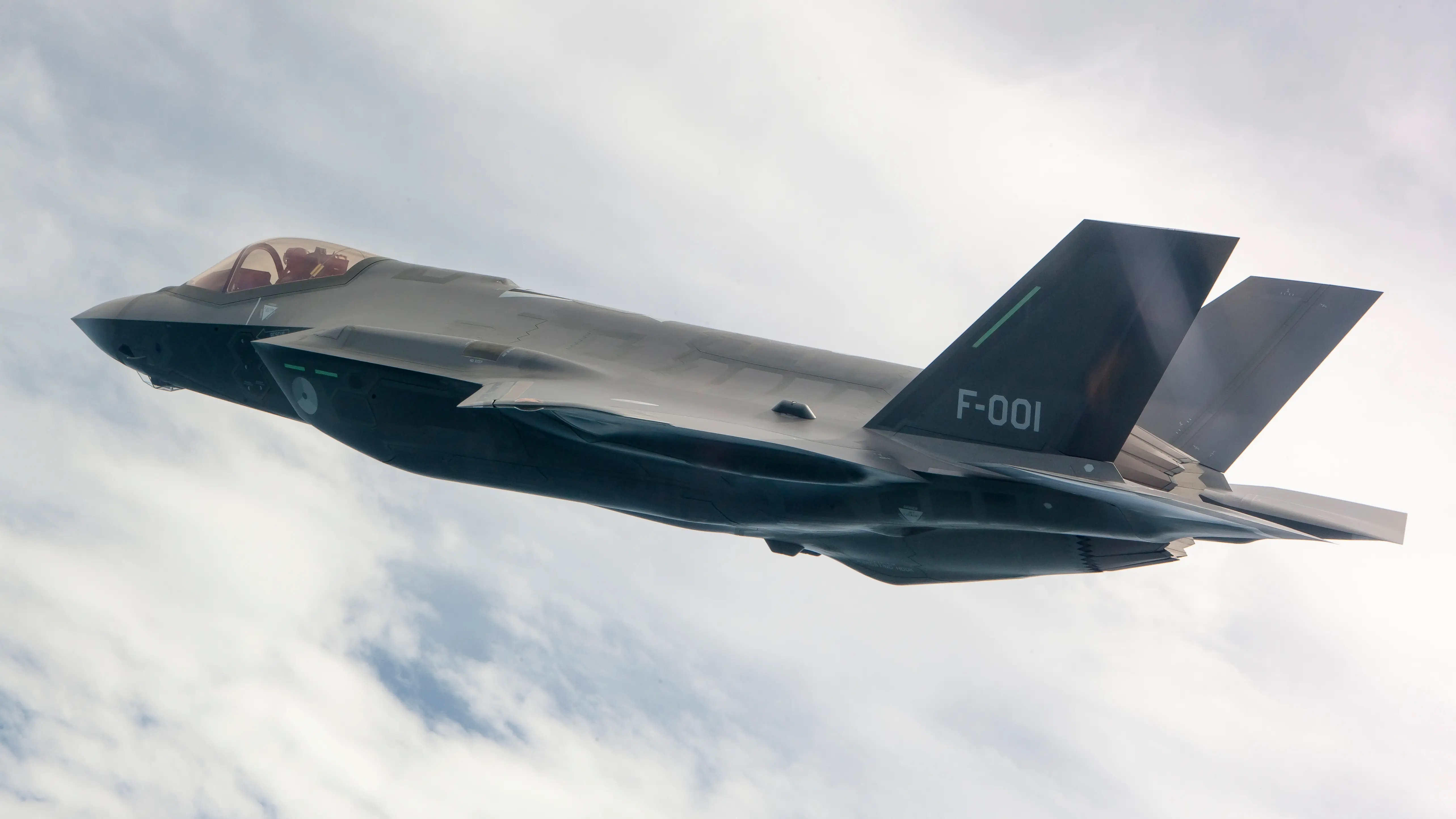
4. Saudi-U.S. Security Pact Negotiations Include the F-35
Ongoing discussions between Washington and Riyadh include a broader defence pact covering military cooperation, nuclear oversight, and security guarantees. Access to the F-35 is one of Saudi Arabia’s main requests in this package, making the jet part of a larger diplomatic negotiation.
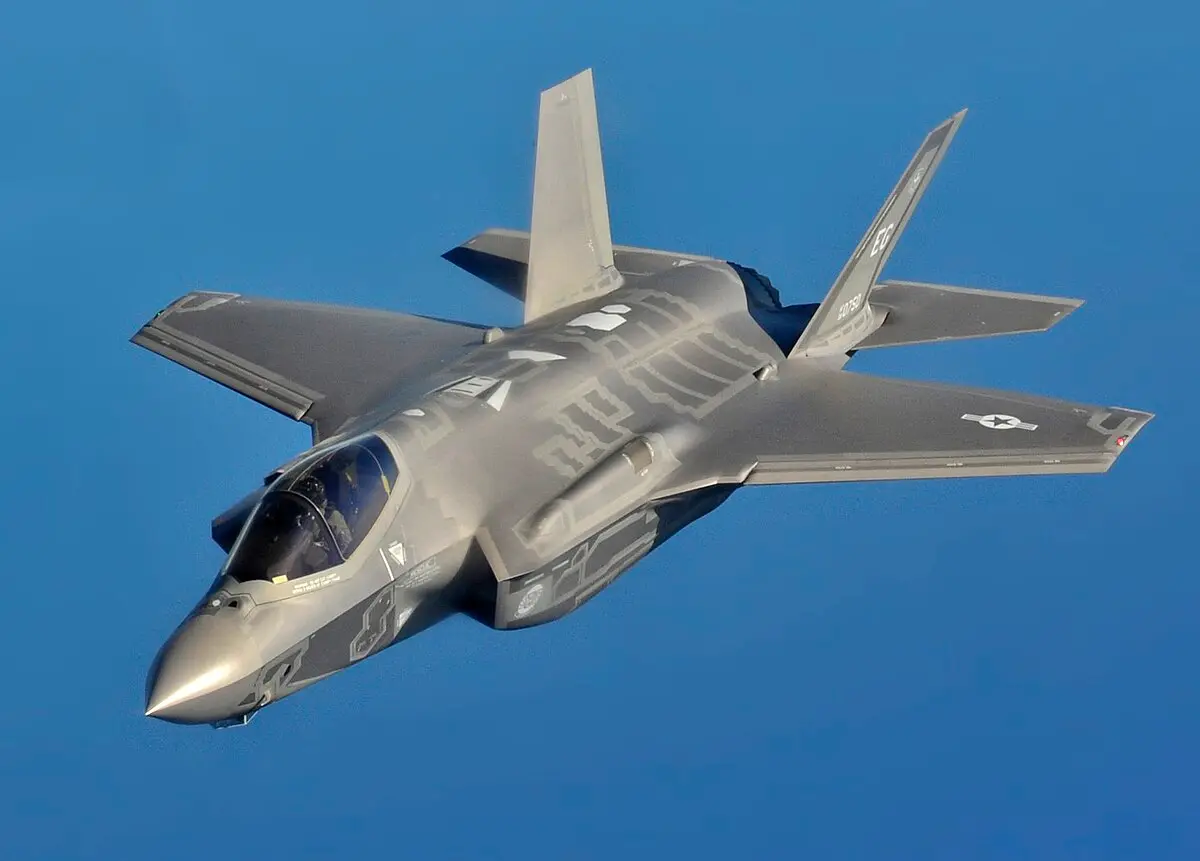
5. Greater Interoperability With U.S. and Allied Forces
Saudi Arabia already operates American aircraft such as the F-15SA and has deep military ties with US Central Command. The F-35 would allow Saudi pilots to operate using the same networks, data links, and mission-planning systems used by U.S. and NATO partners.
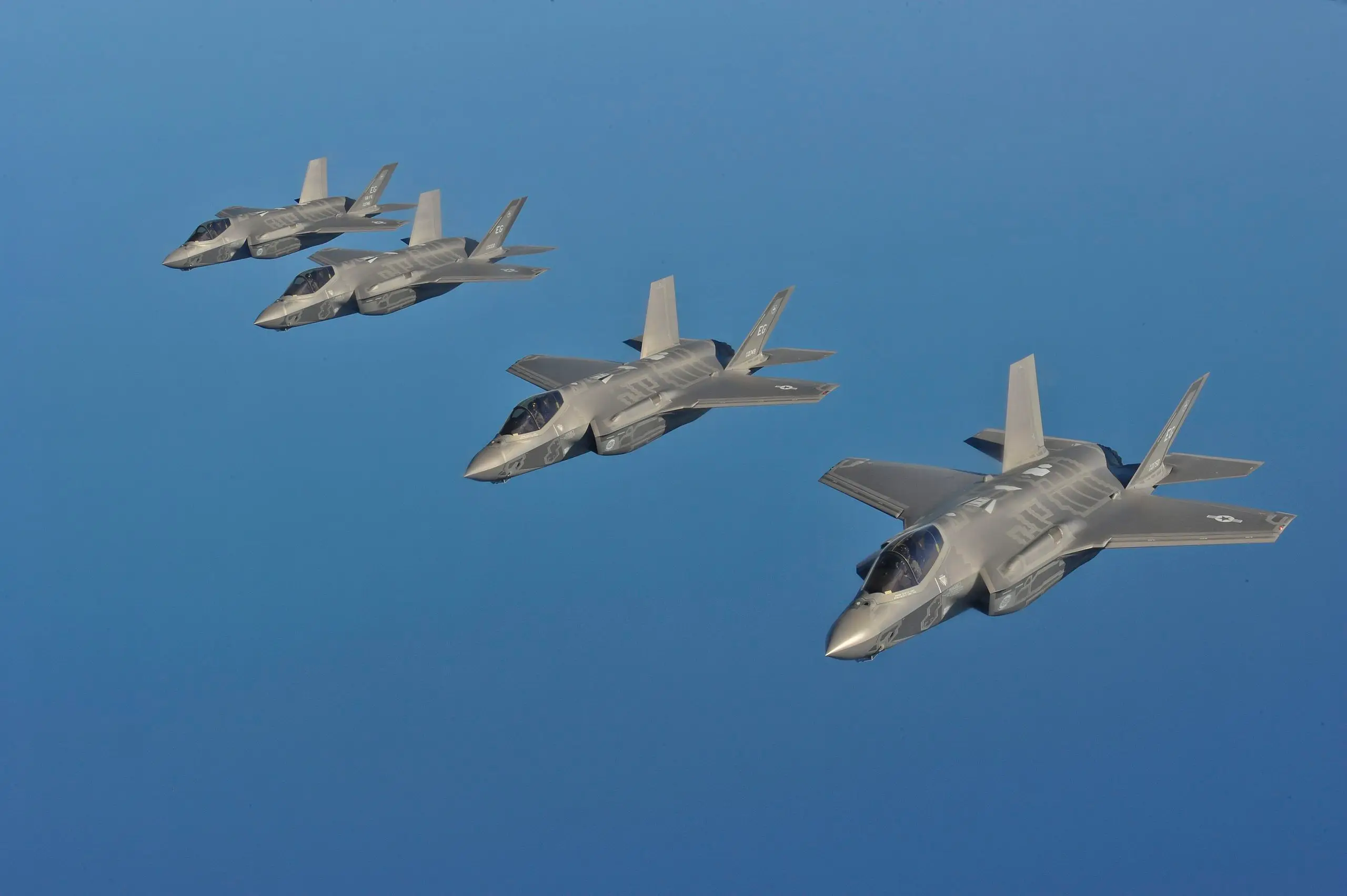
6. Pressure From Rising Regional Competition
Gulf states continuously modernise their air forces. Qatar operates Rafales, the UAE has F-16E/F Desert Falcons and ordered Rafales, and Israel fields advanced F-35 variants. Saudi leaders view the F-35 as necessary to maintain strategic balance and deter rivals.
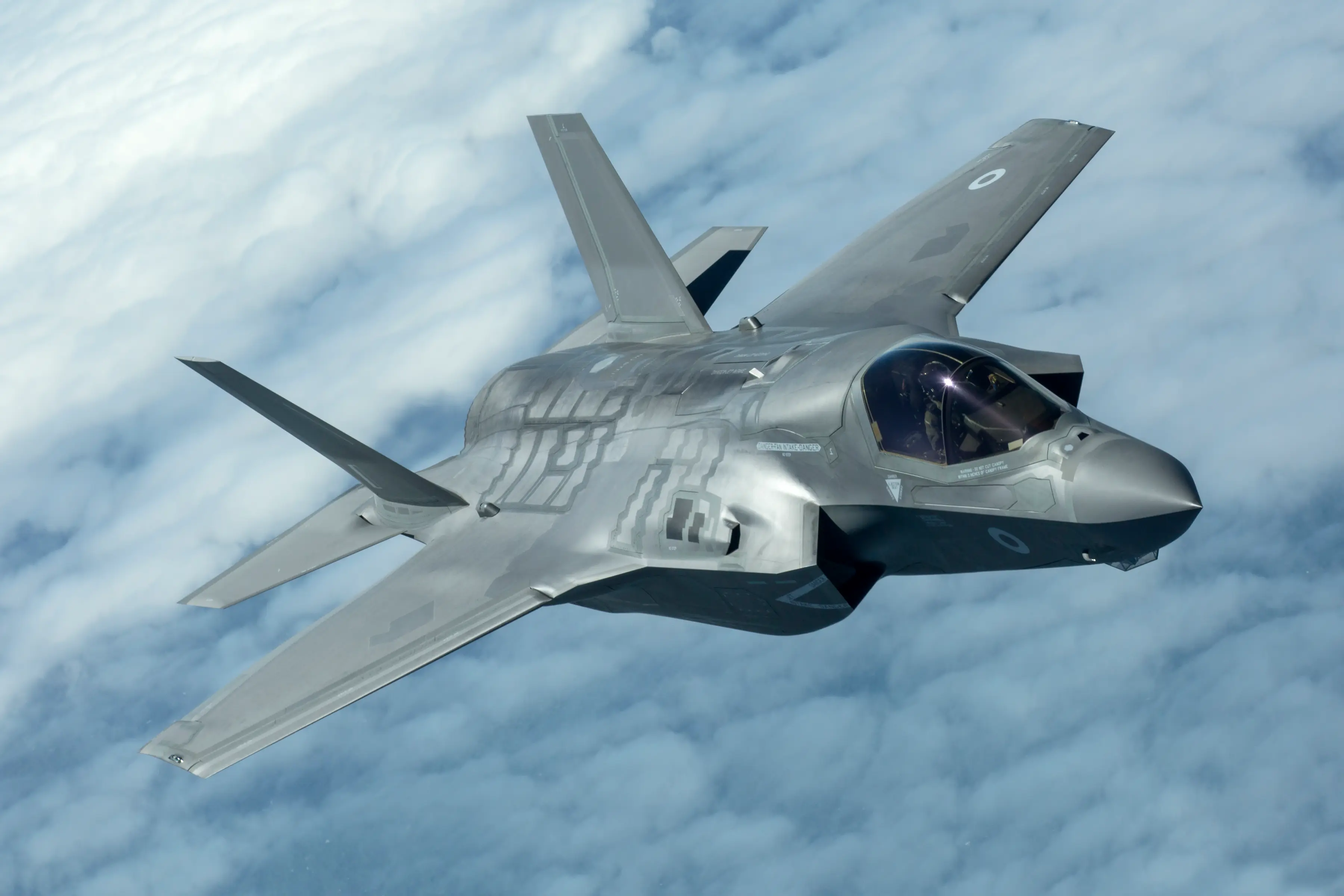
7. The Kingdom Wants Long-Range Situational Awareness
The F-35’s sensor fusion, electronic warfare tools, and battlefield awareness capabilities make it more than a fighter jet, it is an intelligence and surveillance platform. Saudi officials have stated publicly that these capabilities are central to defending economic hubs and oil infrastructure.
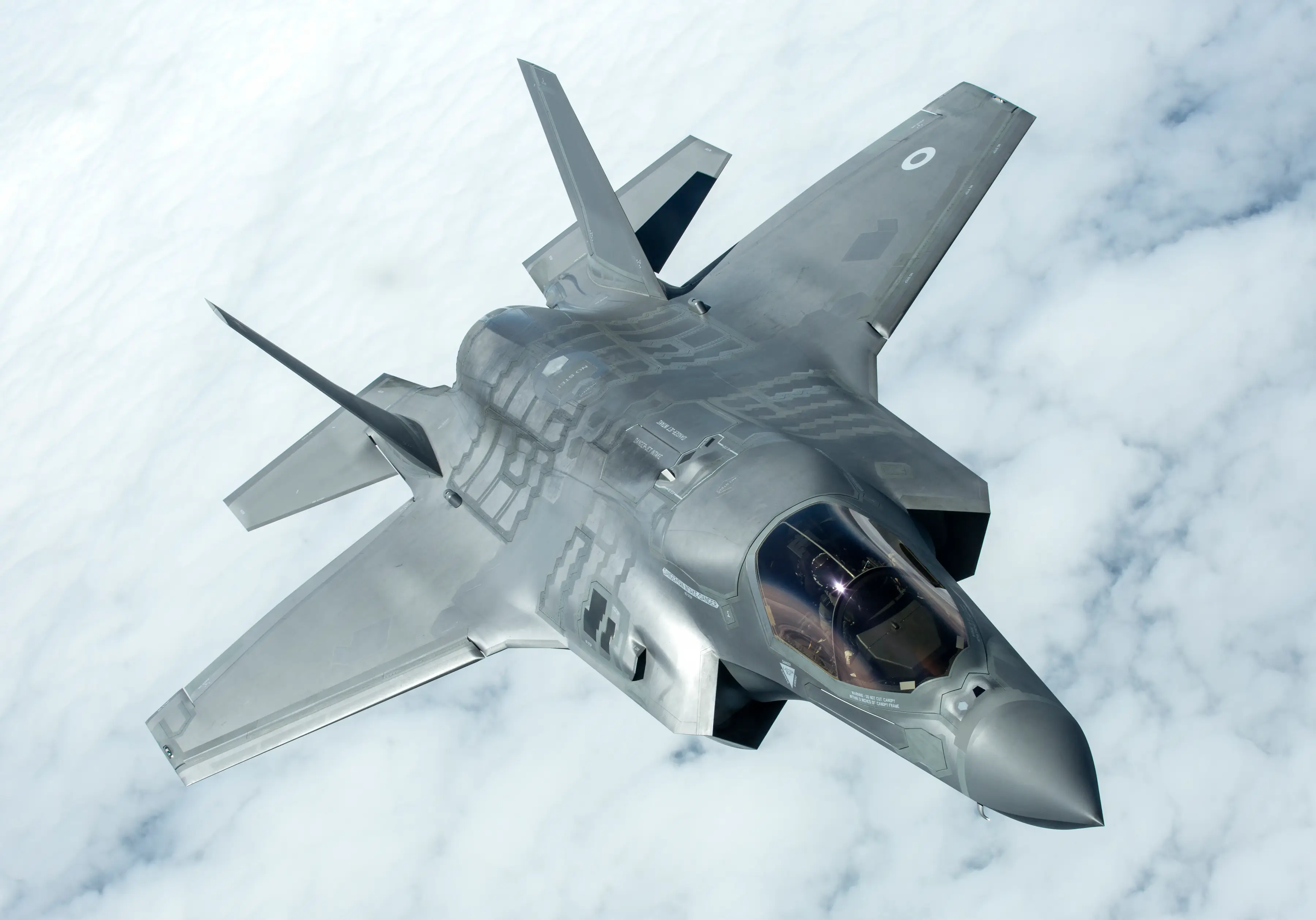
8. Strengthening Air Defences After Attacks on Oil Facilities
After the 2019 Abqaiq and Khurais attacks, executed with drones and cruise missiles, the kingdom accelerated efforts to improve both offensive and defensive systems. The F-35’s ability to detect low-flying threats and coordinate with air-defence networks aligns with these priorities.
)
)
)
)
)