7 flight-control 'failures' Airbus A320 recall is trying to prevent

The autopilot depends on flawless data coming from ADIRUs and being processed by ELAC/SEC. A corrupted value (altitude, attitude, acceleration) can cause the autopilot to instantly disconnect.
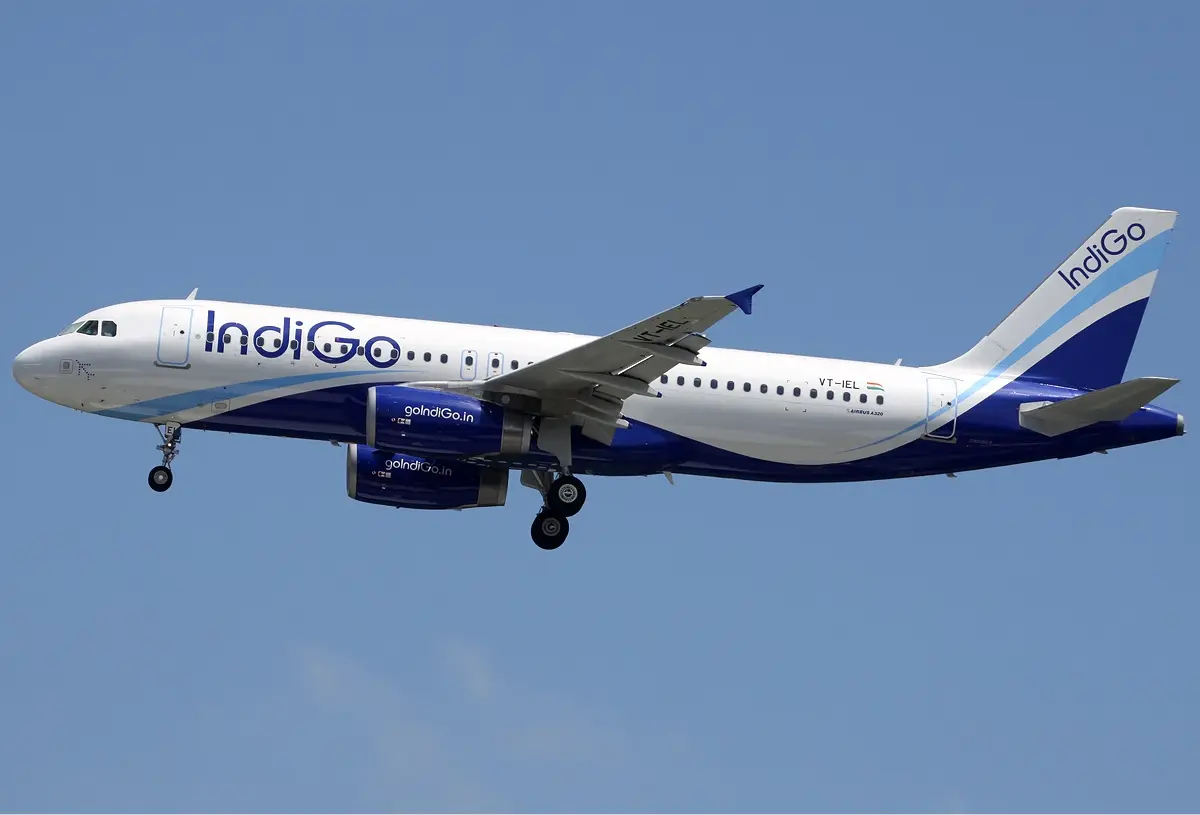
1. Uncommanded Pitch or Roll Due to Corrupted ELAC Data
The A320’s Elevator and Aileron Computer (ELAC) interprets pilot inputs and stabilizes the aircraft. If solar radiation or a hardware fault corrupts the data passing through ELAC, the aircraft can momentarily pitch down, roll, or react incorrectly even when pilots give no such command. This is what triggered the global recall, an actual mid-air pitch anomaly caused by corrupted control-surface data.
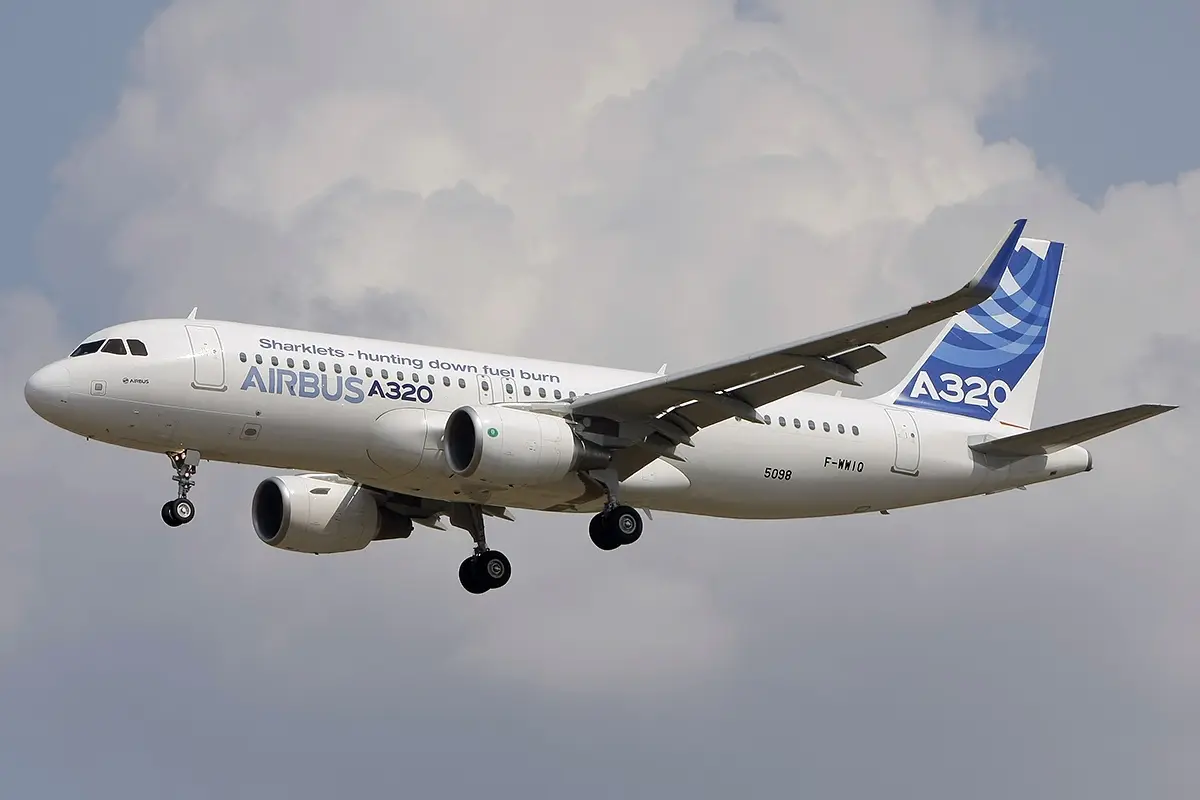
2. Sudden Autopilot Disconnect During Cruise
The autopilot depends on flawless data coming from ADIRUs and being processed by ELAC/SEC. A corrupted value (altitude, attitude, acceleration) can cause the autopilot to instantly disconnect. A320 pilots train for this, but at high altitude or in turbulence, an unexpected disconnect can create a serious workload spike and momentary loss of stability.
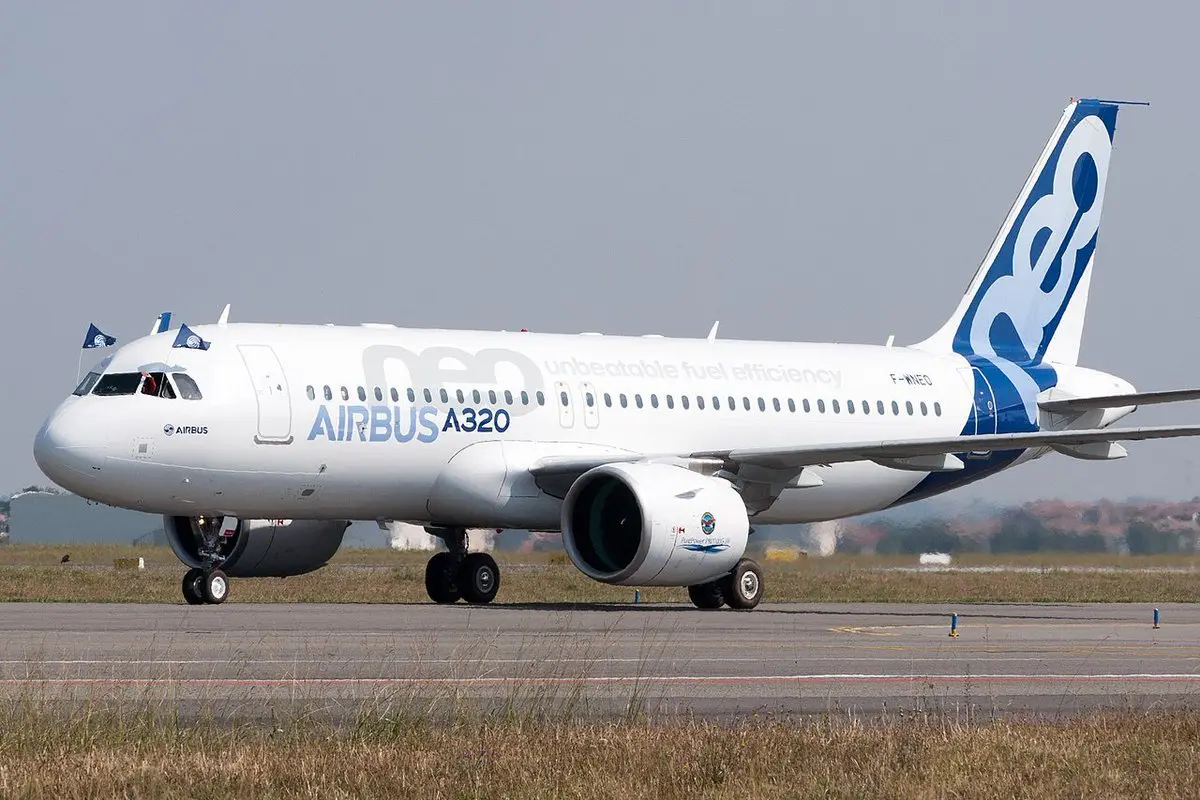
3. Degraded Flight-Control Laws, Forcing the Aircraft Out of “Normal Law”
If key computers disagree or deliver corrupted data, the aircraft drops from Normal Law into Alternate Law or even Direct Law. When that happens, protections like stall protection, overspeed protection, pitch stability, and automatic trimming are lost. The aircraft becomes harder to fly, especially for less-experienced crews or in bad weather.
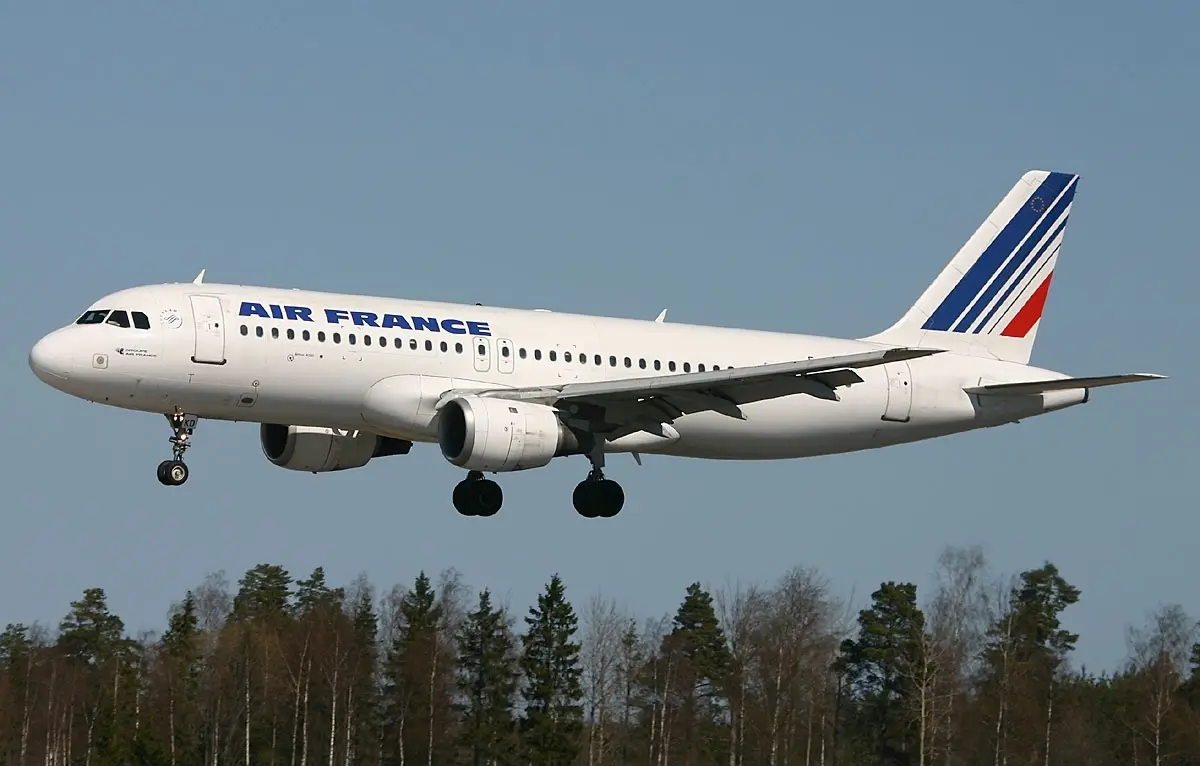
4. Incorrect Trim or Surface Commands Leading to Nose-Down Behaviour
The A320 auto-trim system relies on accurate inputs. A corrupted pitch or airspeed reading could cause the stabiliser to trim in the wrong direction, potentially creating a nose-down moment. The aircraft will not behave as the pilots expect, and they may need to counteract with manual trim or raw side-stick control.
5. Wrong Data Being Fed to the Navigation & Display Systems
A corrupted data packet in the flight-control chain could spread into the flight displays, showing incorrect altitude, vertical speed, pitch attitude, or flight-path vector. Even a few seconds of wrong data can lead to incorrect pilot reactions, especially in instrument meteorological conditions (IMC) or high-workload phases of flight.
6. Aircraft Failing to Respond as Expected to Pilot Inputs
If the fly-by-wire system receives invalid or corrupted sensor data, the side-stick inputs may be modified or rejected because the computer “thinks” the aircraft is in a different state than it is. This mismatch results in delayed, dampened, or unexpected aircraft movement, exactly the type of unpredictable behaviour regulators consider unacceptable.
7. Full or Partial Loss of Redundant Flight Computers
The A320 is built with multiple backup computers (SEC, FAC), but if solar radiation or hardware faults affect more than one system, the aircraft could lose redundancy. With fewer computers to cross-check data, even small errors can escalate into control issues. This is why Airbus ordered both software rollback and, in some jets, hardware replacement, to ensure the chain of redundancy remains intact under worst-case conditions.
)
)
)
)
)