7 exhaust design features of the Su-57 fighter jet

Su-57 features seven exhaust design innovations. Flat rectangular nozzles angled 45 degrees replace circular pipes. Four independent flaps control thrust vector. AL-51F1 engine produces 180 kilonewtons with afterburner. Cool air injection reduces exhaust temperature.
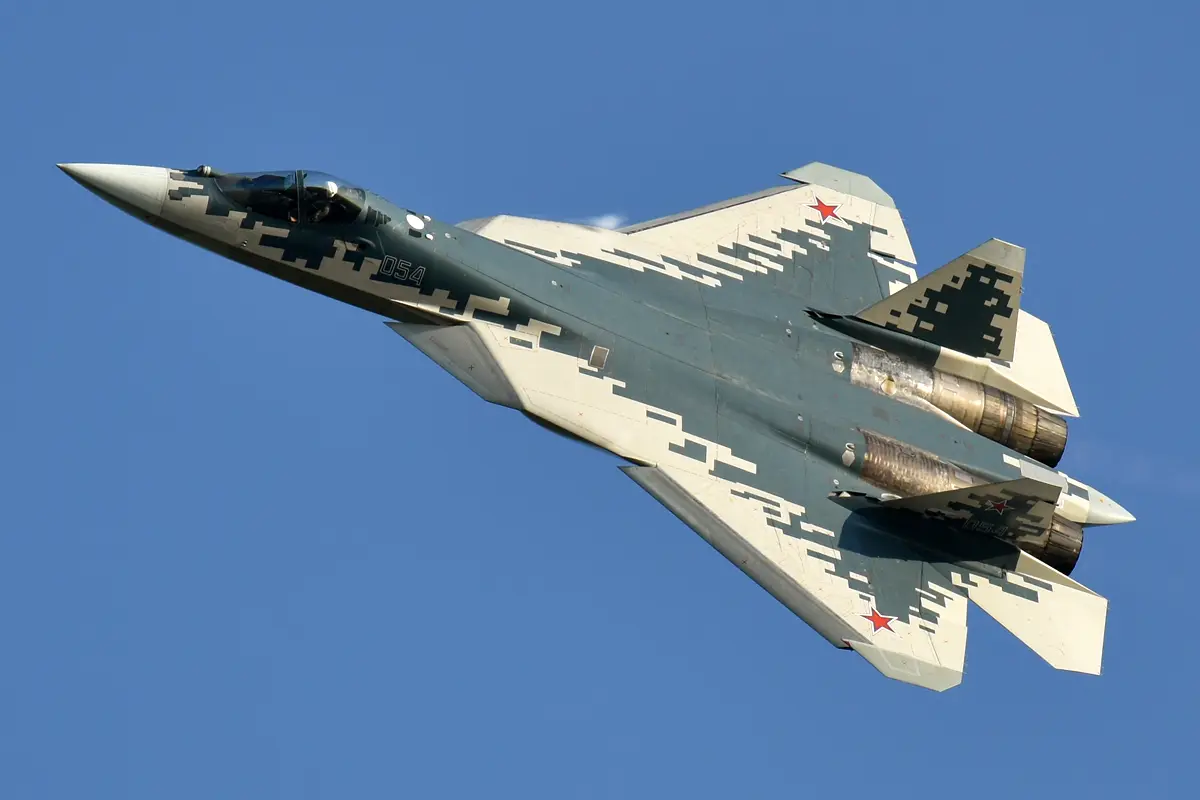
The Flat Nozzle Revolution
The Su-57 features revolutionary flat rectangular nozzles angled at approximately 45 degrees. These nozzles replace traditional circular exhaust pipes used on earlier Russian fighters. The flat design reduces the exhaust area significantly. This flattened profile reduces both radar cross-section and infrared signature. The flat nozzle represents a major advancement in stealth exhaust engineering.
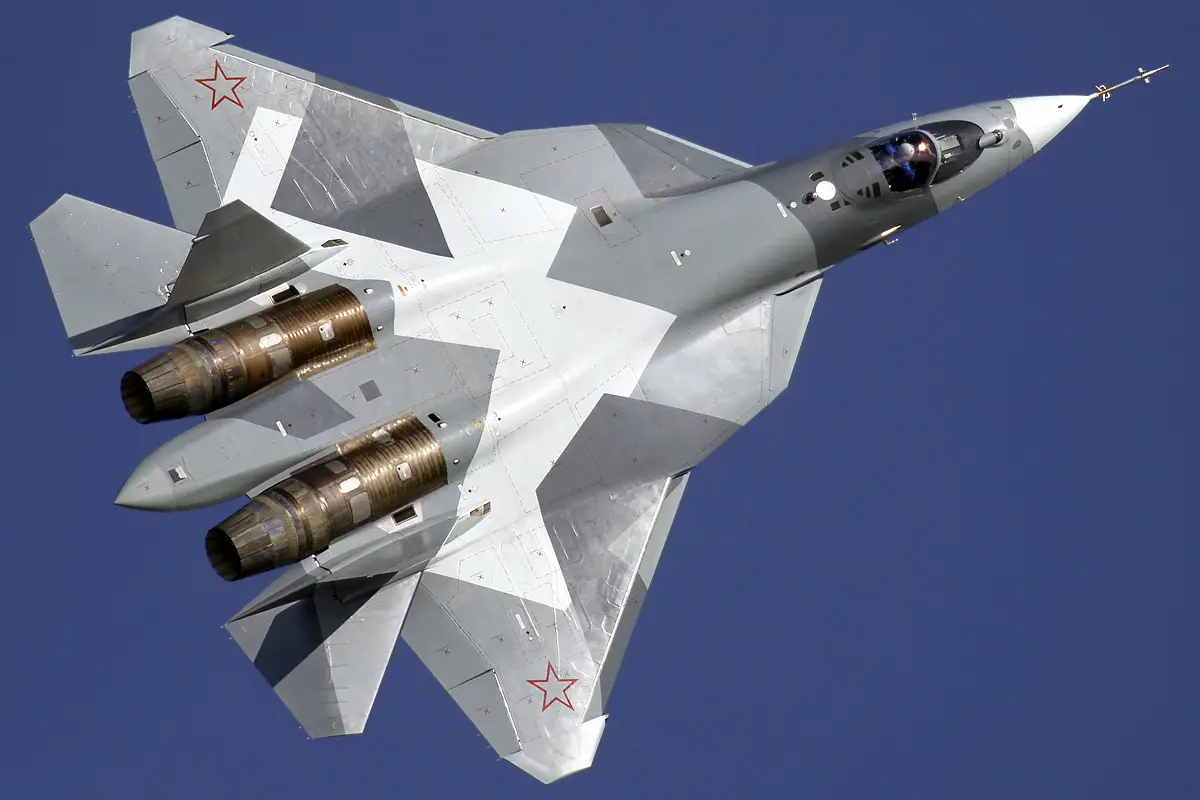
Thrust Vector Control System
The flat nozzles feature four independently controlled flaps for thrust vectoring. These flaps modify the exhaust outlet cross-section and deflect thrust direction. Two flaps are optimised for subsonic flight, two for supersonic operations. Differential flap operation creates moments in all three aircraft axes. This gives pilots pitch, yaw, and roll control independent of wing movement. The system enhances manoeuvrability whilst maintaining stealth characteristics.
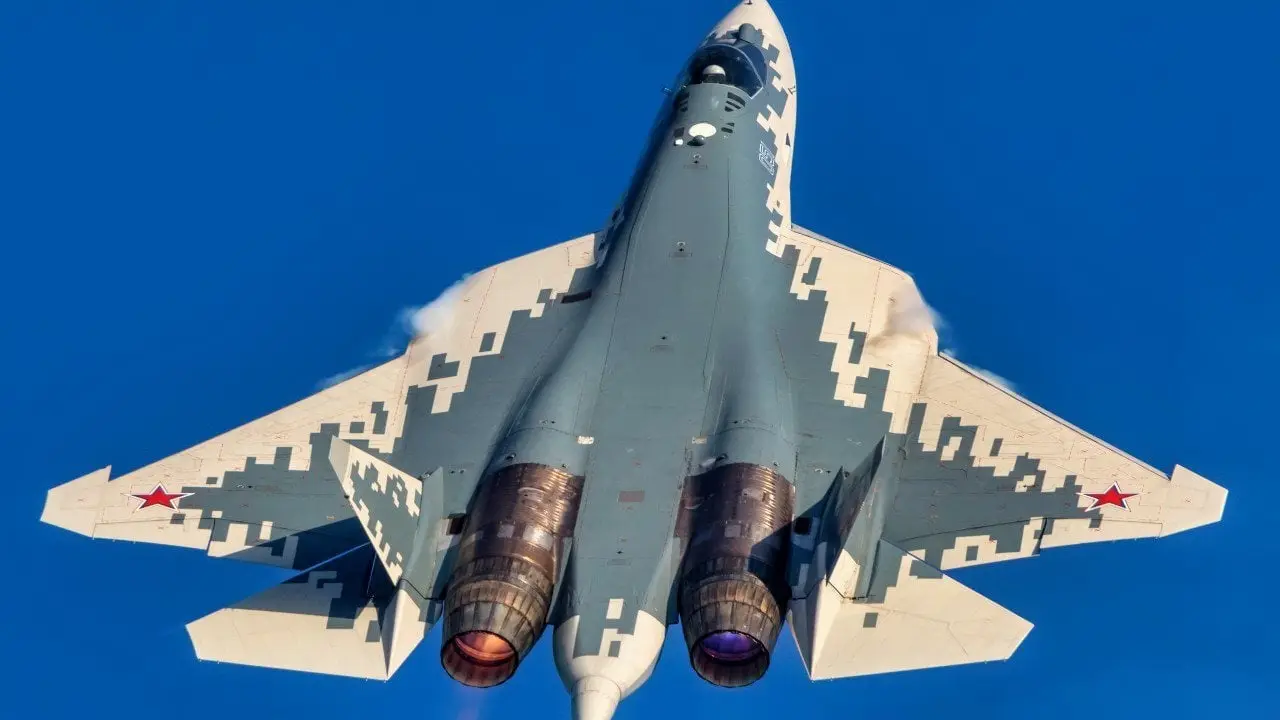
Cool Air Injection Technology
Cool air injection represents the simplest yet most effective infrared reduction technique. The system adds cooler air directly into the hot exhaust stream. This mixing lowers overall exhaust temperature significantly. Infrared seeking missiles track heat signatures, not aircraft shapes. By cooling the exhaust, the Su-57 becomes harder to track with infrared missiles. This technique works across all speed regimes and altitude ranges.
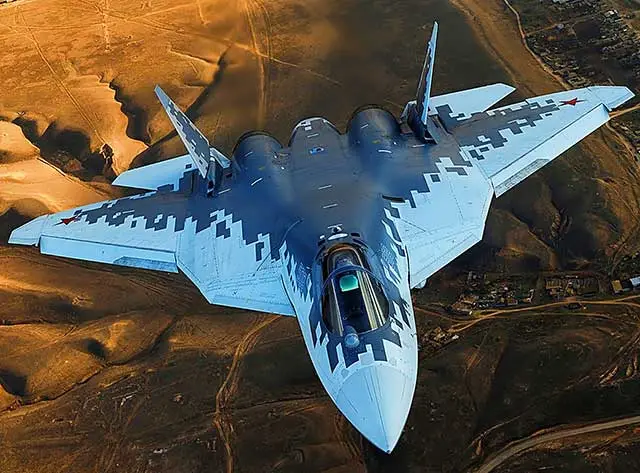
Non-Circular Exhaust Design
Traditional round exhausts reflect radar signals like small pipes. The Su-57's non-circular exhaust shrinks the exposed pipe area. Flattening the exhaust reduces radar reflection surfaces. The narrow profile also provides fewer angles for radar waves to bounce back. The geometry blends hot and cool air more efficiently than circular designs. This combination reduces both radar cross-section and infrared detectability simultaneously.
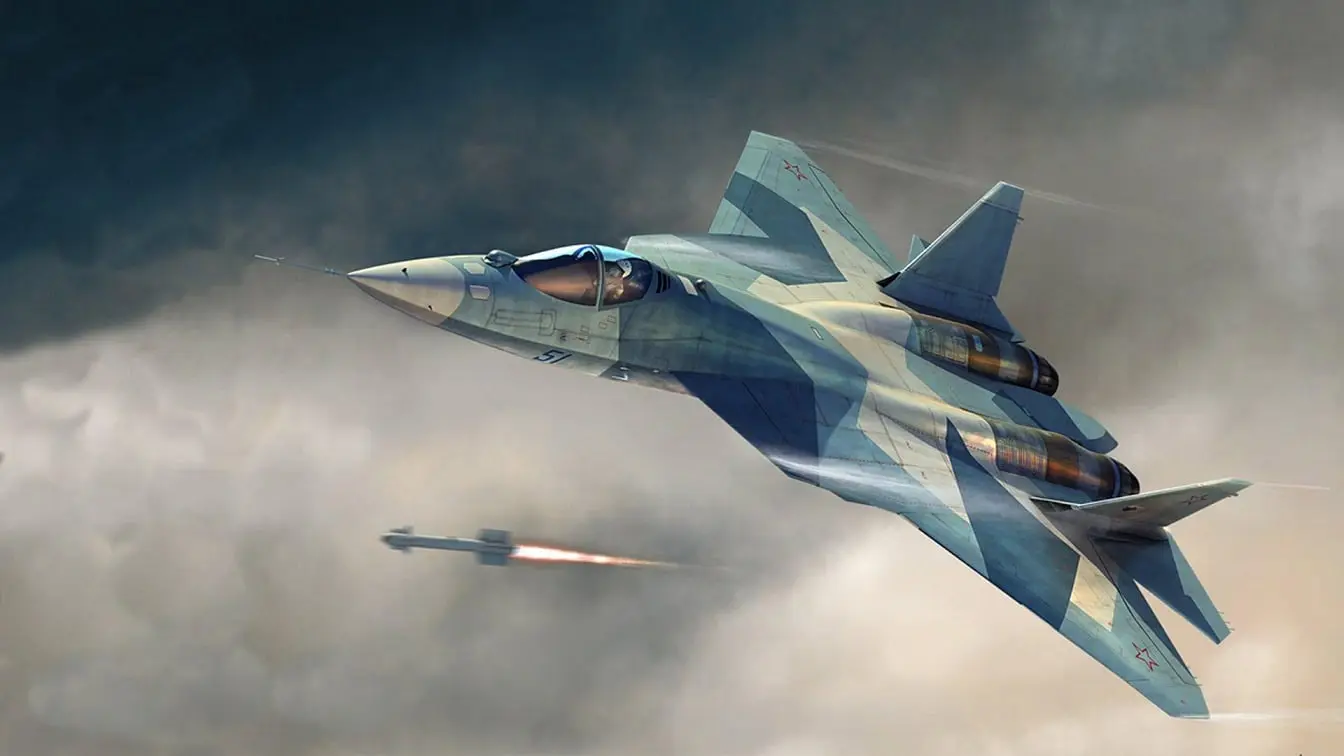
Exhaust Venting Above Wings
Su-57 vents exhaust gases above the wings strategically. This routing hides the exhaust plume from ground-based infrared sensors looking upward. Aircraft flying overhead receive indirect heat instead of direct exhaust signature. This prevents clear infrared locks from ground-launched missiles. The technique exploits geography and sensor physics. It requires precise placement of exhaust vents relative to wing surfaces. India's Tejas and other modern fighters adopted similar venting strategies.
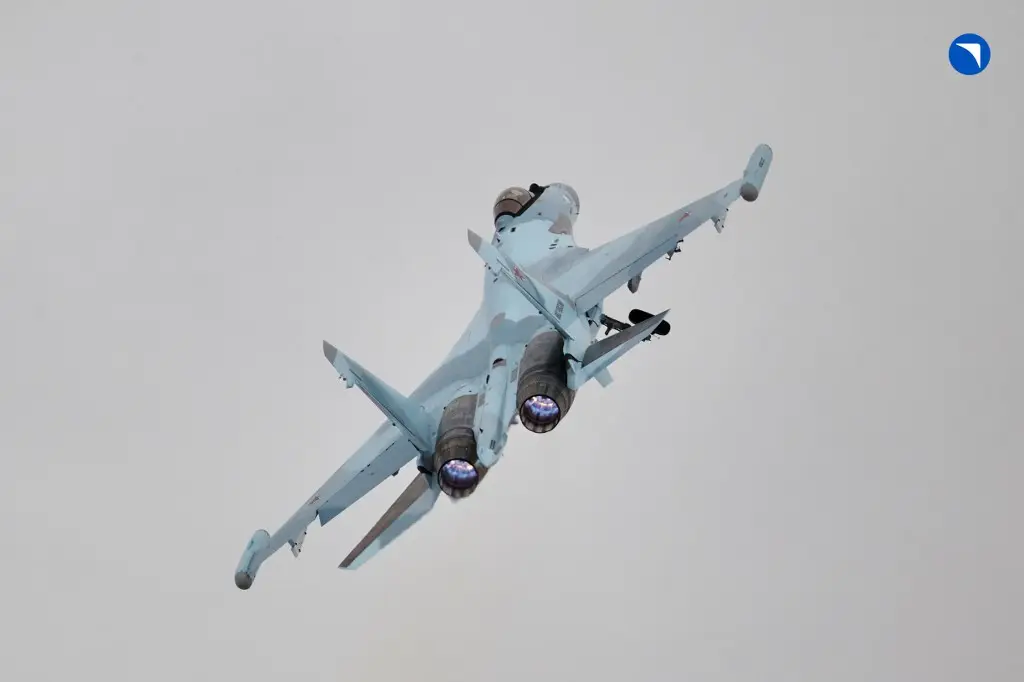
Engine Coolant Circulation System
The Su-57 uses circulating coolant in the engine systems to reduce exhaust temperature. Fuel circulates through cooling passages in the hot section before ignition. This pre-cooling reduces exhaust gas temperature before it exits the nozzle. Lower exit temperatures reduce infrared signature significantly. The technique adds complexity but provides substantial stealth benefits. Every degree reduction in exhaust temperature improves missile evasion chances.
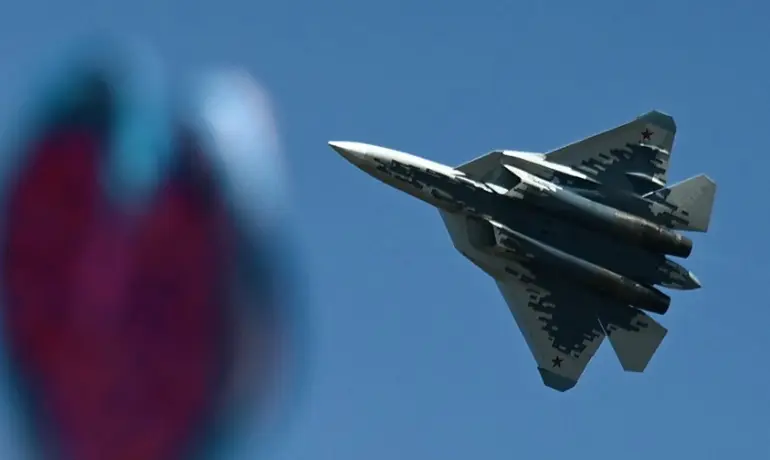
Flat Nozzle Specifications
The new AL-51F1 engine produces approximately 107 kilonewtons dry thrust. With afterburner engaged, it produces 167 to 180 kilonewtons total thrust. The flat nozzle design accommodates this power without compromising stealth. Flight tests continue on prototype aircraft with the flat nozzle system. Russia plans full integration into production Su-57 aircraft. The performance and stealth combination makes Su-57 a challenging opponent for any air force.
)
)
)
)
)