7 deep meanings behind every ritual of Chhath Puja

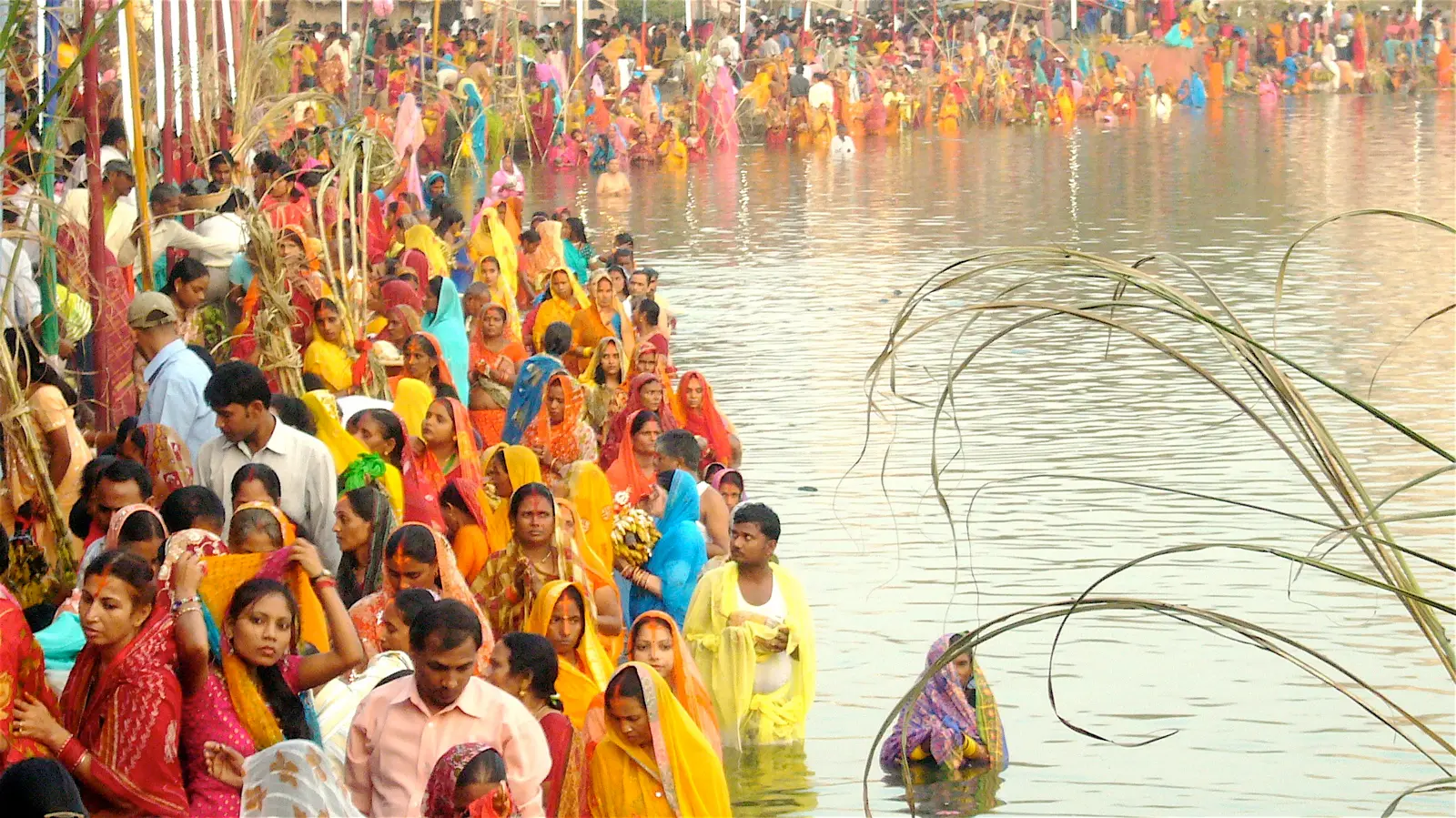
The festival begins with Nahay-Khay, the first day of Chhath Puja. Devotees take a purifying dip in rivers, ponds or other natural water bodies before consuming a single, simple satvik meal prepared in complete cleanliness.
Introduction
The four-day observance of Chhath Puja is celebrated with unwavering devotion in the Indian states of Bihar, Jharkhand, eastern Uttar Pradesh and parts of Nepal. On this sacred occasion, devotees honour the Sun God (Surya) and the goddess Chhathi Maiya through a sequence of rituals, each carrying profound symbolic value. Beyond devotion and discipline, these customs embody ancient wisdom about purity, gratitude, ecological harmony and human resilience.
1. Purification Through the Bath: Nahay-Khay
The festival begins with Nahay-Khay, the first day of Chhath Puja. Devotees take a purifying dip in rivers, ponds or other natural water bodies before consuming a single, simple satvik meal prepared in complete cleanliness. This ritual marks the start of physical and spiritual purification, reinforcing the belief that worship must begin with internal and external cleansing.
2. Restraint and Discipline: Kharna
The second day, Kharna, represents restraint, faith and devotion. On this day, devotees fast from sunrise to sunset without water, breaking the fast in the evening after offering prayers and kheer prasad made from rice, milk and jaggery. The same prasad is then served to the family and friends. The act symbolises control over bodily desires and gratitude for sustenance received from nature, highlighting the importance of balance between restraint and nourishment.
3. Honouring the Setting Sun: Sandhya Arghya
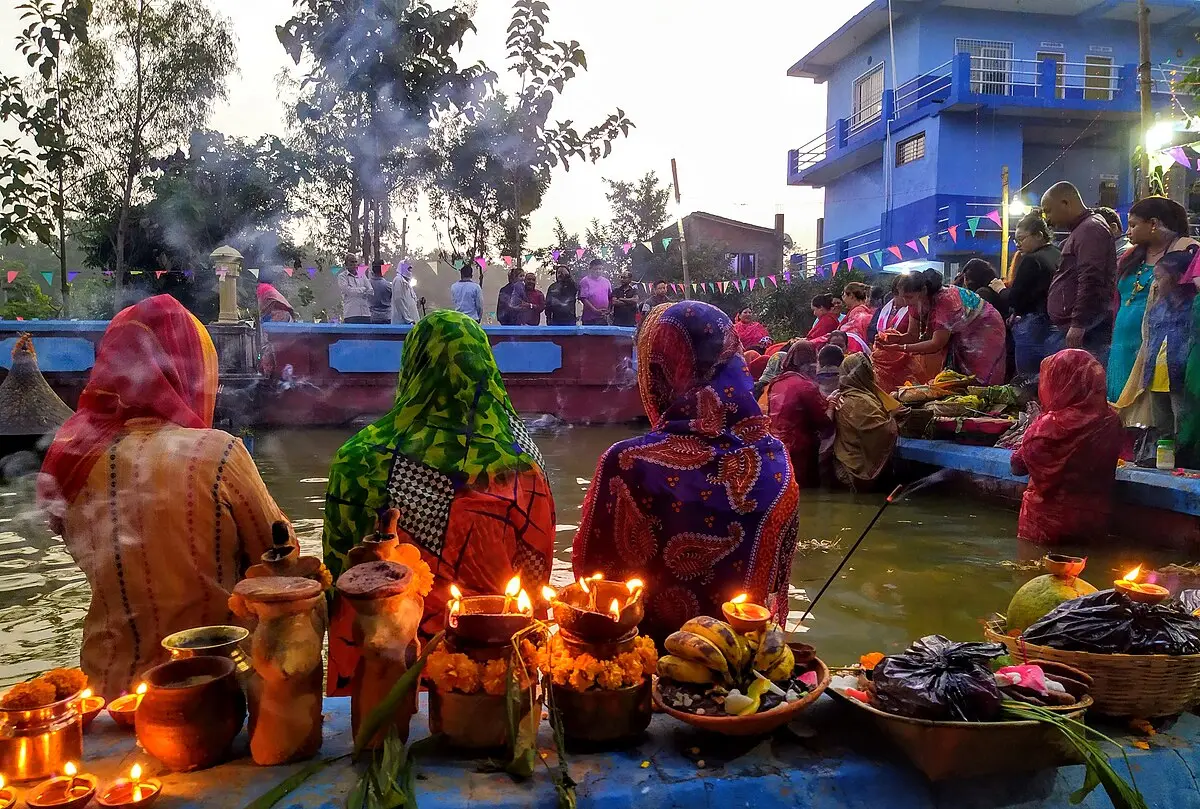
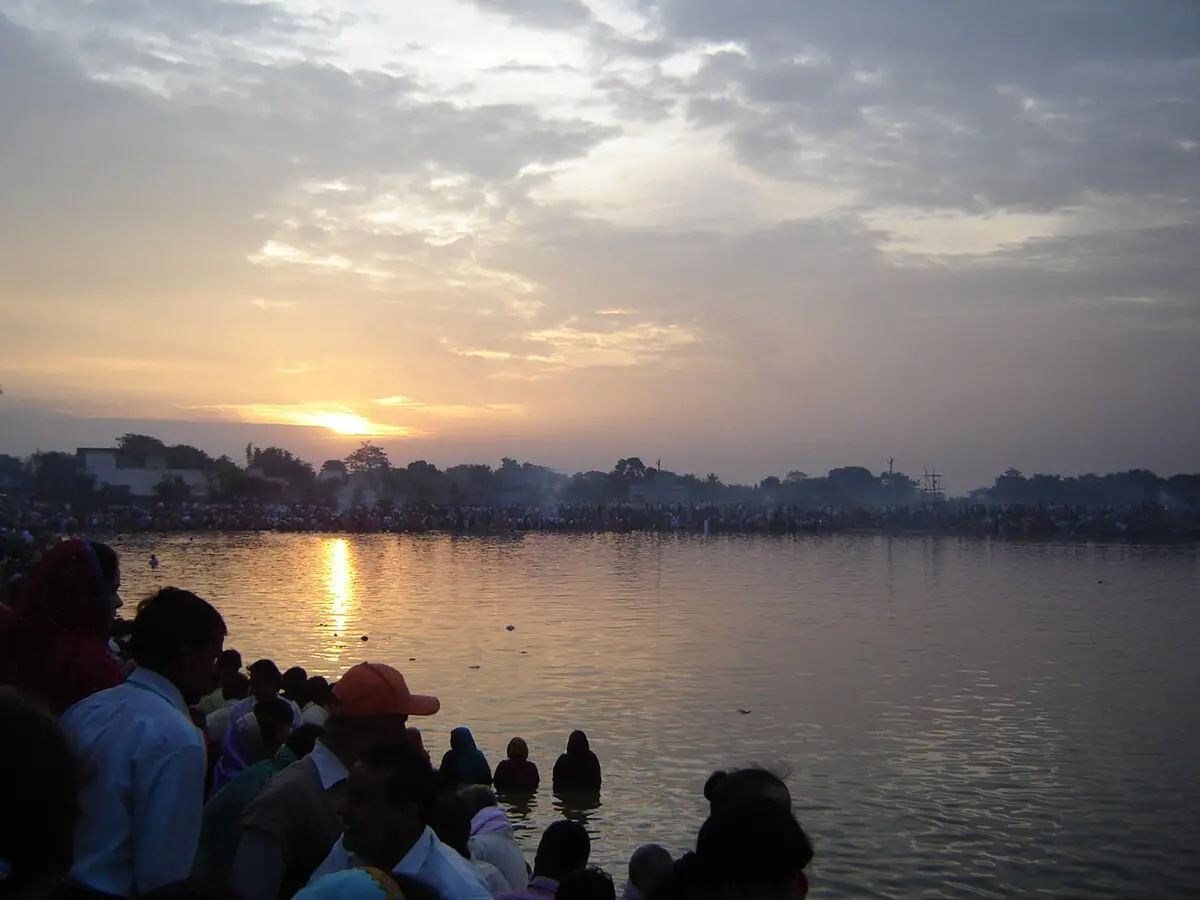
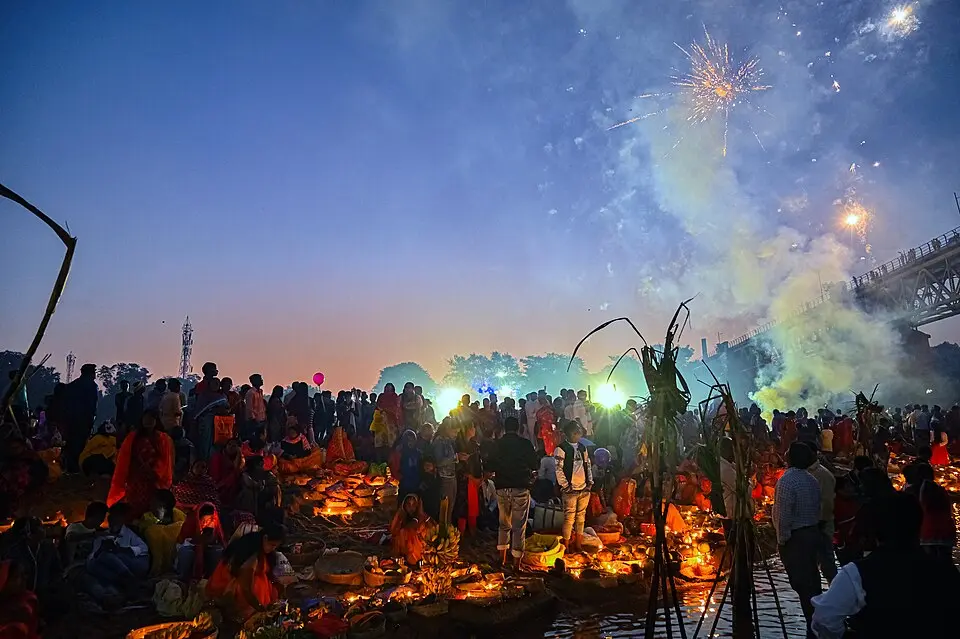
On the third day, devotees gather at riverbanks or water bodies to offer arghya, a ritual libation, to the setting Sun. This ceremony, known as Sandhya Arghya, symbolises gratitude for life, energy and the day that has passed. By worshipping the fading light, devotees acknowledge the natural cycle of endings and new beginnings, recognising beauty even in closure.
4. Welcoming the Rising Sun: Usha Arghya
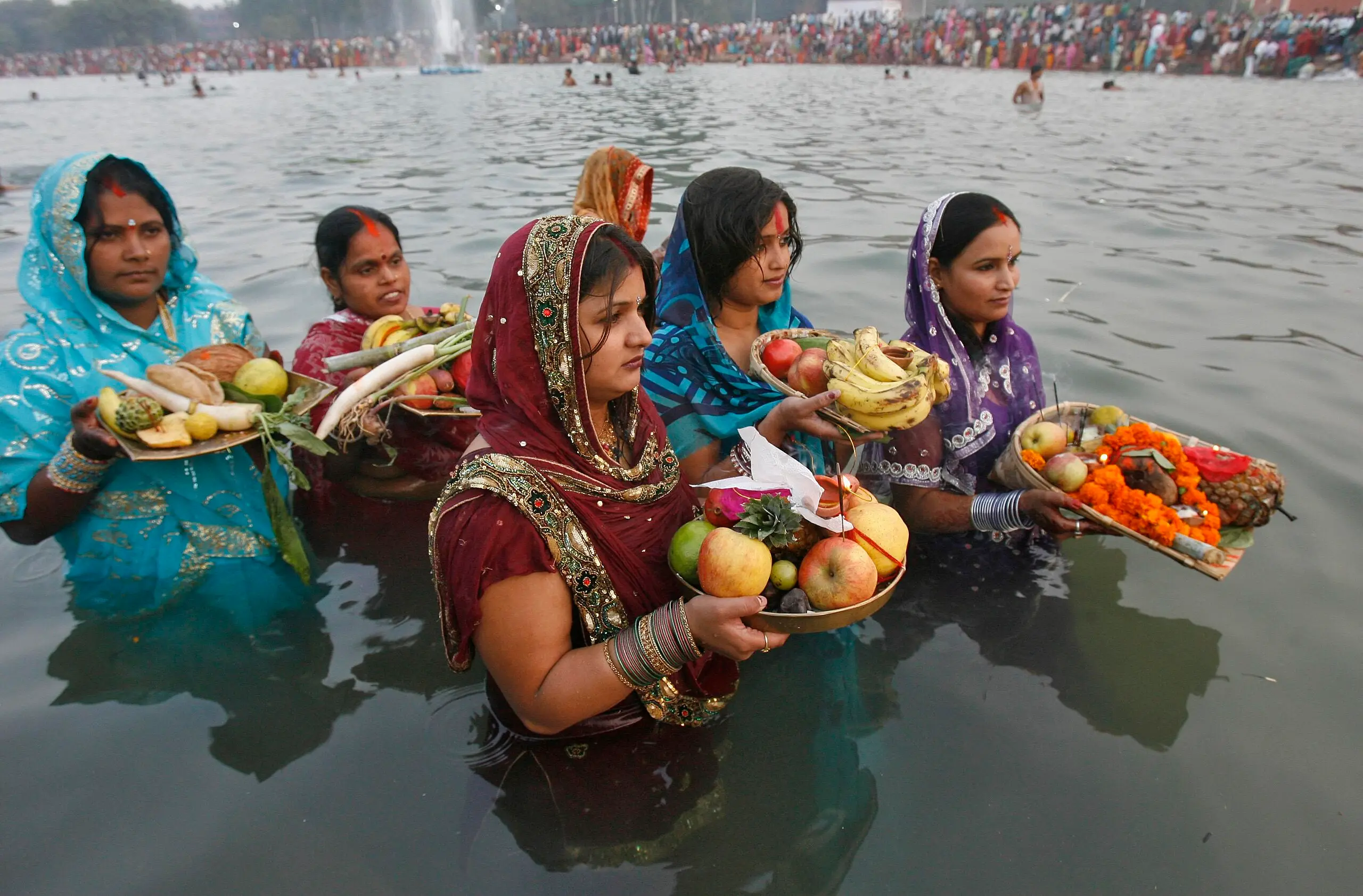
The final day of Chhath Puja begins before dawn, as devotees once again stand waist-deep in water to offer prayers to the rising Sun, Usha Arghya. This ritual signifies hope, renewal and the triumph of light over darkness. It reflects a universal truth: every ending leads to a new beginning, and the rising Sun embodies faith, continuity and the rhythm of existence.
5. Endurance Through Austerity: Nirjala Vrat
Central to Chhath Puja is the rigorous fast, lasting more than 36 hours without food or water. Known as Nirjala Vrat, it symbolises ultimate devotion, discipline and mental strength. This act of austerity is not about hardship but about transcendence, demonstrating that true worship involves mastery over one’s physical and emotional needs.
6. Eco-Harmony and Worship of Nature
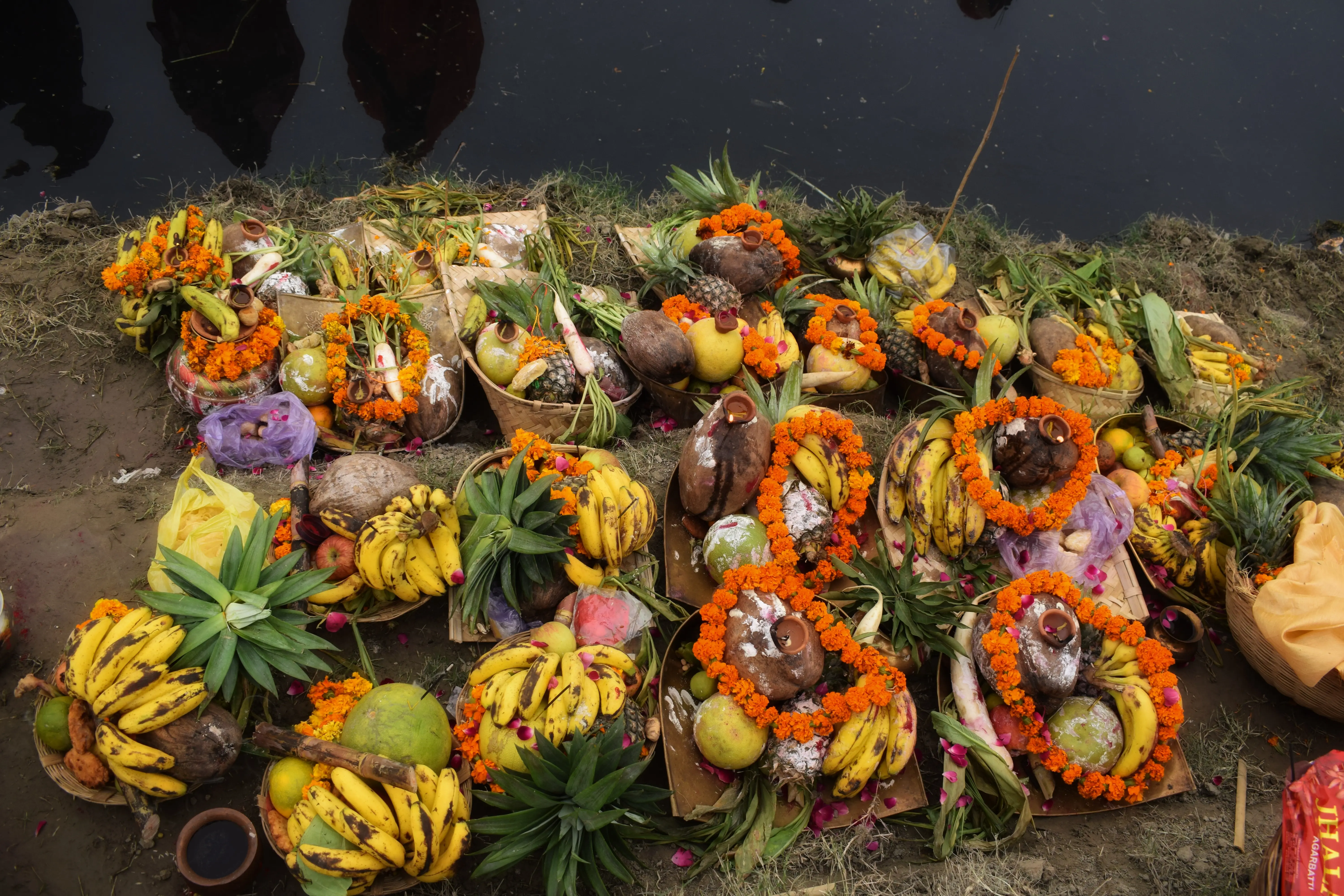
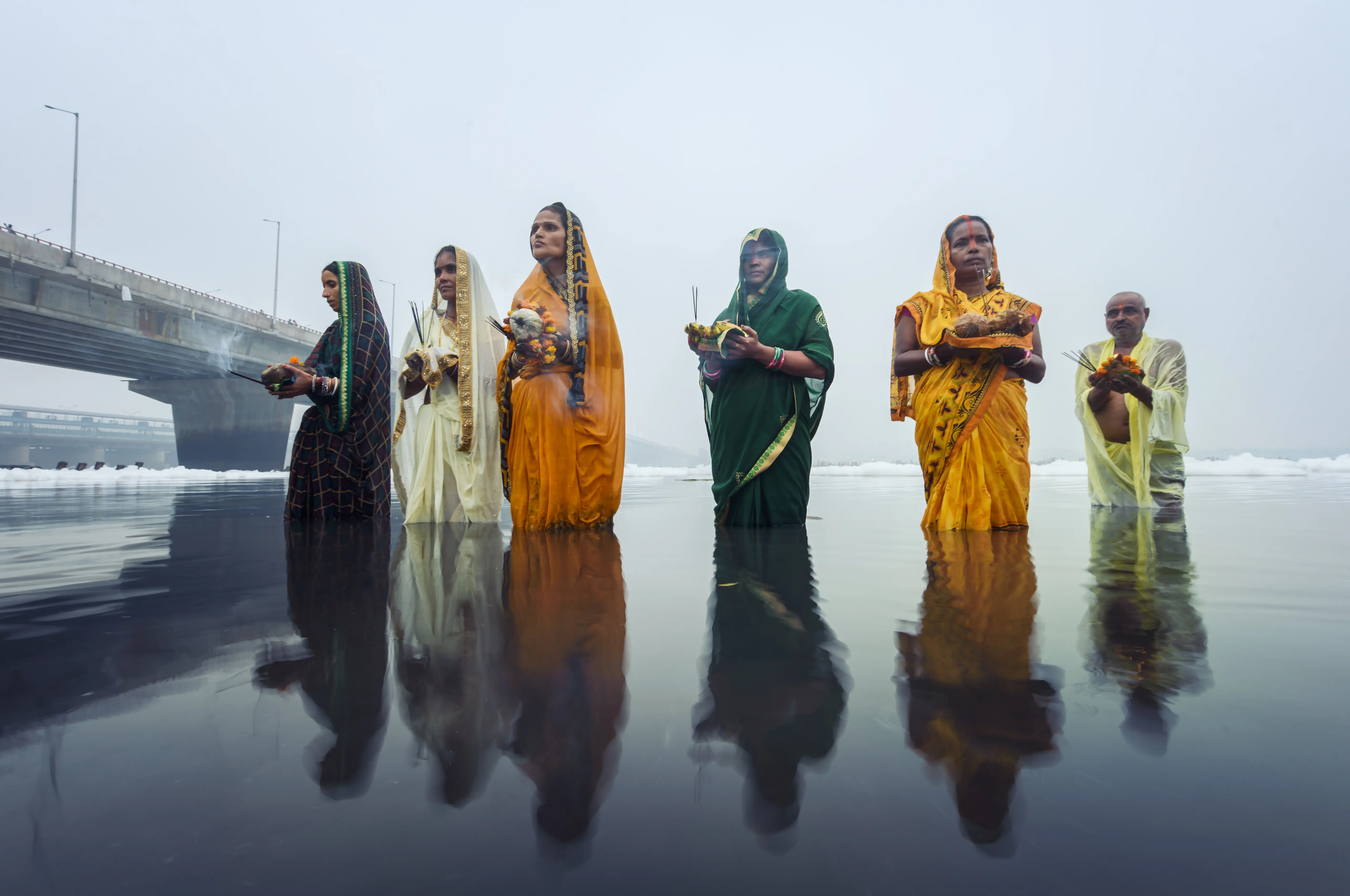
Every aspect of Chhath Puja reflects an intimate bond with nature. The offerings include seasonal fruits, sugarcane, earthen lamps and bamboo baskets, each representing ecological purity. The rituals are performed on the banks of rivers and ponds, celebrating the essential role of water and sunlight in sustaining life. It is among the few festivals where environmental reverence forms the heart of devotion.
7. Community and Cultural Continuity
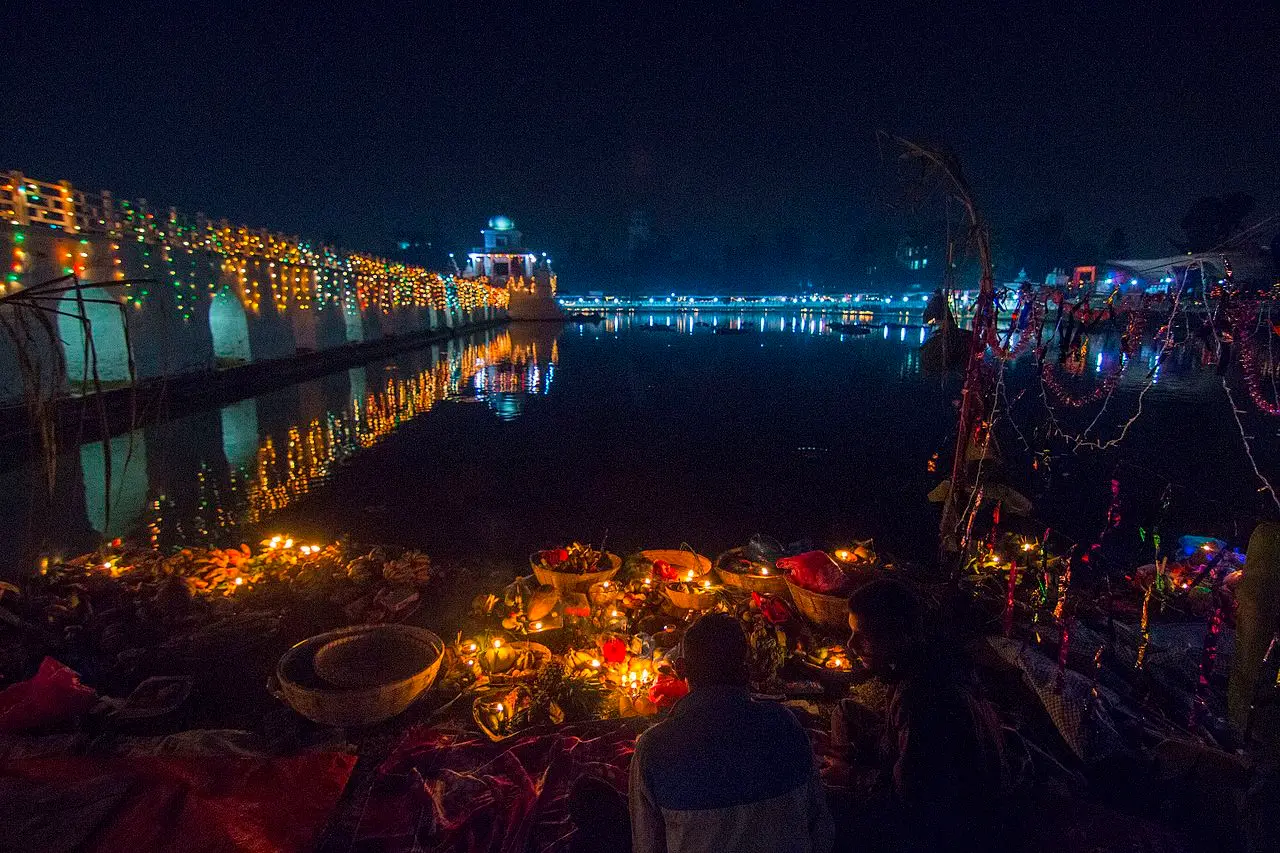
Chhath Puja also serves as a festival of togetherness. Families and entire communities participate collectively, transforming riverbanks into vibrant spaces of devotion. The preparation of prasad, especially thekua (dough cookie), decoration of ghats and joint prayers foster unity, equality and mutual respect. Through these communal traditions, the festival preserves ancient customs and strengthens cultural heritage across generations.
)
)
)
)
)