7 countries where an asteroid has crashed and created a crater

Know 7 countries where asteroids crashed, creating giant craters that mark Earth's history. From South Africa to Estonia, these sites reveal ancient cosmic impacts and their lasting effects on our planet.
South Africa - Vredefort Crater
The Vredefort Crater in South Africa is the largest and oldest known impact crater on Earth. Formed around 2 billion years ago, it stretches up to 300 km wide. Although erosion has worn down much of it, the site is a UNESCO World Heritage location. This crater gives us valuable insights into the early history of our planet.
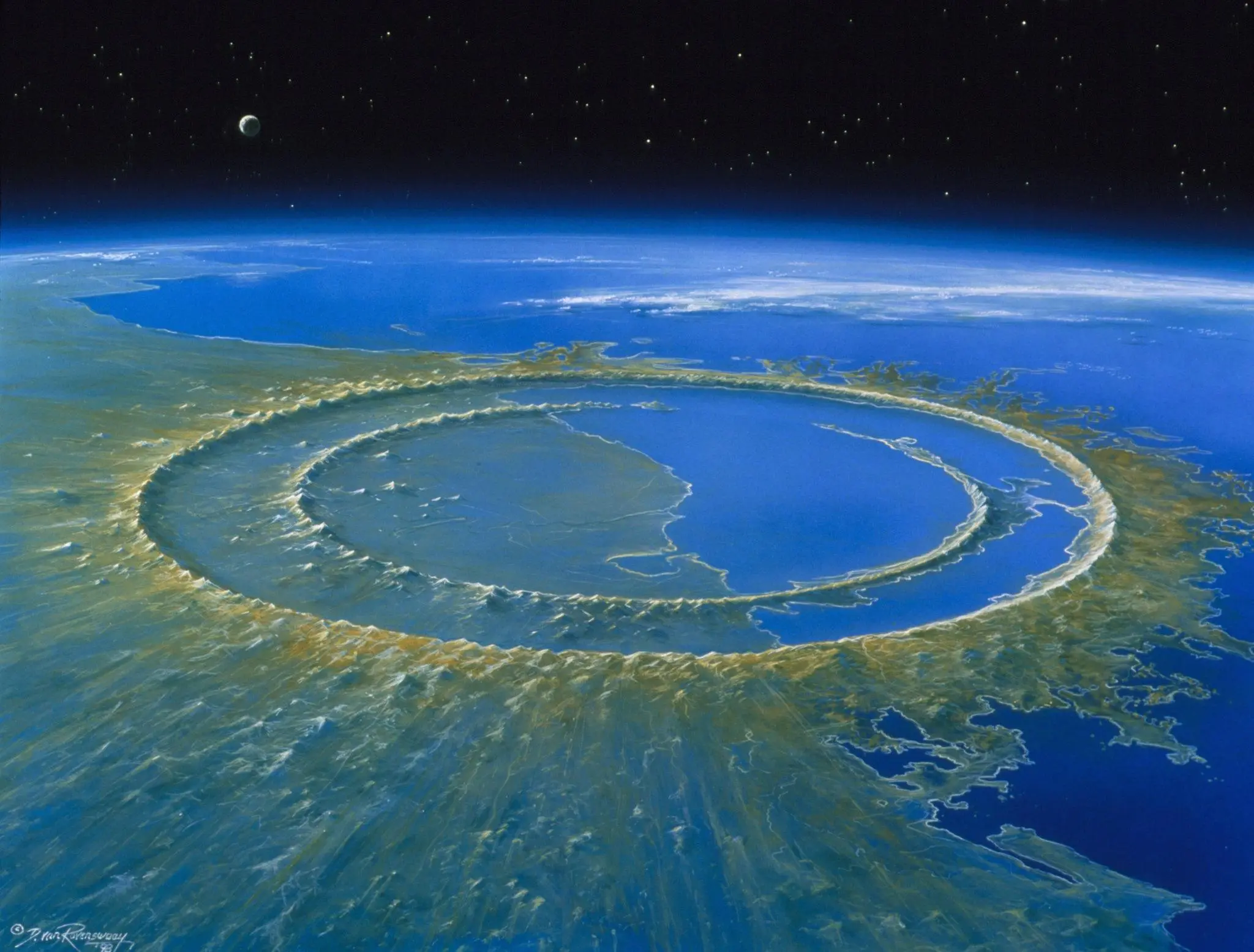
Mexico - Chicxulub Crater
Located in Mexico's Yucatán Peninsula, the Chicxulub Crater is famous for its link to the mass extinction of dinosaurs about 66 million years ago. It is roughly 180 km in diameter and was created by an asteroid about 10 km wide. This crater is key in studying how impacts affect life on Earth.
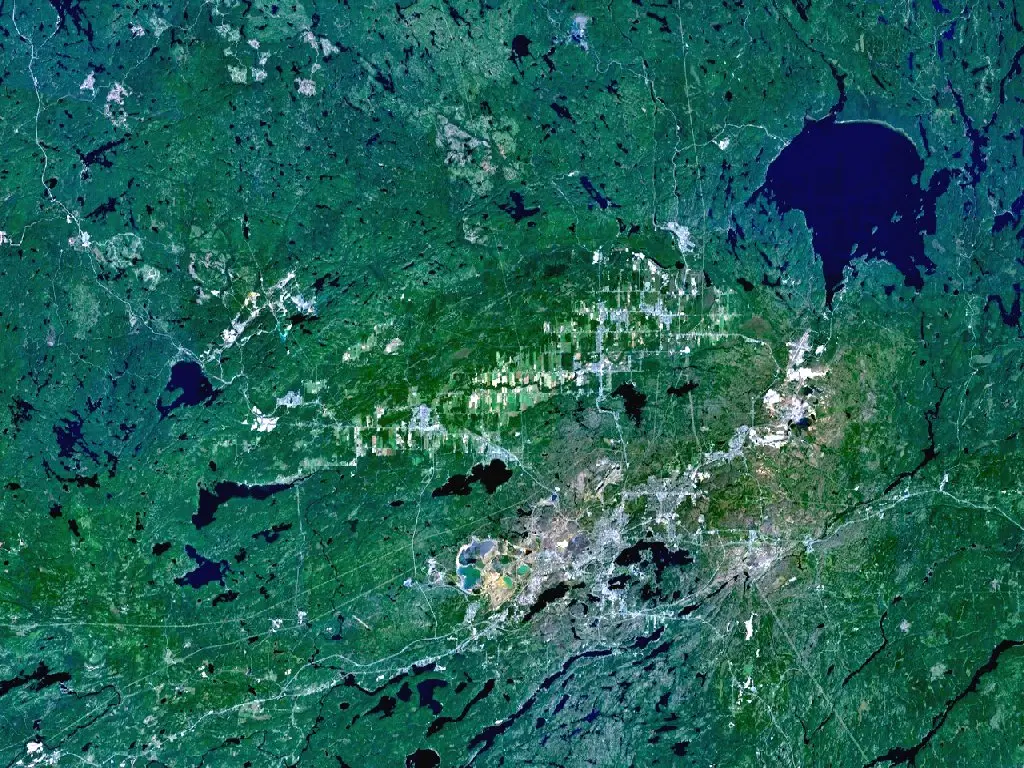
Canada - Sudbury Basin
Canada's Sudbury Basin is one of the oldest known asteroid impact craters, formed 1.85 billion years ago. It measures approximately 130 km across and is rich in minerals like nickel and copper. The impact shaped the region's geology and economy.
Russia - Popigai Crater
Found in northern Siberia, the Popigai Crater is about 100 km wide and about 35 million years old. The impact transformed carbon in the area into one of the world's largest natural diamond deposits, making it scientifically and economically significant.
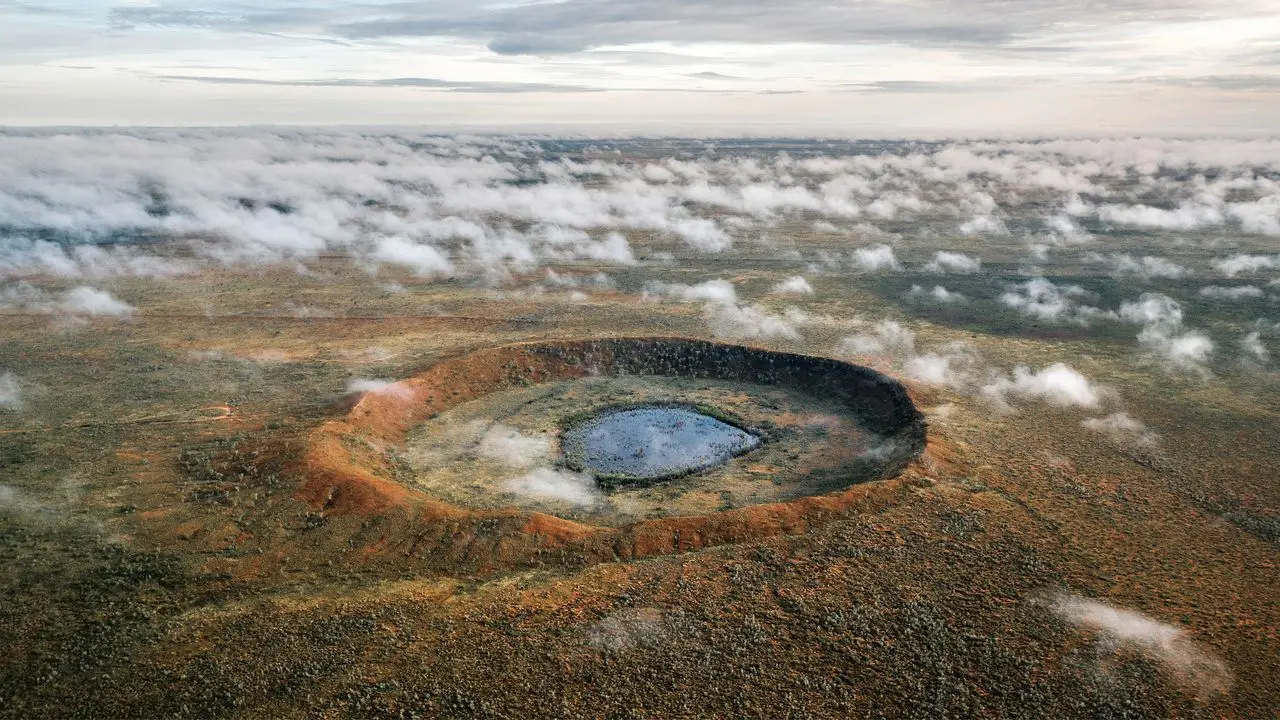
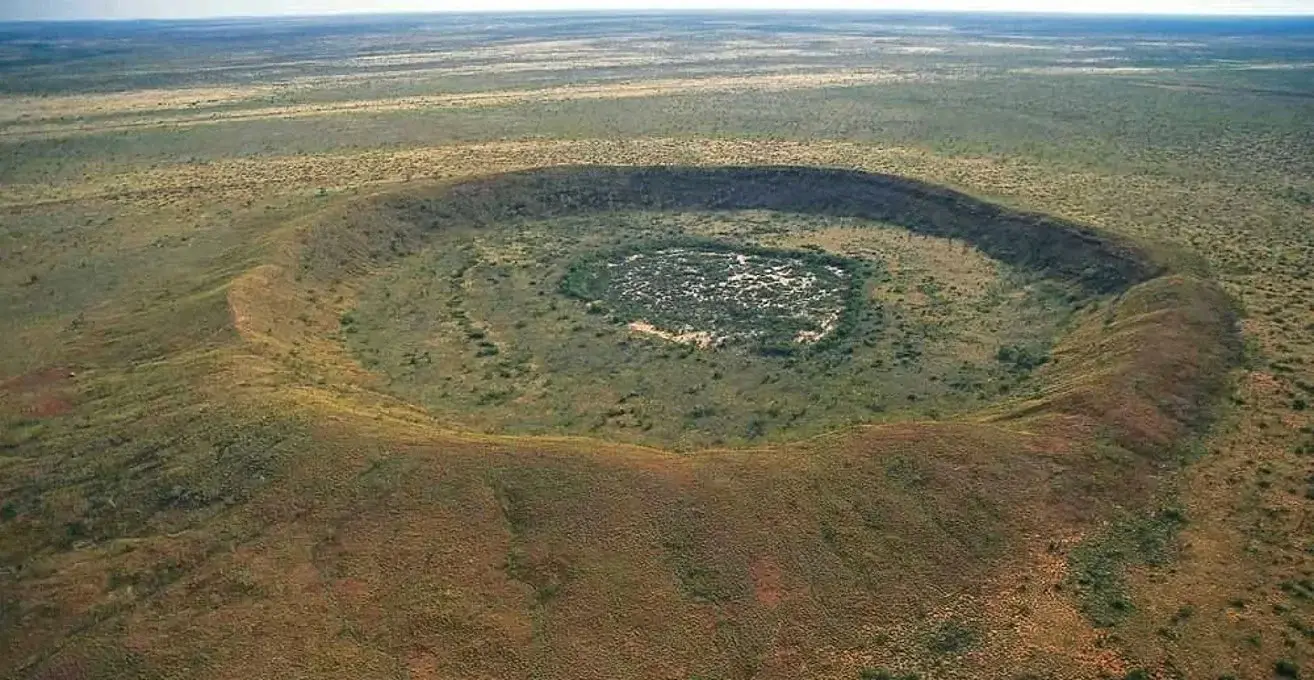
Australia - Wolfe Creek Crater
In Western Australia, Wolfe Creek Crater is one of the best-preserved craters, around 875 meters wide. Formed roughly 120,000 years ago, it remains a stunning geological feature and sacred site for the local Aboriginal people.
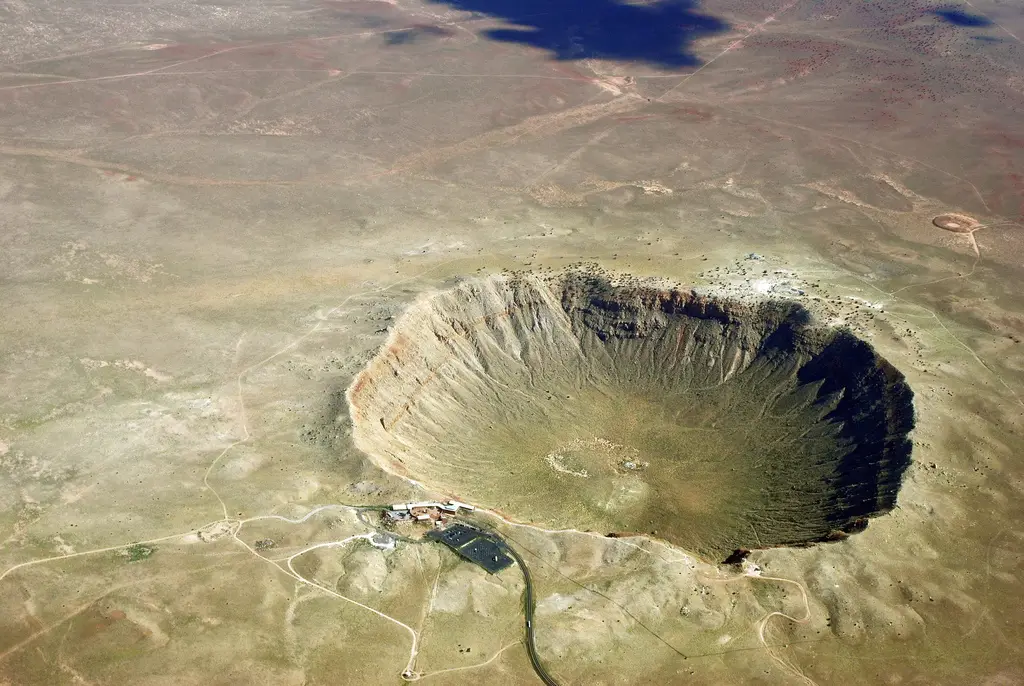
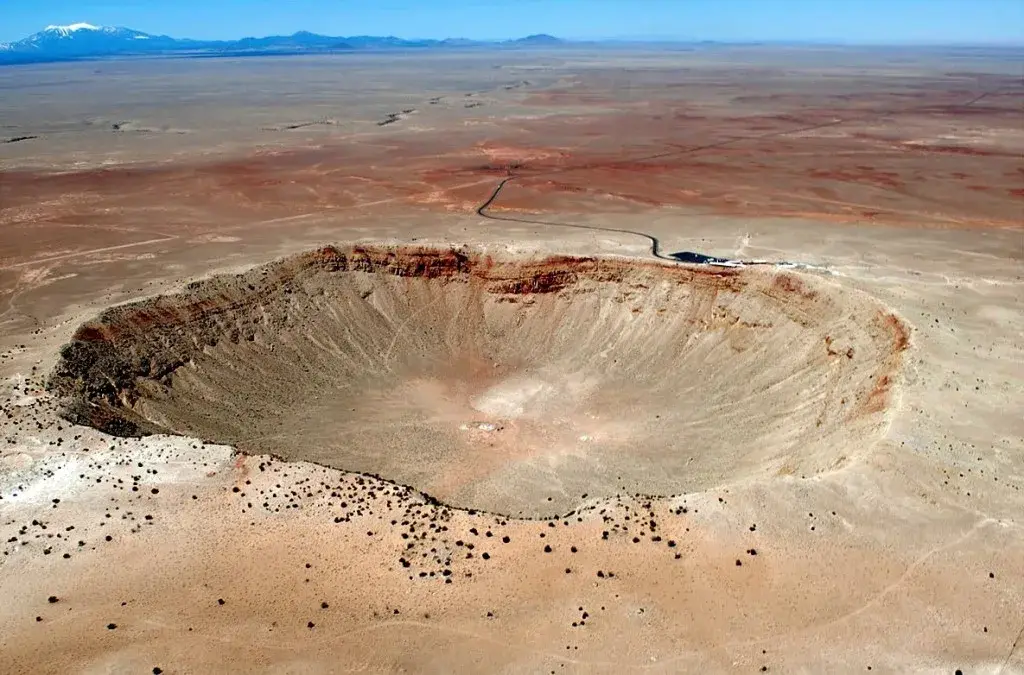
United States - Barringer Crater
Also known as Meteor Crater, this site in Arizona is around 1.2 kilometres wide and around 50,000 years old. It is one of the best examples of a well-preserved impact crater on Earth and an important location for scientific study.
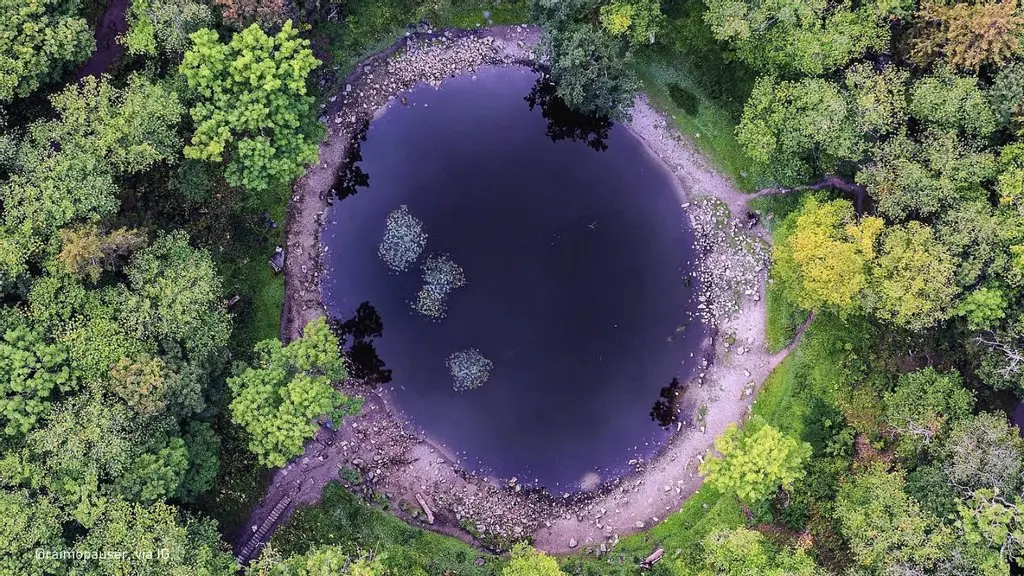
Estonia - Kaali Crater Field
On the island of Saaremaa, Estonia, the Kaali crater field has one main crater and eight smaller ones. With an age estimated between 2,400 and 8,400 years, it is one of the youngest impact sites on Earth and has cultural significance for the local people.
)
)
)
)
)