7 celestial events for stargazers in November - Meteor showers, planets and more

The November night sky will be full of stargazing opportunities, with meteor showers, planets and the moon putting up spectacular shows. Here are some celestial wonders you can see this month.
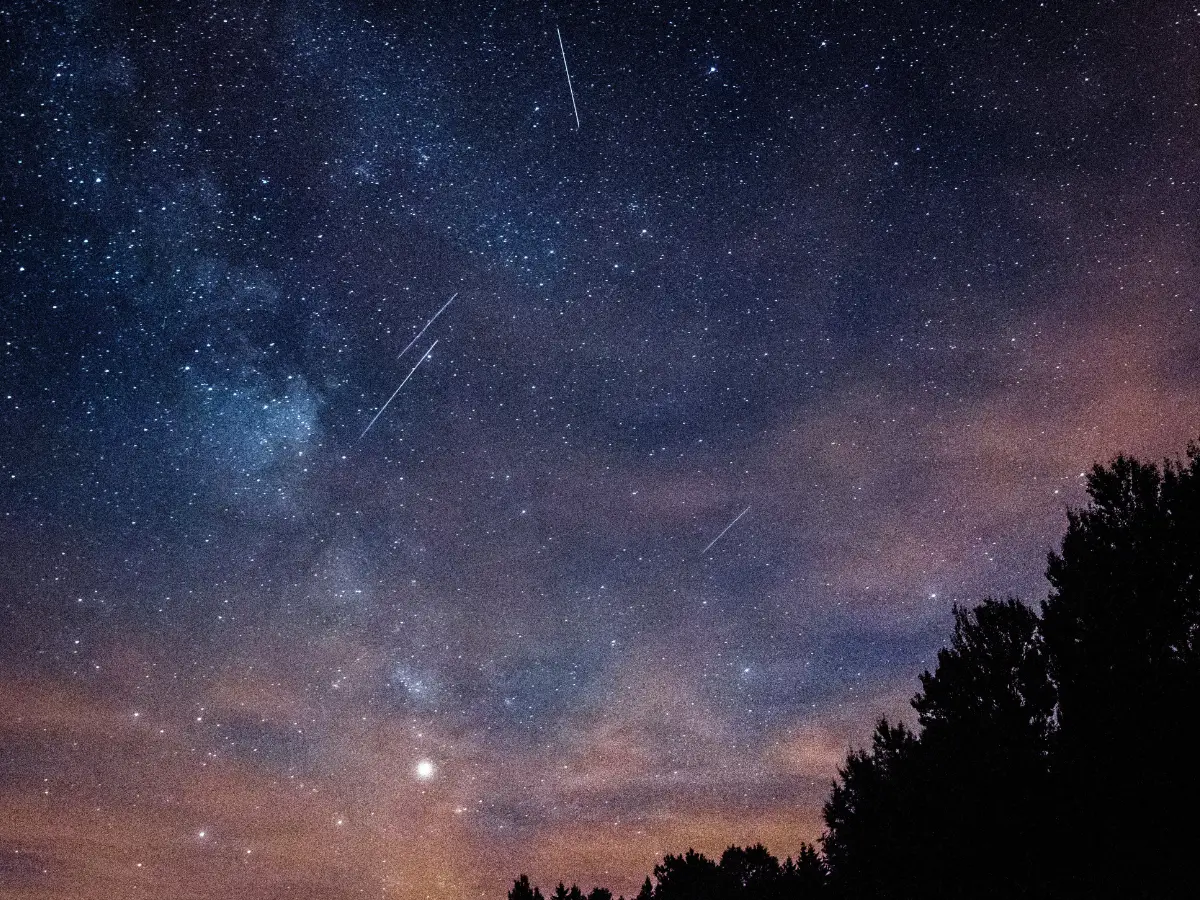
Skygazing opportunities in November
Skygazers have plenty of opportunities to whip out their binoculars and telescopes in November. There are some beautiful occurrences taking place in the skies. Here are some you do not want to miss.
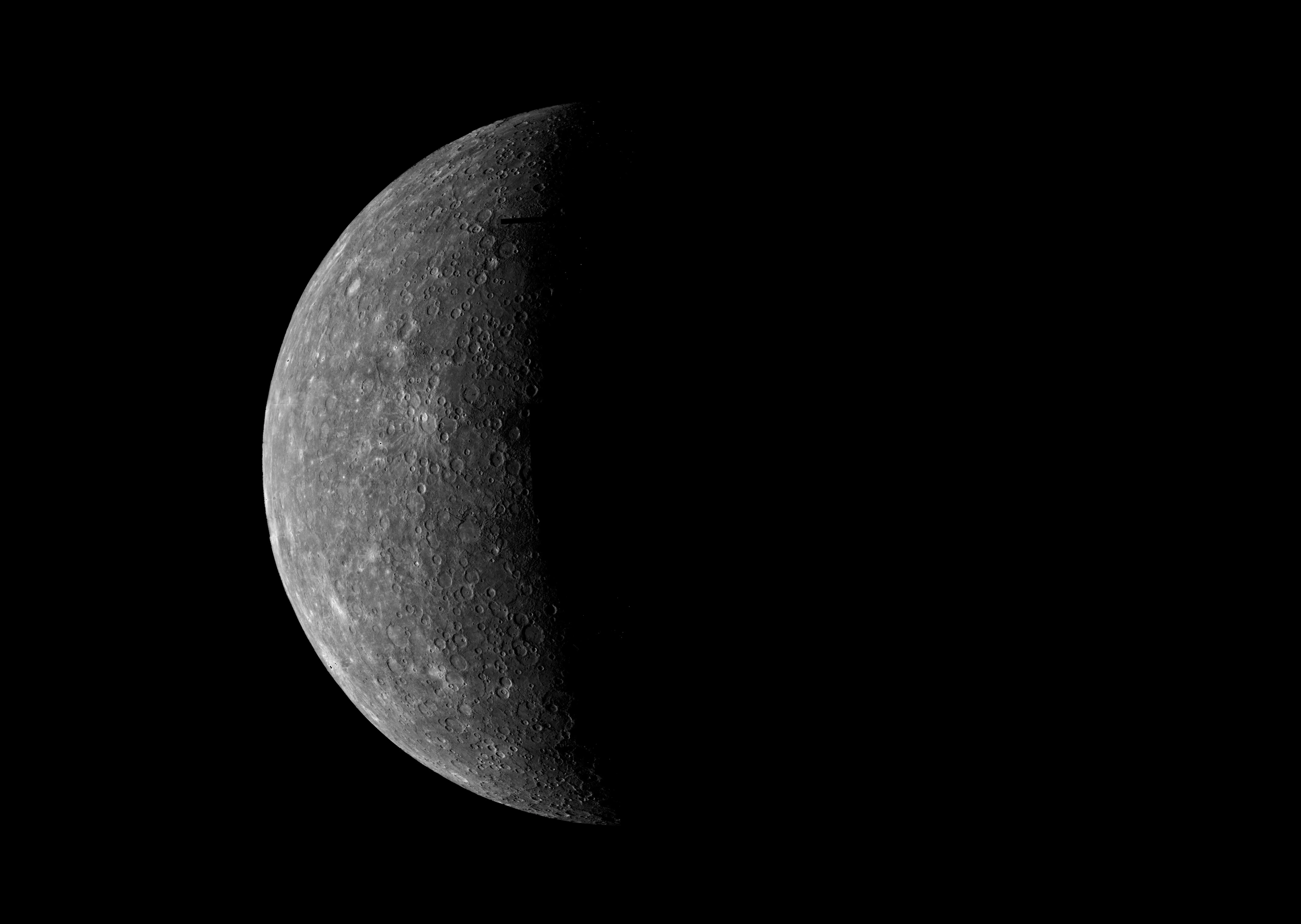
Mercury reaches highest altitude
Mercury is hard to spot because of its proximity to the Sun. But in the initial days of November, it will climb to its highest point in the night sky. After sunset, you can even view it with the naked eye.
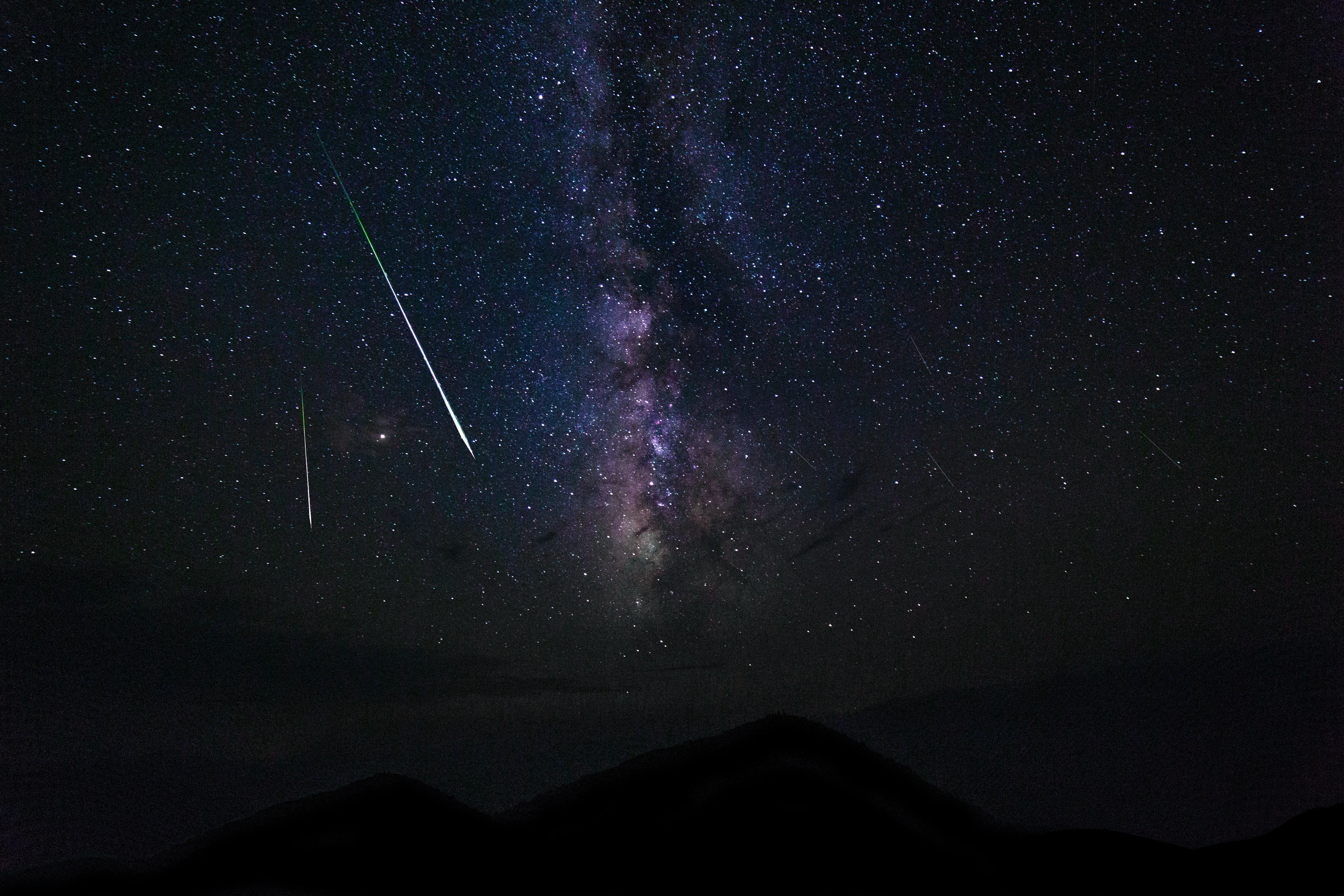
Southern Taurid Meteor Shower
The Southern Taurid Meteor Shower will peak once again this month. Typically, the Taurids do not produce a lot of meteors, with 5-6 visible every hour. But this year, exceptionally bright meteors can be seen during the peak on Nov 4-5.
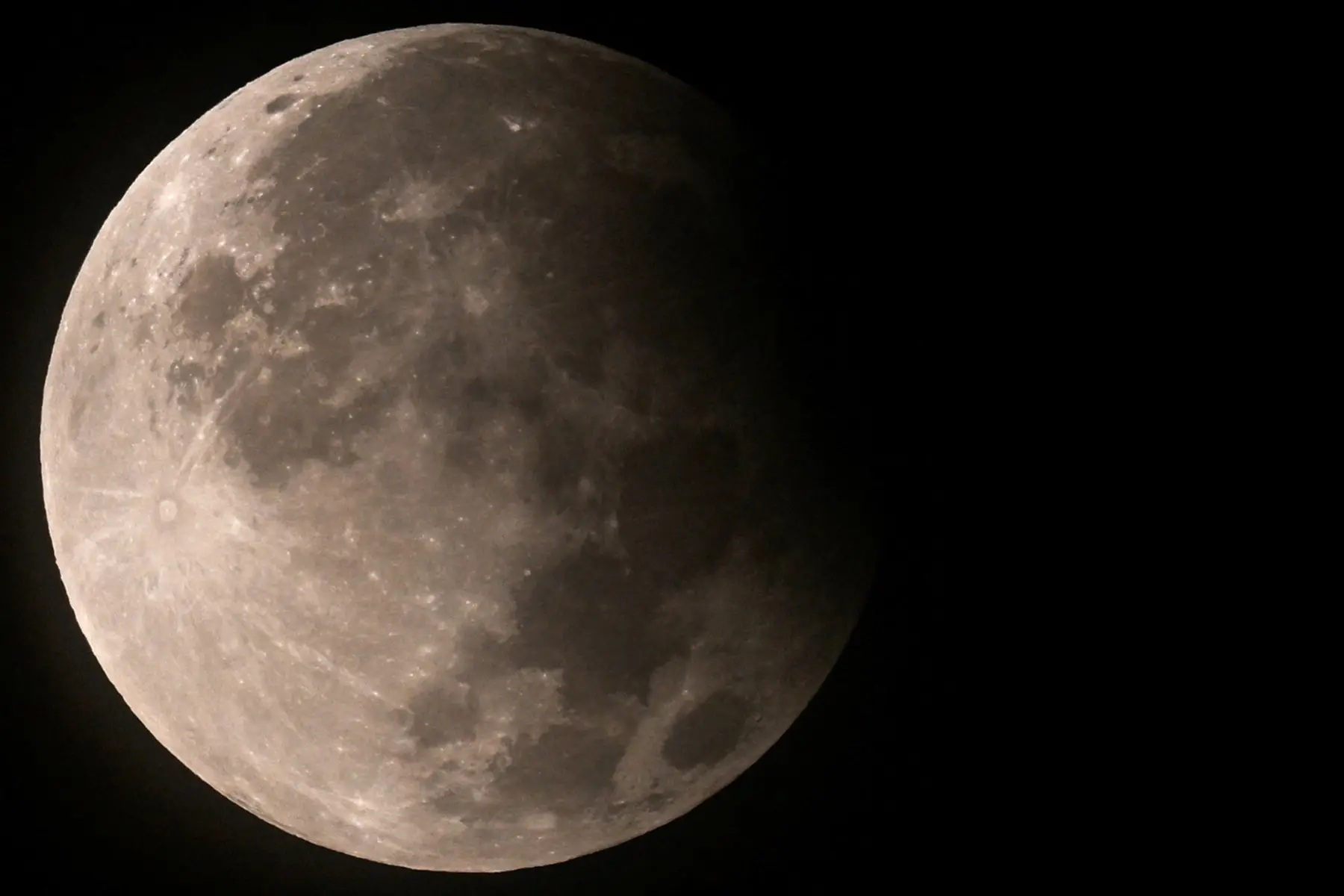
Beaver supermoon
November's full moon will be the second supermoon in a series of three consecutive supermoons this year, followed by one in January. It will reach perigee at 8:20 am EST (6:50 pm IST) on Wednesday, November 5 and will be at its brightest nine hours later.
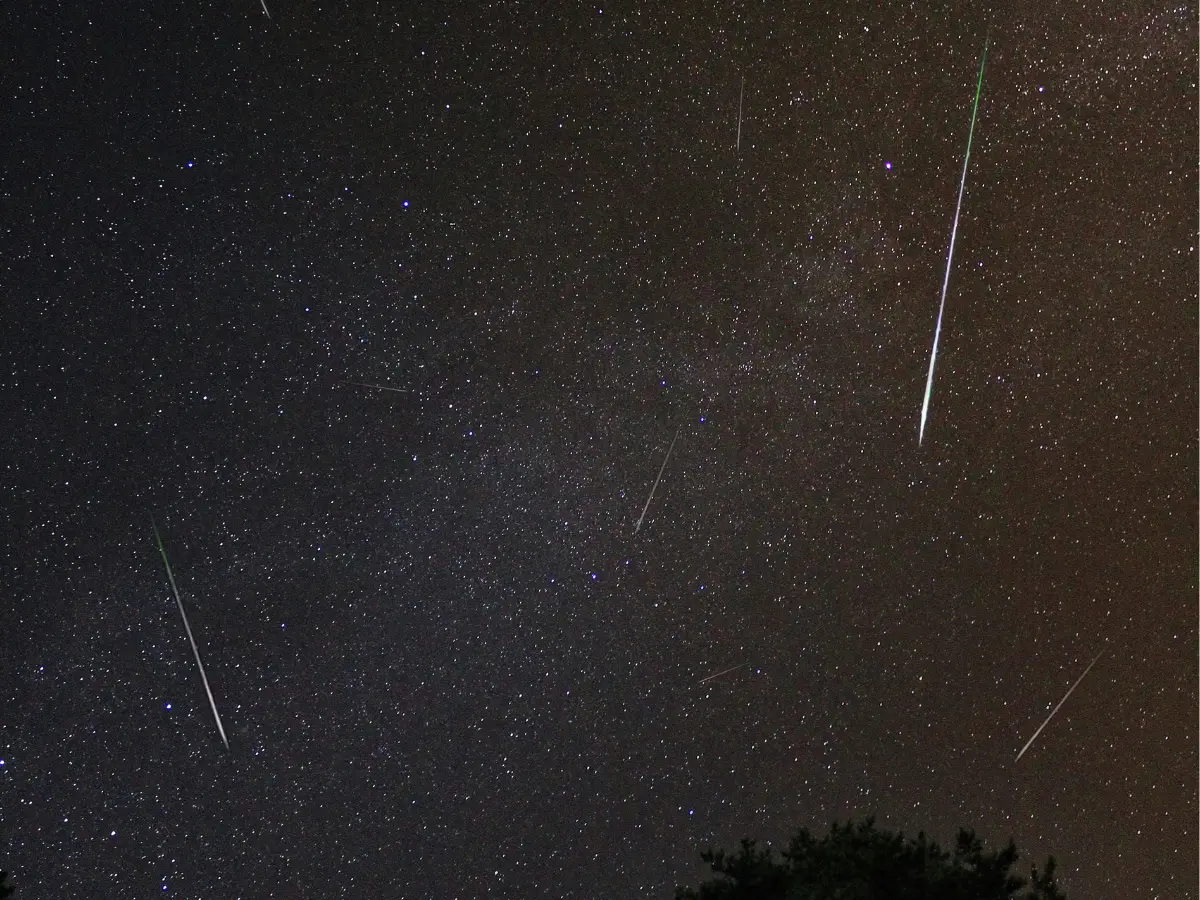
Northern Taurid meteor shower
There is a second meteor shower in November, the Northern Taurids. They will peak on the night of November 11, according to the American Meteorological Society. Only about five shooting stars are likely to be seen every hour.
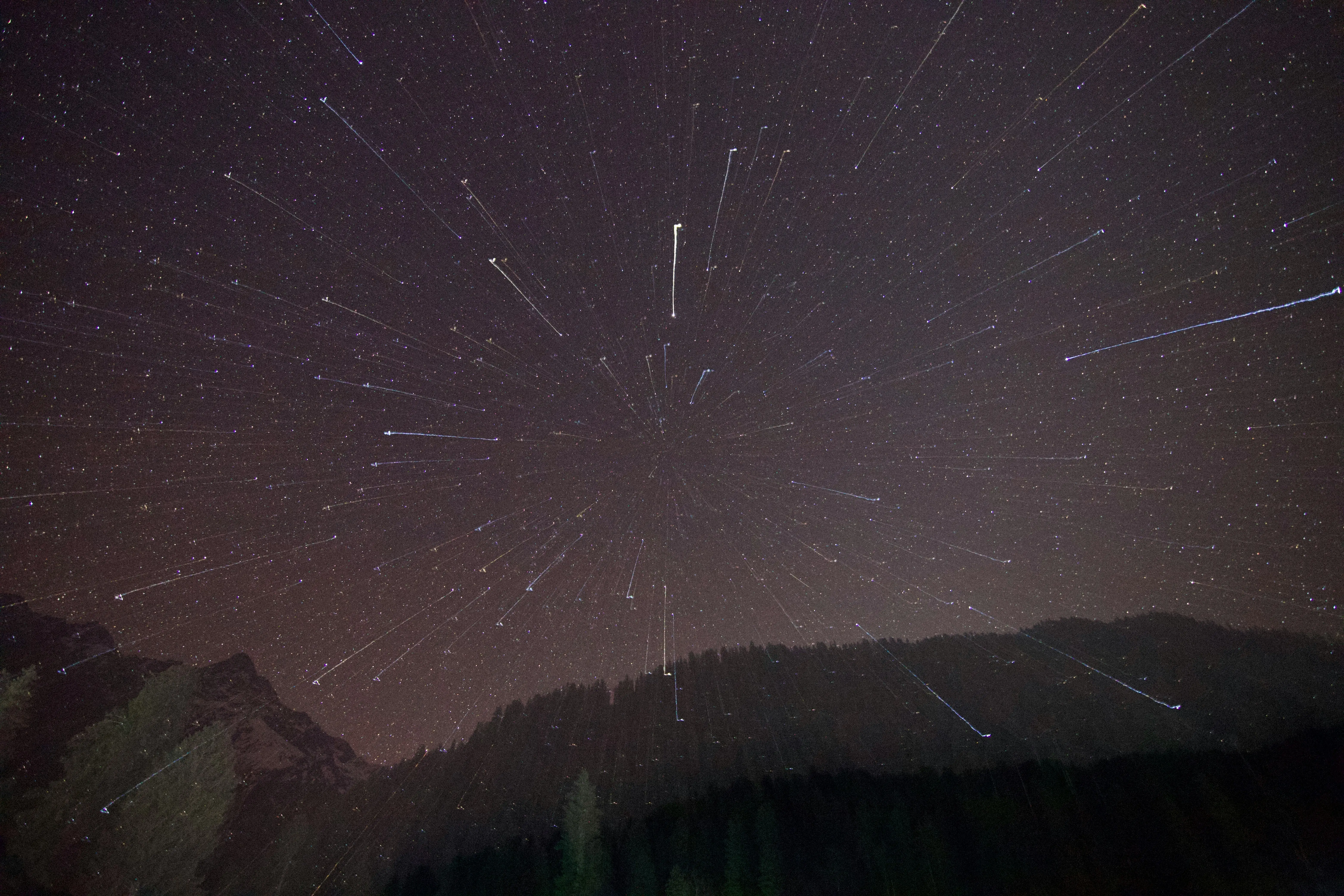
Leonid Meteor Shower
A third meteor shower will be visible in November. The Leonid Meteor Shower is likely to peak overnight from November 17 to 18. It is created by the debris trail of Comet Tempel-Tuttle. The conditions will be dark to make the shooting stars clearly visible.
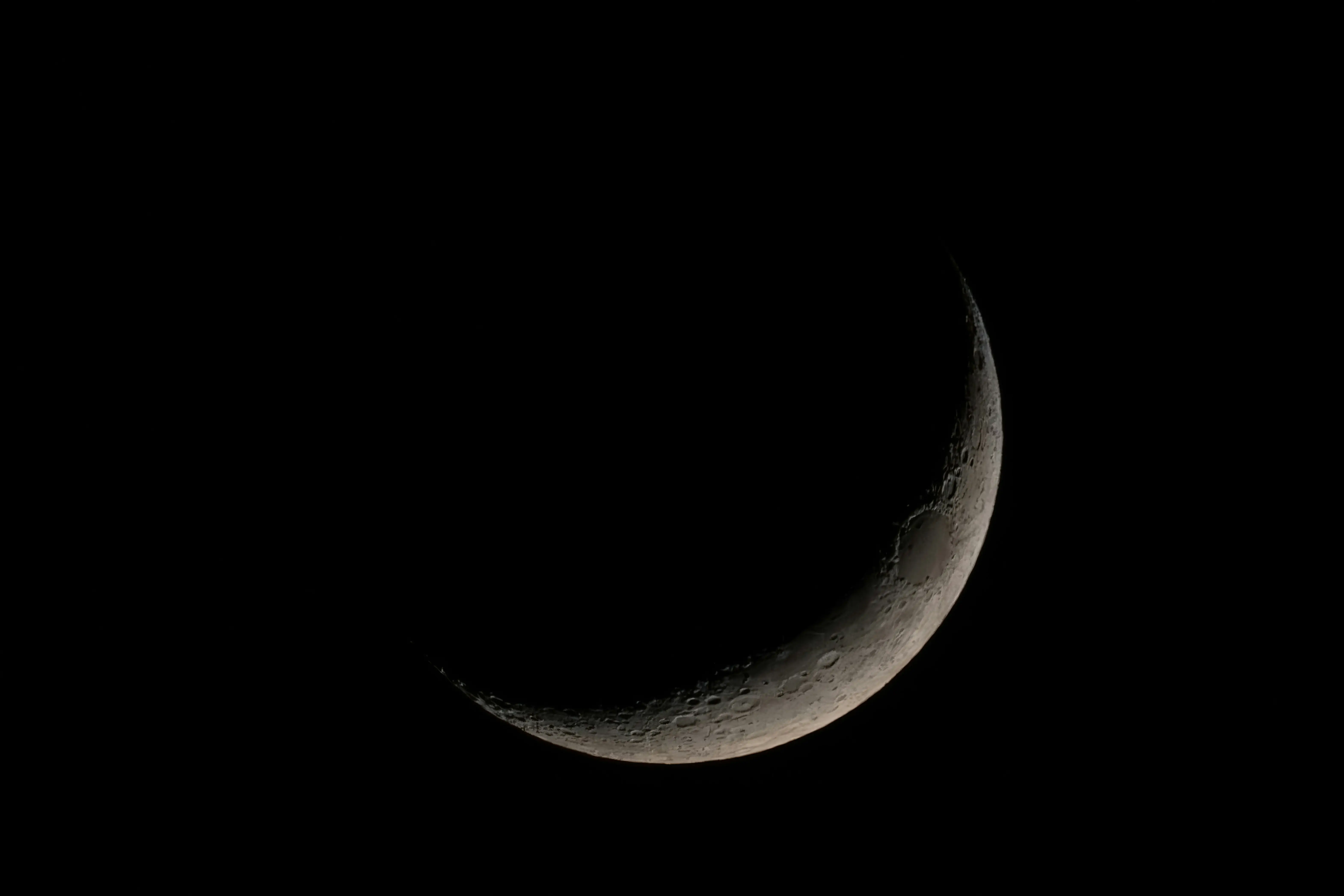
New moon at apogee
The new moon will rise on November 20. It will be on apogee, the farthest point in the moon’s orbit from Earth. Its distance lends it the name “micro” new moon. However, new moons aren't visible at all, with only the far side illuminated.
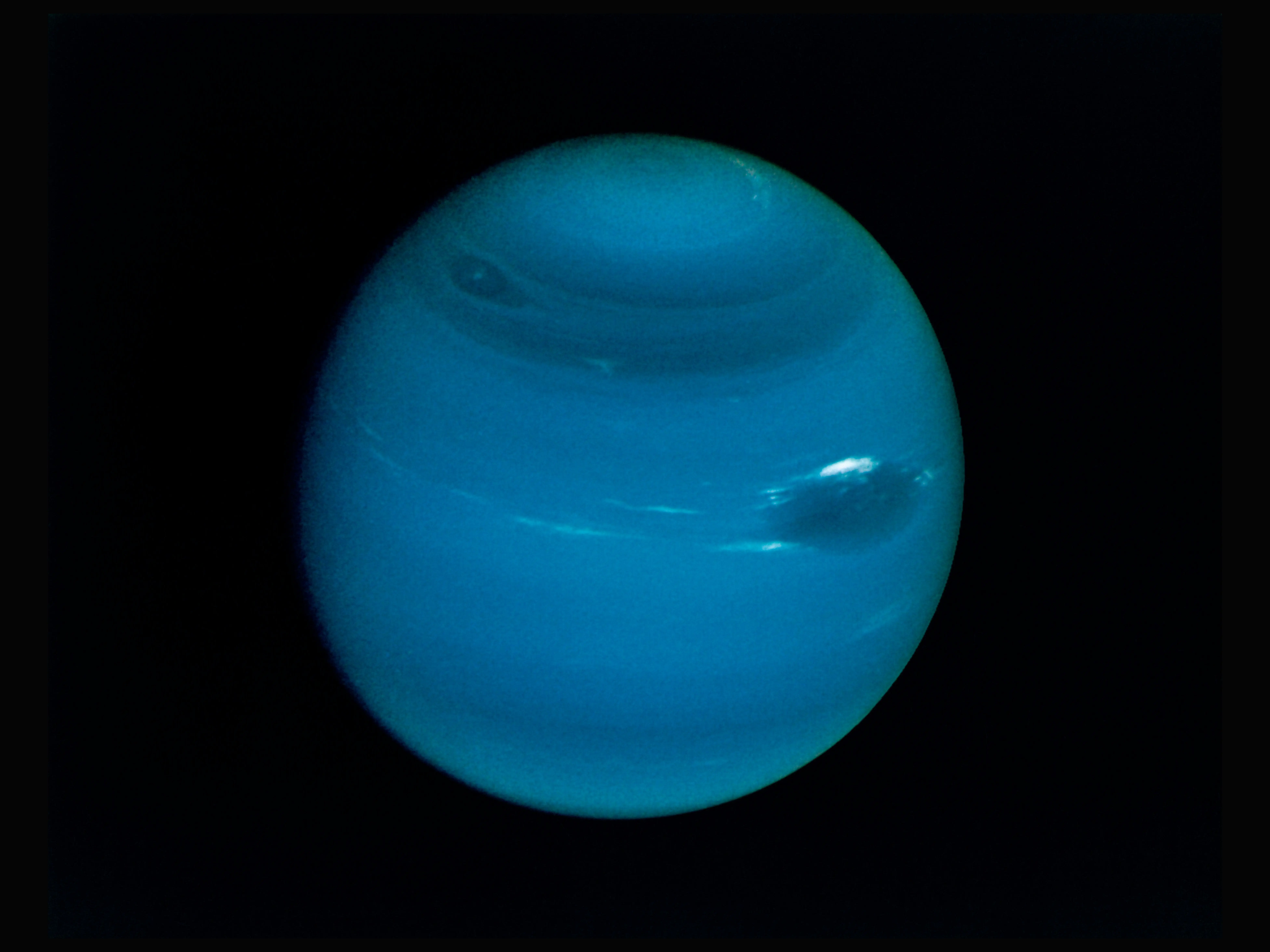
Uranus at opposition
You will also have a chance to see Uranus, which reaches opposition on November 21. Positioned directly opposite the sun, the planet will shine brightly. If you have a telescope, watch for a blue-green disk.
)
)
)
)
)