6 secrets about the first planet found by telescope that scientists still don’t understand.

Uranus is a cold, blue-green ice giant and the first planet found with a telescope. It spins sideways, has faint rings, 28 moons, fast winds, and a magnetic field. Its unique features make it one of the most unusual planets in our solar system.
Uranus: The Sideways Planet
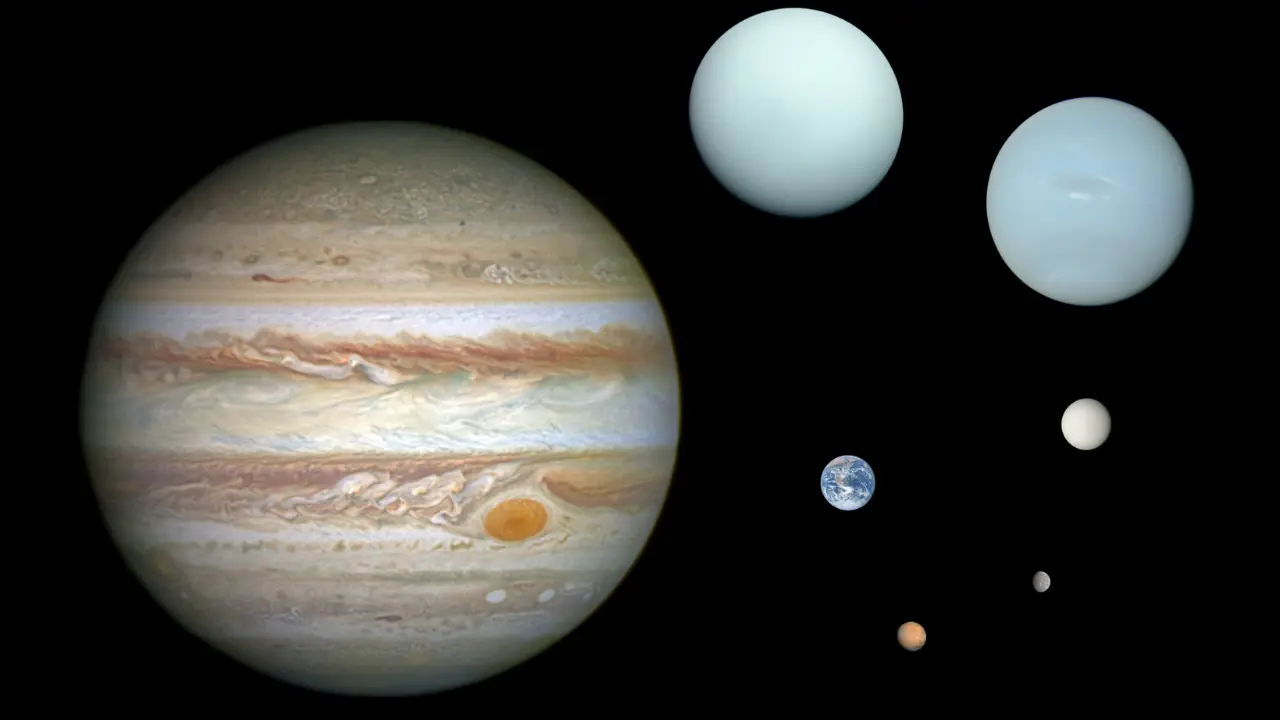
Uranus is the seventh planet from the Sun. It is known for spinning on its side and has the third largest diameter in our solar system. Uranus is a cold, windy world with faint rings and many moons.
Discovery and Name
Uranus was discovered in 1781 by William Herschel. It was the first planet found with a telescope. German astronomer Johann Bode suggested “Uranus,” after the ancient Greek god of the sky, to match the tradition of naming planets after gods. This name was later accepted by the international astronomy community.
Size and Distance
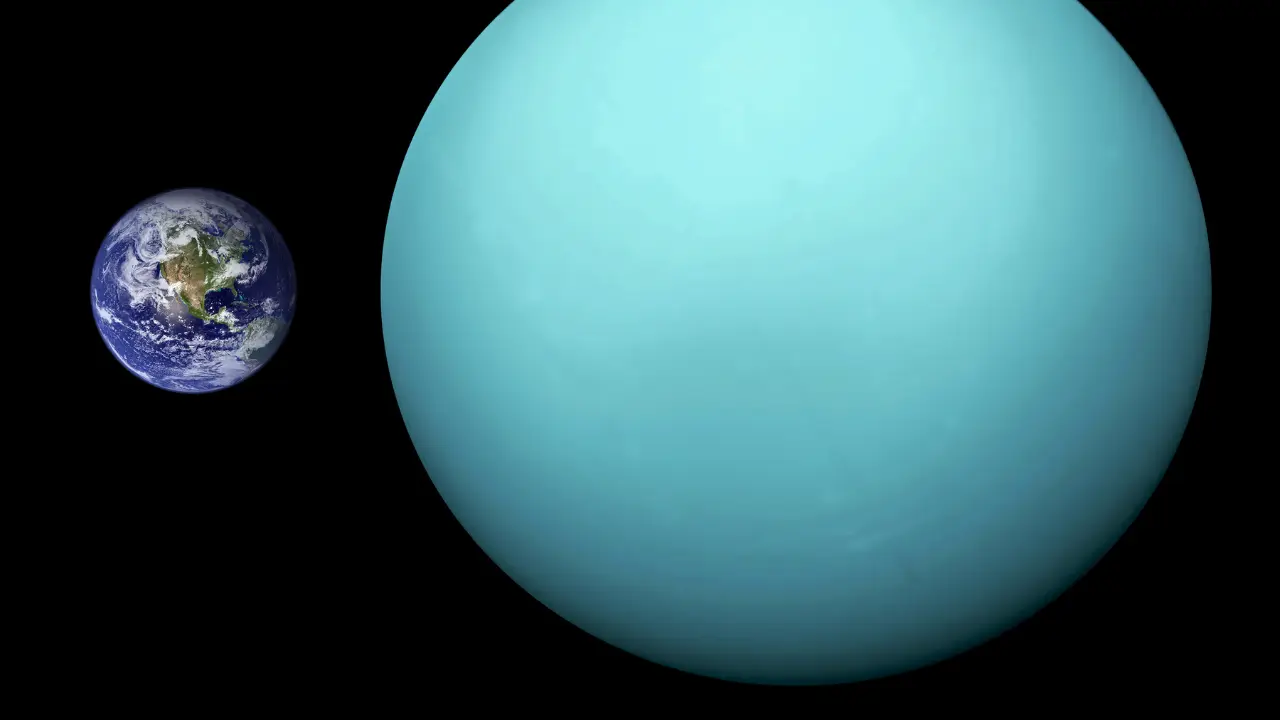
Uranus is four times wider than Earth. Its diameter is about 51,000 kilometres. It is about 2.9 billion kilometres from the Sun. Sunlight takes over two hours to reach Uranus.
Orbit and Rotation
Uranus spins at a tilt of 98 degrees, making it look like it rolls around the Sun. One day on Uranus lasts 17 hours, and a year is 84 Earth years. Its tilt causes long seasons, with each pole facing the Sun for 21 years.
Moons and Rings
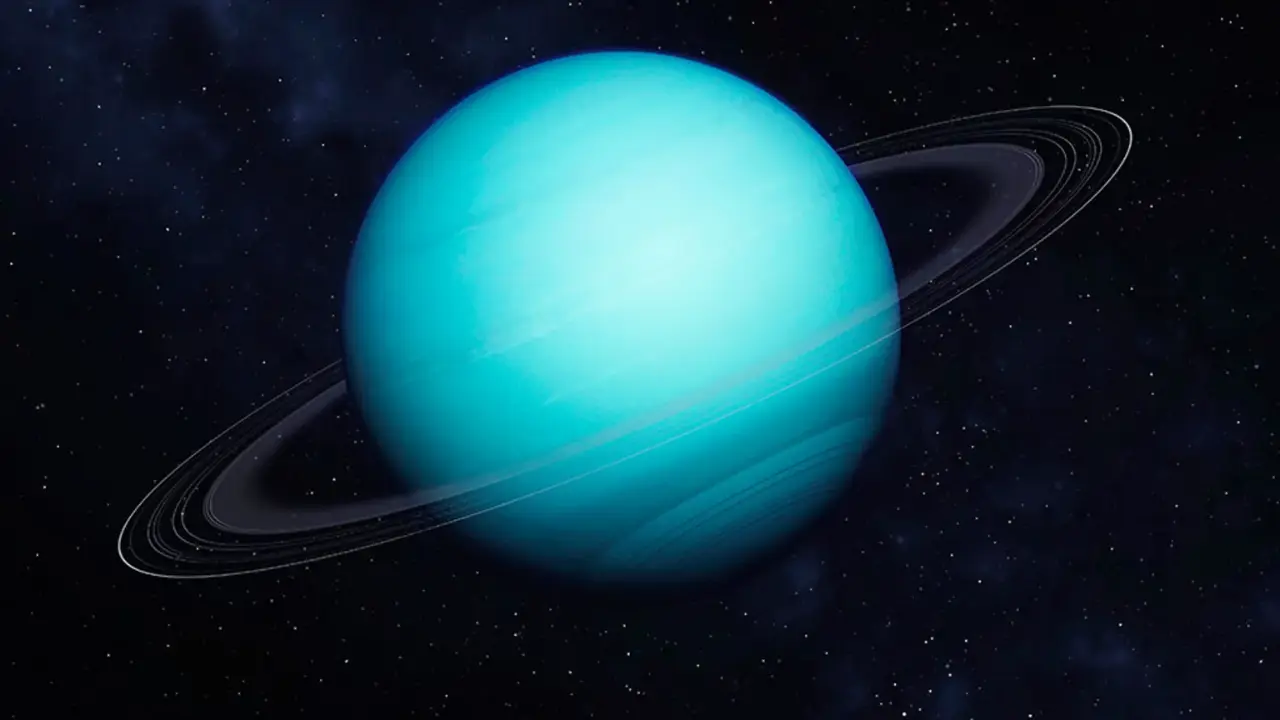
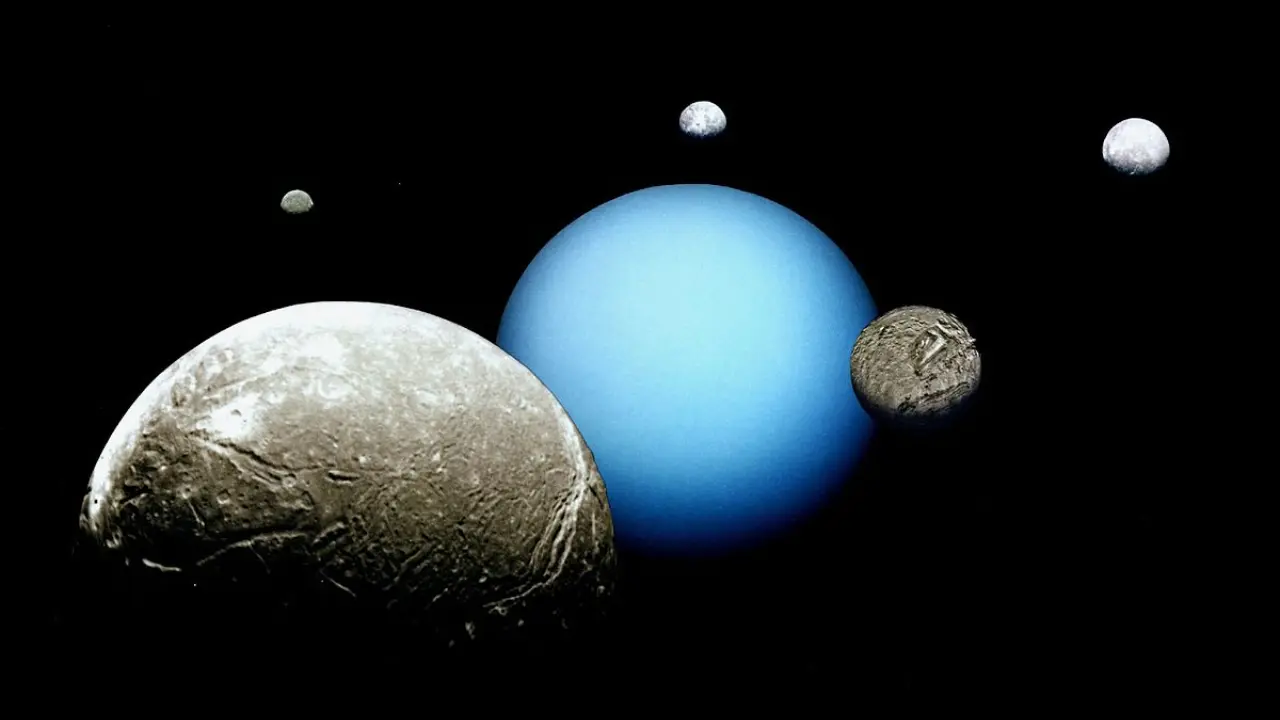
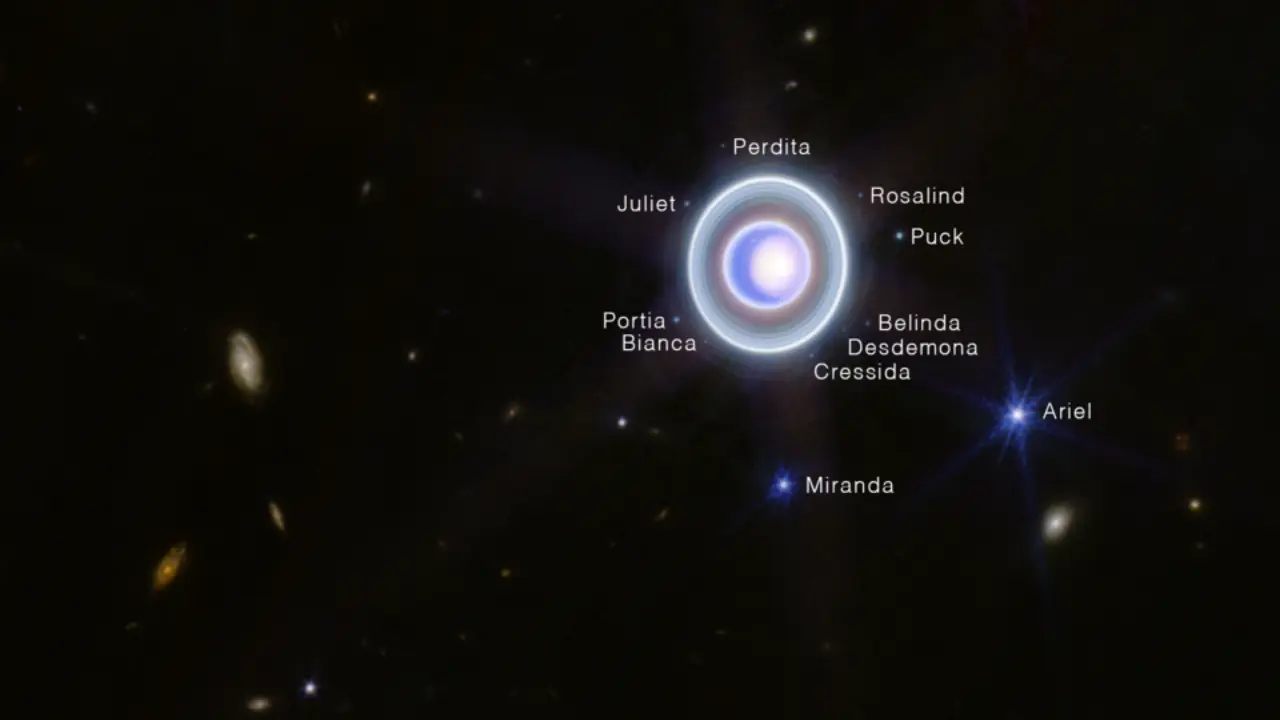
Uranus has 28 known moons, named after characters from Shakespeare and Pope. The planet is surrounded by 13 faint rings. The rings are dark and narrow, with some made of dust and others of ice.
Atmosphere and Weather
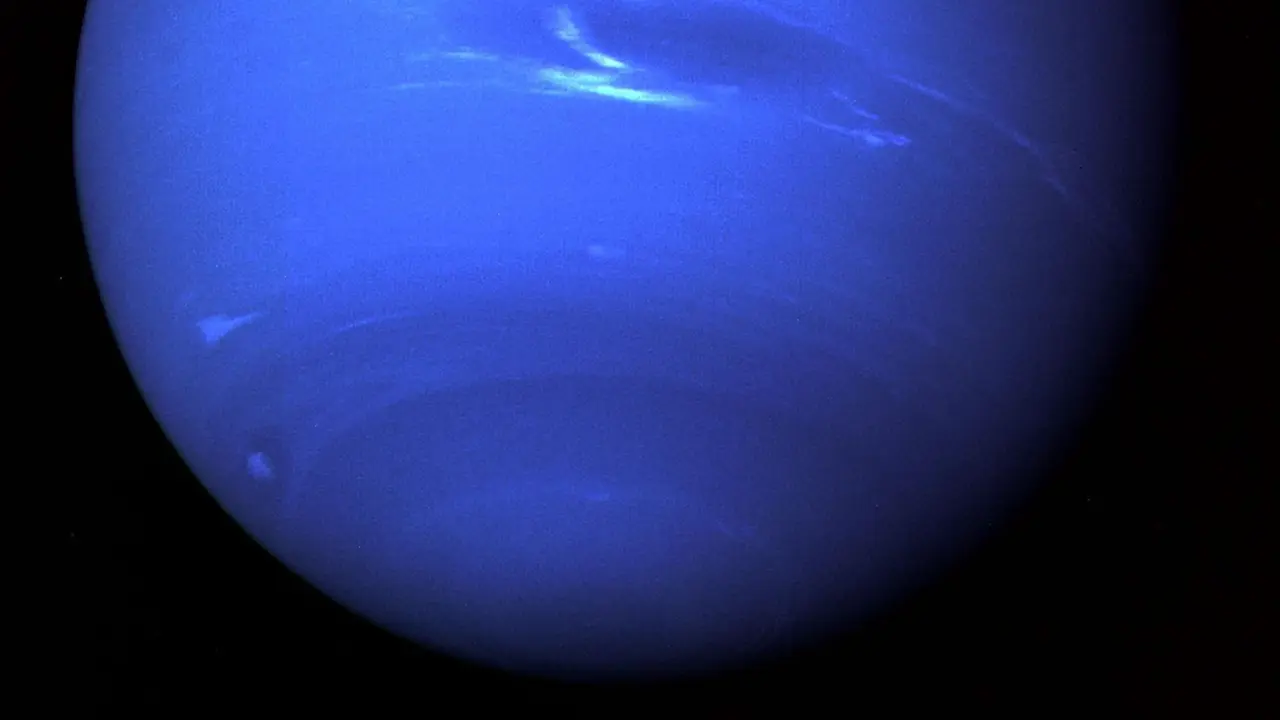
The atmosphere is mostly hydrogen, helium, and methane. Methane gives Uranus its blue-green colour. Winds can reach up to 900 kilometres per hour. Uranus is one of the coldest planets, with temperatures as low as -224°C.
Structure and Magnetosphere
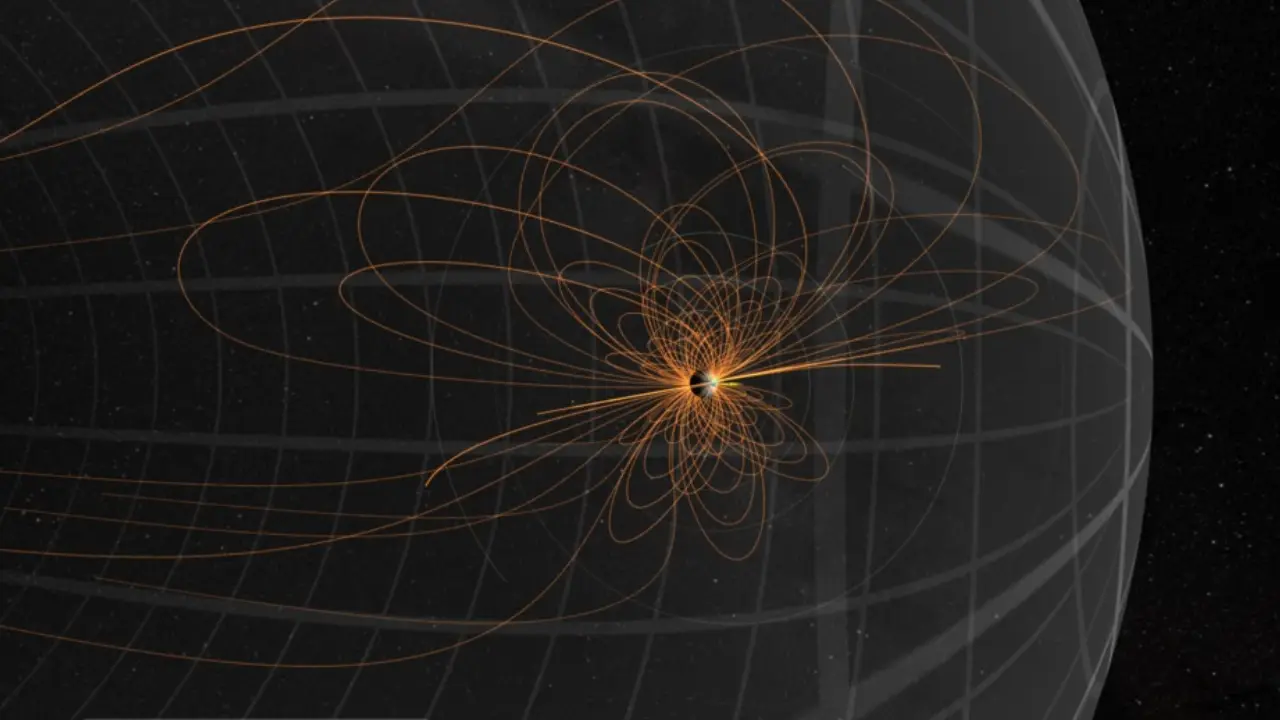
Uranus is an ice giant with a small rocky core and a thick layer of water, methane, and ammonia. Its magnetic field is tilted and off-centre, making its auroras and magnetosphere unique in the solar system.
)
)
)
)
)