6 nations with no army and how they still stay safe

Several countries survive and thrive without an army relying on police, treaties, and peace-focused policies. Discover how countries like Costa Rica, Iceland, and Panama stay secure without a standing military force. The reason might surprise you.
What Does No Army Mean?
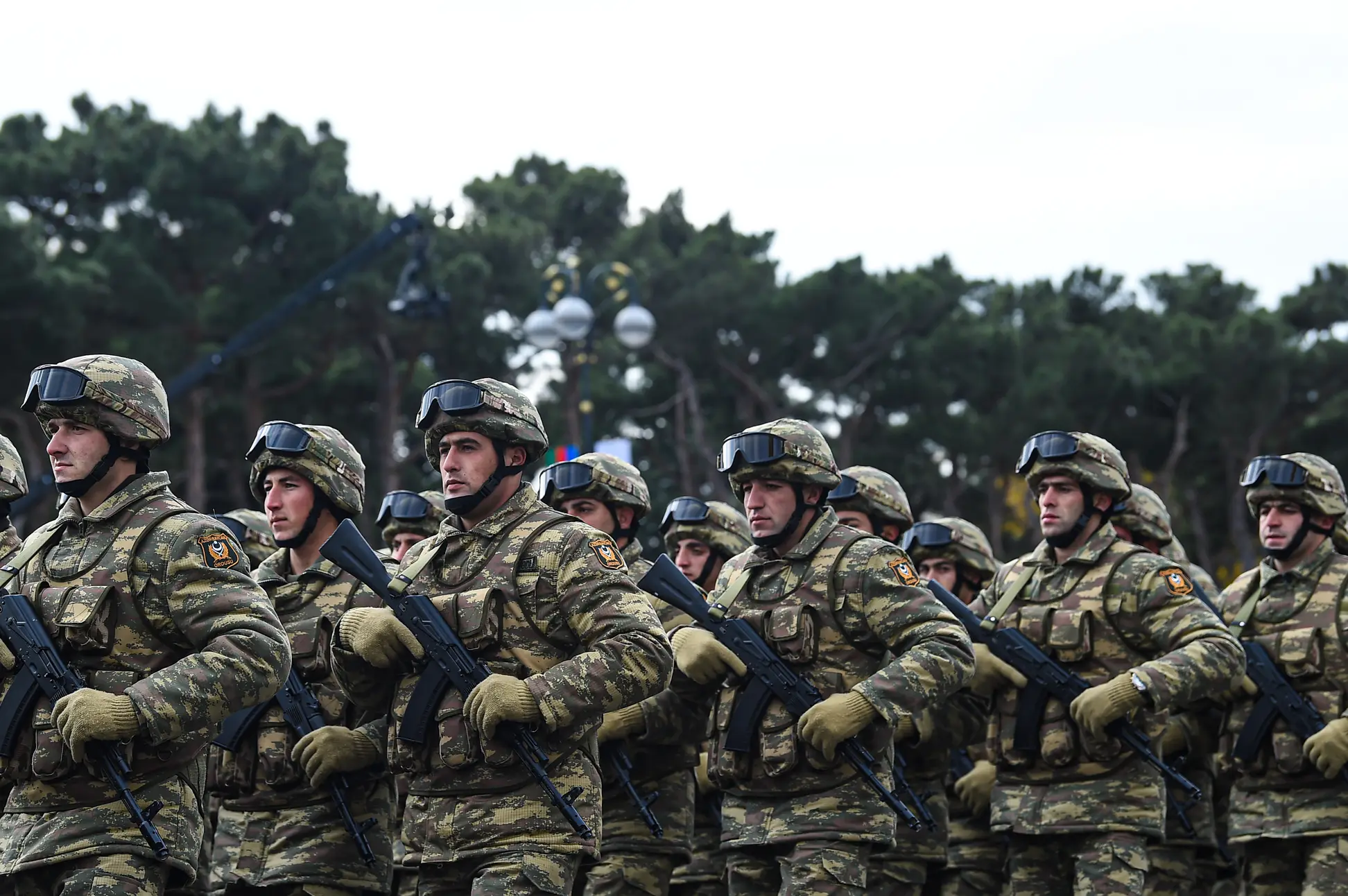
Some countries opt not to have a standing army. Instead, they rely on other ways like police, coast guards, or international defence agreements. This choice saves money and focuses on peace and development.
Costa Rica
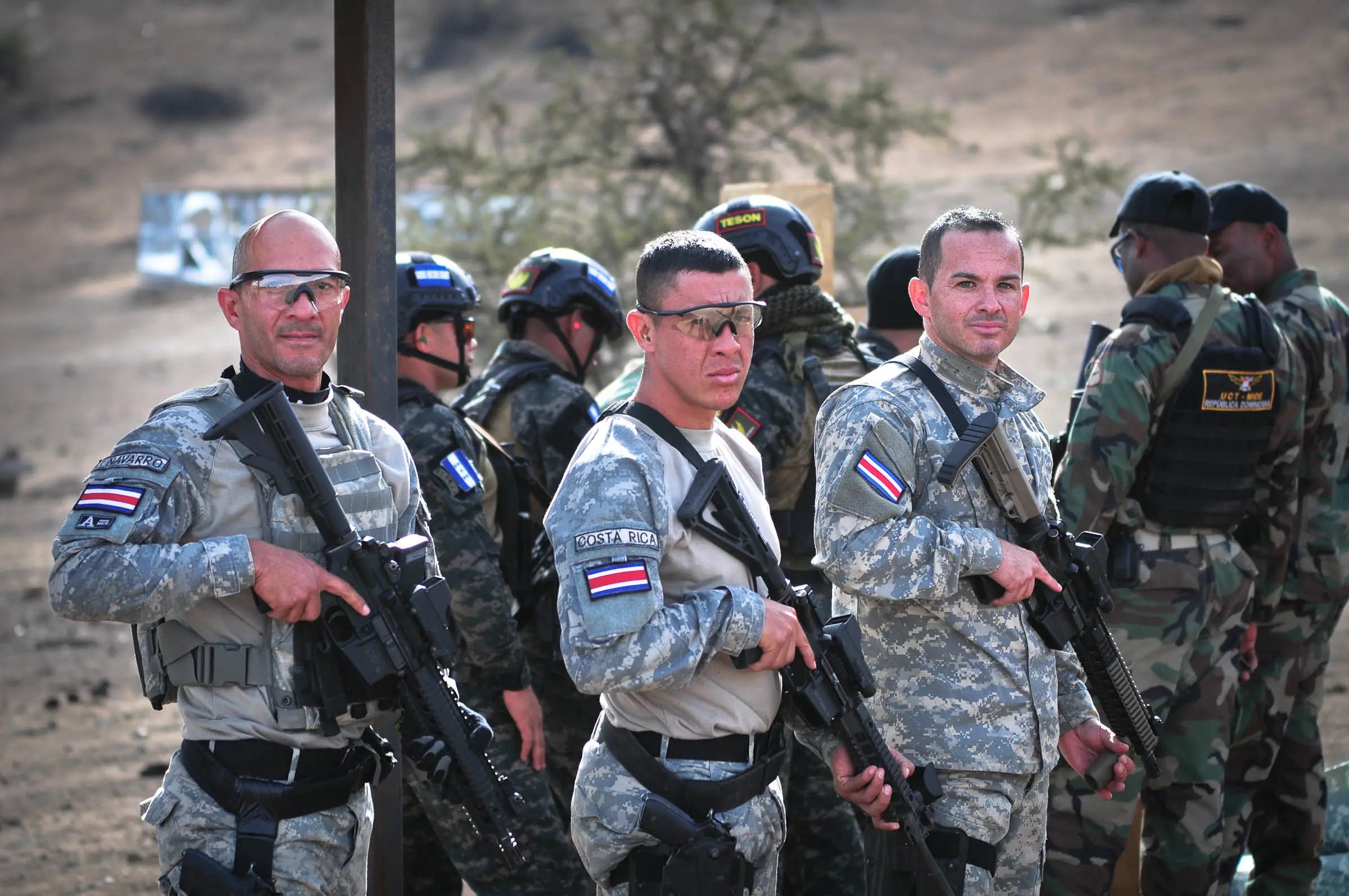
Costa Rica abolished its army in 1949 after a civil war. It uses a strong national police force to maintain internal order. The money saved goes to health, education, and social programmes. It’s seen as a symbol of peace.
Iceland army troops
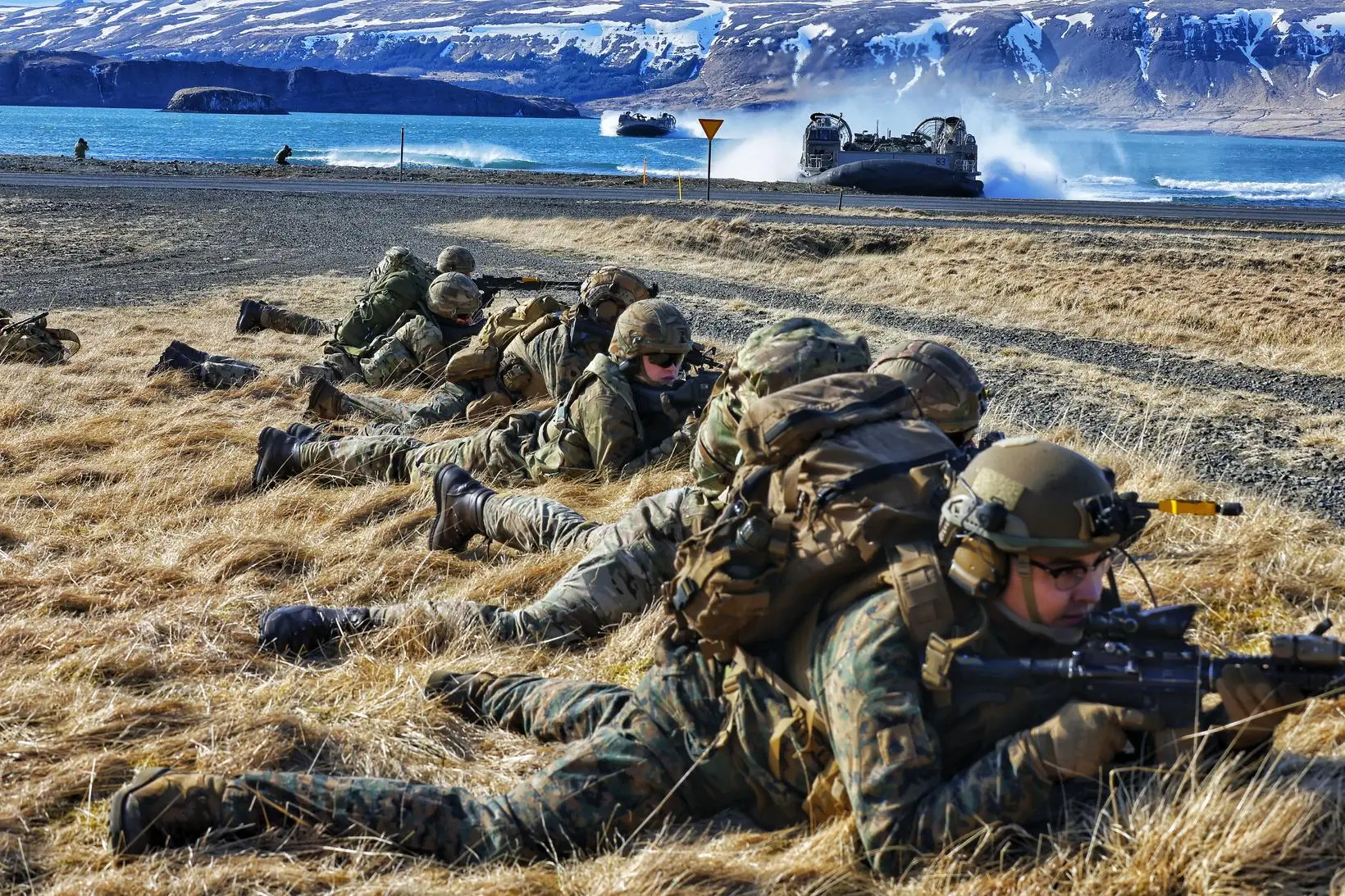
Iceland has no army but is part of NATO. Its defence depends on allied nations, especially the United States. It maintains a coast guard and police force to keep order inside the country.
Panama
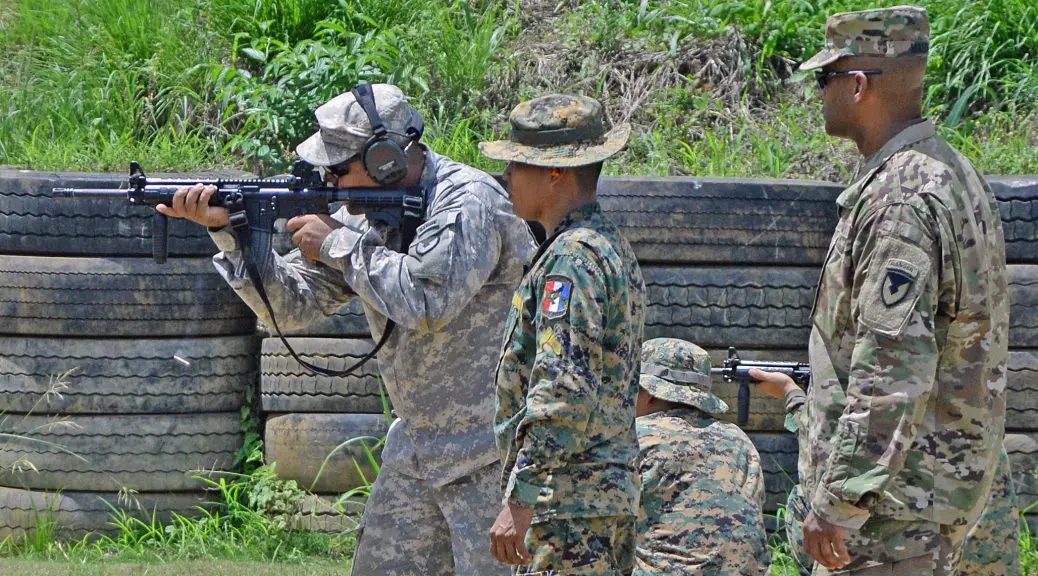
After a US invasion in 1989, Panama ended its military. It now relies on police and border patrols for safety. The country focuses on public security rather than conventional military defence.
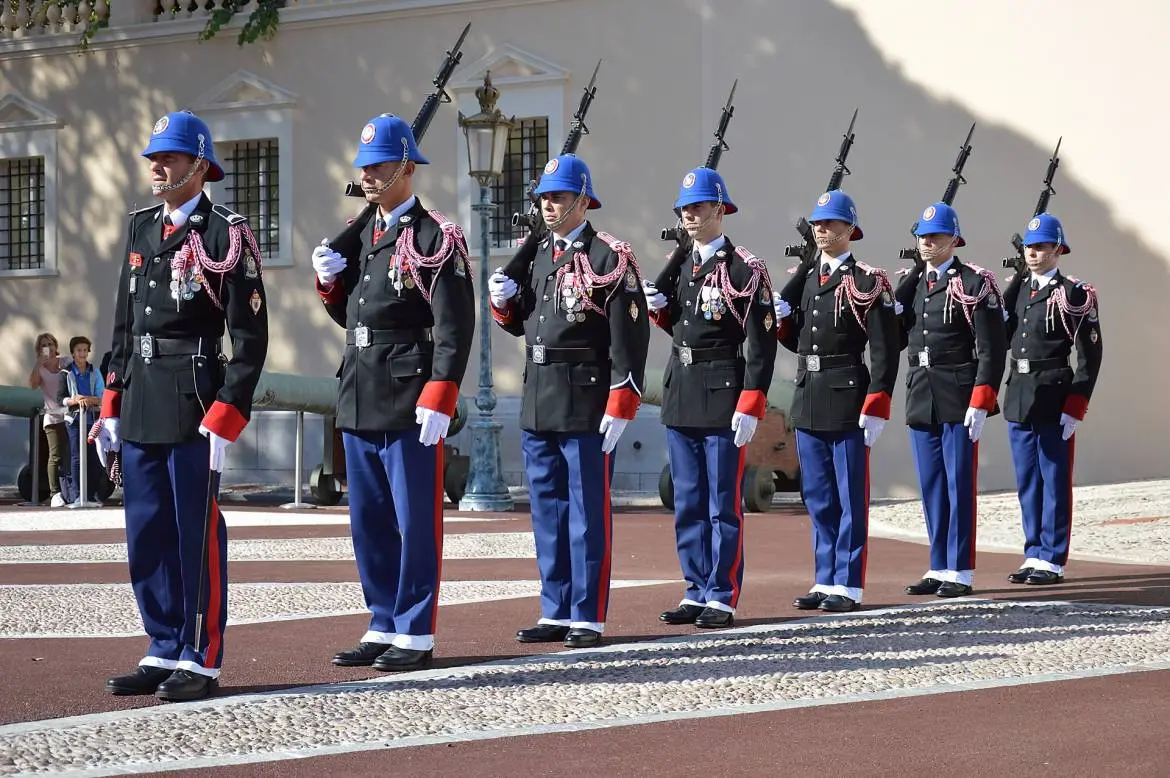
Monaco and Vatican City
Monaco relies on France for defence but has its own police. Vatican City uses the Swiss Guard for internal security and depends on Italy for broader defence. Both countries keep security without a traditional army.
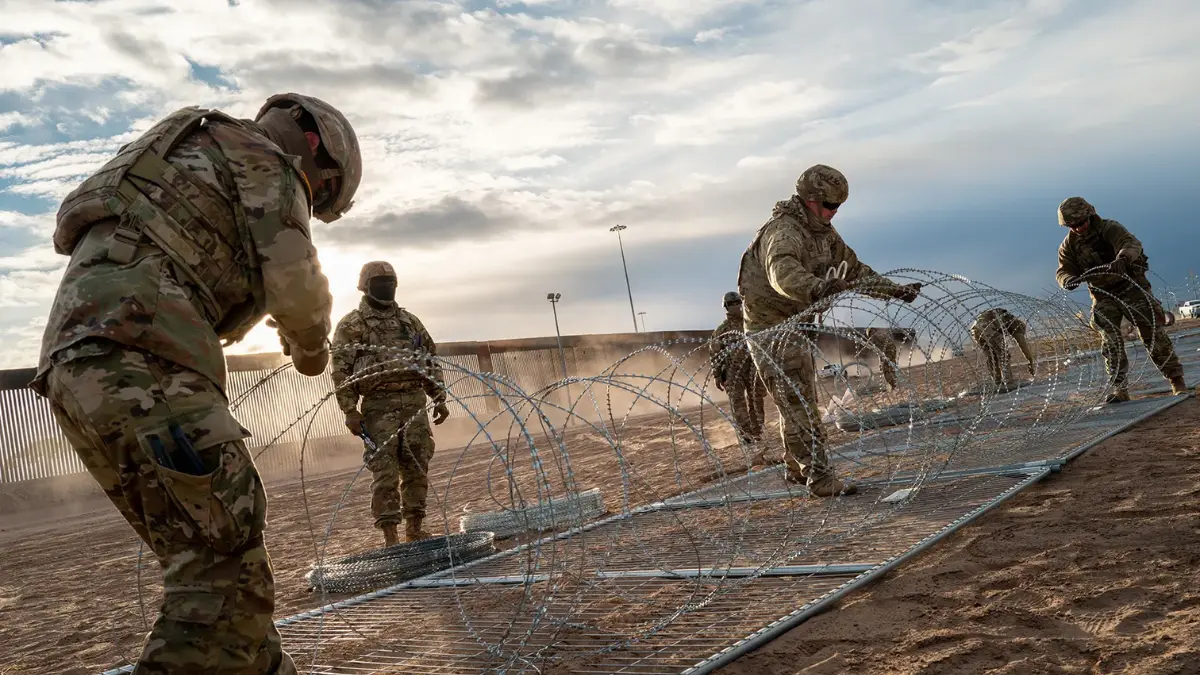
How These Nations Stay Safe
Most depend on regional or international treaties for protection. Police and paramilitary forces look after daily security. Their choices show that armies are not always needed to maintain peace and safety.
)
)
)
)
)