6 fighter jets that can guide drones mid-air during missions

Six advanced fighter jets, including the F-35, F-22, and Typhoon, are now guiding drones mid-air in real missions. These aircraft can control AI-enabled loyal wingmen for combat, surveillance, and support. Explore how this teamwork is redefining modern warfare. Know more below.
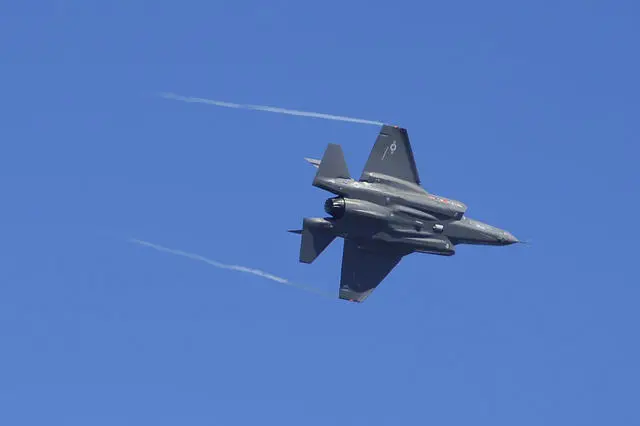
1. F-35 Lightning II - The Drone Commander
The F-35 has successfully guided drones mid-air using artificial intelligence during test flights. According to Lockheed Martin’s 2025 update, the jet controlled unmanned “loyal wingmen” as part of the U.S. Air Force’s Collaborative Combat Aircraft (CCA) program. These drones can perform air-to-air, ground, and surveillance missions under pilot command, marking a major step in integrated warfare.
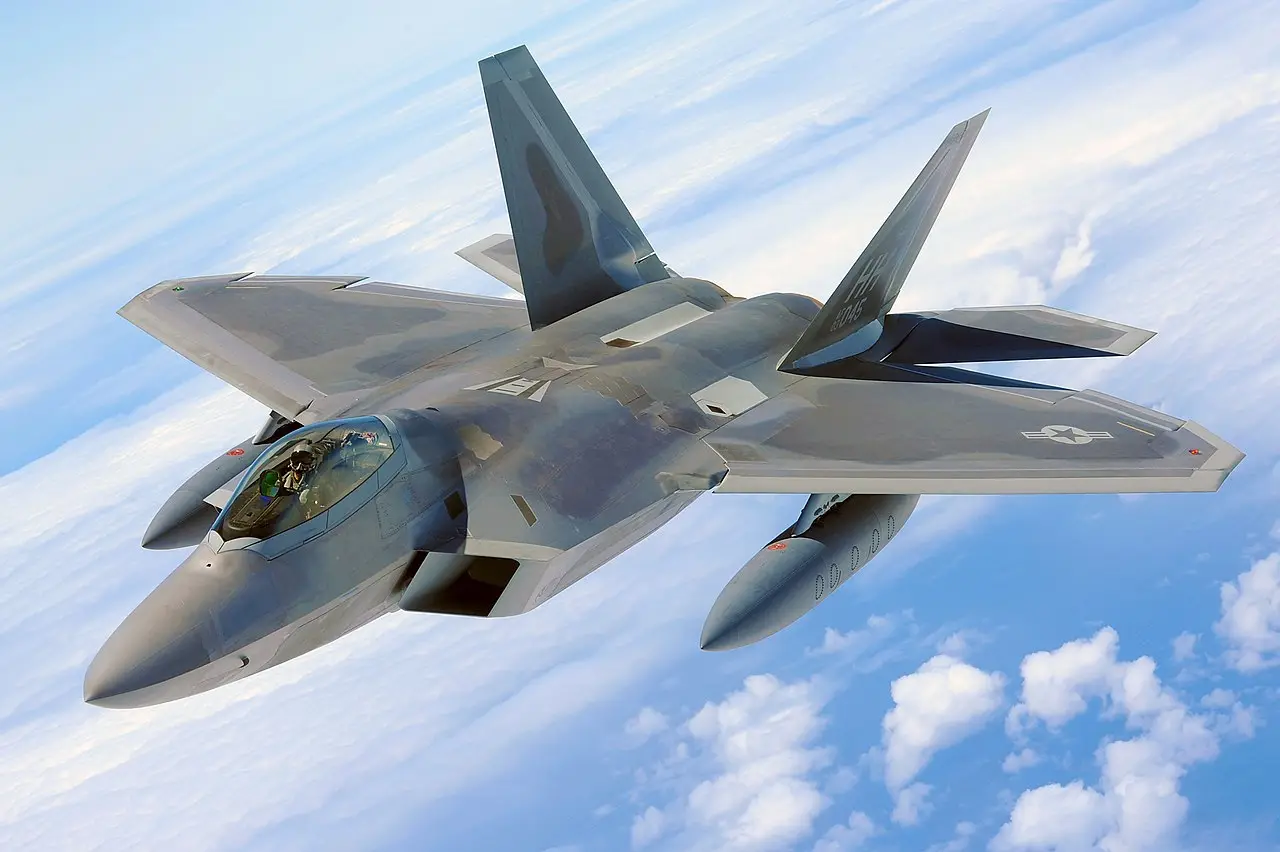
2. F-22 Raptor - The First USAF Fighter to Control Drones
The F-22 will be the first fighter to control advanced AI drones under the USAF’s CCA project. Reports from July 2025 show Raptors will direct fighter drones like the XQ-58A Valkyrie in real-time combat. The system allows the pilot to guide drones for interception, electronic warfare, and radar jamming missions, maintaining full battlefield awareness.
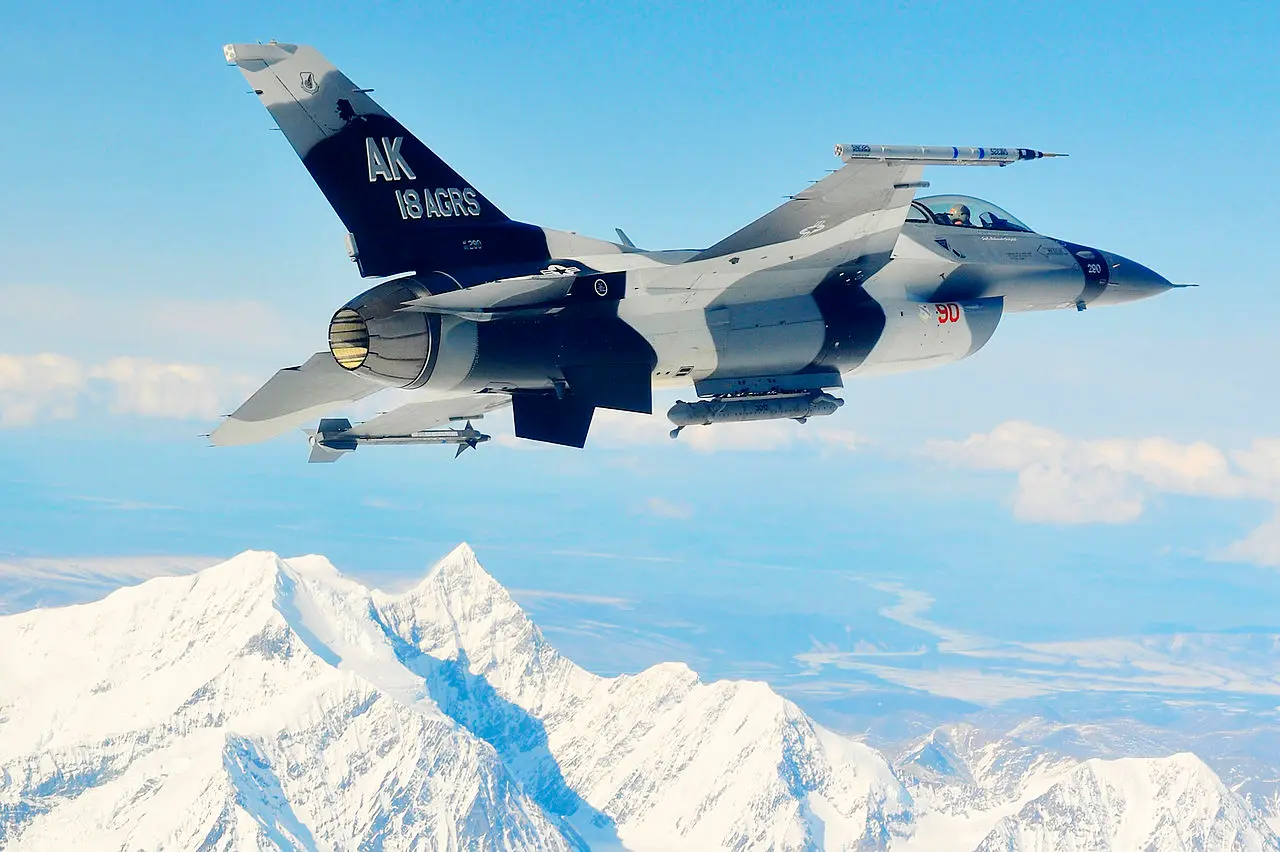
3. F-16 Fighting Falcon - Training with Autonomous Partners
Under the U.S. Air Force’s “Top Gun AI” test flights, the F-16 has flown alongside autonomous Valkyrie drones. These tests demonstrated that the F-16 can command drones to intercept threats and share radar data instantly. The AI-controlled drones made tactical decisions mid-air, proving the Falcon’s readiness for future drone teaming operations.
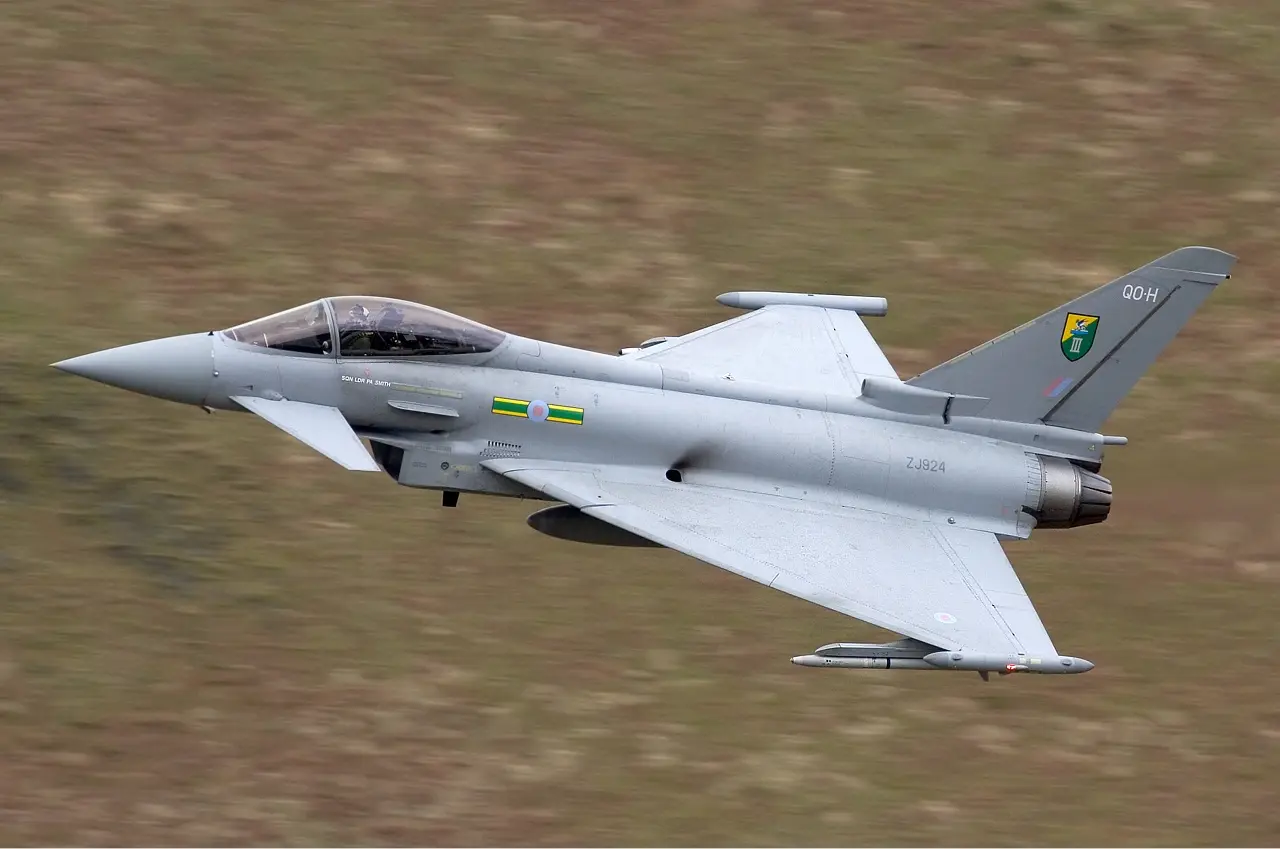
4. Eurofighter Typhoon - Europe’s Step Toward Manned - Unmanned Teaming
The UK has tested drone teaming with Typhoon jets in collaboration with QinetiQ and the Ministry of Defence. In 2024, a Typhoon successfully guided an uncrewed aircraft during joint trials, marking a European milestone. Defence officials said this will support future systems like the Tempest fighter, part of Britain’s next-generation combat air strategy.
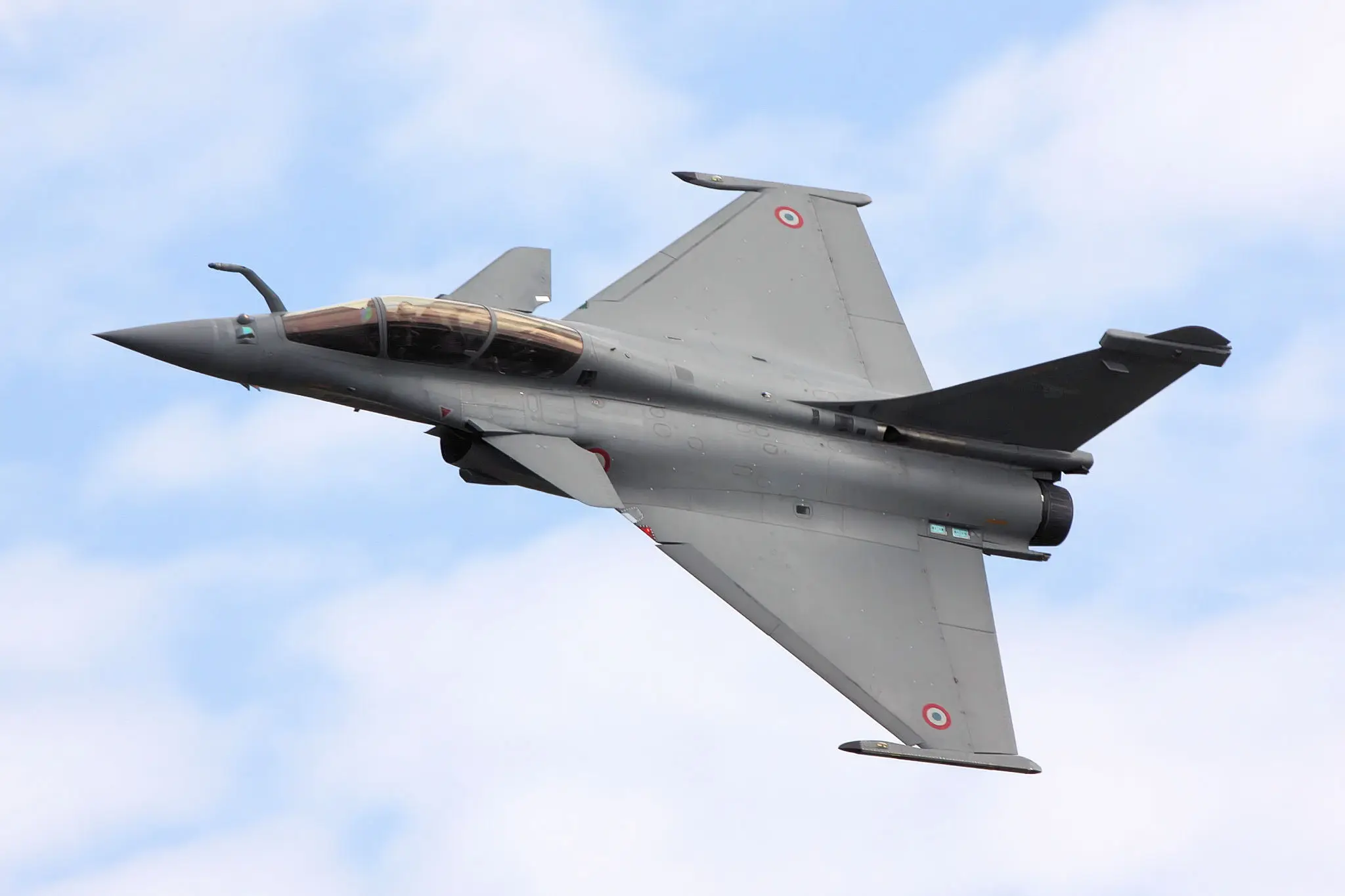
5. Dassault Rafale - Preparing for the Future Combat Air System
France’s Rafale is being upgraded to join Europe’s Future Combat Air System (FCAS), which will see it controlling unmanned “remote carriers.” These drones will extend Rafale’s range and carry out reconnaissance and strike missions. According to Dassault Aviation, FCAS will integrate manned and unmanned assets into a single digital combat network.
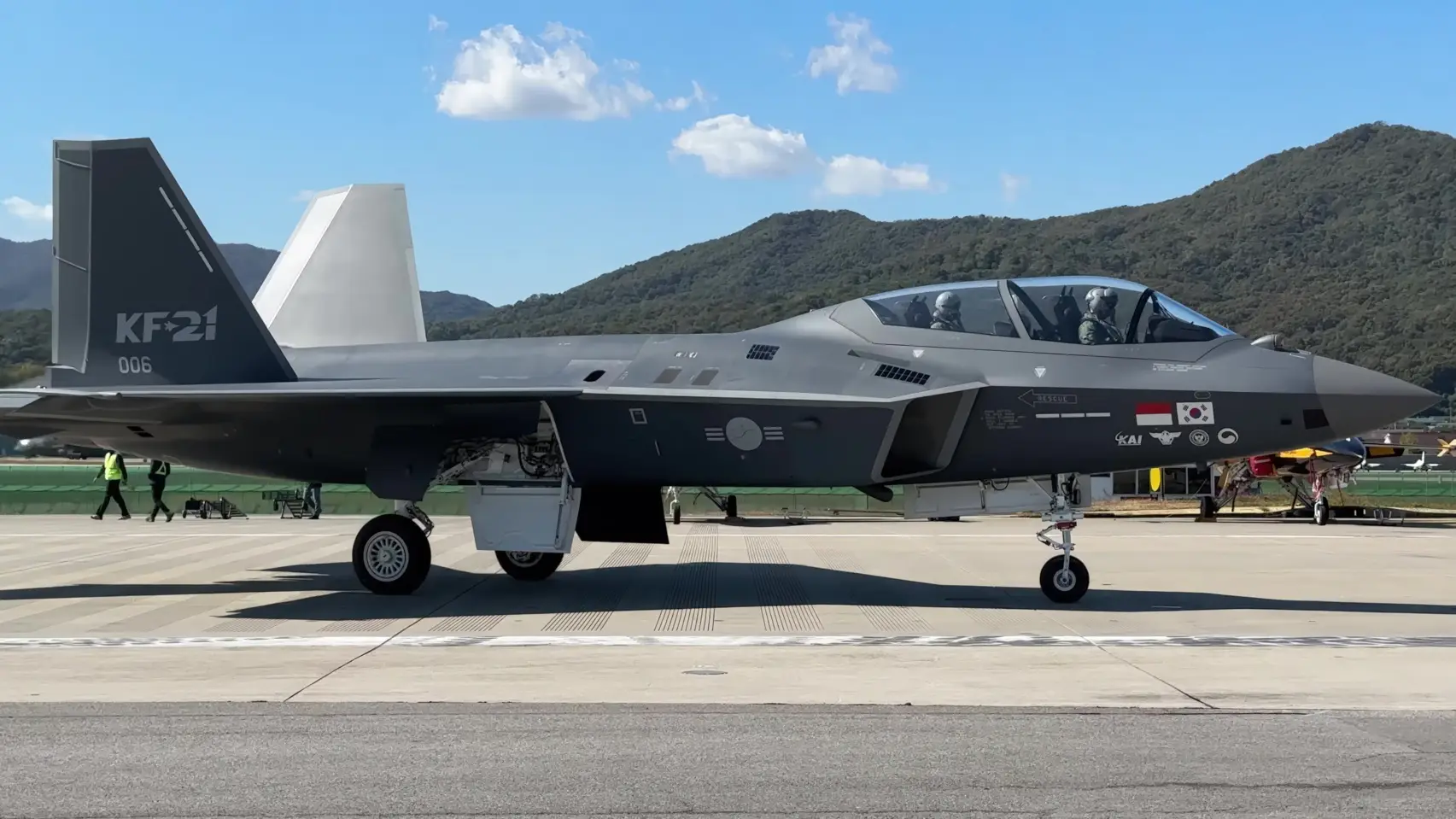
6. KF-21 Boramae - South Korea’s Drone Partner Jet
South Korea’s new KF-21 Boramae is being built with drone teaming capabilities. Hanwha Systems has developed onboard AI and datalinks for future integration with loyal wingman drones. Reports indicate that by 2030, the KF-21 will coordinate smaller combat drones to support reconnaissance and electronic warfare roles.
)
)
)
)
)