50 years of Jaws: 6 reasons Spielberg’s classic still rules the waves

When Jaws hit theatres in 1975, the film didn’t just terrify audiences; it changed movies forever. Now, 50 years later, Jaws still holds its grip on pop culture. Here's why it remains a timeless classic.
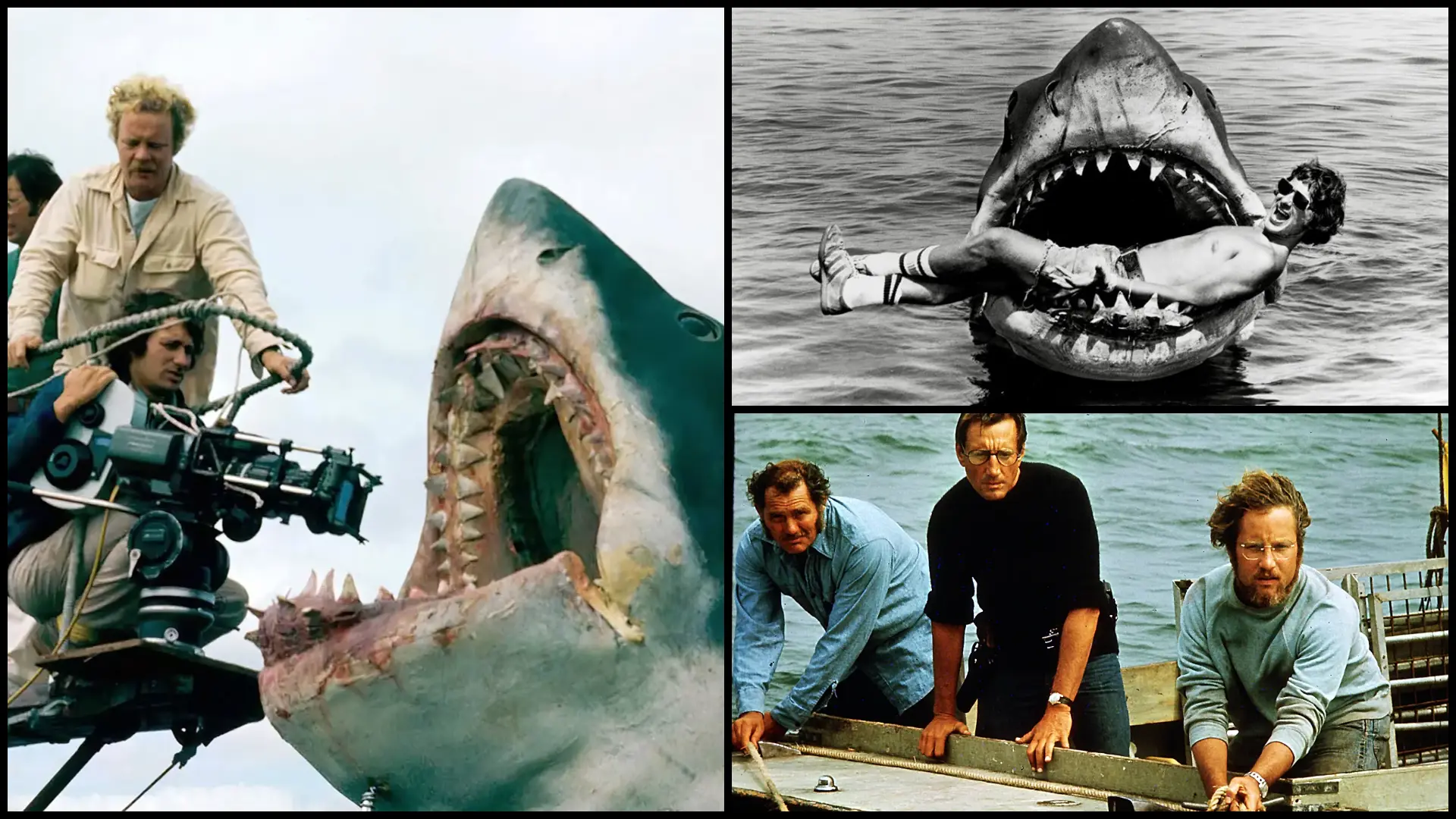
50 years of Jaws: 6 reasons Spielberg’s classic still rules the waves
When Jaws hit theatres in 1975, the film didn’t just terrify audiences; it changed movies forever. Steven Spielberg’s oceanic thriller became the first true summer blockbuster, blending suspense, iconic music, and unforgettable performances. Now, 50 years later, Jaws still holds its grip on pop culture. Here's why it remains a timeless classic.
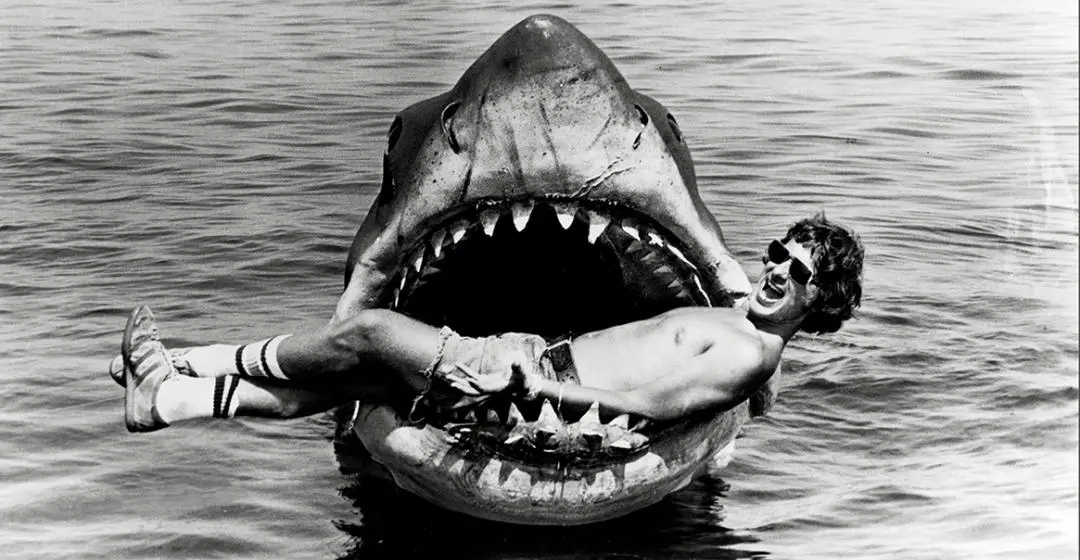
It invented the summer blockbuster
Before Jaws, summer wasn’t prime movie season. The film’s massive success changed release strategies forever.

John Williams' legendary score
The score is enough to strike fear into the hearts of millions of movie fans. Williams’ minimalist yet chilling score is one of the most recognisable in film history.
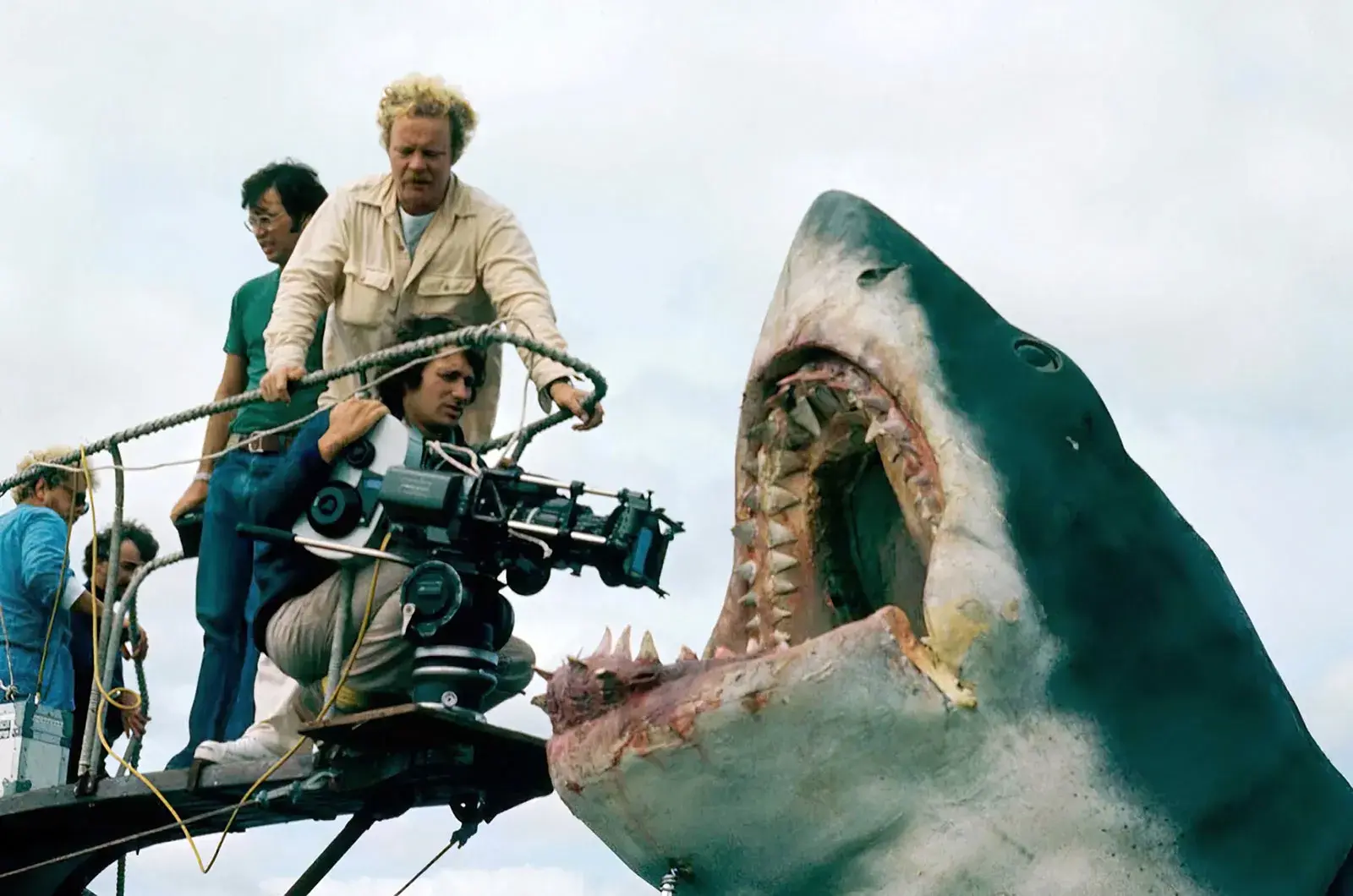
The power of less is more
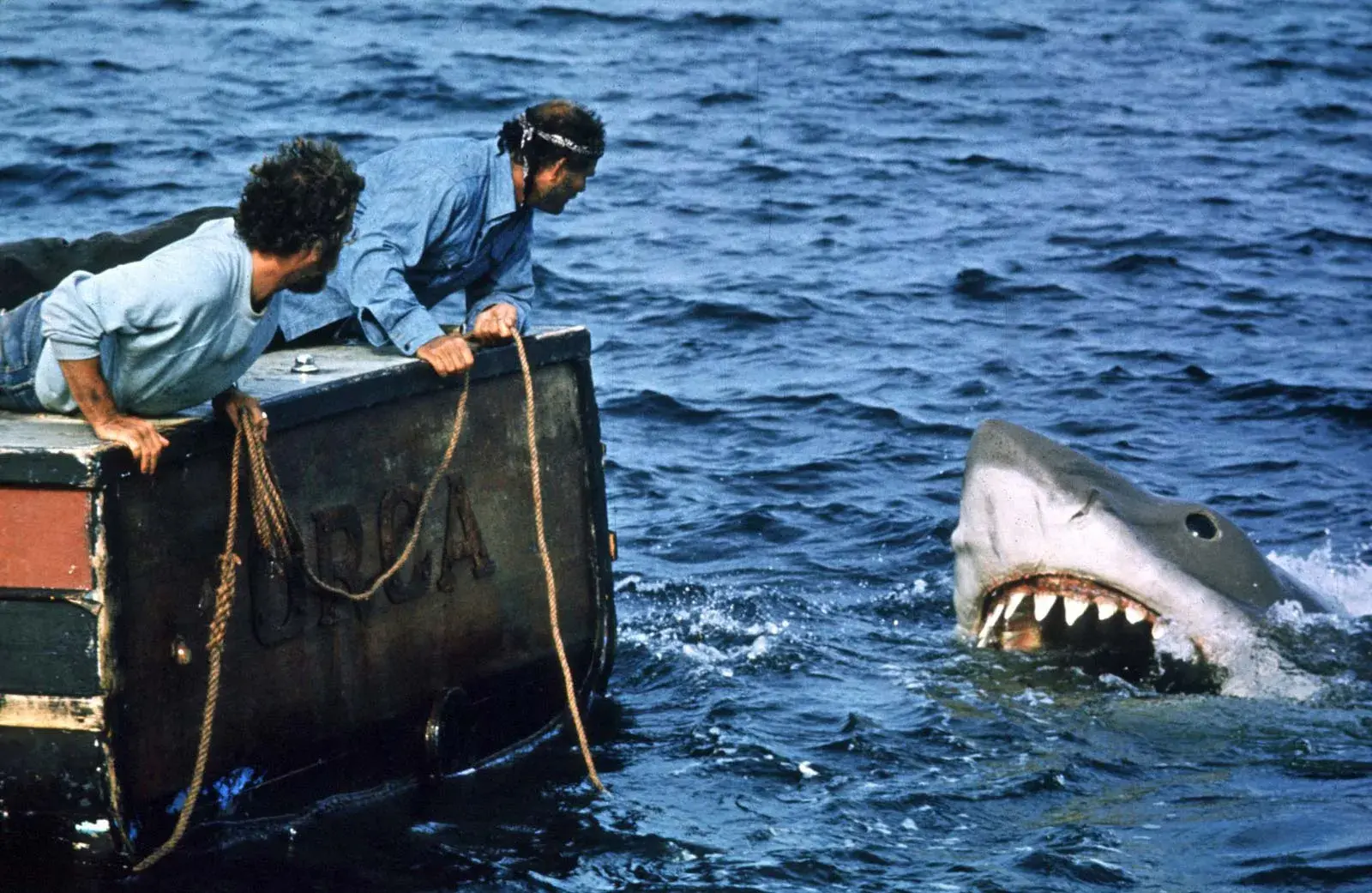
Due to constant malfunctions with the mechanical shark, Spielberg was forced to show less of the creature, which only heightened the suspense and terror.
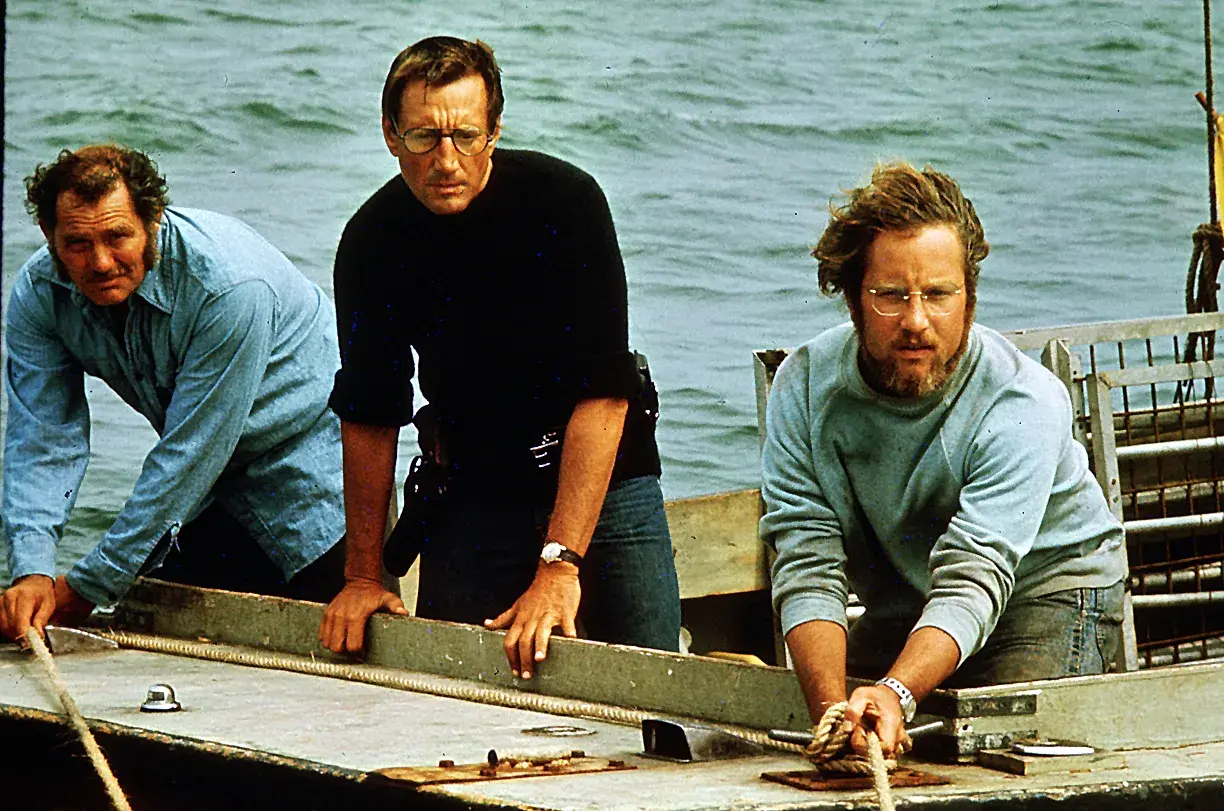
Unforgettable performances
Roy Scheider, Robert Shaw, and Richard Dreyfuss delivered stellar performances that gave the film heart, humour, and tension.
Cultural impact
Jaws didn’t just scare moviegoers; it changed beach culture. It sparked real-life fears of sharks, inspired copycat films, and became a pop culture icon.
It still holds up
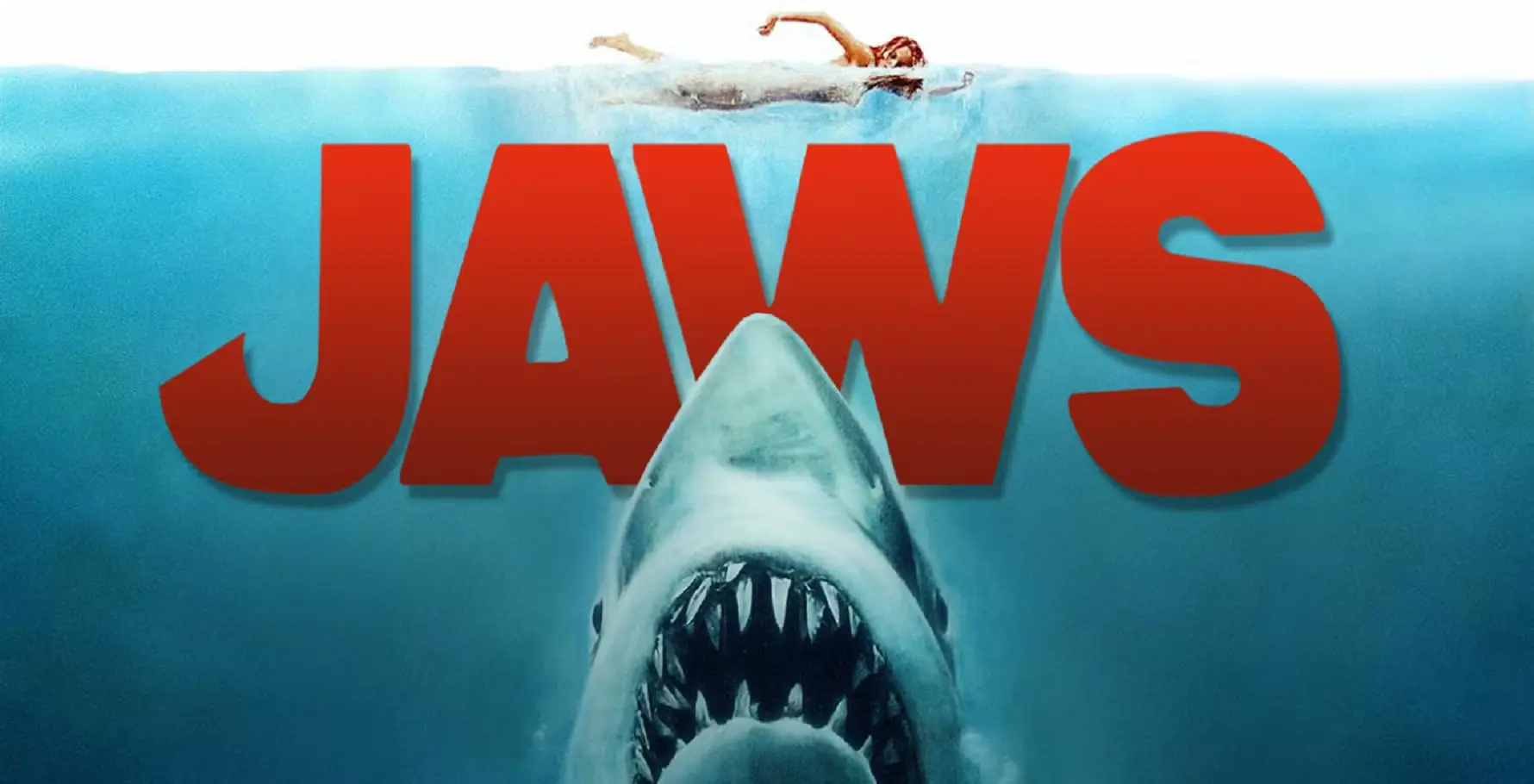
From practical effects to tight storytelling, Jaws remains just as gripping today. It’s taught in film schools, referenced in media, and rewatched by fans.
)

)
)
)