5 moments that proved the B-1B still matters in 2025

Originally developed in the 1970s to deliver nuclear weapons deep inside enemy territory, the B-1B’s mission shifted entirely to conventional warfare in the 1990s.
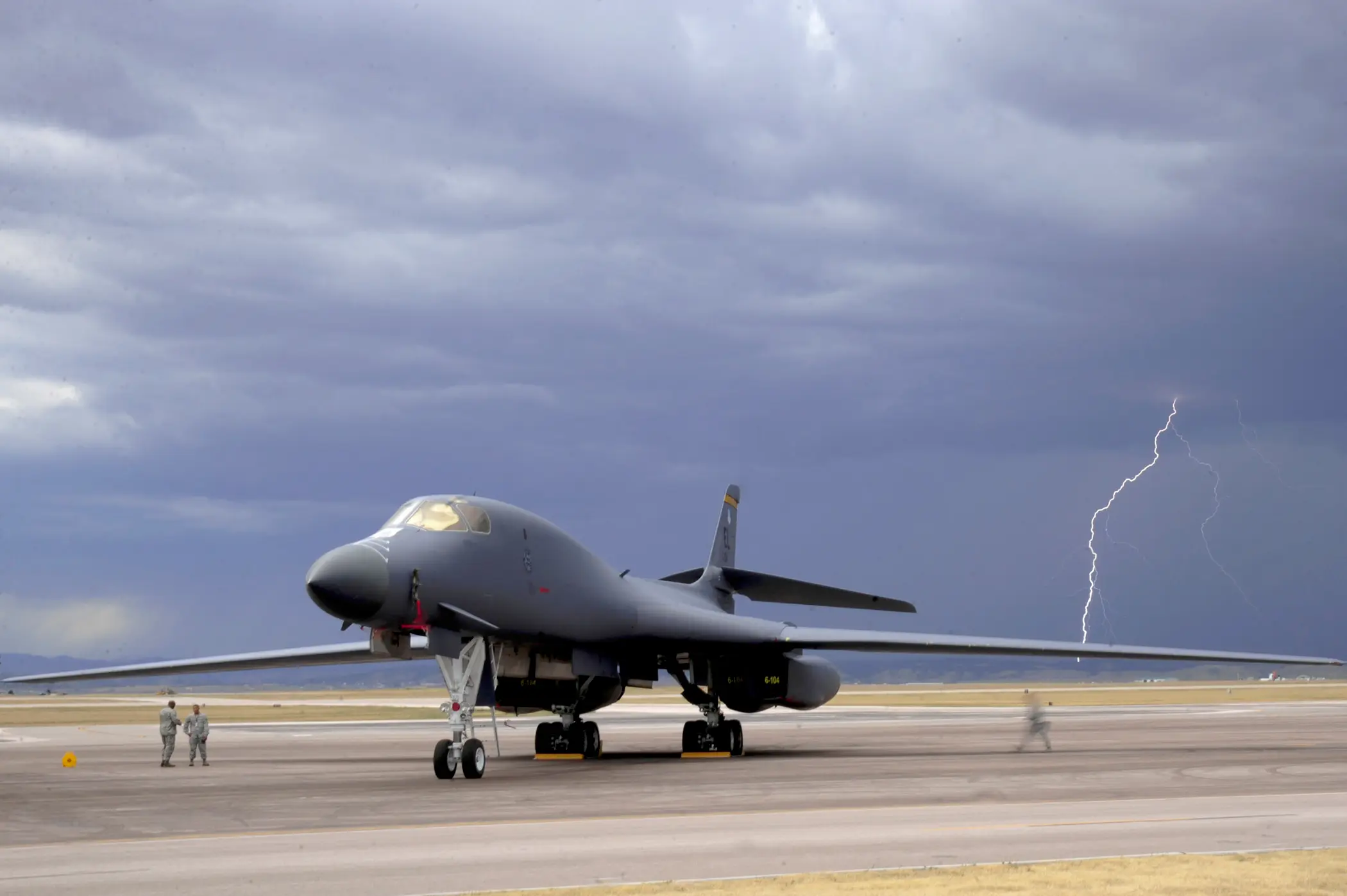
The B-1B Lancer
The B-1B Lancer has returned to international attention following recent US Air Force flights near the Venezuelan coast and surrounding Caribbean islands. The sorties, which came shortly after B-52 bombers and F-35B fighters were tracked in the same region, form part of a broader pattern of increased American aerial activity in the area. While US officials have linked the missions to regional security and counter-narcotics operations, their timing has reignited discussion about the role of legacy strategic bombers in contemporary geopolitics. In 2025, the B-1B continues to demonstrate its operational value and long-range capability across multiple theatres. Here are 5 moments when the bomber proved it's might and relevance today:
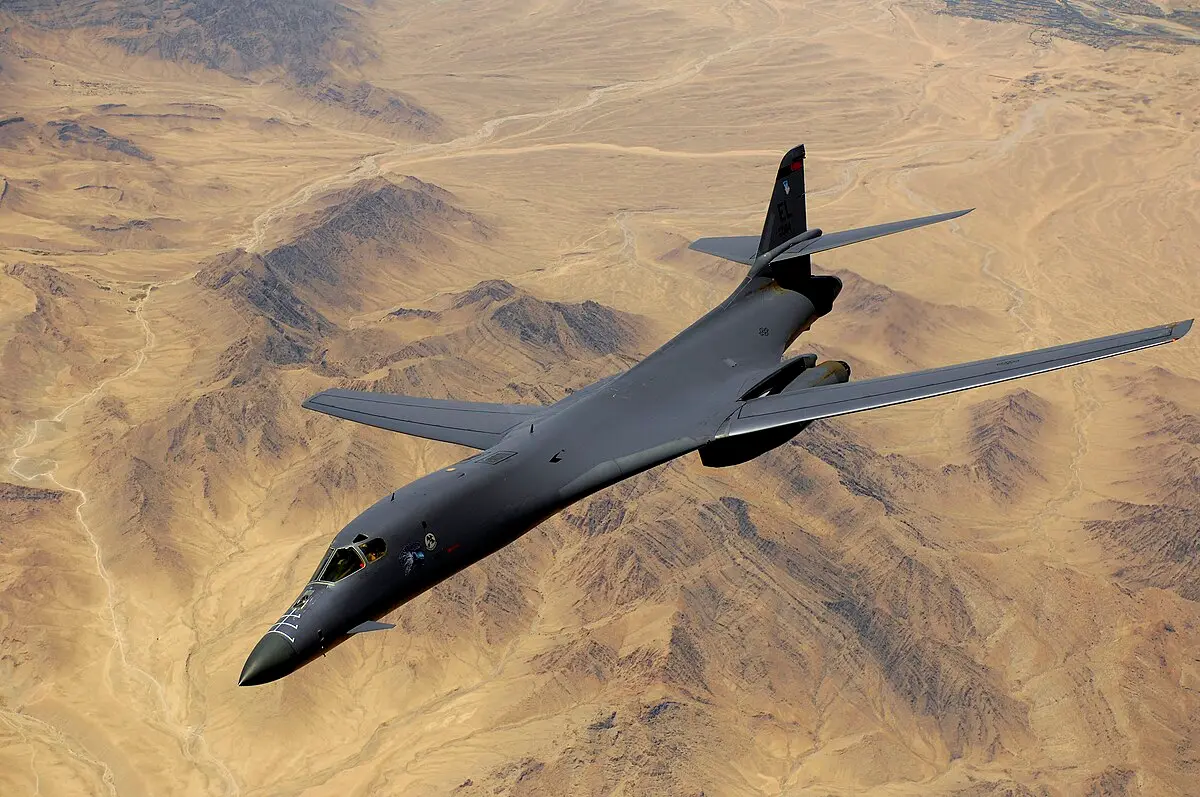
The Lancer’s Enduring Long-Range Might
Four decades after entering service, the B-1B Lancer continues to hold one of the most formidable performance profiles in strategic aviation. Capable of speeds above Mach 1.2 and a maximum take-off weight approaching 477,000 pounds, the bomber carries up to 75,000 pounds of ordnance internally. These figures ensure that, despite its age, the aircraft still fulfils heavy-strike missions across continents with remarkable efficiency.
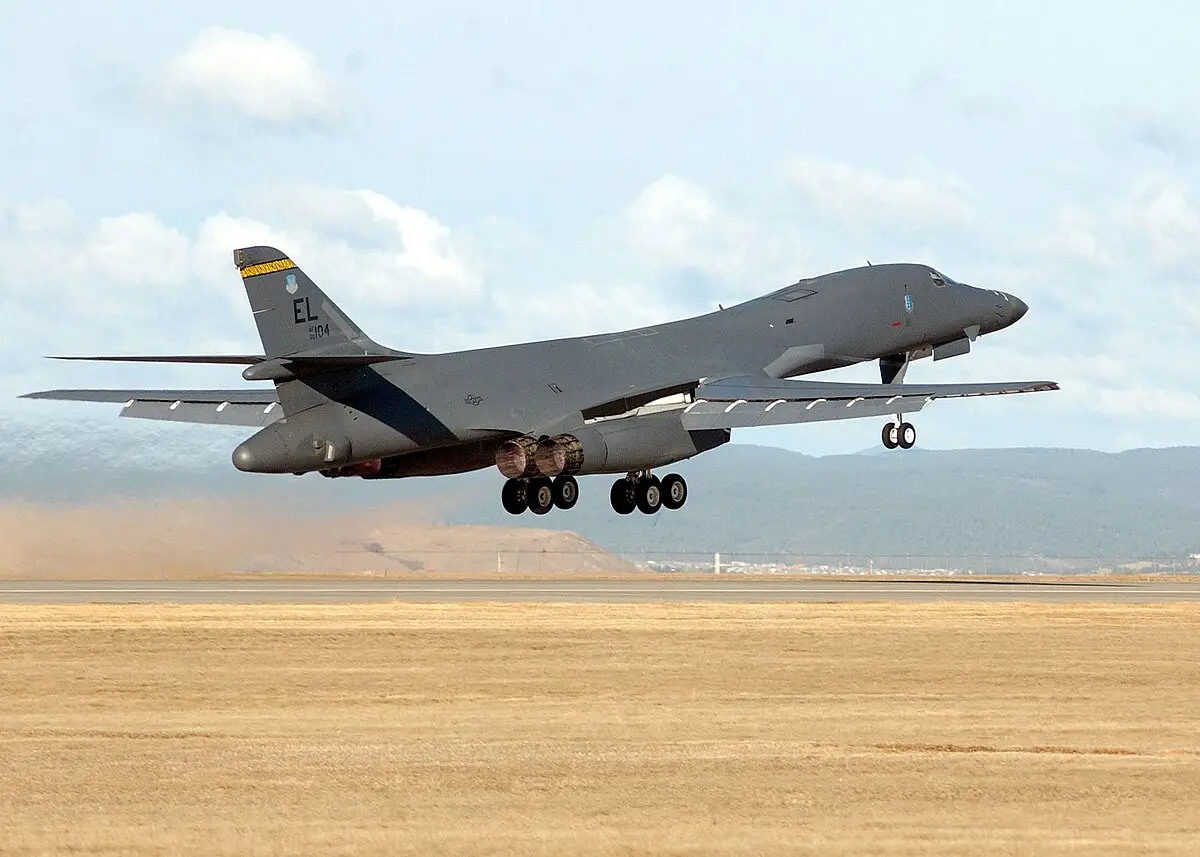
From Nuclear Deterrent to Precision Bomber
Originally developed in the 1970s to deliver nuclear weapons deep inside enemy territory, the B-1B’s mission shifted entirely to conventional warfare in the 1990s. The change aligned with the United States’ post-Cold-War arms-control commitments, particularly the Strategic Arms Reduction Treaty. Since then, the aircraft has excelled as a conventional strike platform capable of rapid re-tasking and precision engagement.
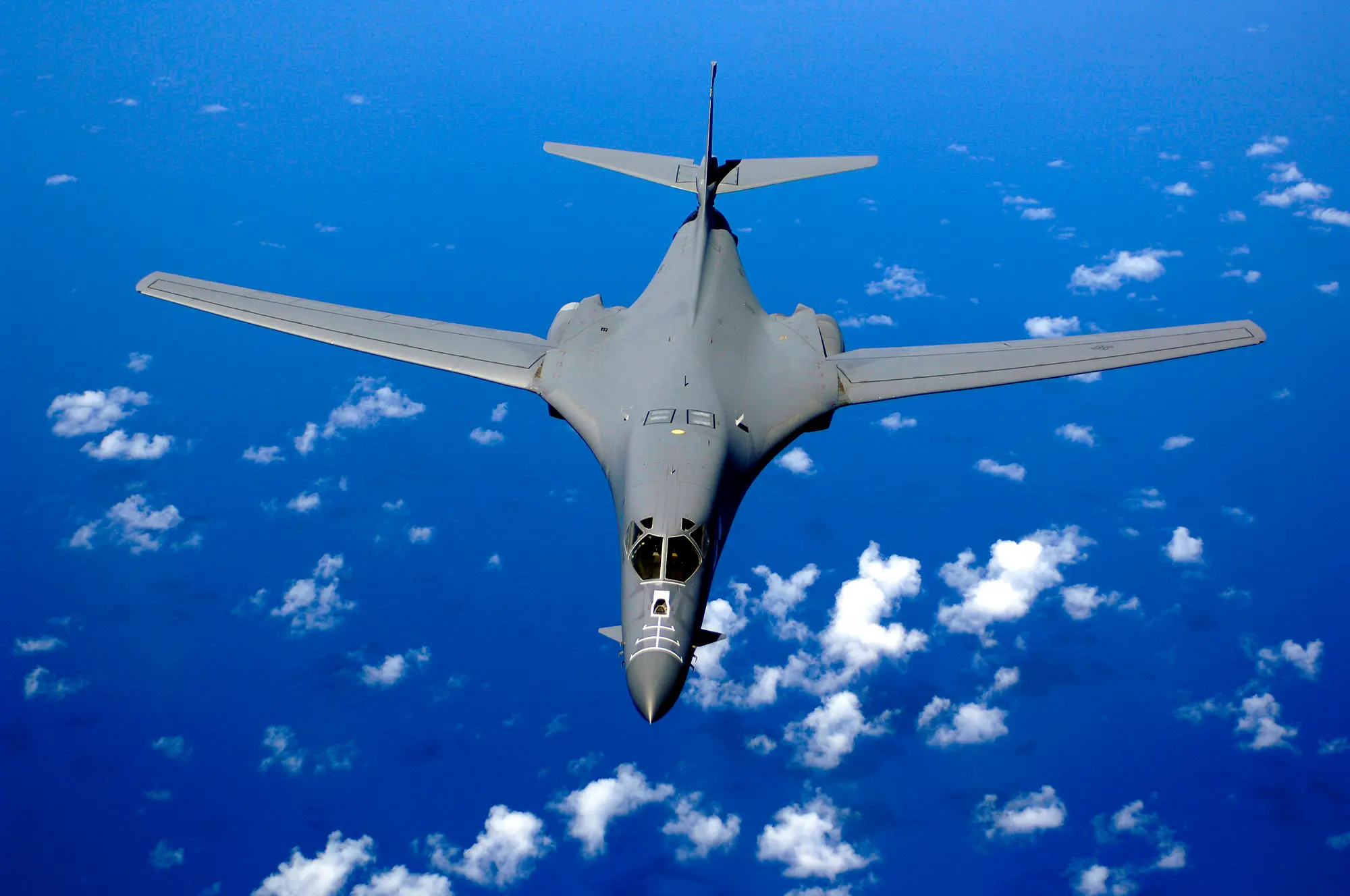
Combat Record that Speaks for Itself
The Lancer’s battlefield record reinforces its operational value. During Operation Enduring Freedom in Afghanistan, a small number of B-1Bs delivered nearly 40 per cent of the total ordnance dropped by coalition aircraft. In Operation Iraqi Freedom, the aircraft flew fewer than one per cent of missions yet released more than 40 per cent of all Joint Direct Attack Munitions. These statistics underscore its efficiency and reliability as a high-impact strike platform.
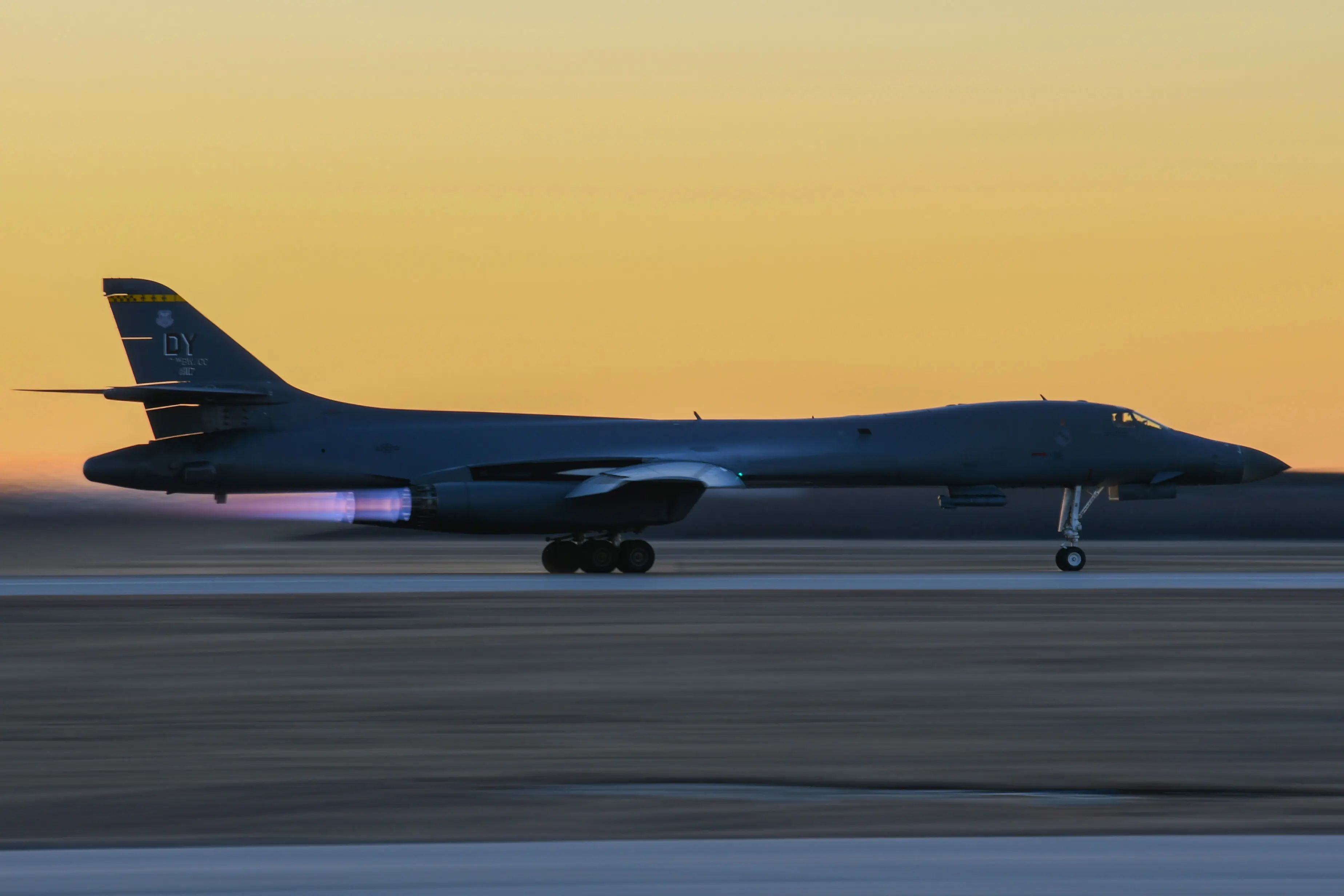
Live-Fire Return to the Korean Peninsula
In June 2024, a B-1B carried out its first precision bombing drill on the Korean Peninsula in seven years, dropping 500-pound guided bombs alongside South Korean aircraft. The exercise marked a renewed demonstration of allied readiness and the bomber’s ability to integrate seamlessly into regional operations. It also reinforced the aircraft’s role in Indo-Pacific deterrence, a focus area of the United States Air Force.
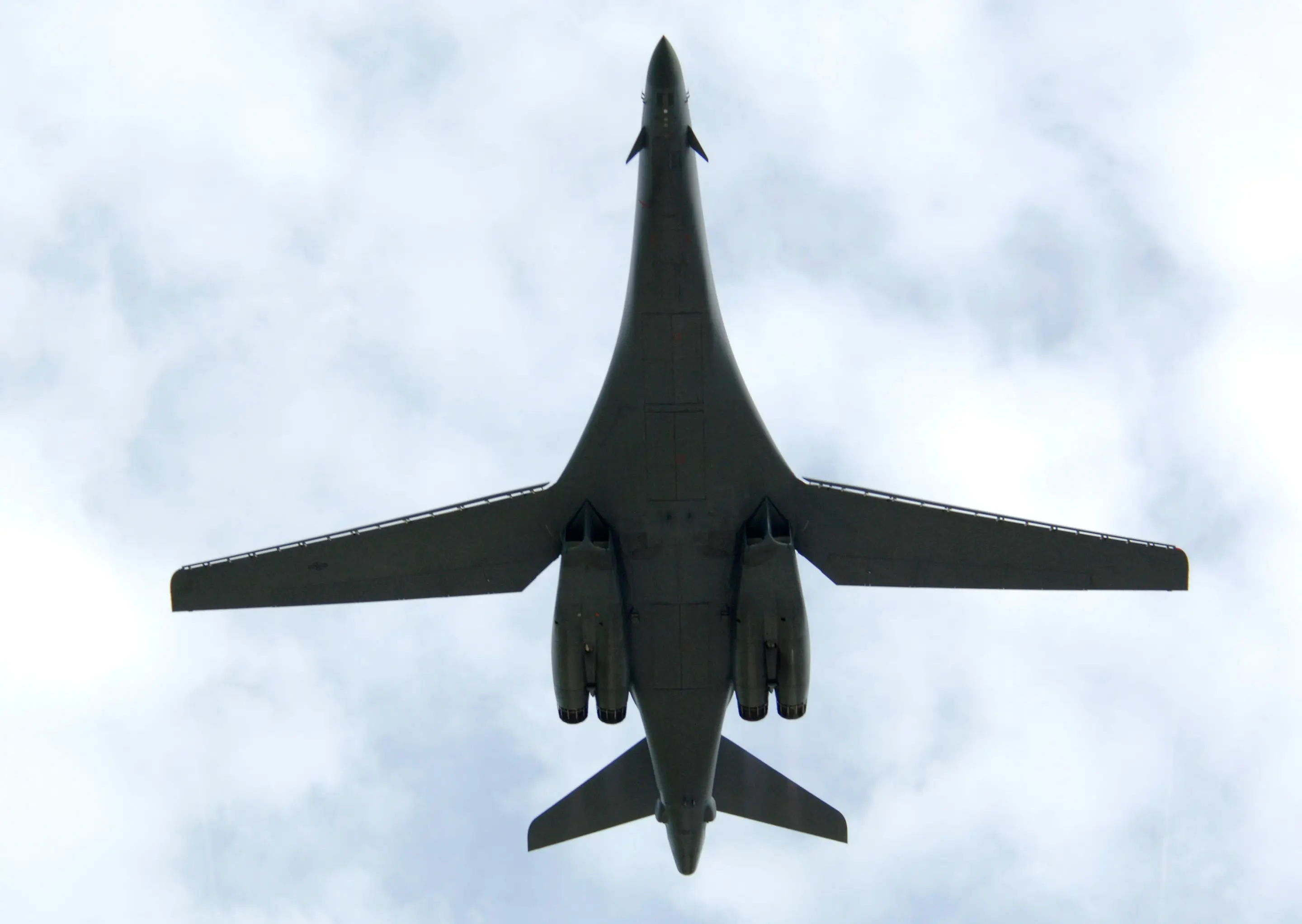
Modernisation Keeping It Combat-Ready
Extensive upgrades have extended the Lancer’s relevance well into the 21st century. The fleet has received new avionics, digital flight controls, data-links and radar systems to enhance mission flexibility. Structural reinforcements and maintenance improvements have also improved availability rates. Current retrofit programmes are integrating external pylons for long-range and hypersonic munitions, ensuring the bomber remains mission-ready until at least 2040.
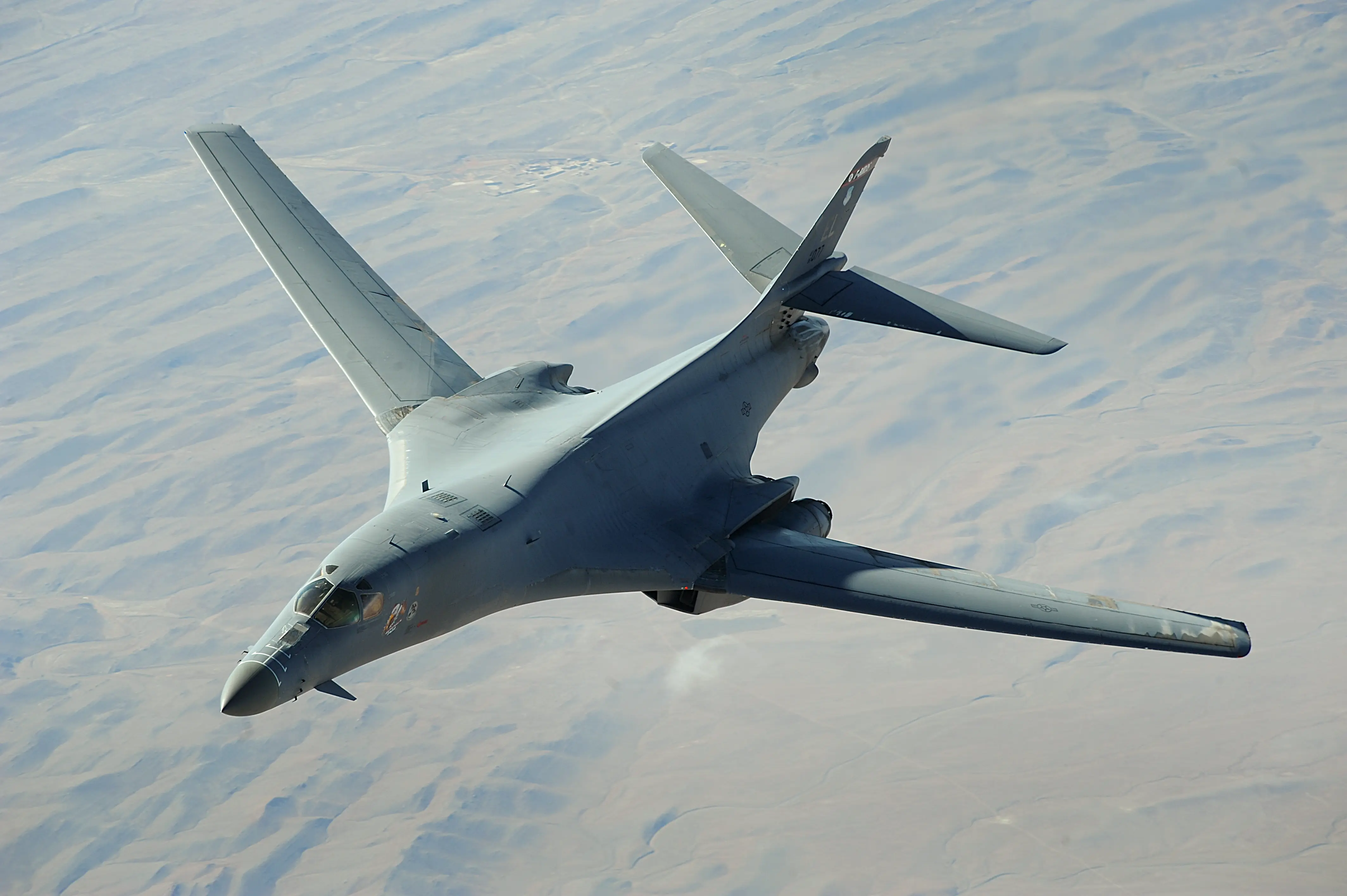
A Visible Symbol of American Air Power
Today, the B-1B featured prominently in high-profile aerial demonstrations across the United States, including large-scale formation fly-overs. Its continued participation in such events highlights not only its iconic status but also its ongoing presence within the active fleet. Even as new stealth aircraft such as the B-21 Raider enter service, the B-1B remains the Air Force’s primary supersonic heavy bomber.
)
)
)
)
)