'47 days of silence': What is happening inside Iran as it wages war with US?

Iran faces a 47-day internet blackout as the regime suppresses internal dissent amidst economic collapse. While a fragile ceasefire holds externally, domestic resistance grows, seeking US support.
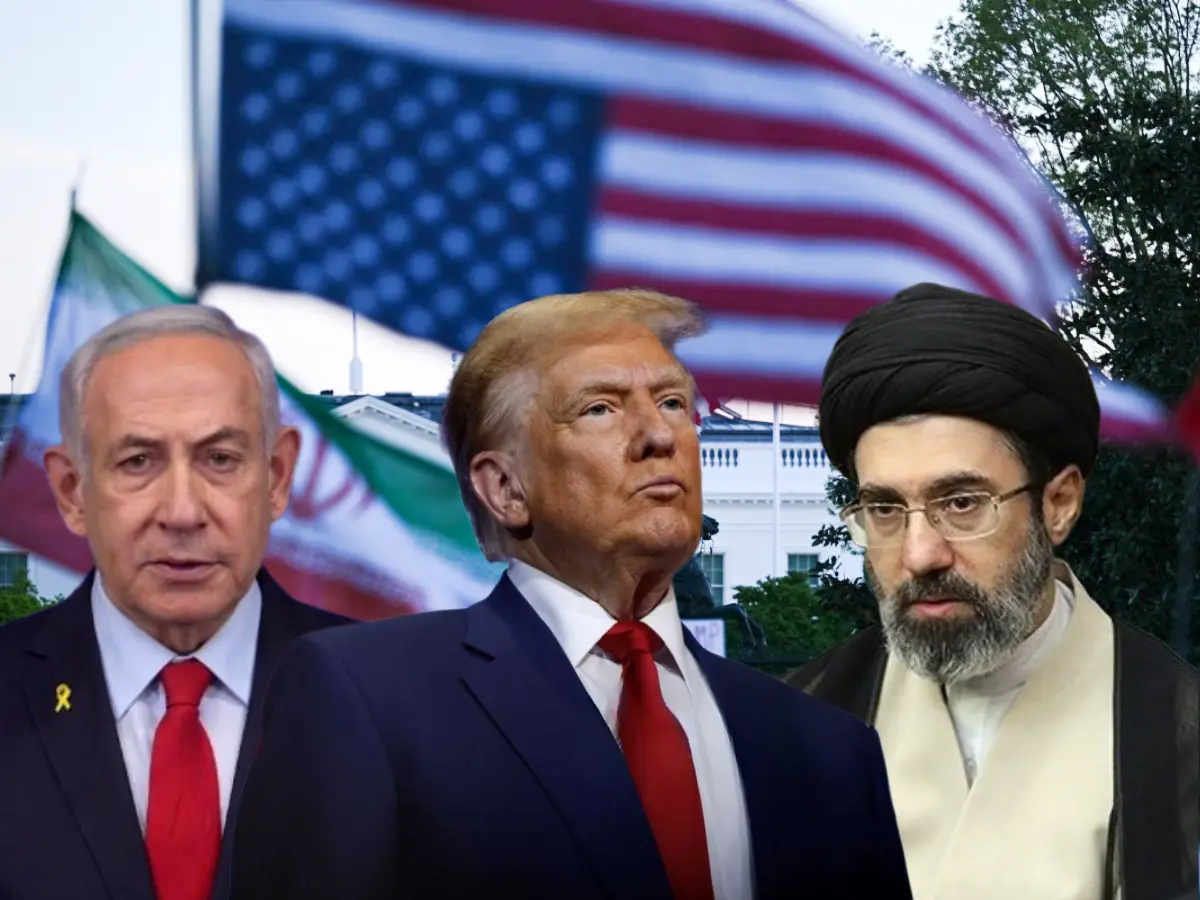
Total Communications Blackout For 47 Days
The Iranian regime has imposed a severe nationwide blackout for the past 47 days, shutting down the internet to isolate millions of citizens from each other and the outside world to mask the ongoing internal crisis, said a CBS Austin report.
Economic Collapse Amidst Resource Wealth
Despite possessing the world's second-largest combined oil and gas reserves, 80% of Iran's population currently lives below the poverty line. State wealth is being aggressively diverted toward proxy wars, nuclear development, and repressive security institutions.
Escalation Against Citizens As Ceasefire Holds Externally
While a fragile external ceasefire with foreign adversaries holds, reports indicate the regime is heavily escalating violence domestically, executing political prisoners and suppressing dissent to prevent another civilian uprising.

The Regime's Achilles Heel: Fear Of Its Own People
The Iranian government fears its own population far more than foreign military strikes. A major uprising earlier this year engulfed all 31 provinces, indicating a widespread domestic desire to overthrow the current leadership.
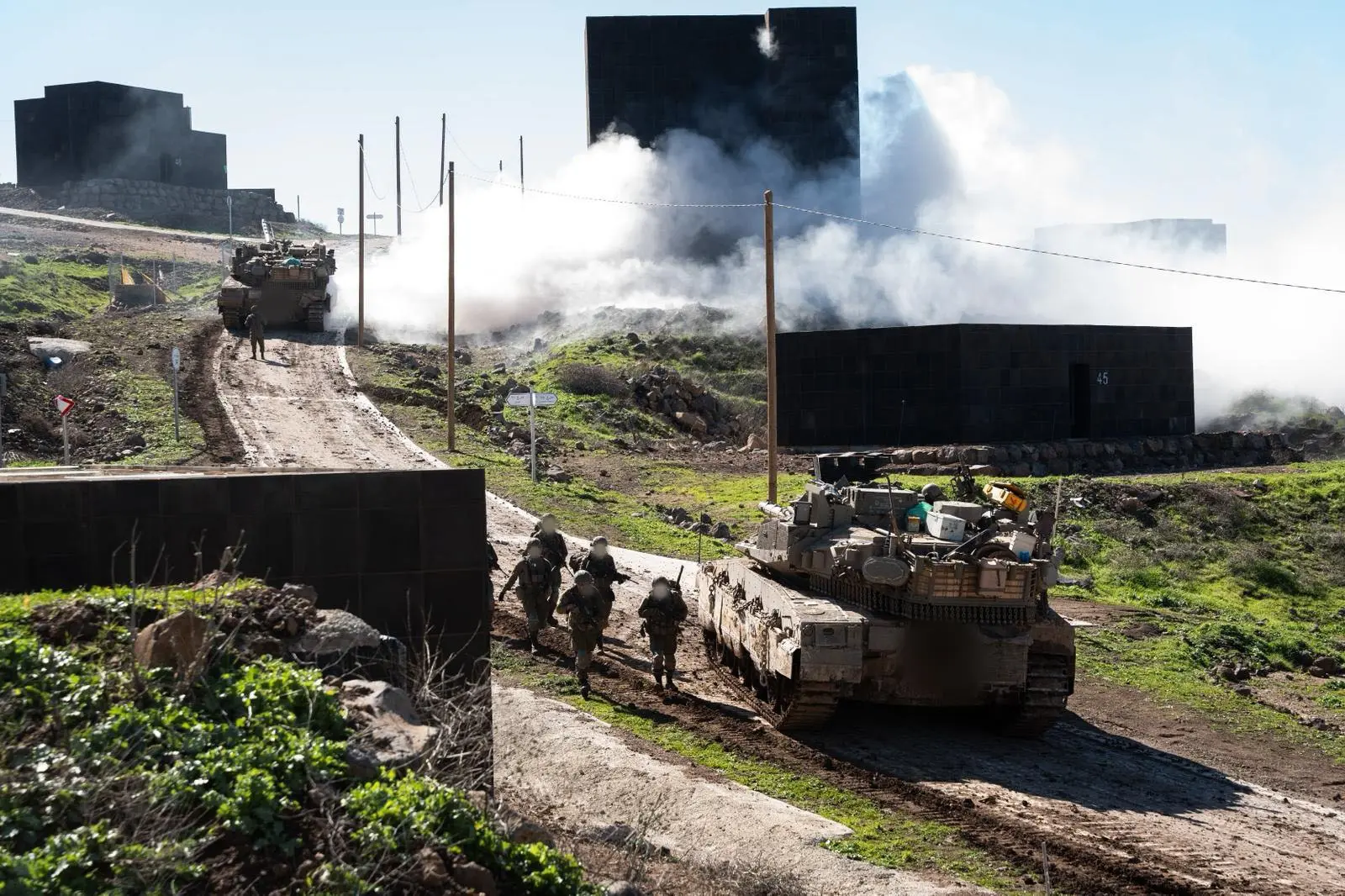
Organized Indigenous Resistance Strikes Supreme Leader's HQ
Demonstrating internal capability and reach, the opposition movement recently launched a coordinated strike against the Supreme Leader's headquarters utilizing 250 members, proving that the push for change is deeply rooted inside the country.
A 10-Point Democratic Vision For Post-Regime Iran
The organized opposition has outlined a clear platform for a future state, featuring the separation of religion and government, gender equality, a free-market economy, and a non-nuclear republic, alongside a promise of free elections within six months of the regime's fall.
Experts Call For A Strategic US Pivot Toward Iranian People
Experts are urging the United States to recognize the regime's profound vulnerabilities, forcefully condemn the domestic executions, and begin treating the Iranian people — rather than the regime — as their true partners for regional stability.
)
)
)
)
)