'40,000 kmph': Why NASA's Artemis II astronauts are flying at a terrifying Mach 32

NASA's Artemis II mission is pushing human spaceflight to unprecedented extremes, with the Orion spacecraft reaching mind-bending speeds of Mach 32—roughly 40,000 kilometers per hour.
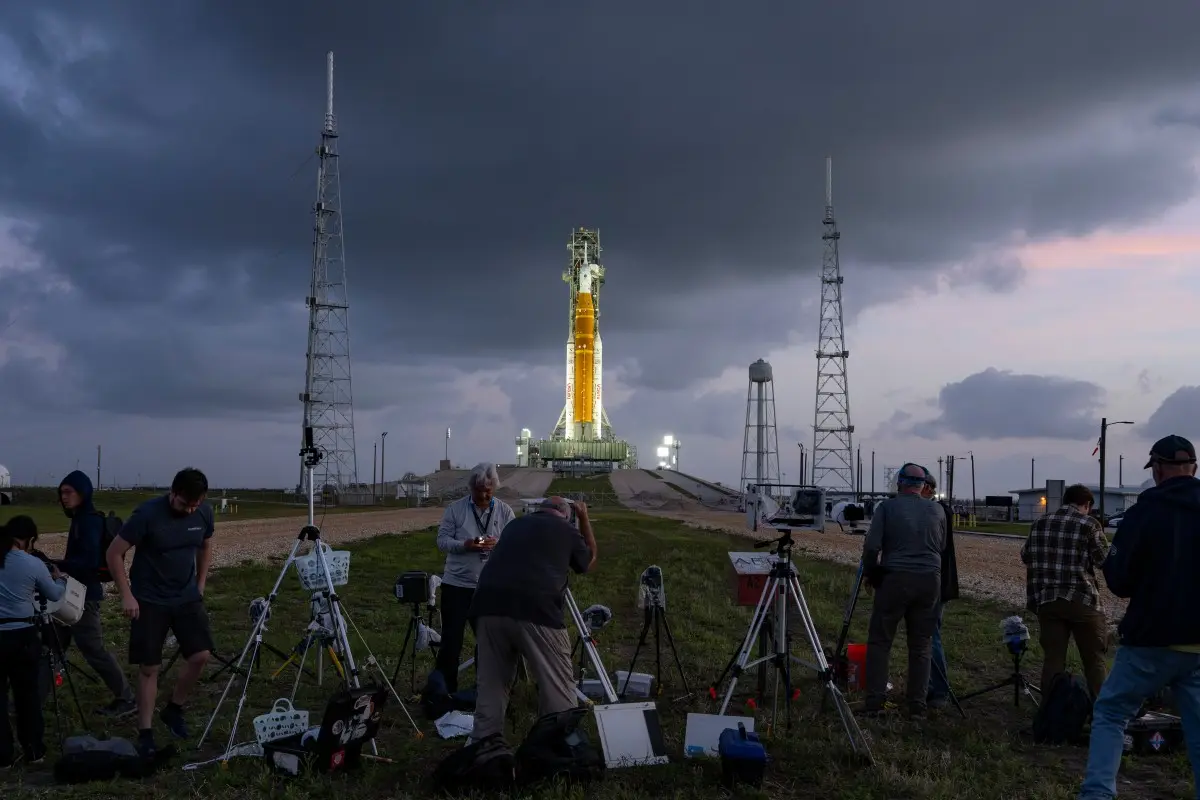
The Mach 32 Benchmark
In the realm of commercial aviation, breaking the sound barrier (Mach 1) is a feat. For the Artemis II crew, the sound barrier is practically a standstill. To successfully execute their 10-day lunar flyby, the Orion spacecraft must achieve a mind-bending maximum velocity of roughly Mach 32—translating to a blistering 40,000 kilometers per hour (nearly 25,000 mph).
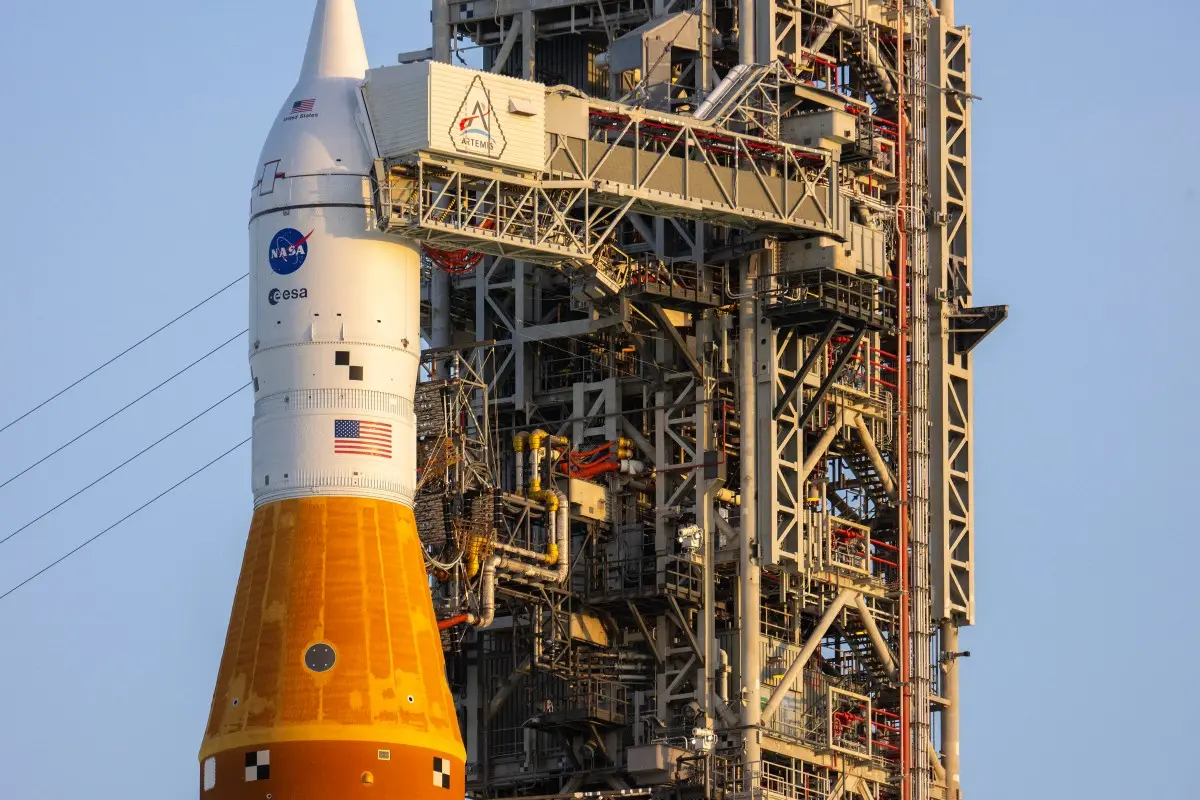
The Initial 40,000 kmph Push
Reaching the Moon requires immense kinetic energy to break free from Earth's deep gravitational well. Shortly after launch, the Space Launch System's upper stage (the ICPS) ignited for the Translunar Injection burn. This massive burst of thrust accelerated the four astronauts from their parking orbit up to nearly 40,000 kmph, violently flinging them outward into the deep-space void toward the Moon.
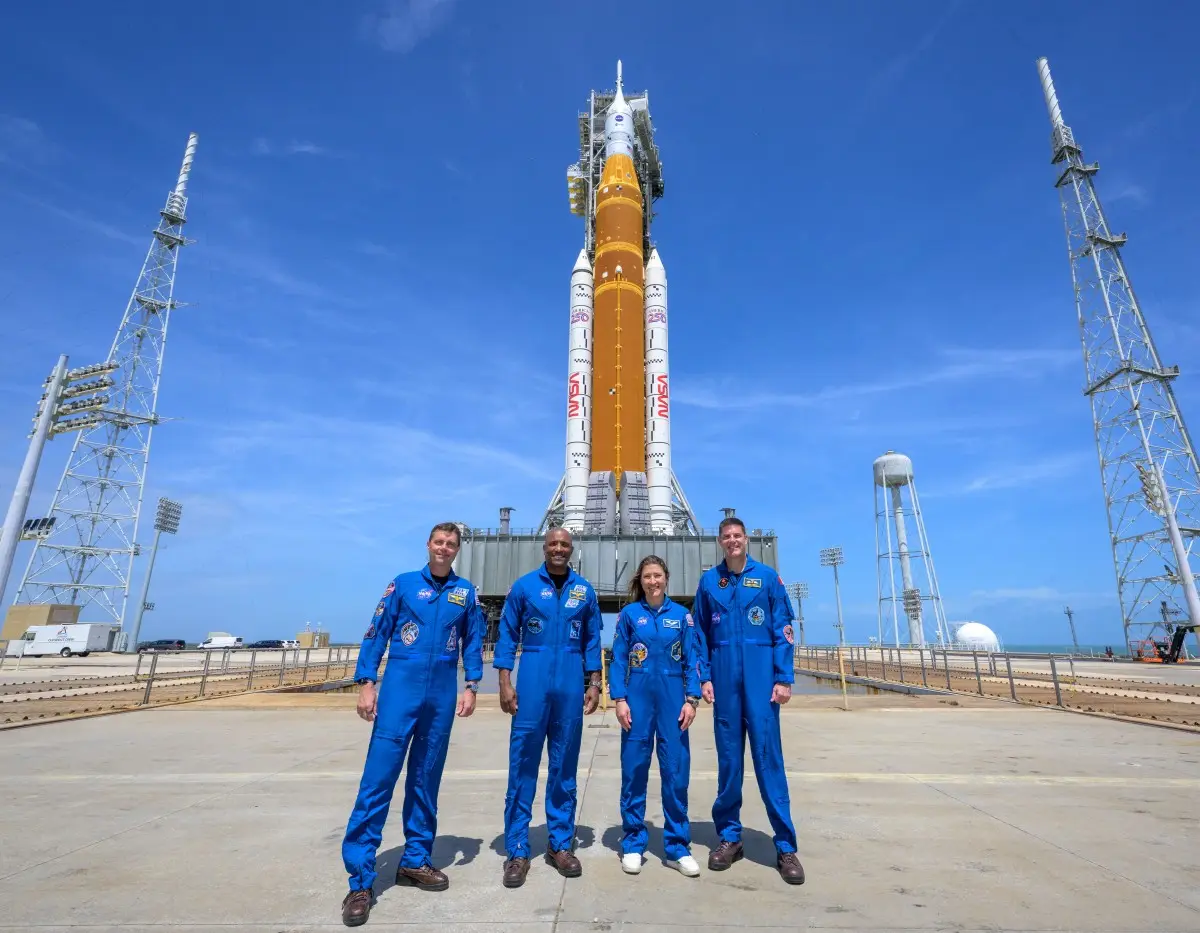
The Lunar Slingshot Effect
As the spacecraft coasts toward the Moon, Earth's gravity acts like an invisible tether, constantly pulling backward and slowing the vehicle down. However, once Orion crosses into the Moon's gravitational sphere, the physics flip. The Moon catches the spacecraft, whips it around its far side, and acts as a massive natural slingshot to hurl the crew back toward Earth.
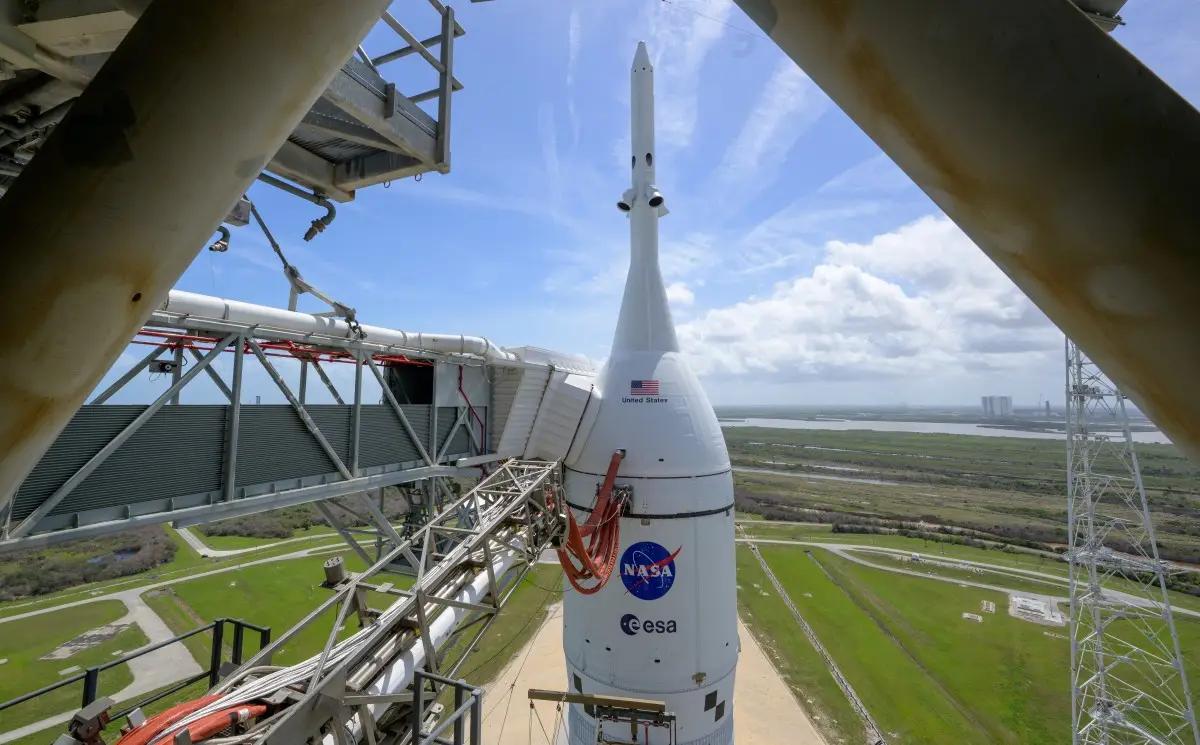
The Terrifying Plunge
As the capsule falls back toward Earth for days, our planet's gravity constantly accelerates it. By the time the Orion spacecraft reaches the very edge of Earth's atmosphere, it will be screaming through the vacuum of space right back at that terrifying terminal speed of Mach 32, setting the stage for the fastest re-entry ever attempted by a crewed vehicle.

A 5,000-Degree Inferno
You cannot hit the Earth's atmosphere at 40,000 kmph without severe consequences. As the capsule slams into atmospheric molecules at Mach 32, the extreme friction will generate a shockwave of superheated plasma. The bottom of the Orion spacecraft will experience temperatures exceeding 5,000 degrees Fahrenheit (2,760 degrees Celsius)—hotter than the melting point of most metals and roughly half as hot as the surface of the Sun.
The Daring 'Skip Re-entry'
To survive this blistering speed, NASA will utilize a revolutionary maneuver never before attempted with humans. Instead of a direct plunge, Orion will perform a “skip re-entry.” It will hit the upper atmosphere, literally bounce back up into space like a stone skipping across a pond to bleed off massive amounts of speed and heat, and then dive back down for its final descent.
From Mach 32 to Zero in 20 Minutes
The final phase of the mission is the ultimate test of extreme deceleration. Within just 20 minutes of hitting the atmosphere at 40,000 kmph, the spacecraft must slow to a halt. After the skip maneuver does the heavy lifting, a complex sequence of 11 parachutes will deploy. This system will violently yank the capsule back, bringing it from roughly 500 kmph down to a gentle 27 kmph (17 mph) for a safe splashdown in the Pacific Ocean.
)
)
)
)
)