3I/ATLAS vs previous interstellar visitors: How different is it?

3I/ATLAS is the third known interstellar comet, larger and more active than previous visitors. Its unusual shape, speed and composition, it could reshape our understanding of the galaxy’s debris. Know more below.
3I/ATLAS Joins a Rare Club
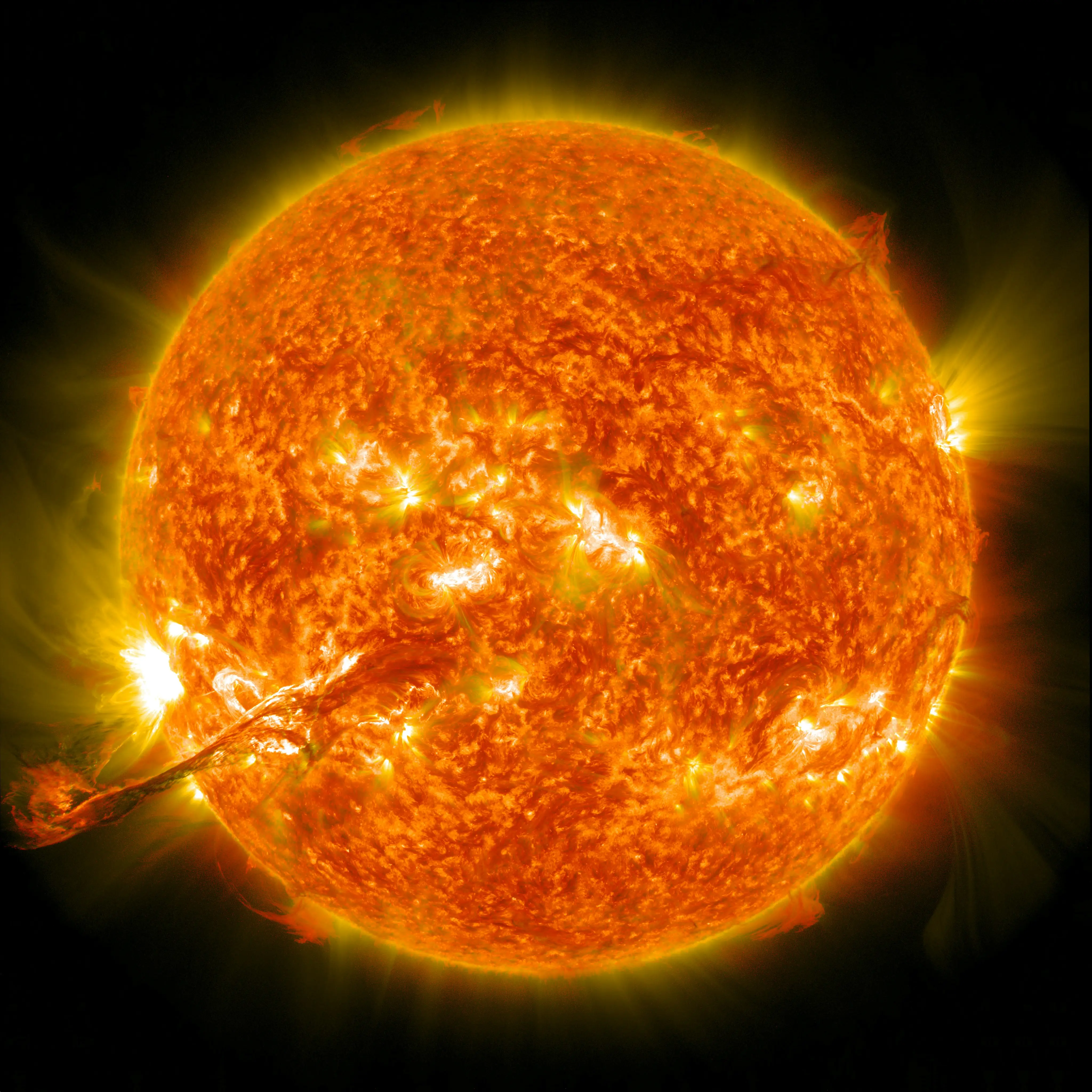
3I/ATLAS is only the third known object from outside our solar system, discovered by NASA's ATLAS telescope in July 2025. The first two were 1I/ʻOumuamua in 2017 and 2I/Borisov in 2019, which changed our understanding of interstellar objects.
Shape and Size Differences
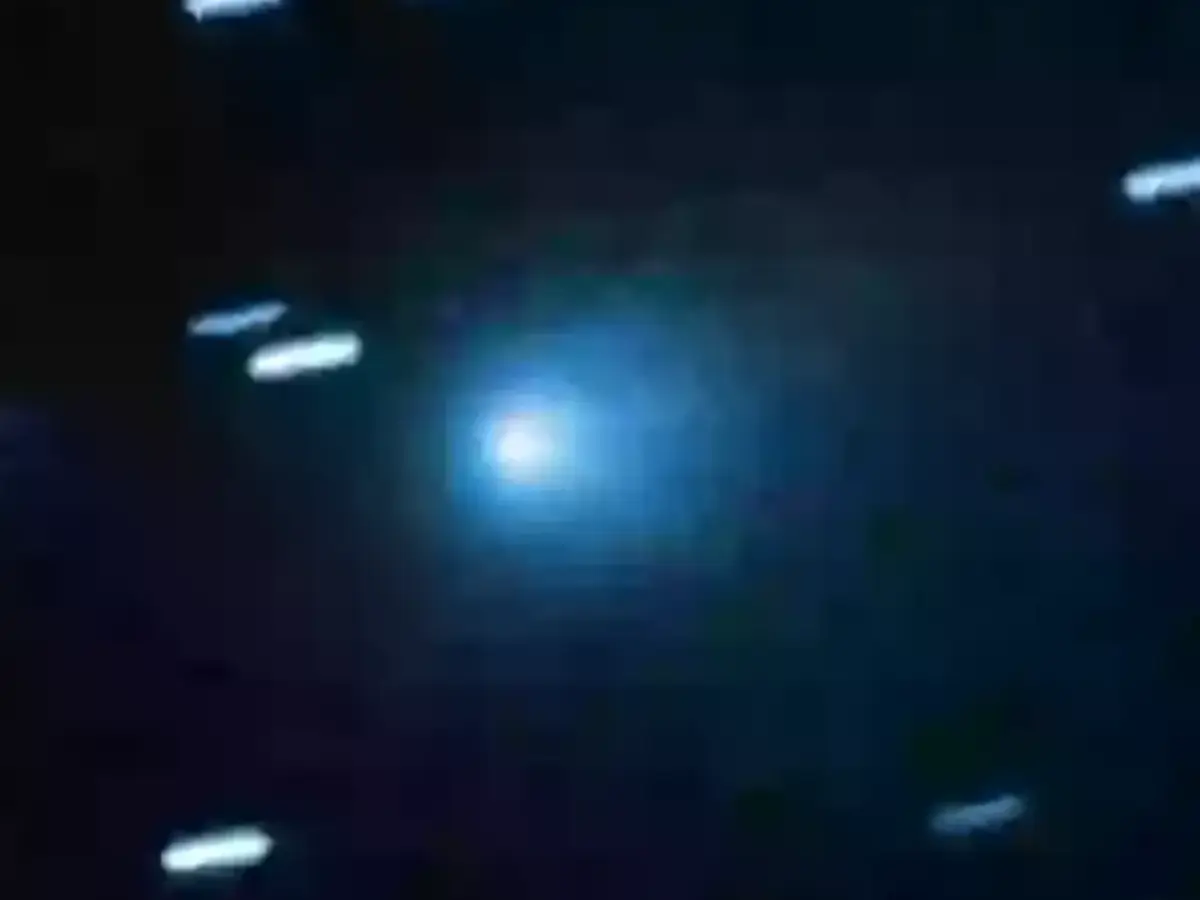
While ʻOumuamua had an unusual elongated shape, and Borisov was a typical small comet, 3I/ATLAS is larger and shows a coma and tail like a classic comet. Its nucleus may be about one kilometre wide and is thought to be older and denser than previous visitors.
Speed and Trajectory
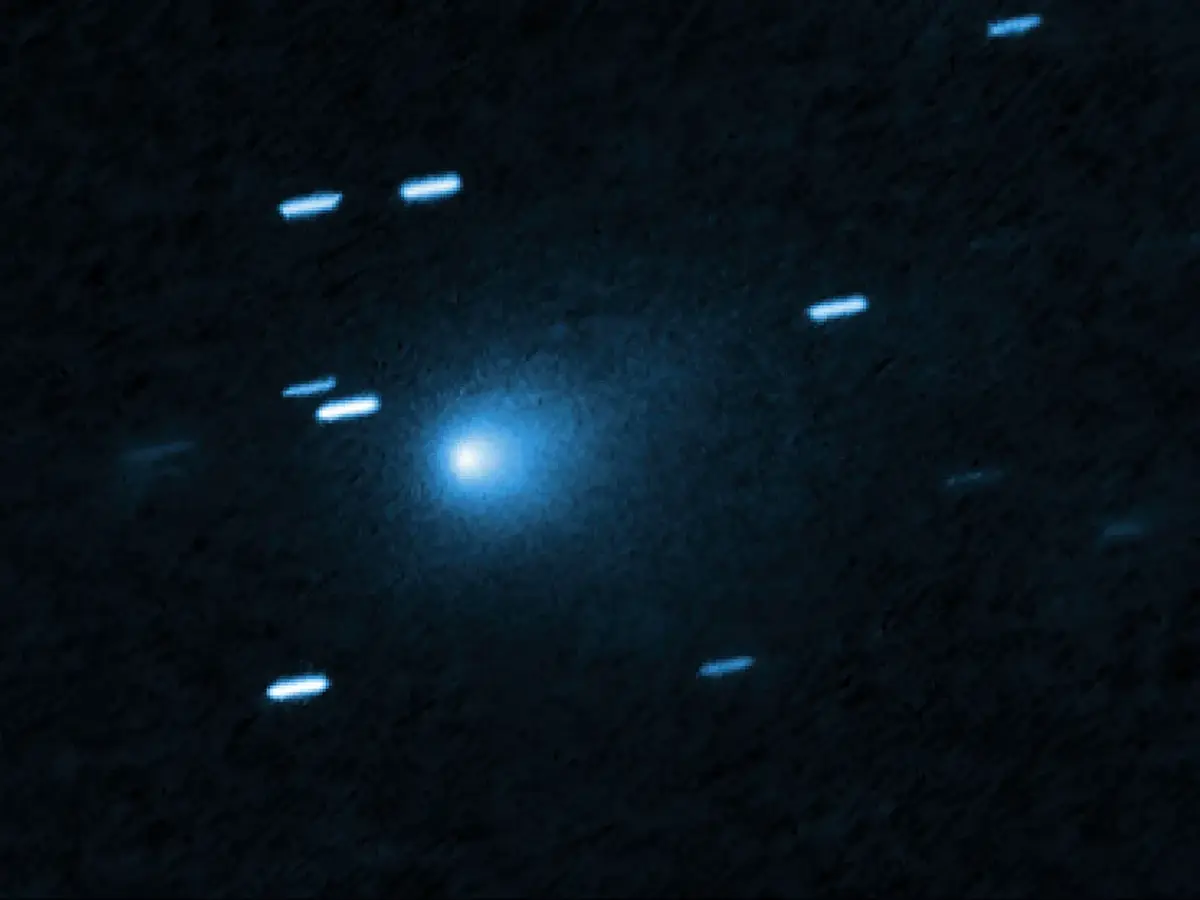
3I/ATLAS travels at nearly 130,000 mph, faster than ʻOumuamua and Borisov. It moves on a hyperbolic path showing it will not orbit the Sun or return. This speed and trajectory hint at a different origin or journey through the galaxy.
Composition and Activity
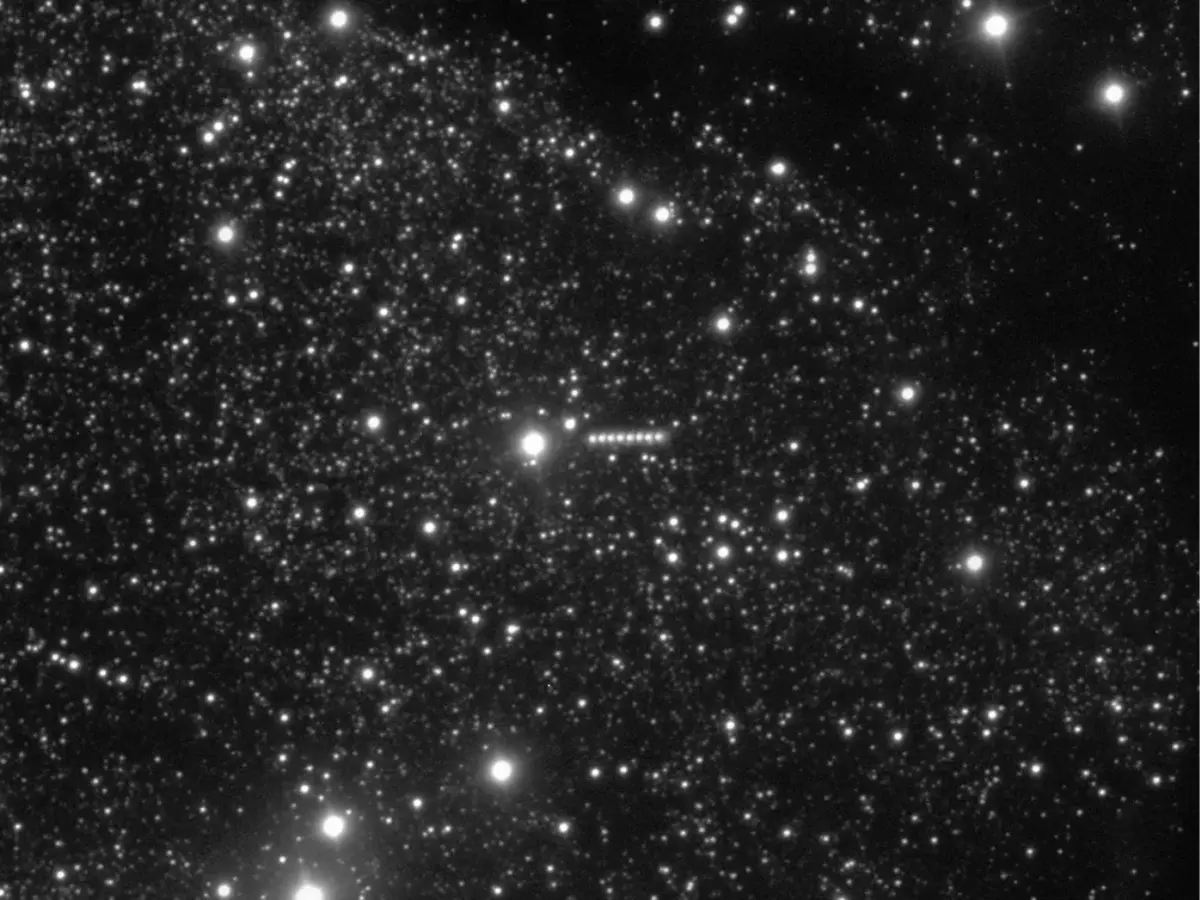
Unlike ʻOumuamua, which showed no coma, and Borisov, which looked like a typical comet, 3I/ATLAS has a bright coma and jets of gas and dust directed even toward the Sun, an unusual behaviour. Spectroscopy shows it contains carbon dioxide, cyanide, atomic nickel, and other gases.
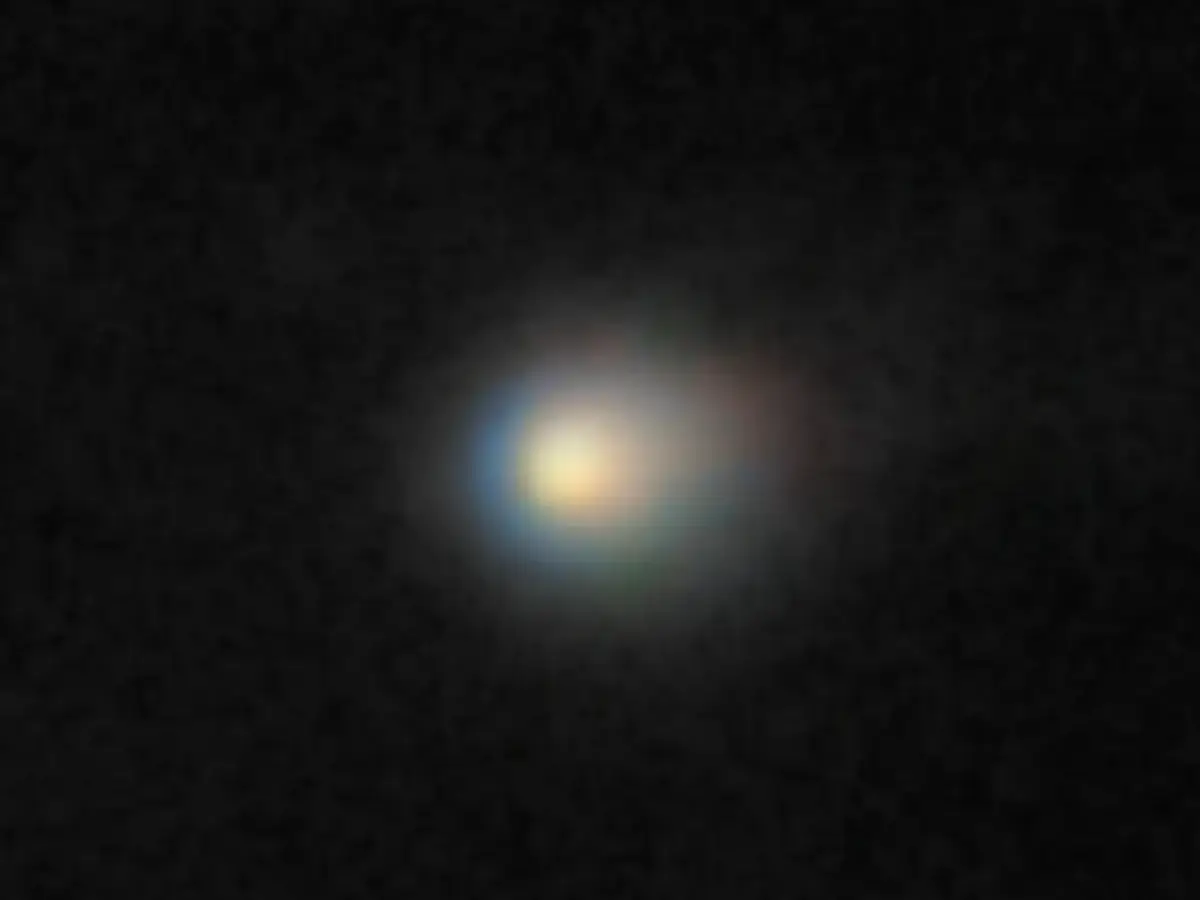
What Makes 3I/ATLAS So Unique?
Its stable shape despite solar heating, unusual emissions, possible composite or metallic layers, and high velocity make 3I/ATLAS a distinct object, merging aspects of comets and asteroids. It challenges traditional comet models and offers new insights into cosmic materials beyond our solar system.
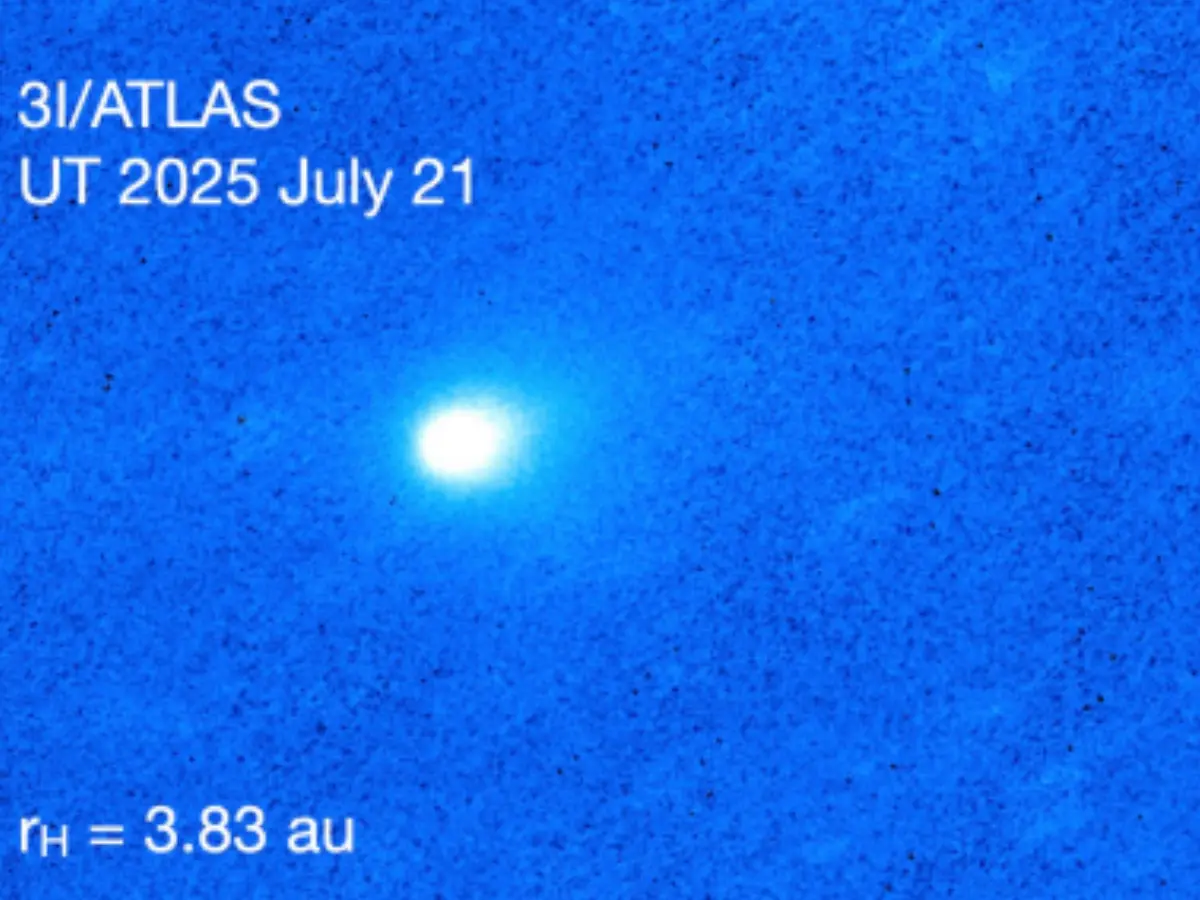
Observation Opportunities
Passing close to Mars and the Sun in 2025, 3I/ATLAS is studied by space telescopes like Hubble and James Webb, plus ground stations worldwide. Real-time tracking allows scientists to study it closely and learn more about interstellar space and planetary formation.
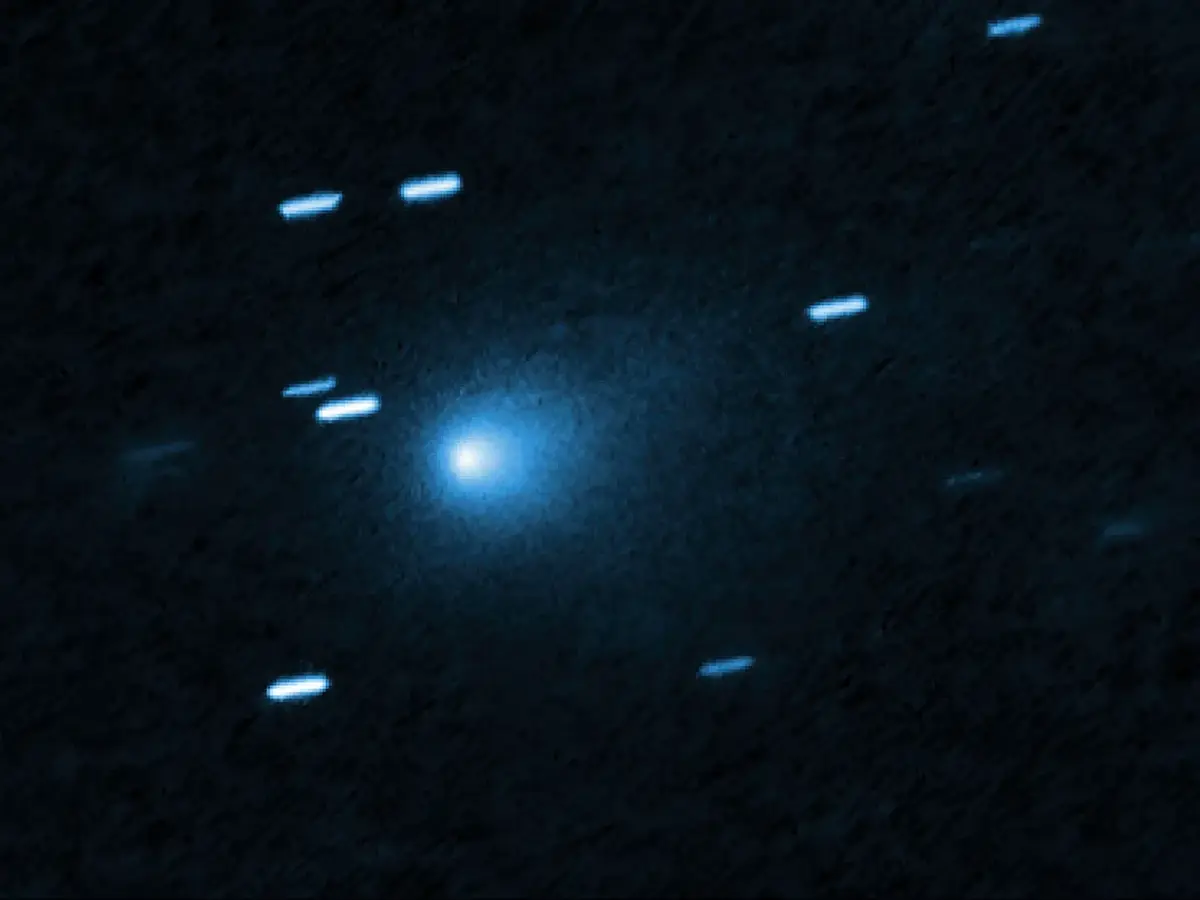
What Have We Learned So Far?
3I/ATLAS confirms that interstellar objects include varied types from rocky asteroids to icy comets with strange features. It shows the diversity of the galaxy's debris and the complexity of star system development beyond our Sun. Future discoveries may reveal even more unusual visitors.
)
)
)
)
)