3I/ATLAS turns blue and bright: Could a 'hot engine' or 'artificial light' be the source?

3I/ATLAS update today: The comet has undergone several changes near the Sun. Several astronomers and a comet hunter observed it and saw it changing acceleration and its colour. Here is what we know about its encounter with the Sun.
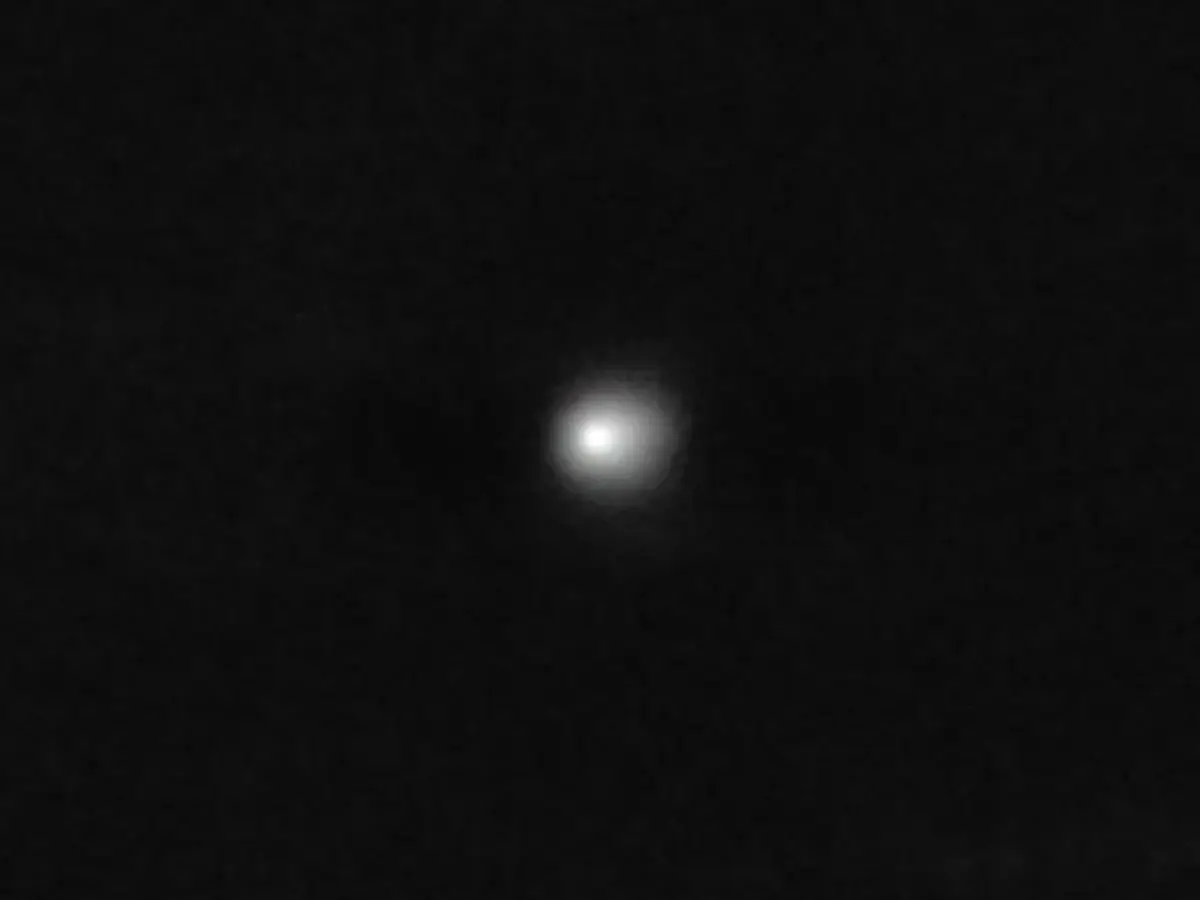
3I/ATLAS switches things near Sun
Interstellar comet 3I/ATLAS has left scientists speechless once again with everything that has been observed at perihelion. The visitor from outer space witnesses certain changes which shouldn't have happened. Its acceleration, movement, brightness and colour have undergone an unexpected shift.
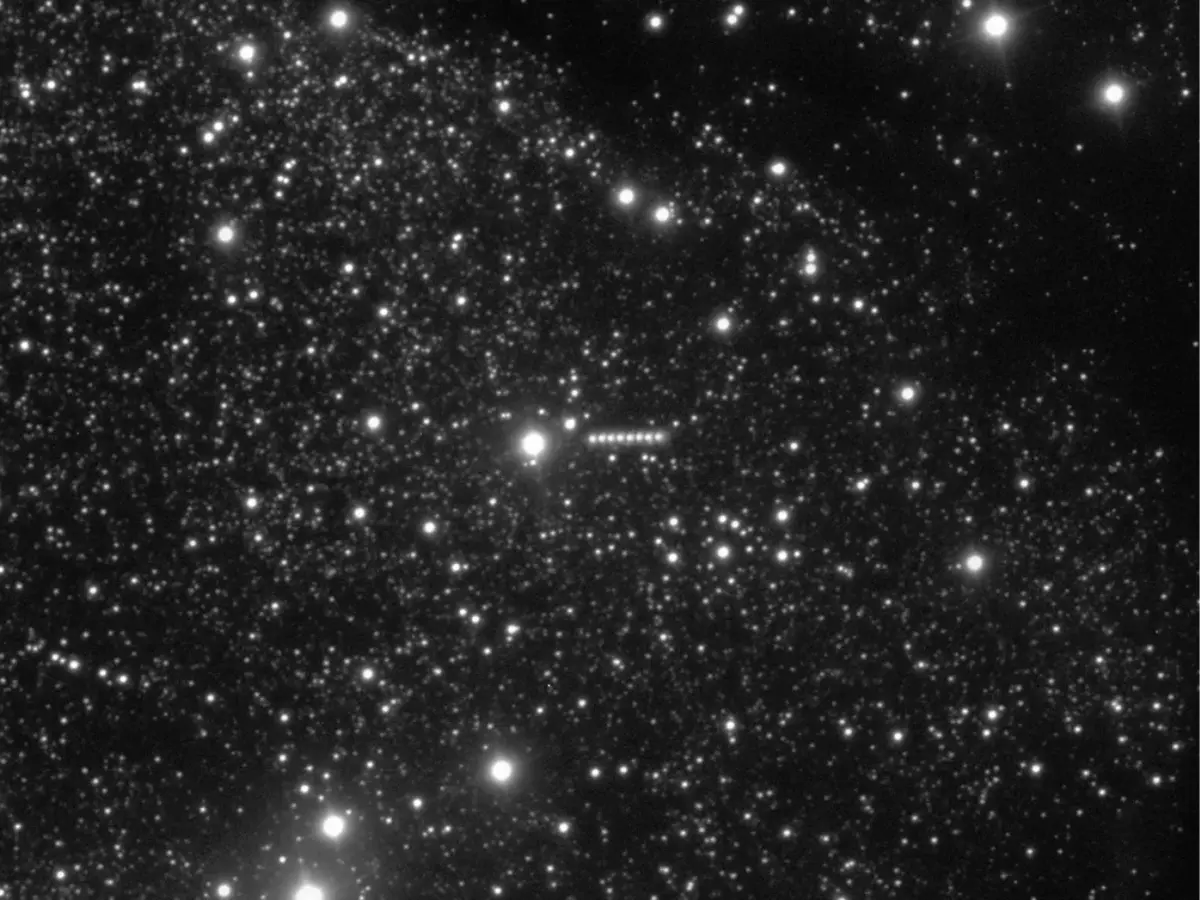
First non-gravitational acceleration observed for 3I/ATLAS
3I/ATLAS displayed its first non-gravitational acceleration when it reached near the Sun. According to data from NASA, the object shifted abruptly. Two changes were noted in its orbital plane. There was a radial acceleration away from the Sun of 135 kilometres per day squared, and a transverse acceleration relative to the Sun’s direction of 60 kilometres per day squared.
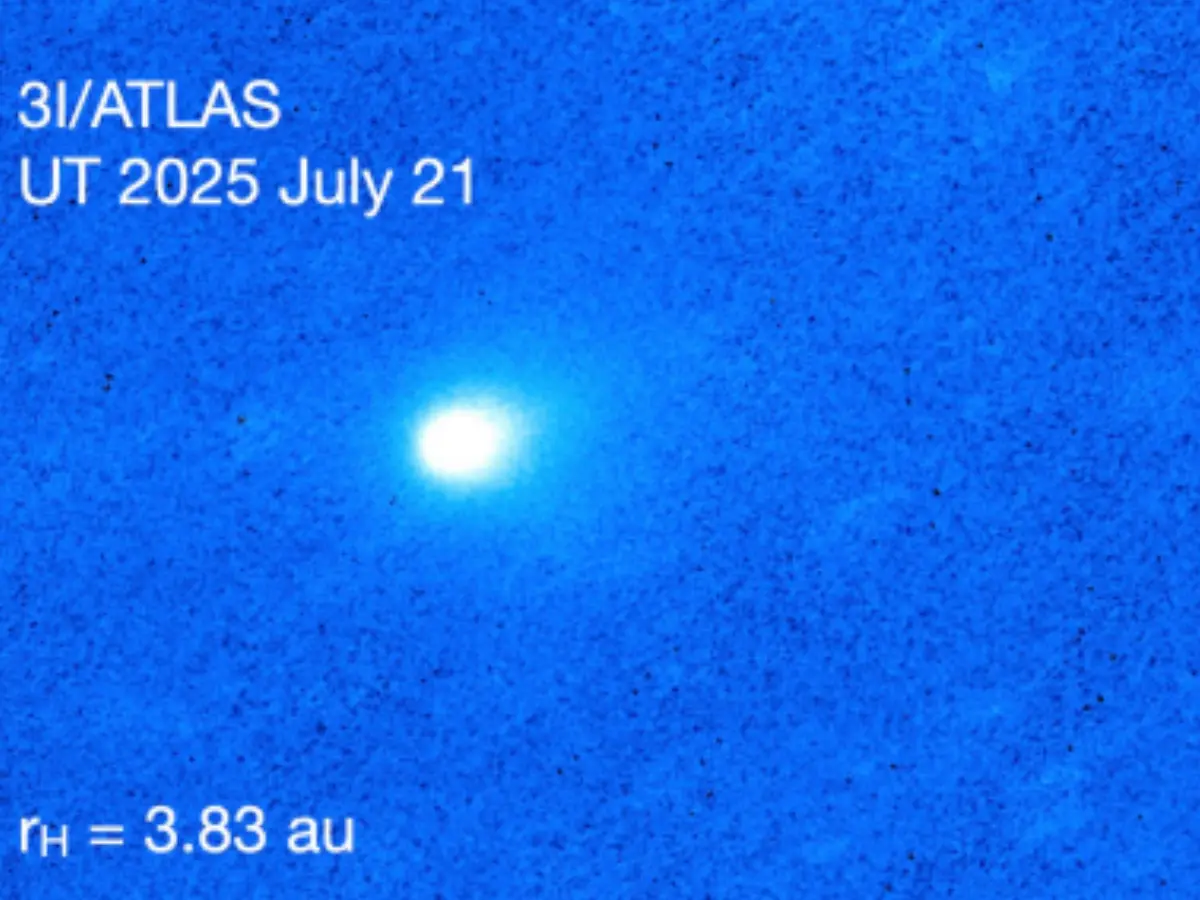
Is something driving 3I/ATLAS from the inside?
Harvard scientist Avi Loeb says this could be a sign of an artificial energy powering 3I/ATLAS, something driving the object from the inside. "The non-gravitational acceleration might be the technological signature of an internal engine," he said.
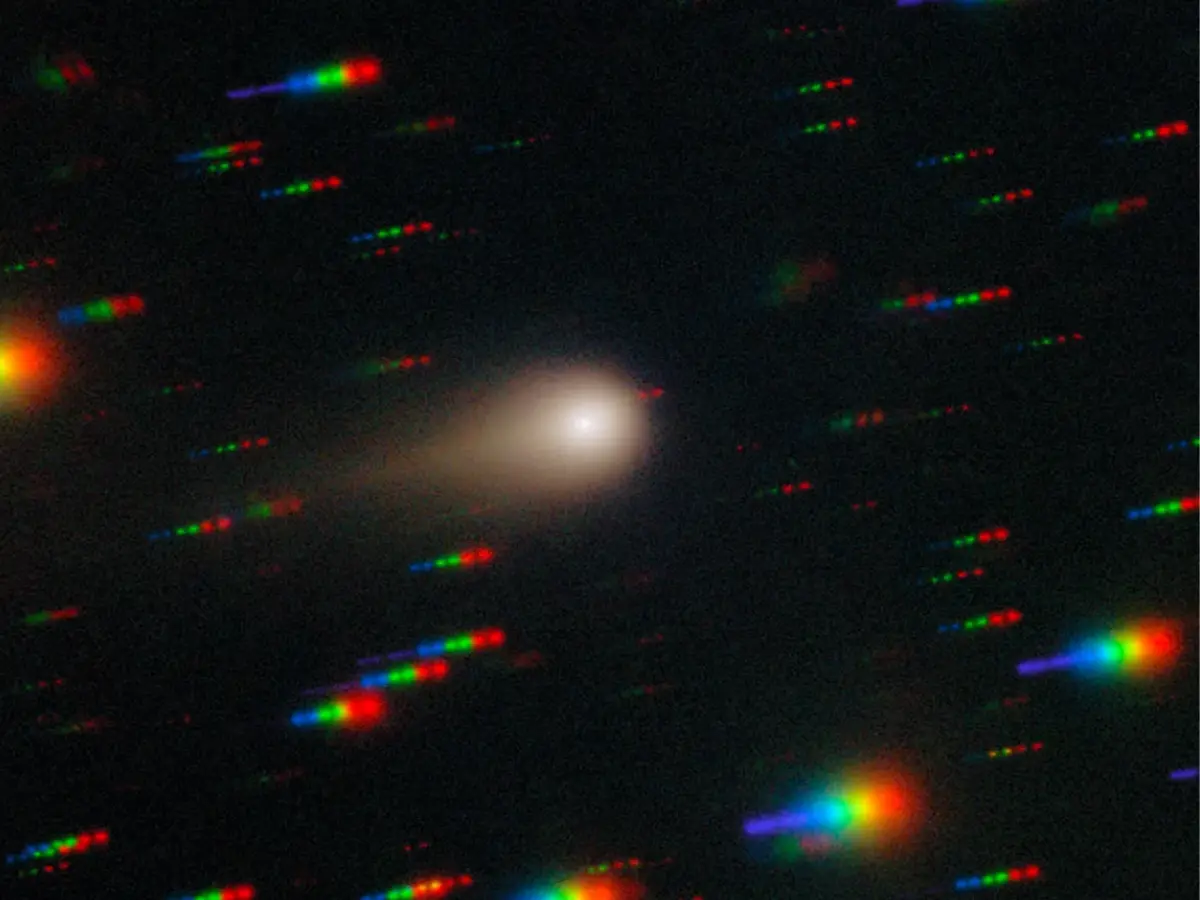
3I/ATLAS has become blue, instead of red
The comet has also changed colour. While comets are expected to do so near the Sun, 3I/ATLAS did not conform to the norm. Comets typically turn red near the Sun, since the dust around them scatters the sunlight, giving off a reddish hue. However, the interstellar comet has turned blue, which is surprising.
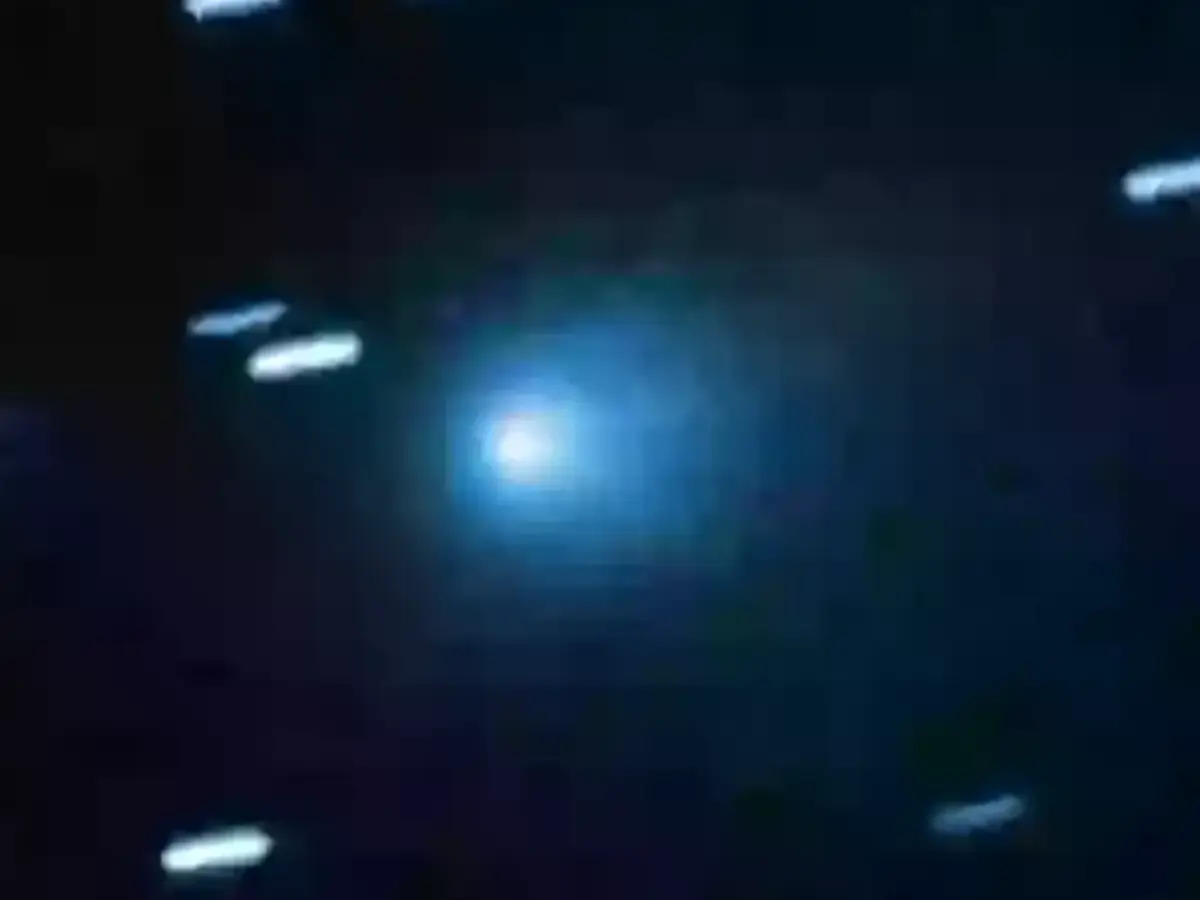
3I/ATLAS turning blue is 'ninth anomaly'
Loeb says the blue appearance at perihelion "is a ninth anomaly in the list of unexpected properties of 3I/ATLAS." He had earlier listed eight anomalies displayed by 3I/ATLAS. "It could potentially be explained by a hot engine or a source of artificial light," he said.
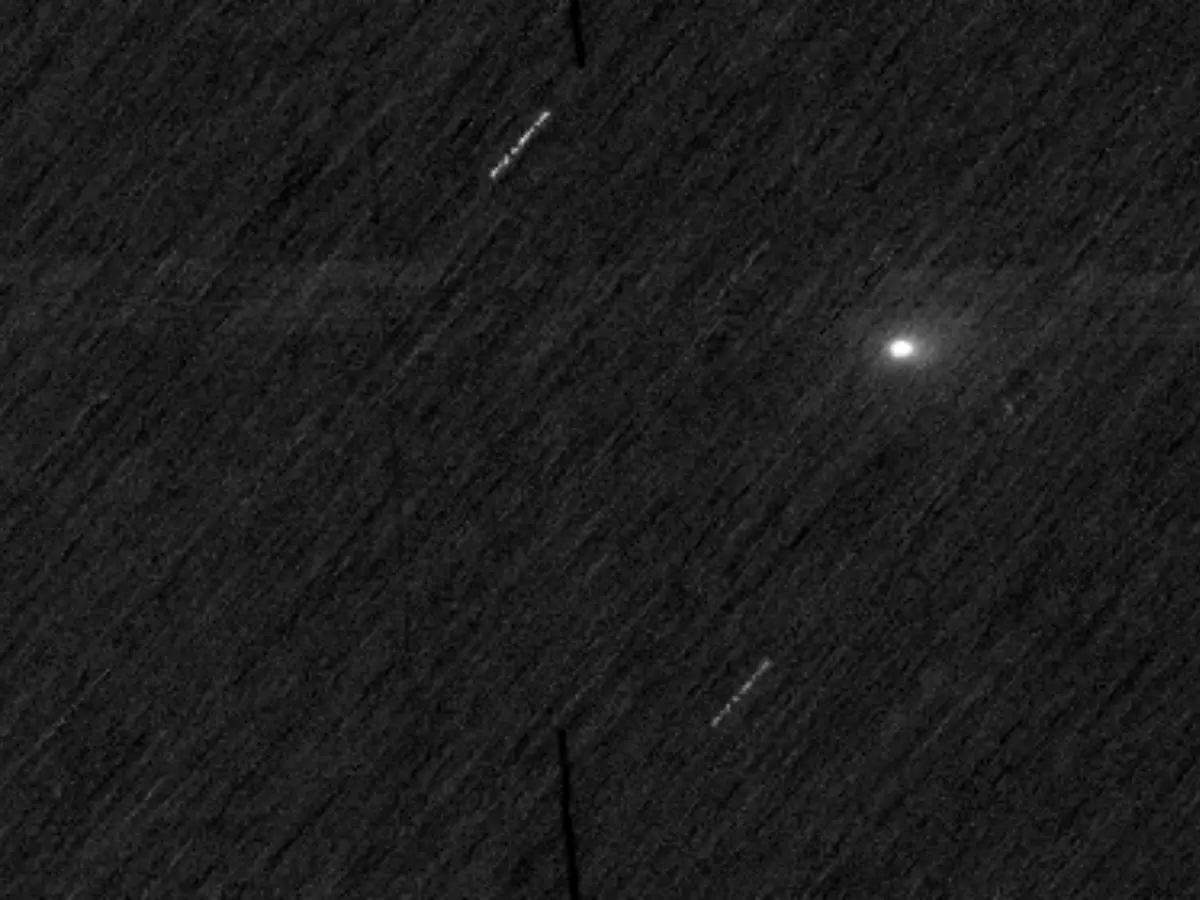
3I/ATLAS became way brighter near the Sun
Another thing that has happened with 3I/ATLAS near the Sun is the change in its brightness. The comet became extremely bright as it reached perihelion. Two scientists stated on October 28 in a study that 3I/ATLAS rapidly brightened ahead of perihelion. They put the figure at roughly magnitude 9 at perihelion.
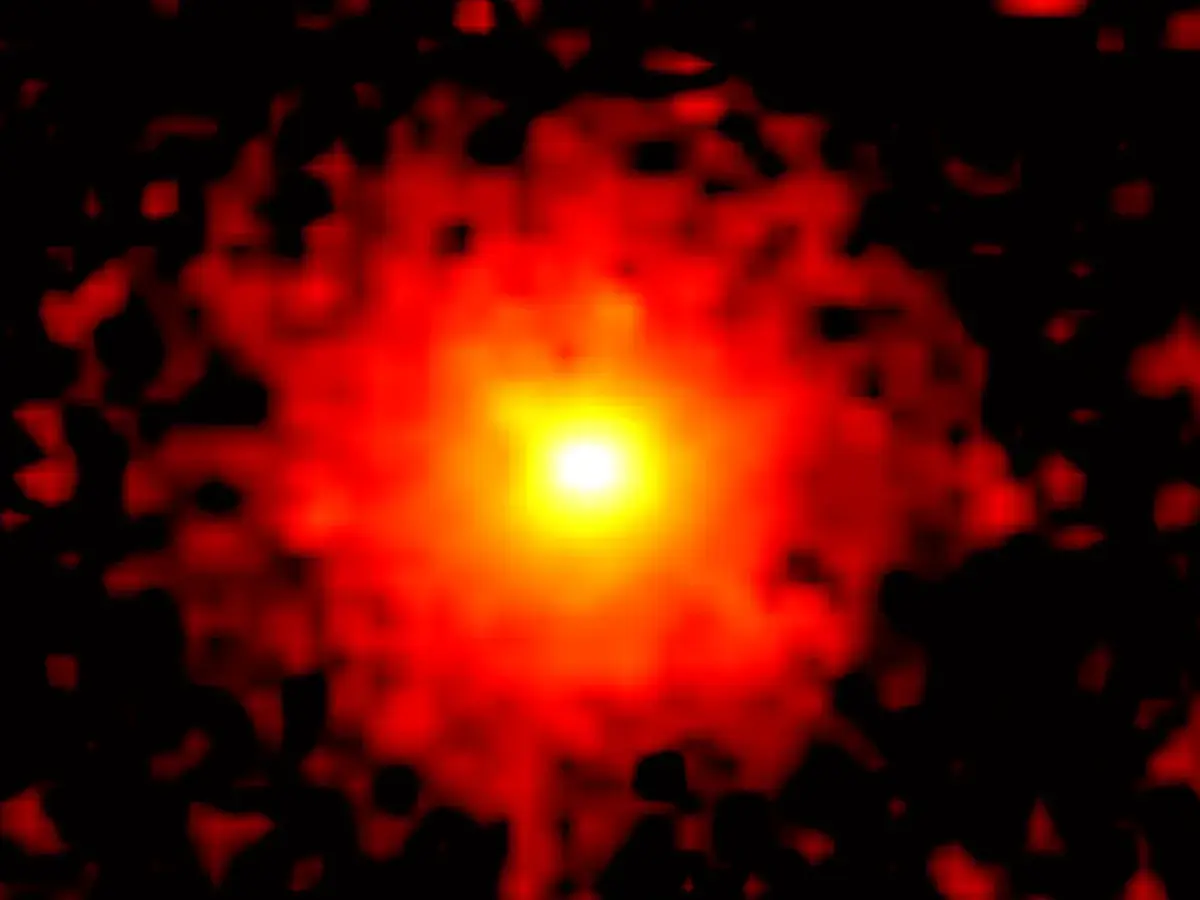
3I/ATLAS is bright like a star
While 3I/ATLAS was not expected to be visible during this time, amateur astronomer and comet hunter Worachate Boonplod spotted it using the National Oceanic and Atmospheric Administration's GOES-19 weather satellite. He said the brightness of 3I/ATLAS was comparable to nearby stars with a magnitude ~11. "The comet is moving from left to right (relative to both the field and background stars) and should go out of the CCOR-1 field on October 24."
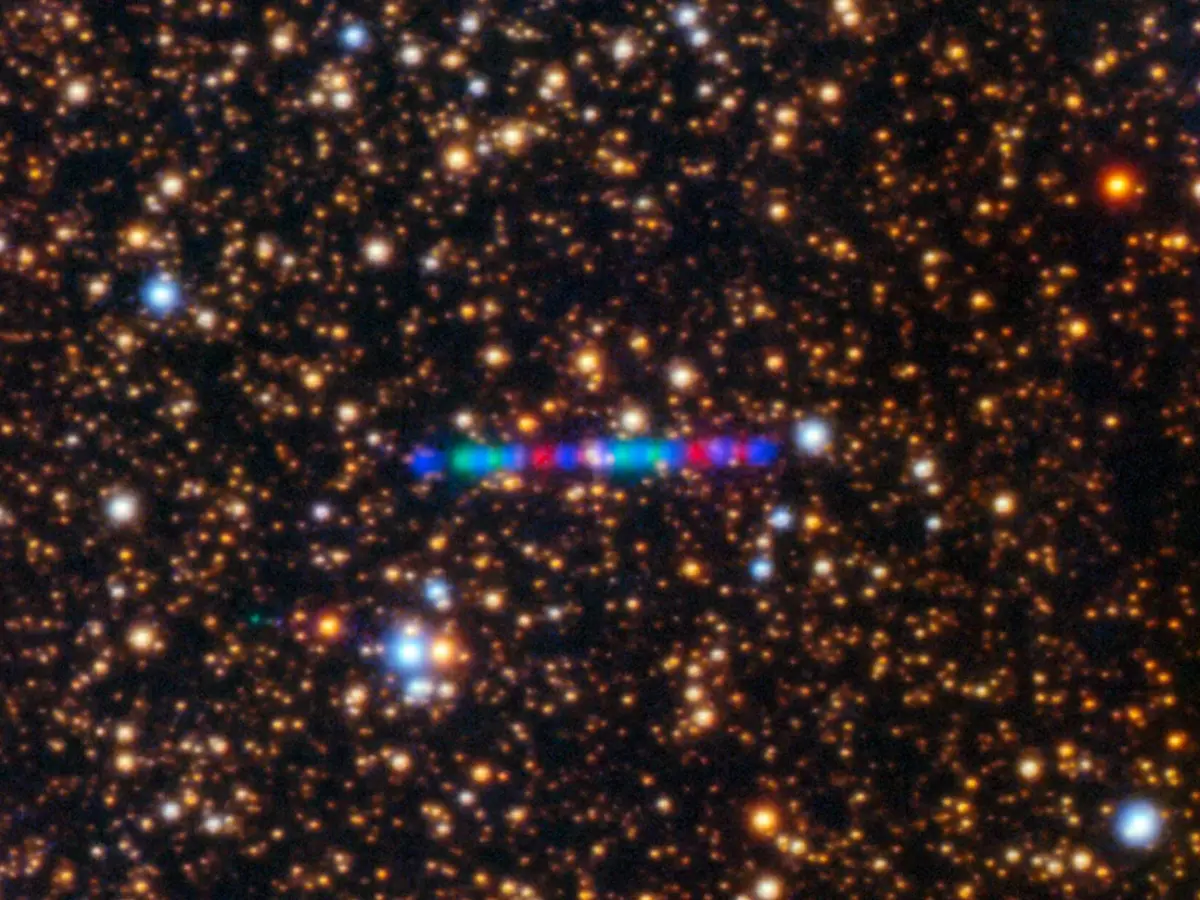
3I/ATLAS could lose a lot of mass
3I/ATLAS is also expected to lose considerable mass because of the outgassing near the Sun. "Massive evaporation of 3I/ATLAS might explain its unusual brightening," Loeb said. The real picture will be captured by other spacecraft watching 3I/ATLAS in space. It will reemerge by the end of November and December, when scientists will be waiting with their telescopes pointed at it.
)
)
)
)
)