3I/ATLAS mysterious anti-tail baffles scientists — Theories offered for bizarre structure

Latest updates on 3I/ATLAS: New photos of the interstellar comet are showing the anti-tail more clearly, with at least two cometary jets also visible. Scientists are trying to decode the reason for the strange jets. Here are some explanations offered for 3I/ATLAS anti-tail.
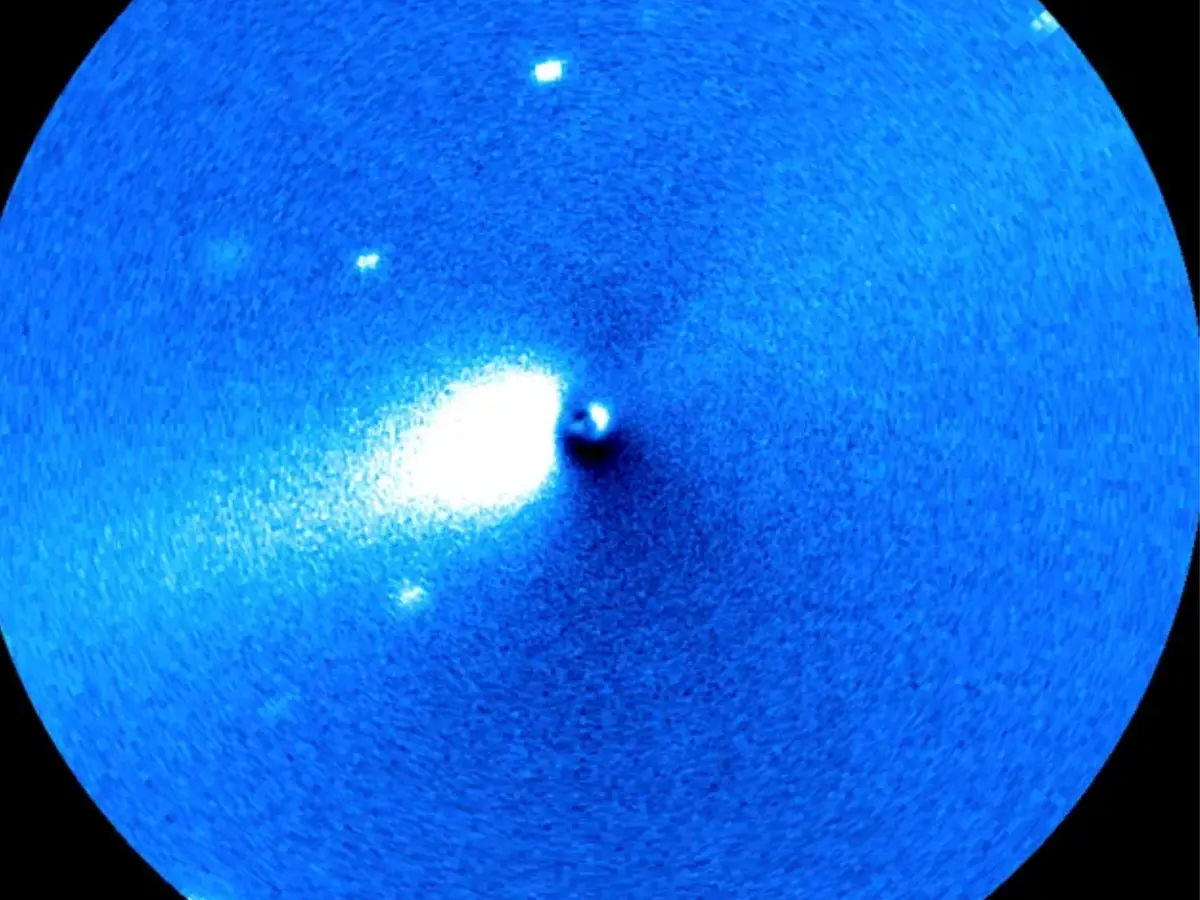
3I/ATLAS has prominent anti tail
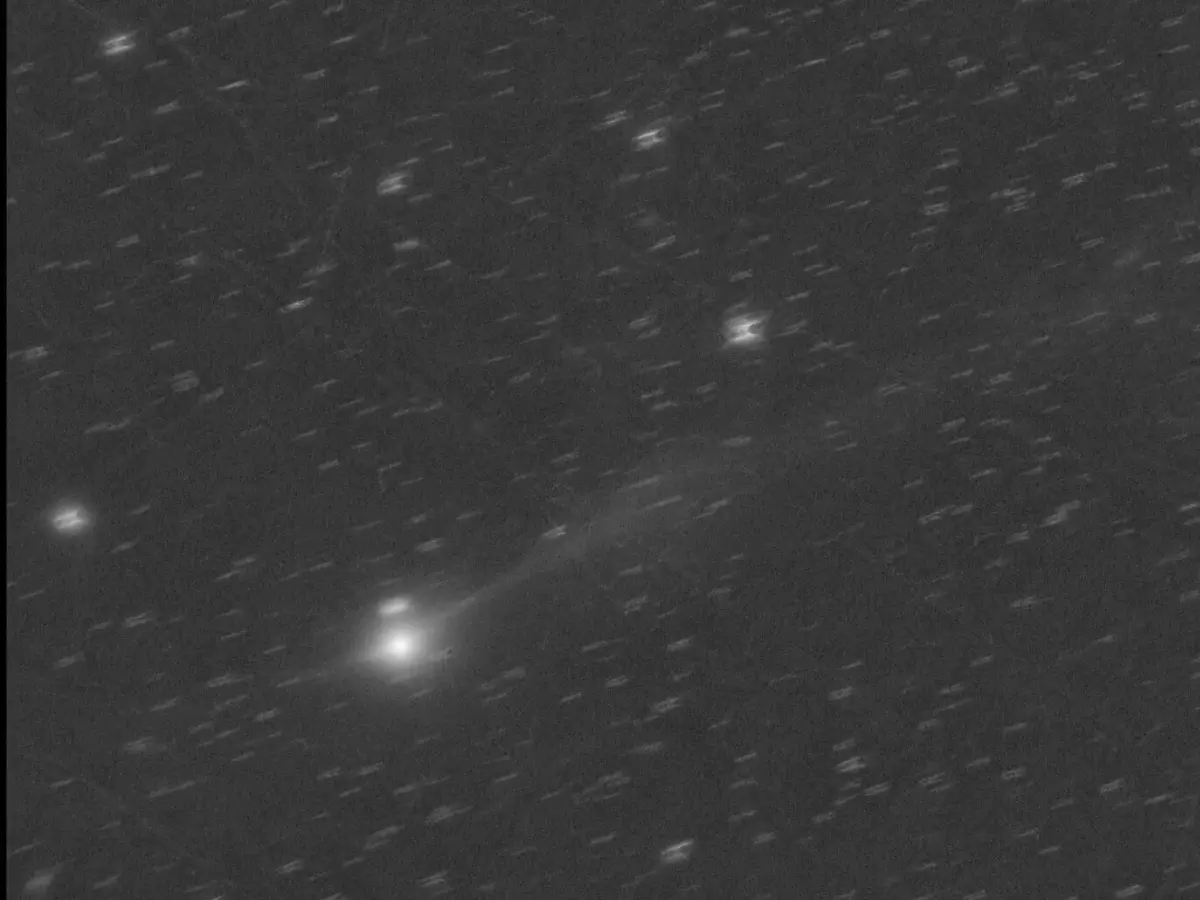
As more images of 3I/ATLAS emerge from around the world, the tale of the anti-tails continues to flummox scientists. If this interstellar object is a natural comet, why is it releasing so many jets, especially towards the Sun? This is not common behaviour for comets. Images clearly show at least two long jets moving away from the Sun, and one tail in the direction of the Sun.
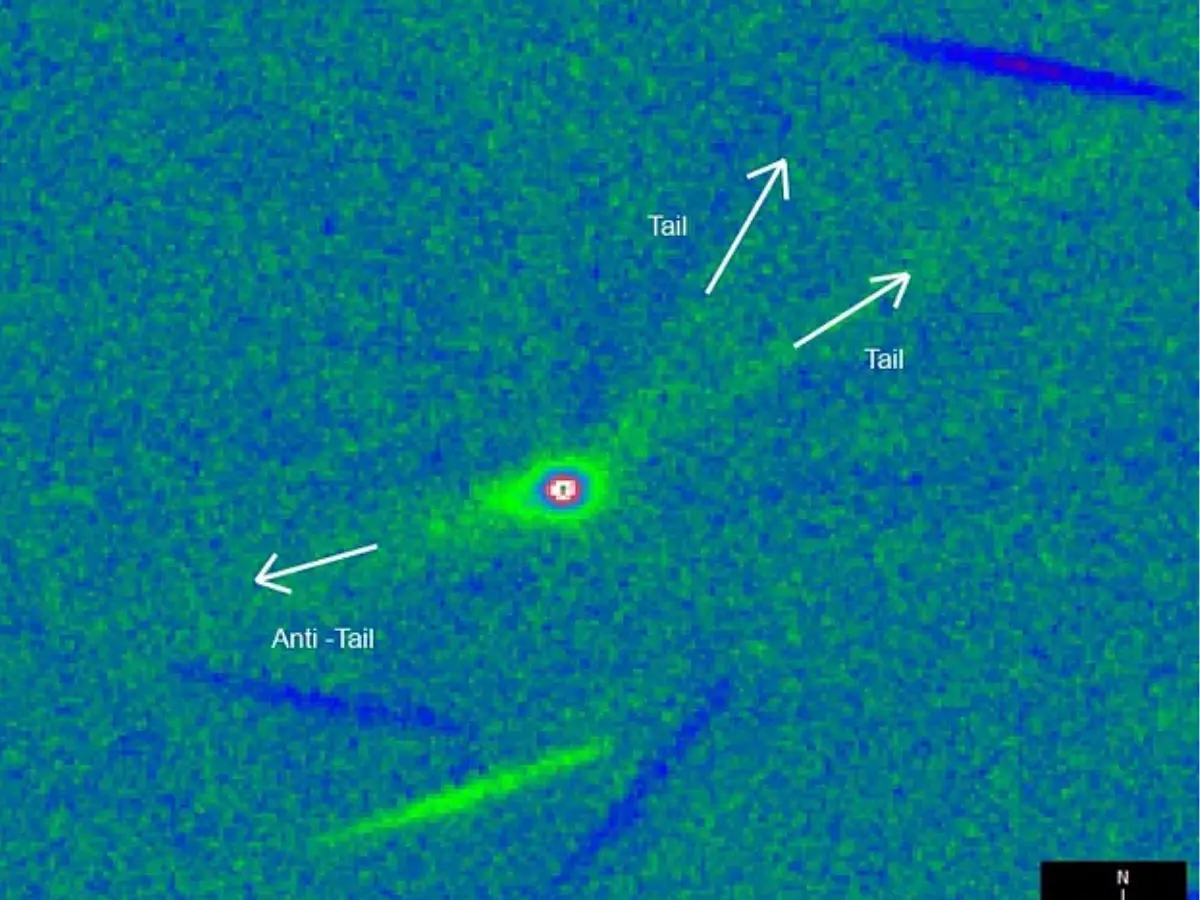
3I/ATLAS photo from Thailand shows two tails and one anti-tail
A photo taken from Thailand by Teerasak Thaluang shows "an anti-tail pointing toward the Sun, along with two long tails." Gianluca Masi, of the Virtual Telescope Project, shared photos of 3I/ATLAS showing a long tail and an anti-tail. Pictures taken by M. Jäger, G. Rhemann and E. Prosperi also show a complex jet structure, as do images shared by Frank Niebling and Michael Buchner.
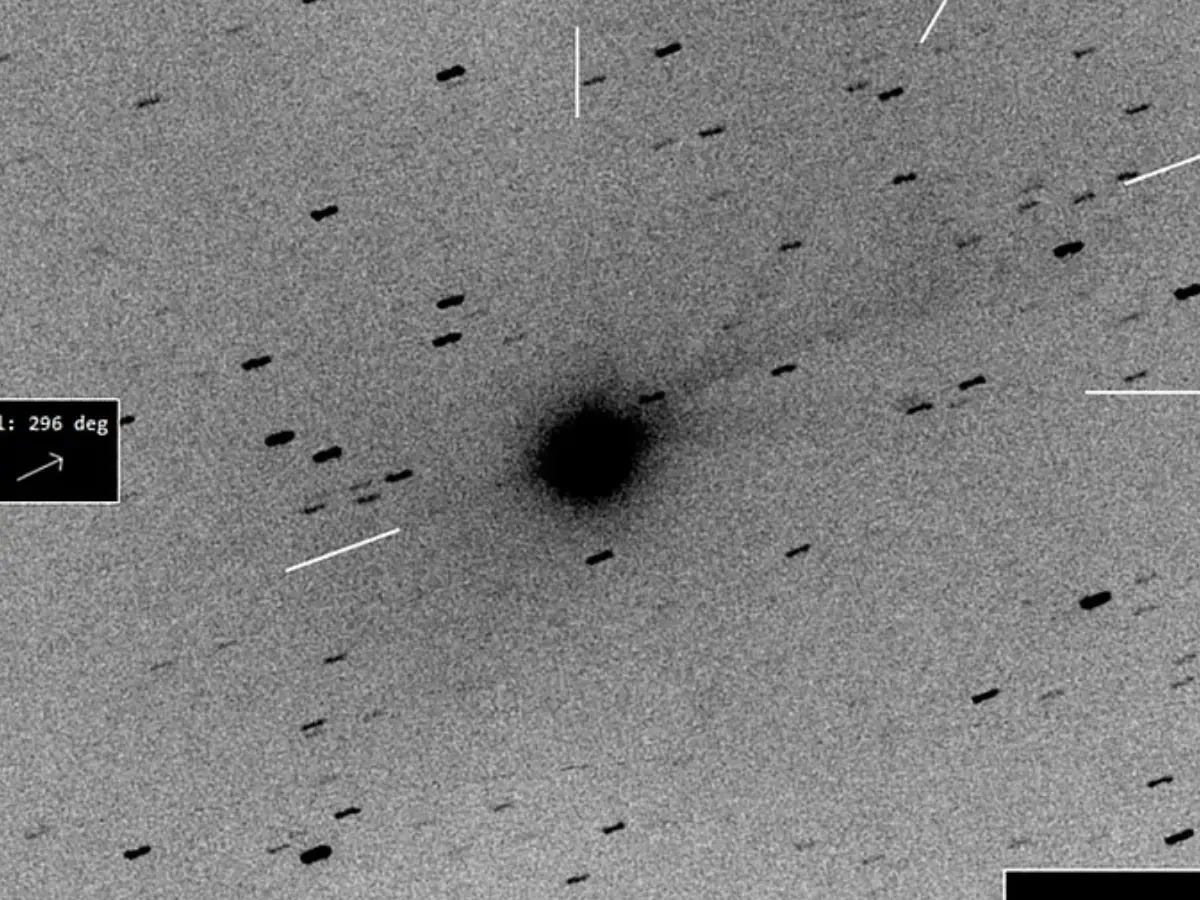
Larger dust grains in 3I/ATLAS could be triggering anti-tail
According to David Jewitt and Jane Luu of the Department of Earth, Planetary and Space Sciences, UCLA, one reason for this occurrence could be the release of giant dust particles with an effective radius of approximately 100 micrometres. In normal comets, the dust grains are tiny with a high surface-area-to-mass ratio. In 3I/ATLAS, the anti-tail might come from much larger dust grains, which could be around 100 µm in radius.
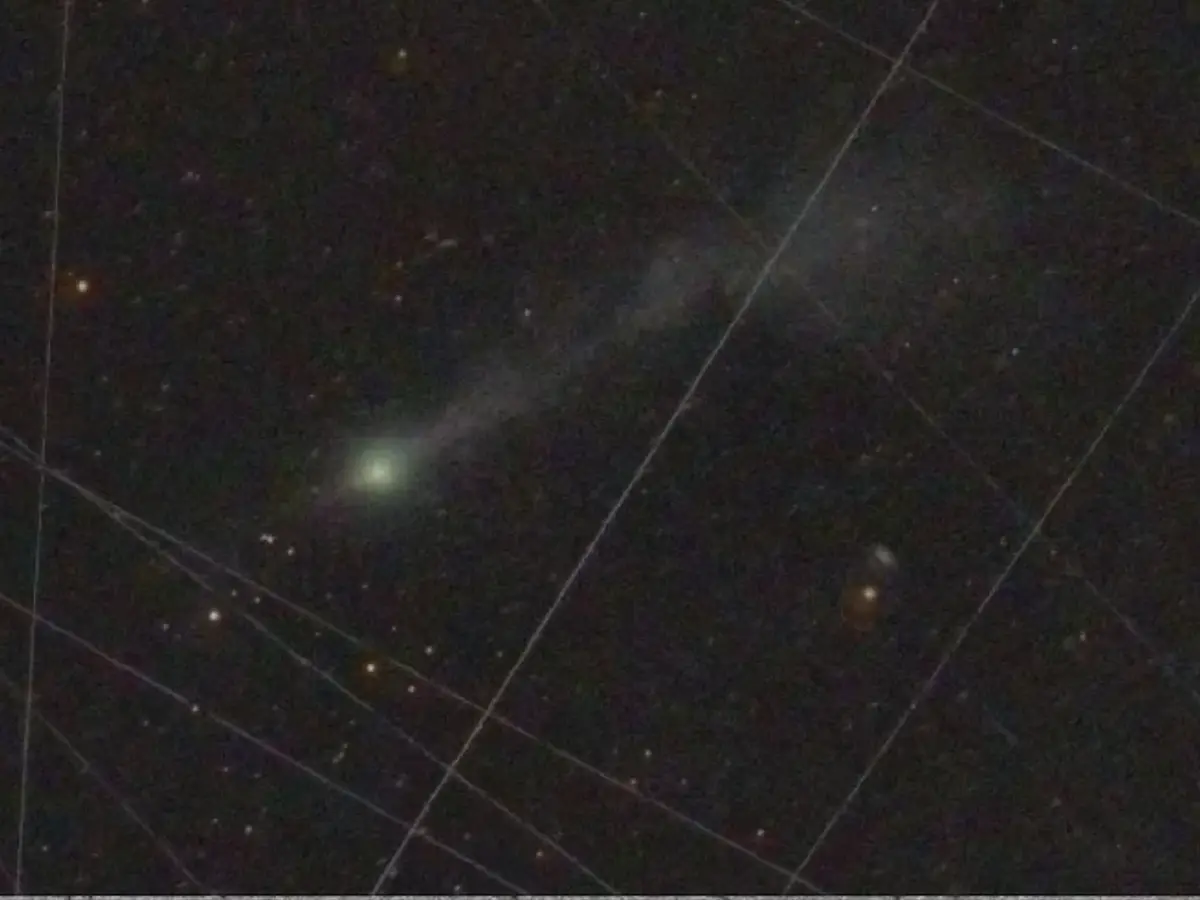
Radiation pressure from the Sun loses its power for bigger grains
Sunlight exerts a force on these grains, but it happens differently for small and big grains. While the small grains feel this force strongly because they have a lot of surface area compared to their mass, the larger grains have much more mass for the same surface area, making the radiation pressure less effective. So in the first case, we see a tail, while in the latter, an anti-tail emerges.
Fragments of ice and not dust could be forming the anti-tail on 3I/ATLAS
Another possibility for anti-tail in 3I/ATLAS, suggested by Harvard scientists Eric Keto and Avi Loeb, is that the scattering of sunlight is being produced by fragments of ice instead of refractory dust particles. The ice is possibly getting evaporated before getting a chance to turn around and produce a traditional cometary tail away from the Sun, thus turning into an anti-tail.
Could technological thrusters be forming the anti-tail?
Last but not least, Loeb again puts forward the theory that the anti-tail could be the result of "technological thrusters" which are generating fast, collimated jets that are accelerating 3I/ATLAS away from the Sun. The powerful jets could be punching through the solar wind over a million kilometres.
Thrusters could be at speeds of several kilometres per second
Natural comet outgassing usually has speeds up to a few hundred metres per second. For thrusters, the exhaust speeds could be in kilometres per second. Loeb states that future spectroscopic data will enable calibration of the outflow speed and distinction between natural outgassing and artificial jets.
3I/ATLAS arrival date for Earth
The next big date for 3I/ATLAS is December 19, 2025, when it will make its closest approach to Earth. This is when astronomers might be able to answer most questions about the third interstellar visitor zooming through our solar system, which will soon leave, never to return.
)
)
)
)
)