Solar conjunction or perihelion, where is 3I/ATLAS at the moment?

Where is interstellar comet 3I/ATLAS now? Will it be visible again? Can we see 3I/ATLAS with the naked eye? The alien comet has reached solar conjunction and will soon be at perihelion. What is the difference between the two?
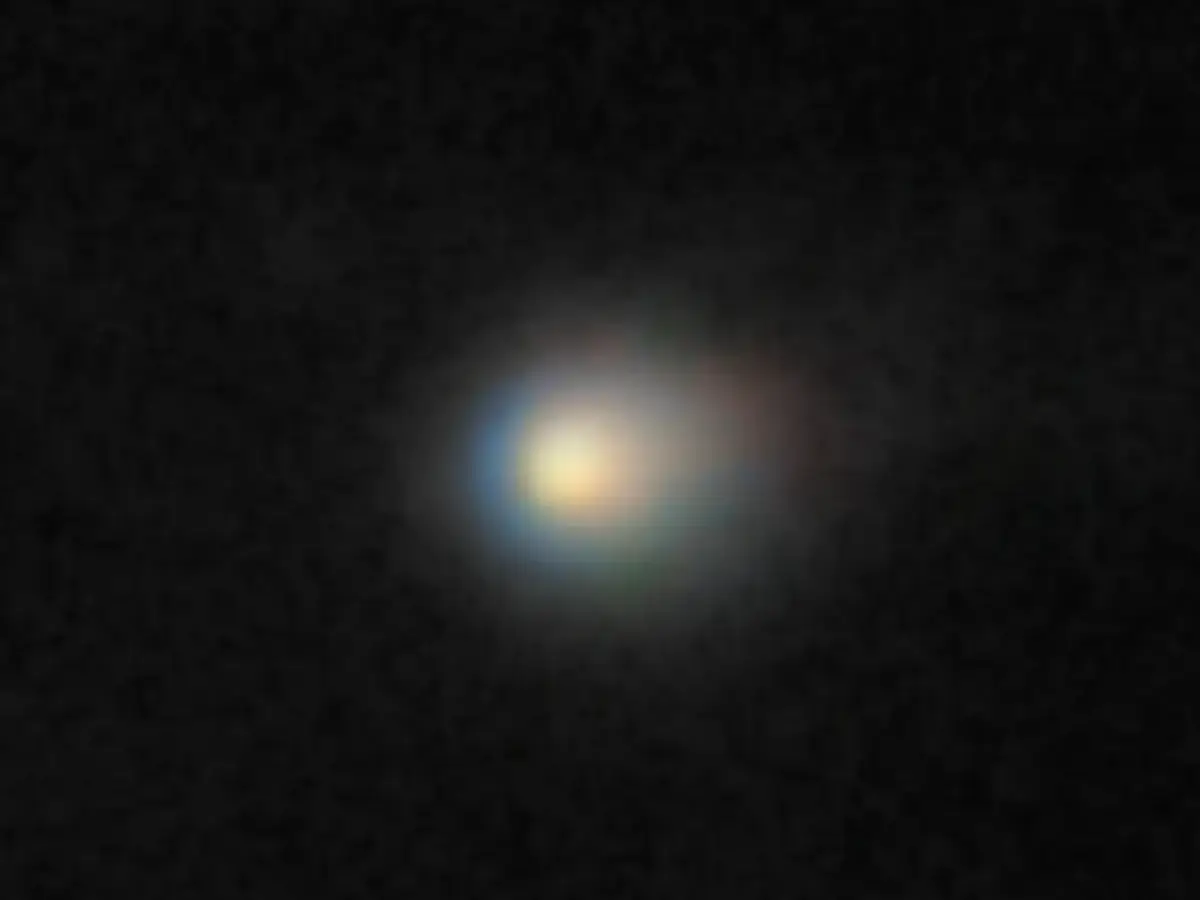
How much will we ever know about 3I/ATLAS? Not much, going by its trajectory
Interstellar comet 3I/Atlas is travelling through our solar system, having already moved past Mars, at an astounding speed of 210,000 km/hour. Its size, light, components, the absence of a cometary tail for the longest time, among other things, have caused quite a stir in scientific communities. But not a lot is still known about it, and we might never really know many details about 3I/ATLAS. It is expected to quietly leave the solar system in the coming months.
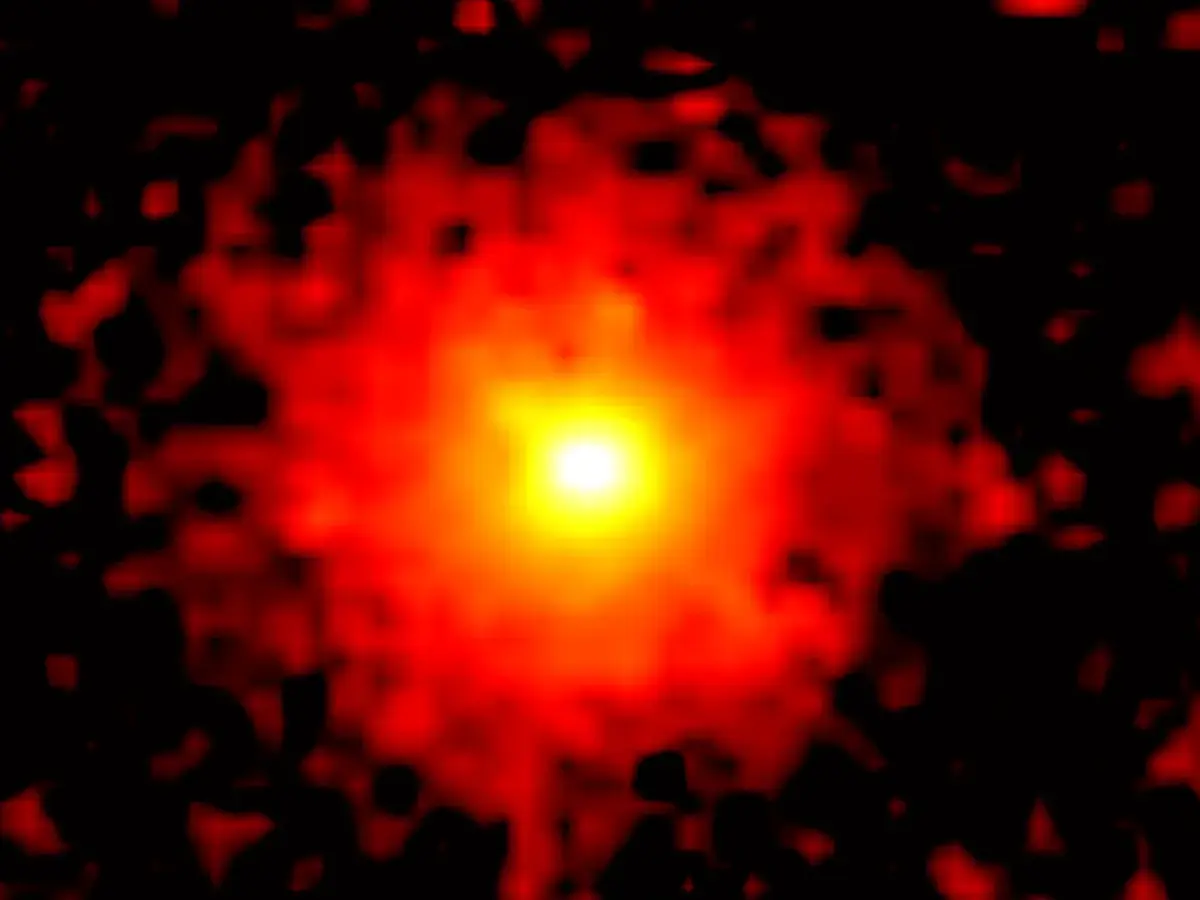
3I/ATLAS and the Sun - What's the chatter about?
Lately, you must have heard the terms solar conjunction and perihelion with reference to 3I/ATLAS. The comet's approach to the Sun is generating quite a lot of buzz, especially since some scientists think it could use our star's gravity to fling itself towards Earth. This is only a scenario in case it is actually an alien spaceship. The two words are also linked to the Sun.
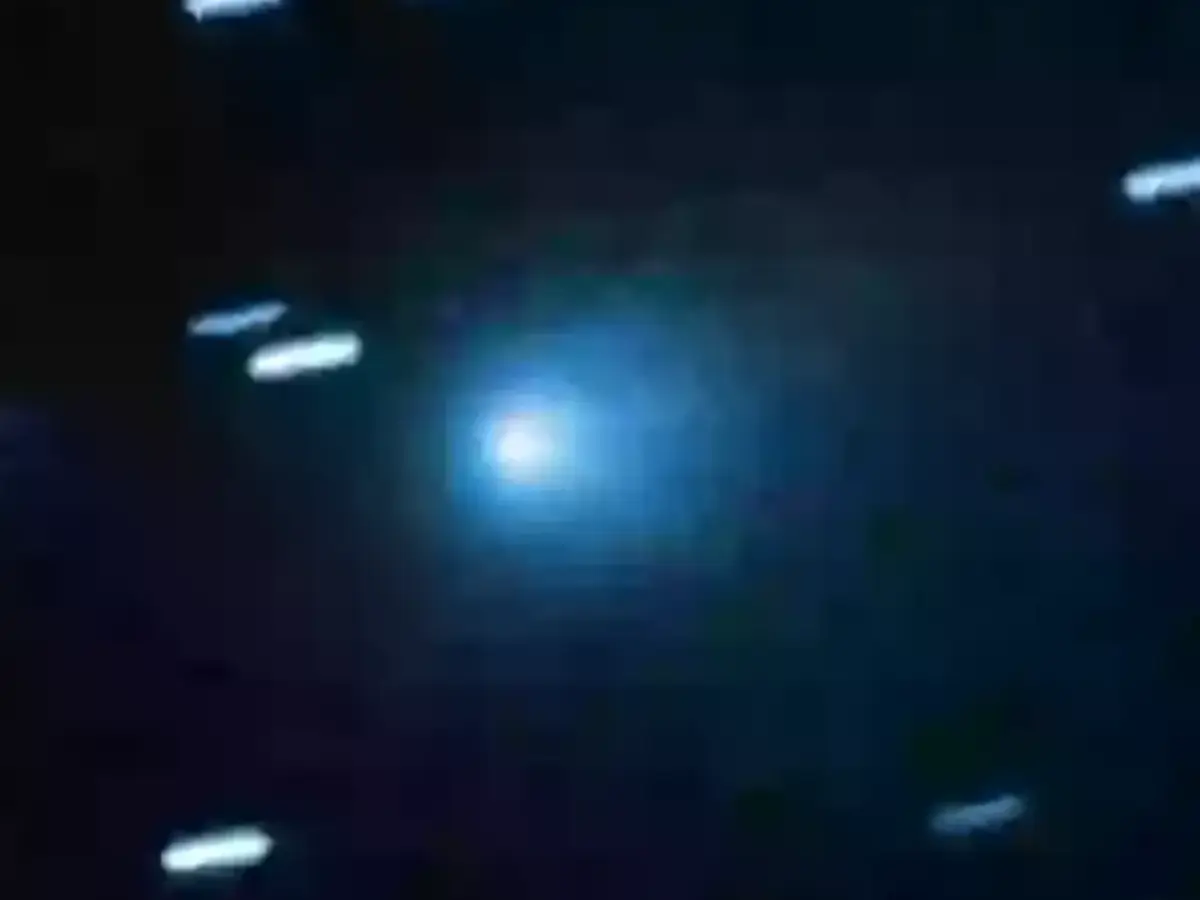
Where is 3I/ATLAS right now?
At this time, the comet has hidden itself from us. As it travels towards the inner solar system, it has gone behind the Sun. Its proximity to our star has made it invisible to us. It will stay in this place for some more time.
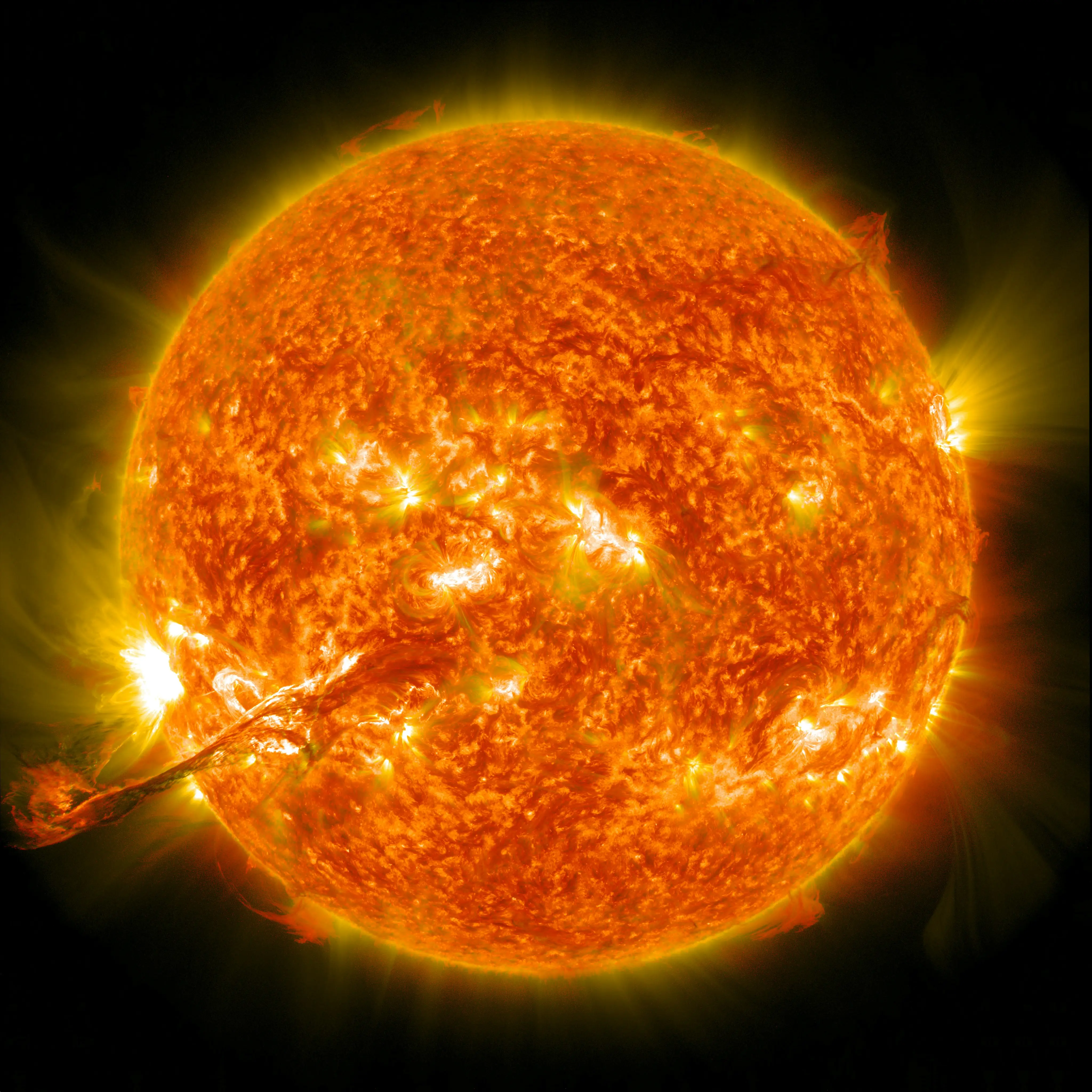
3I/ATLAS and solar conjunction
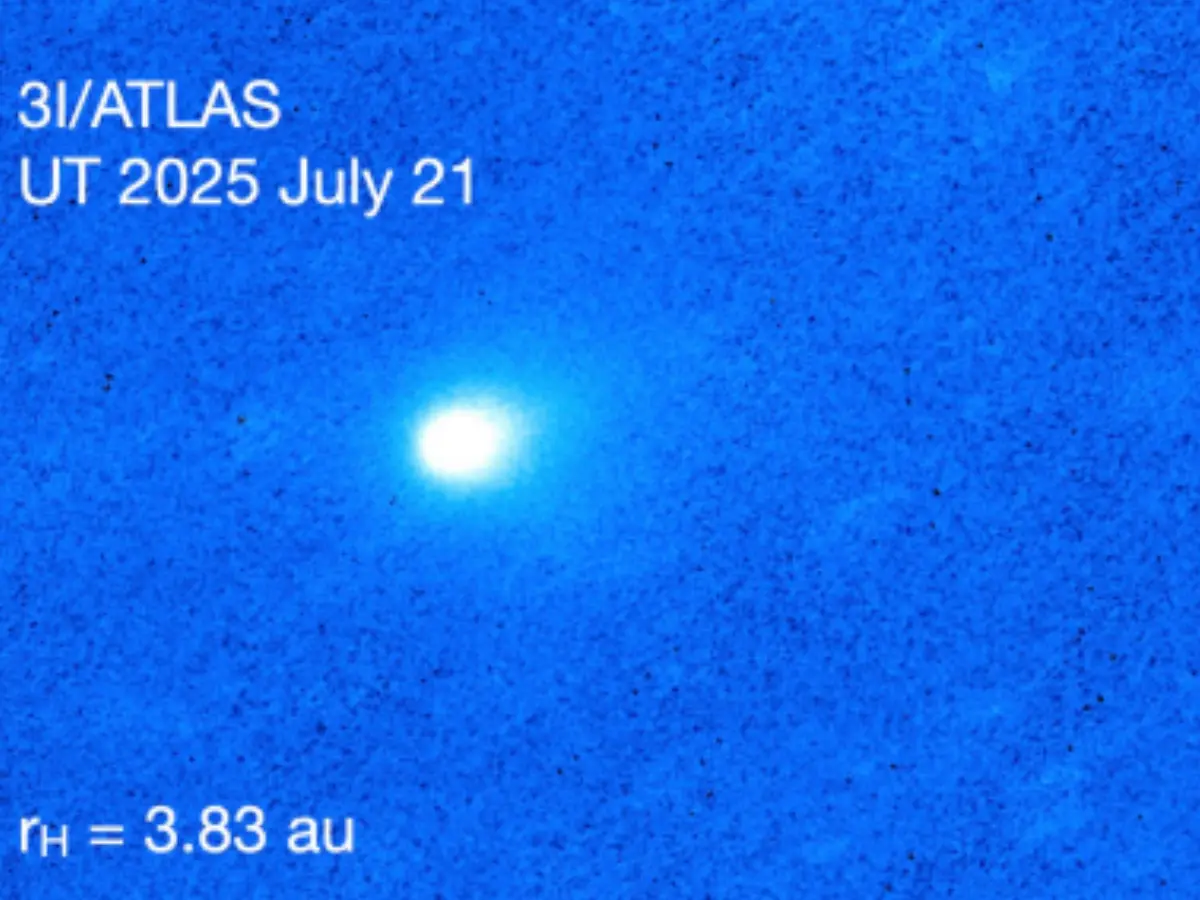
The comet has reached solar conjunction and will soon be at perihelion. Both terms are linked to the Sun and are widely used for other cosmic bodies as well. 3I/ATLAS reached solar conjunction sometime around October 22. The term is used when an object moves to the opposite side of the Sun, making it invisible.
What is perihelion?
3I/ATLAS is due to reach perihelion on October 29-30. Perihelion is when an object's path brings it to its closest point to the Sun. It will not get any nearer and will slowly start moving away.
When will 3I/ATLAS become visible again?
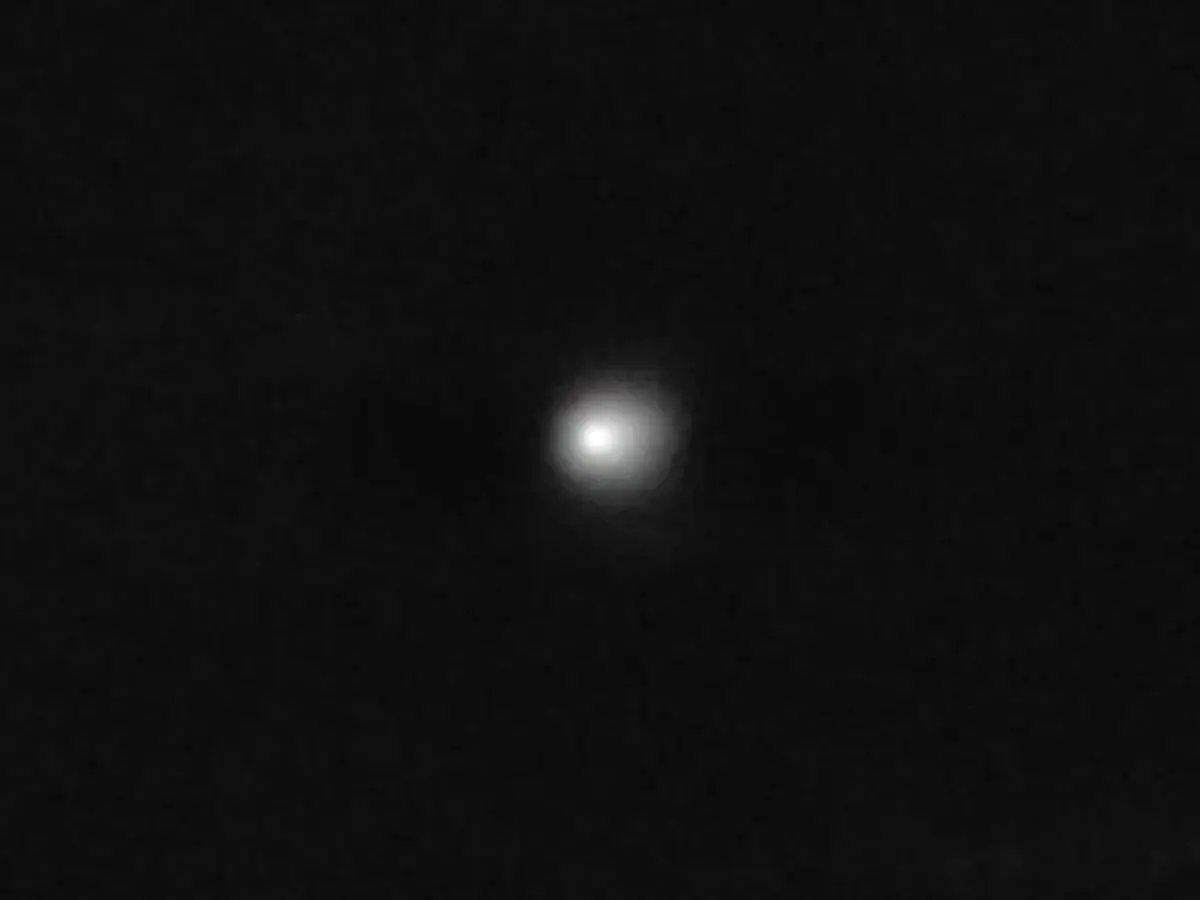
The extreme brightness is preventing us from seeing 3I/ATLAS from Earth. As it continues to move forward at a fast pace, it will not become visible again before December 2025. Scientists across the world are making preparations to catch a glimpse of the comet once it emerges from the glare of the sun.
Will 3I/ATLAS be visible from Earth to the naked eye?
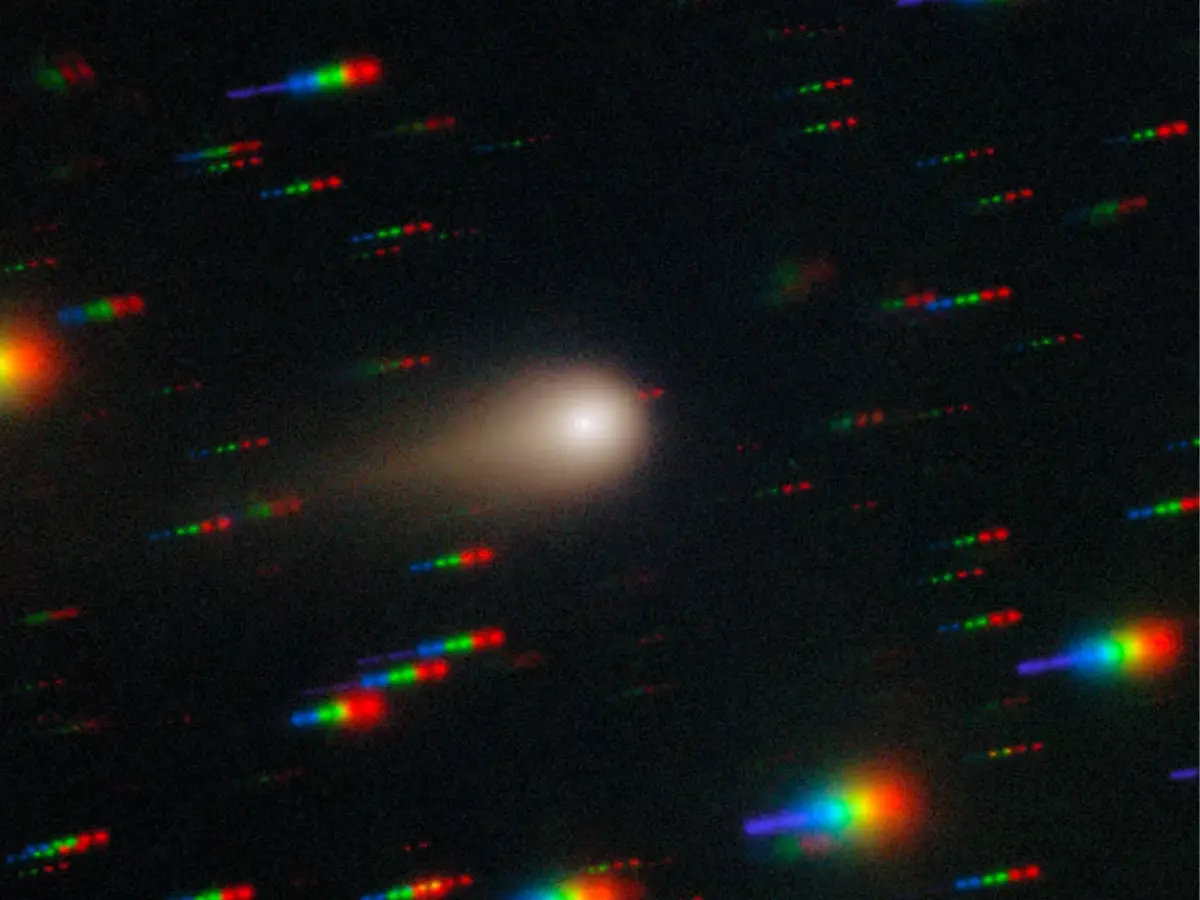
3I/ATLAS will remain 270 million kilometres away from Earth at its nearest point. Which means, spotting the comet will be extremely hard. To view it, you'll need a telescope. According to experts, only a telescope that is at least 8 inches can locate the alien comet.
3I/ATLAS trajectory and danger to Earth
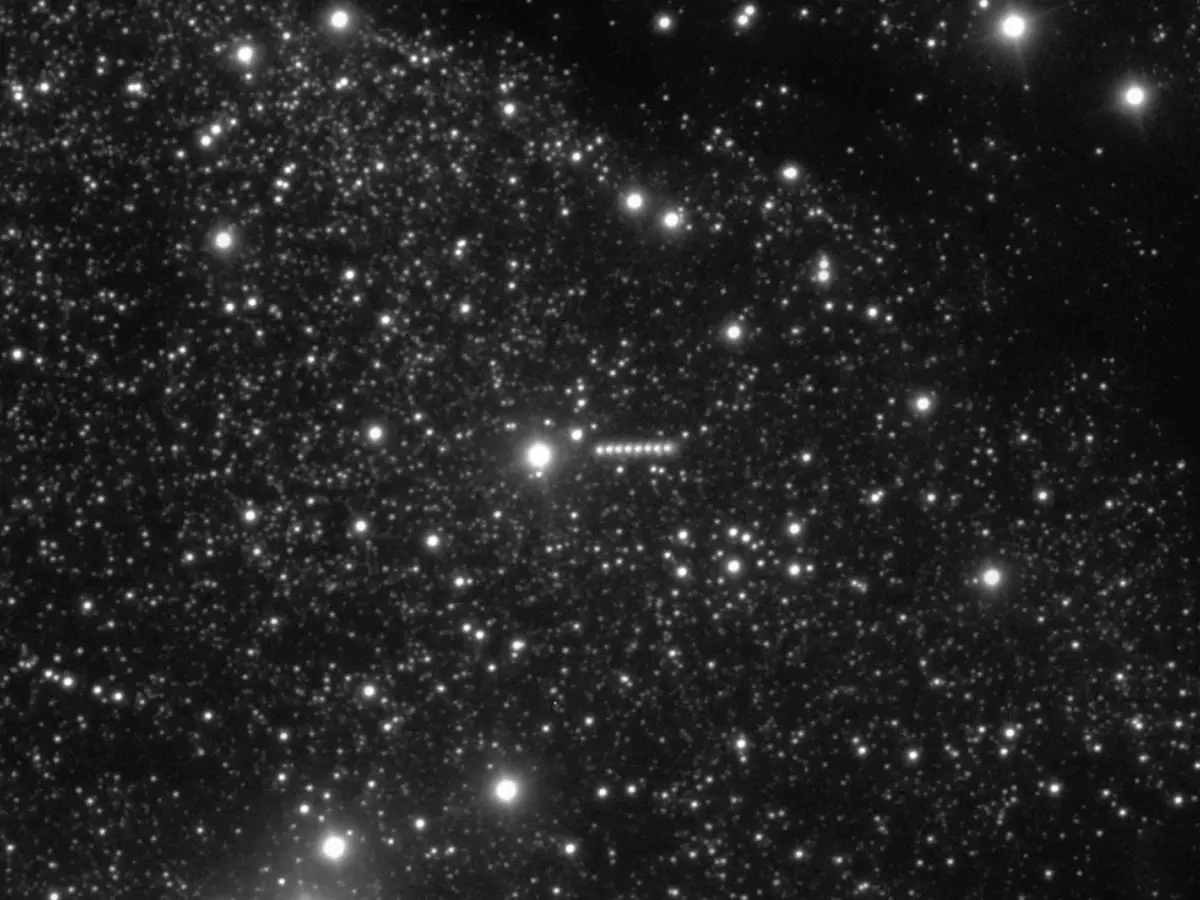
The interstellar comet has a hyperbolic trajectory. So it is reaching perihelion while still inside Mars' orbit. This path also means that it does not pose any threat to Earth. Since it is not bound by our Sun's gravity, it will slowly exit the solar system.
)
)
)
)
)